

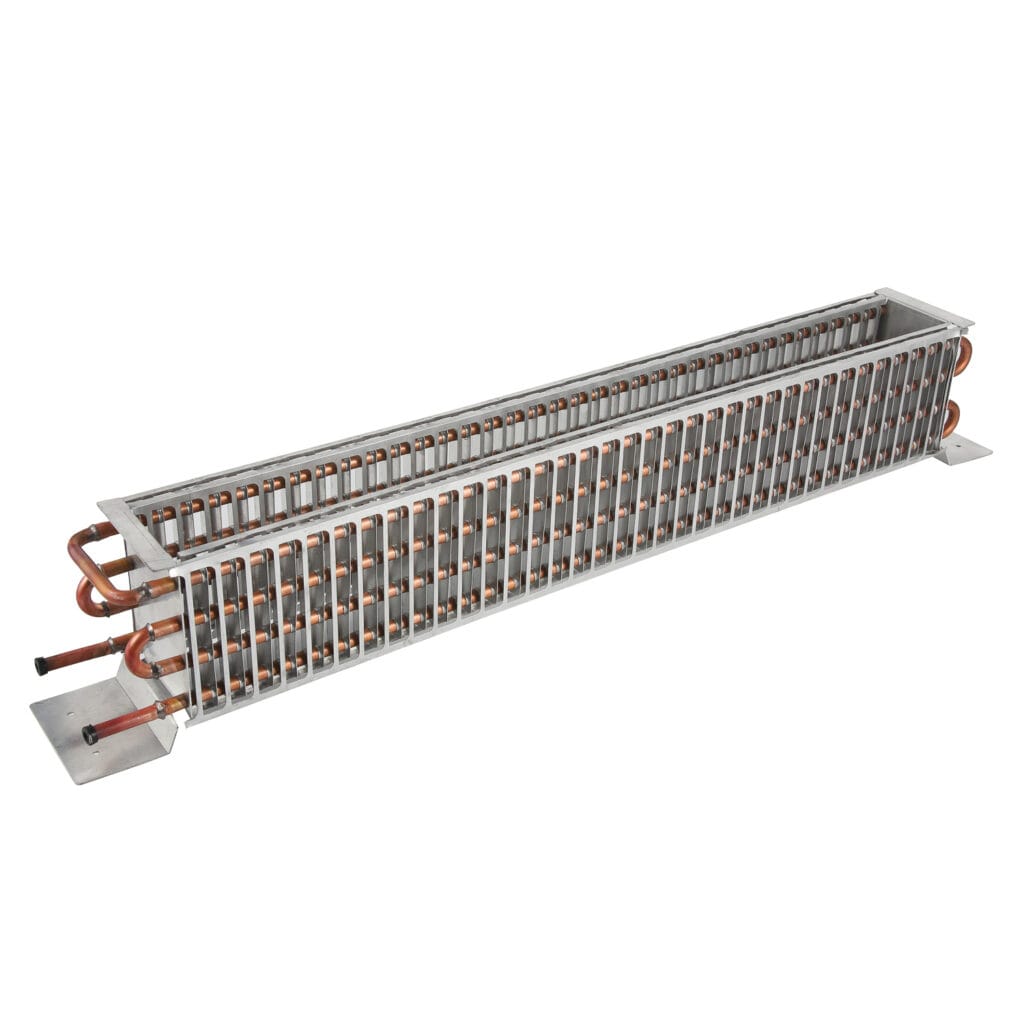
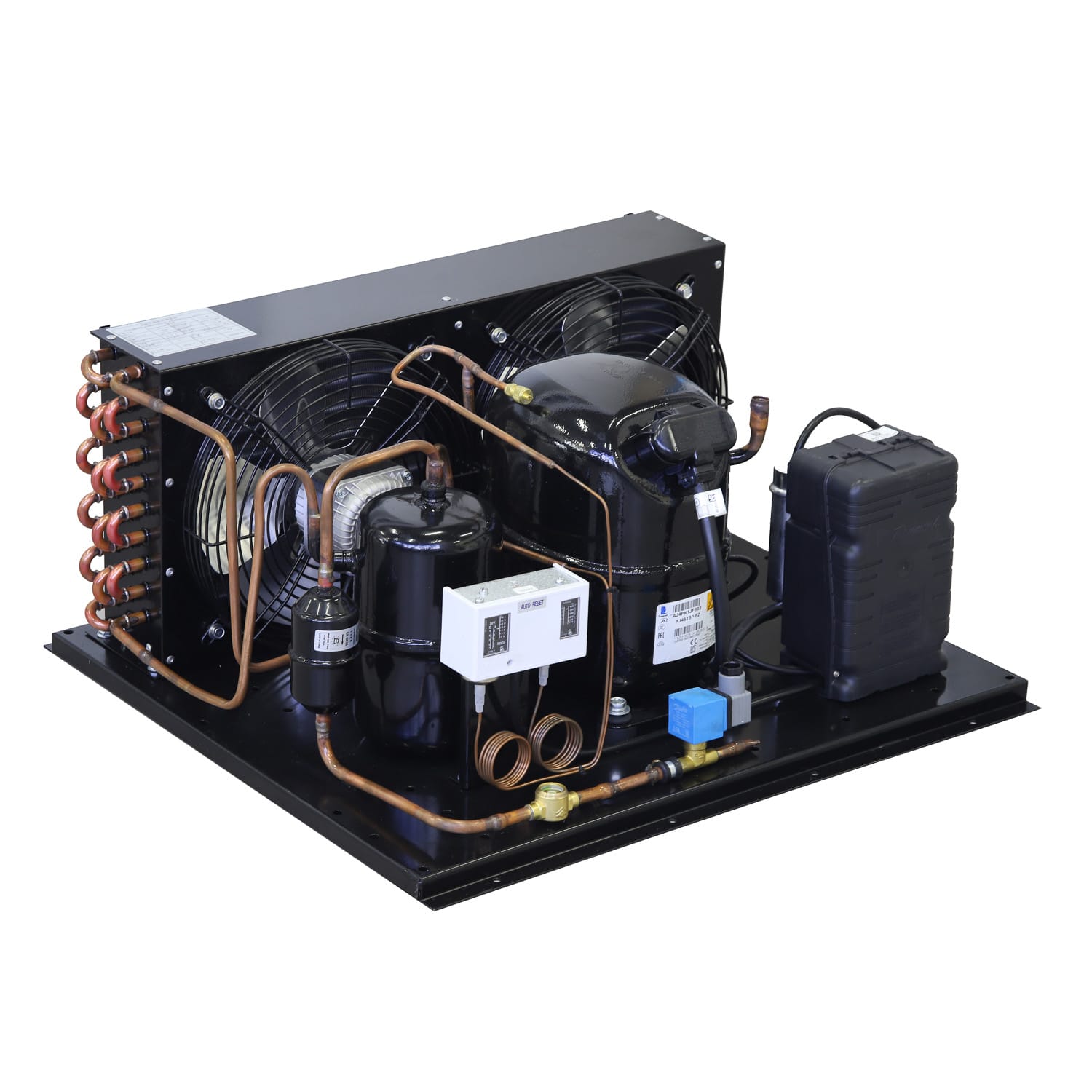
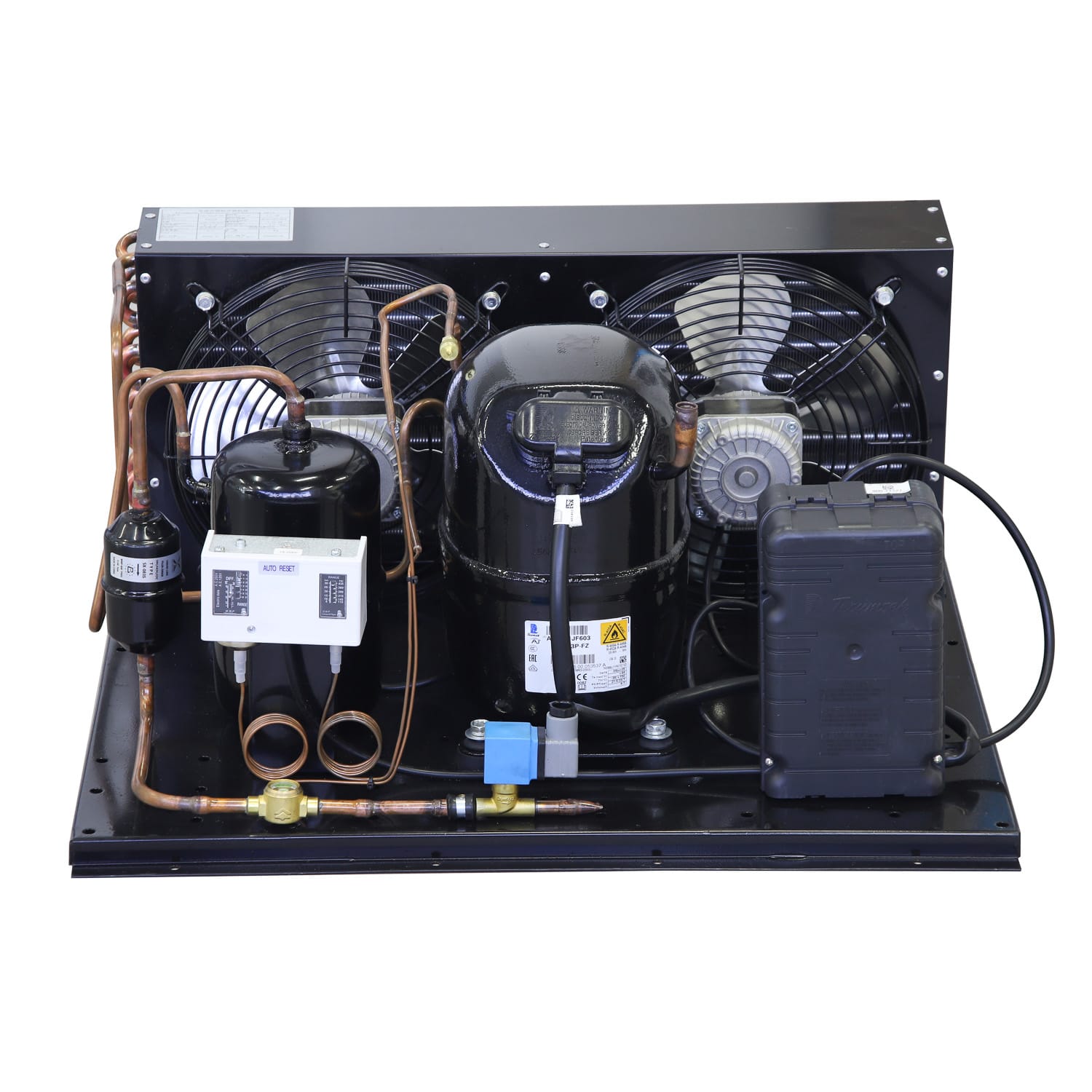
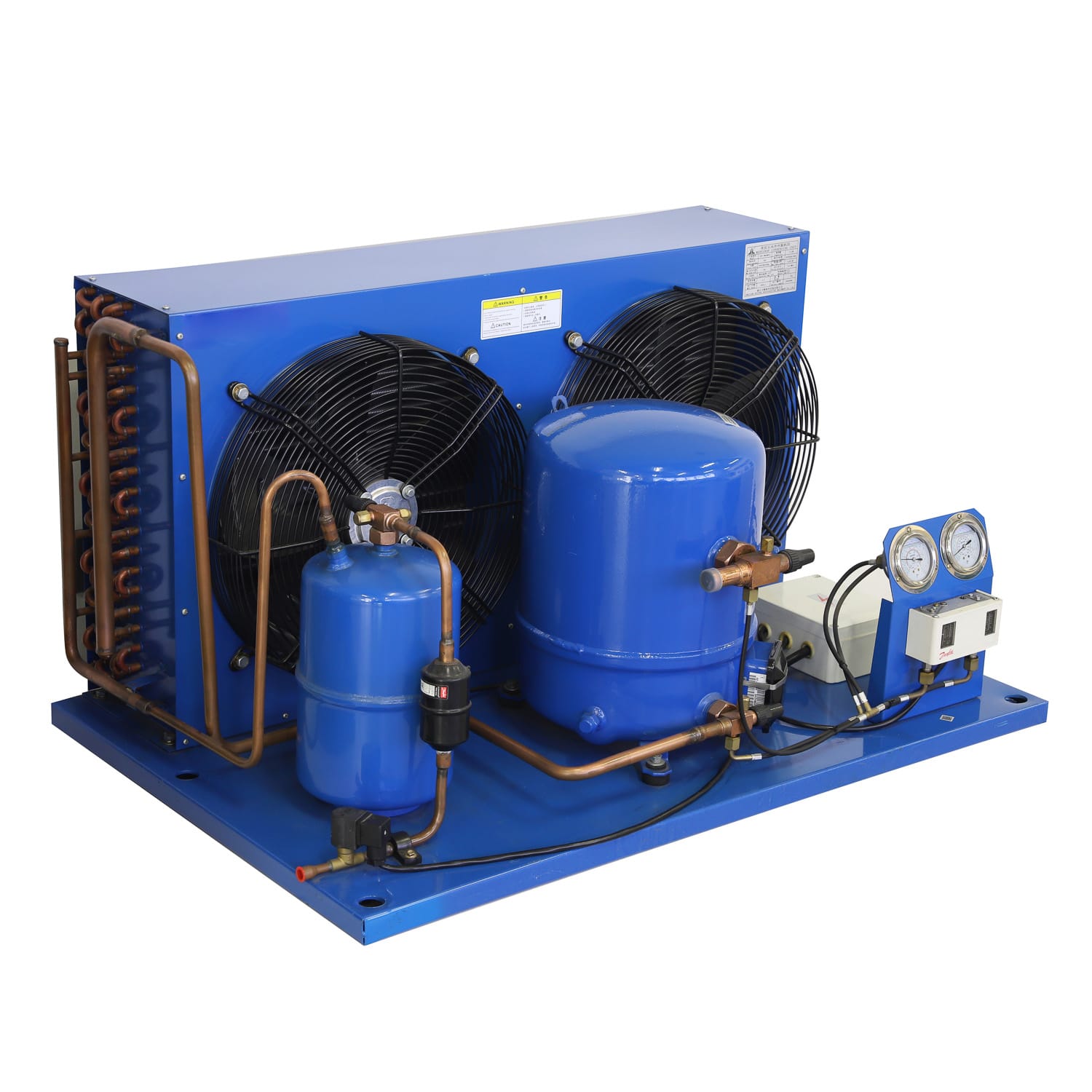
Unité de condensation pour réfrigérateur et congélateur commerciaux
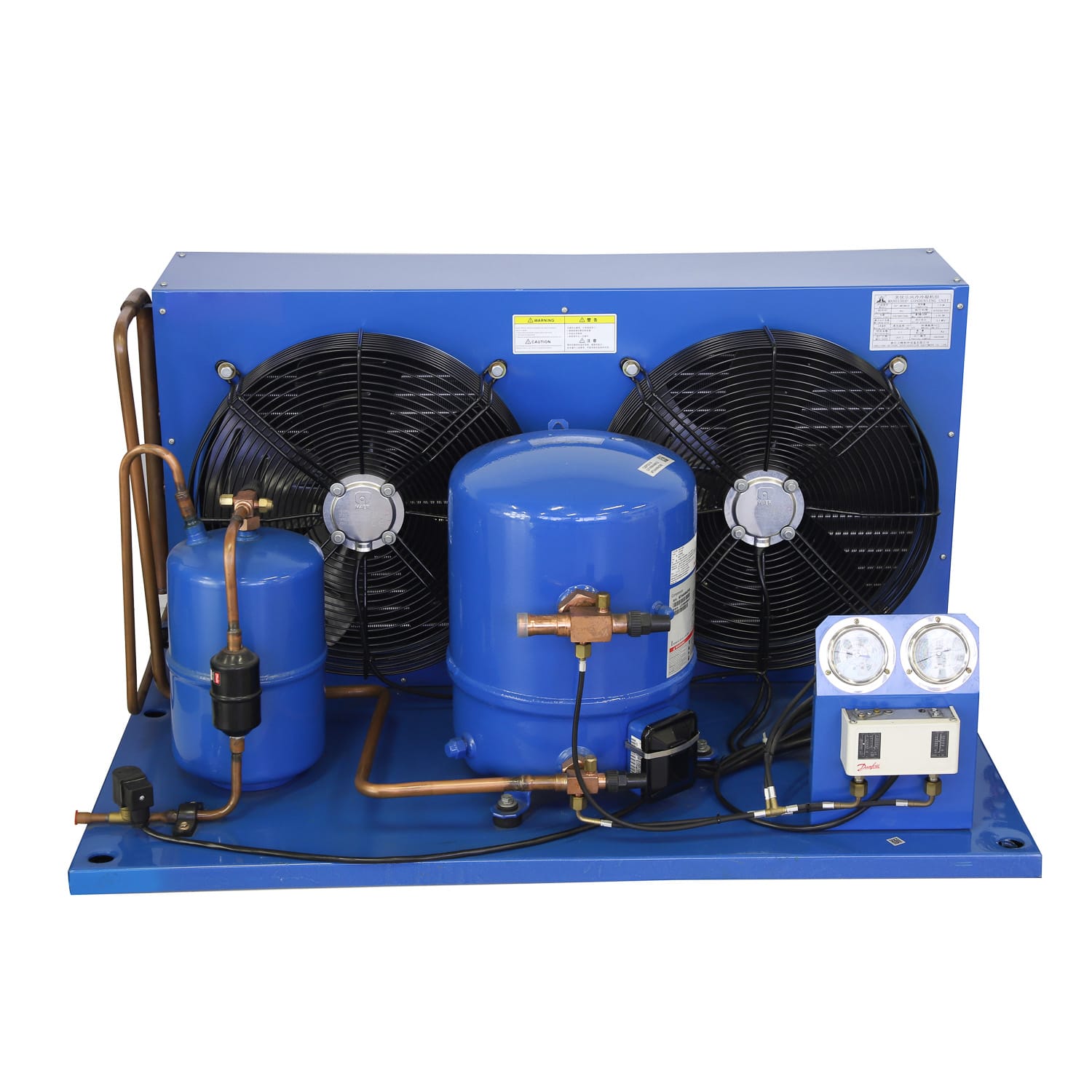
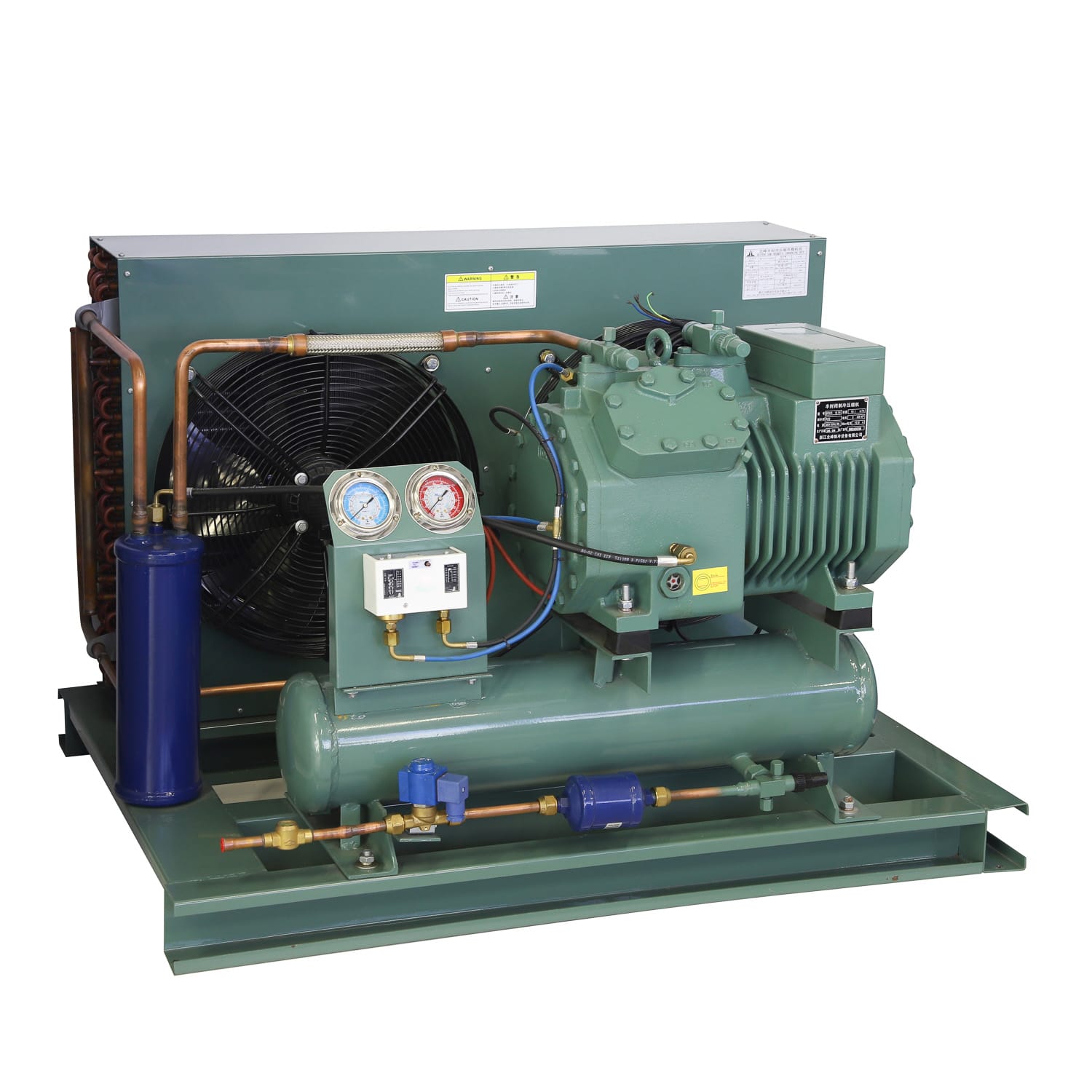
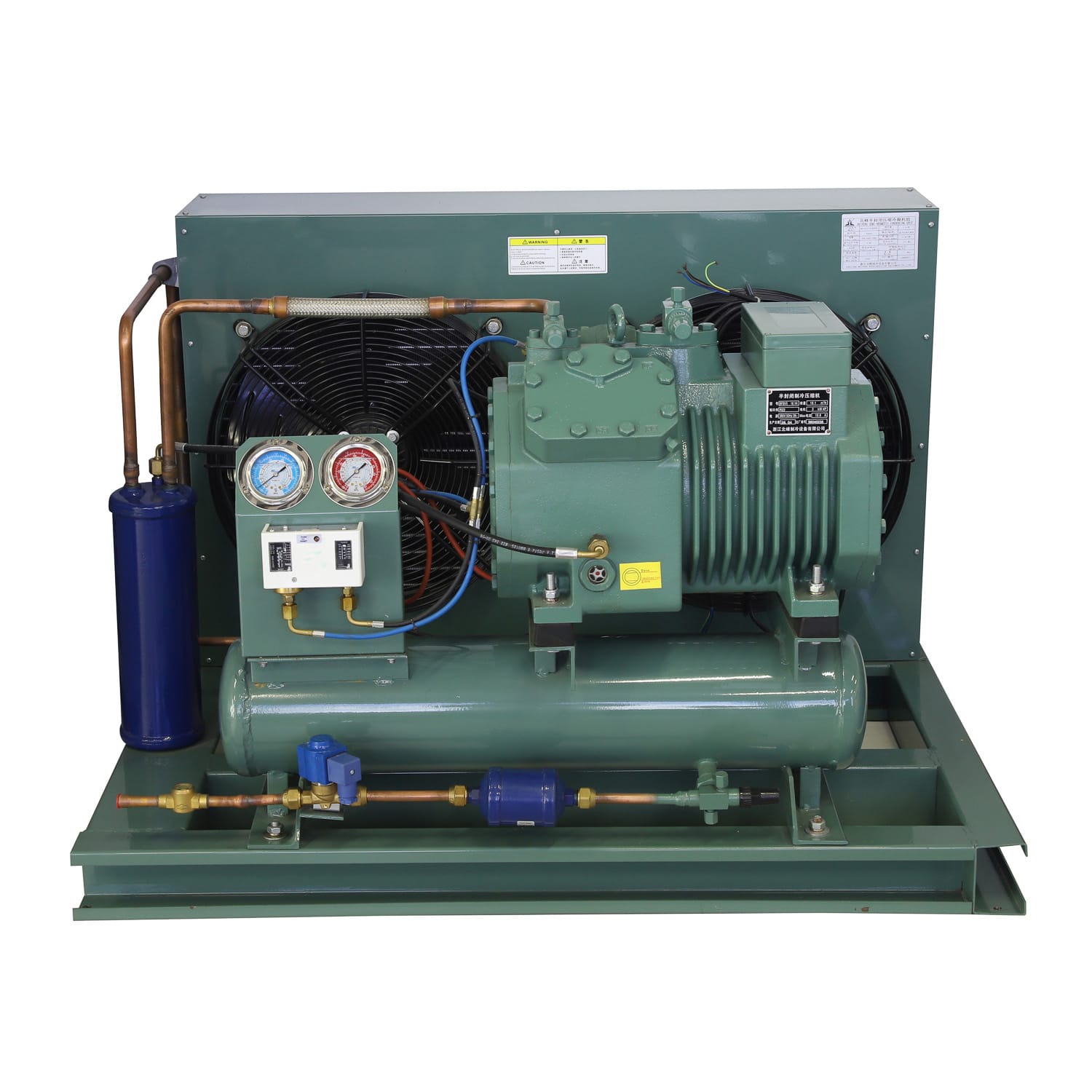
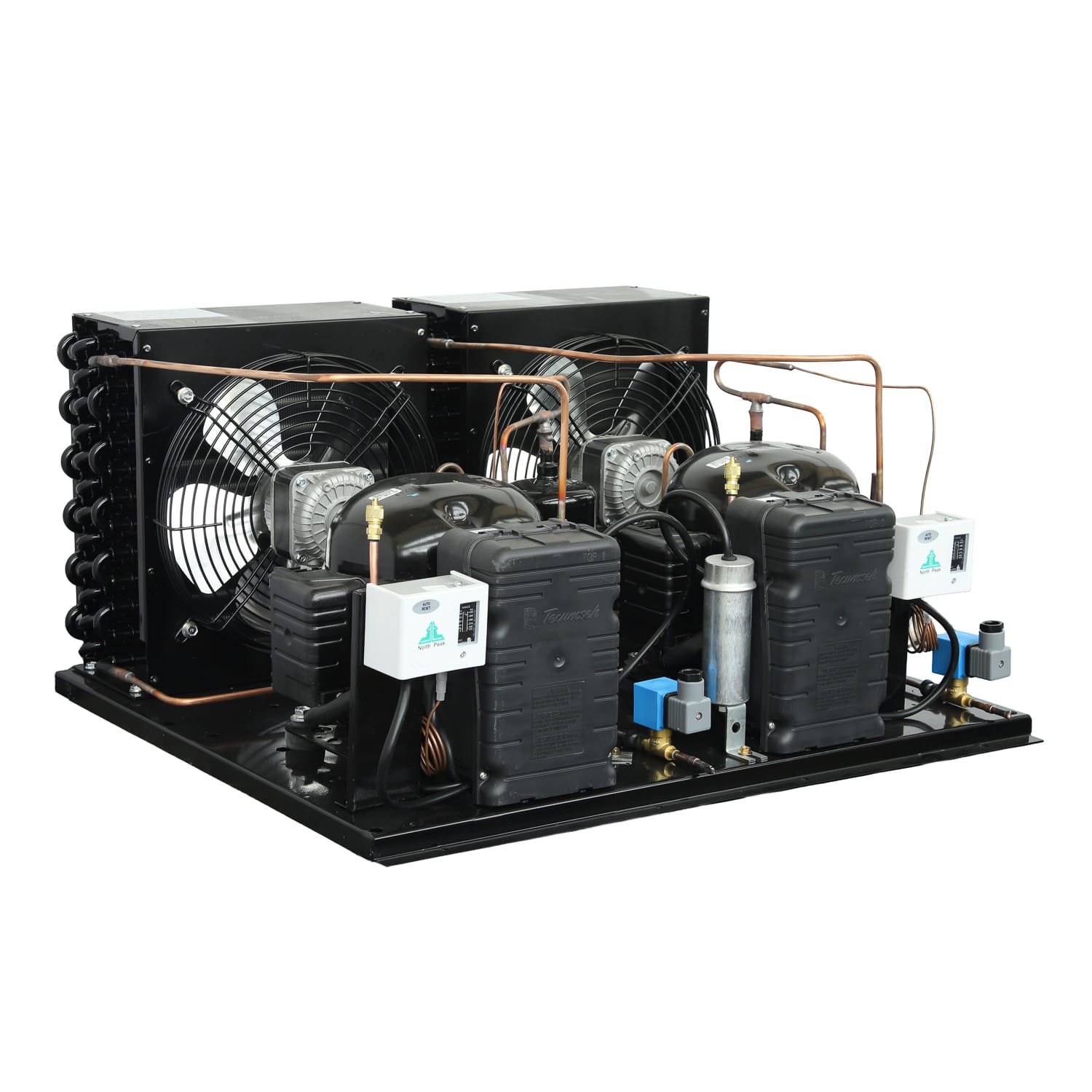
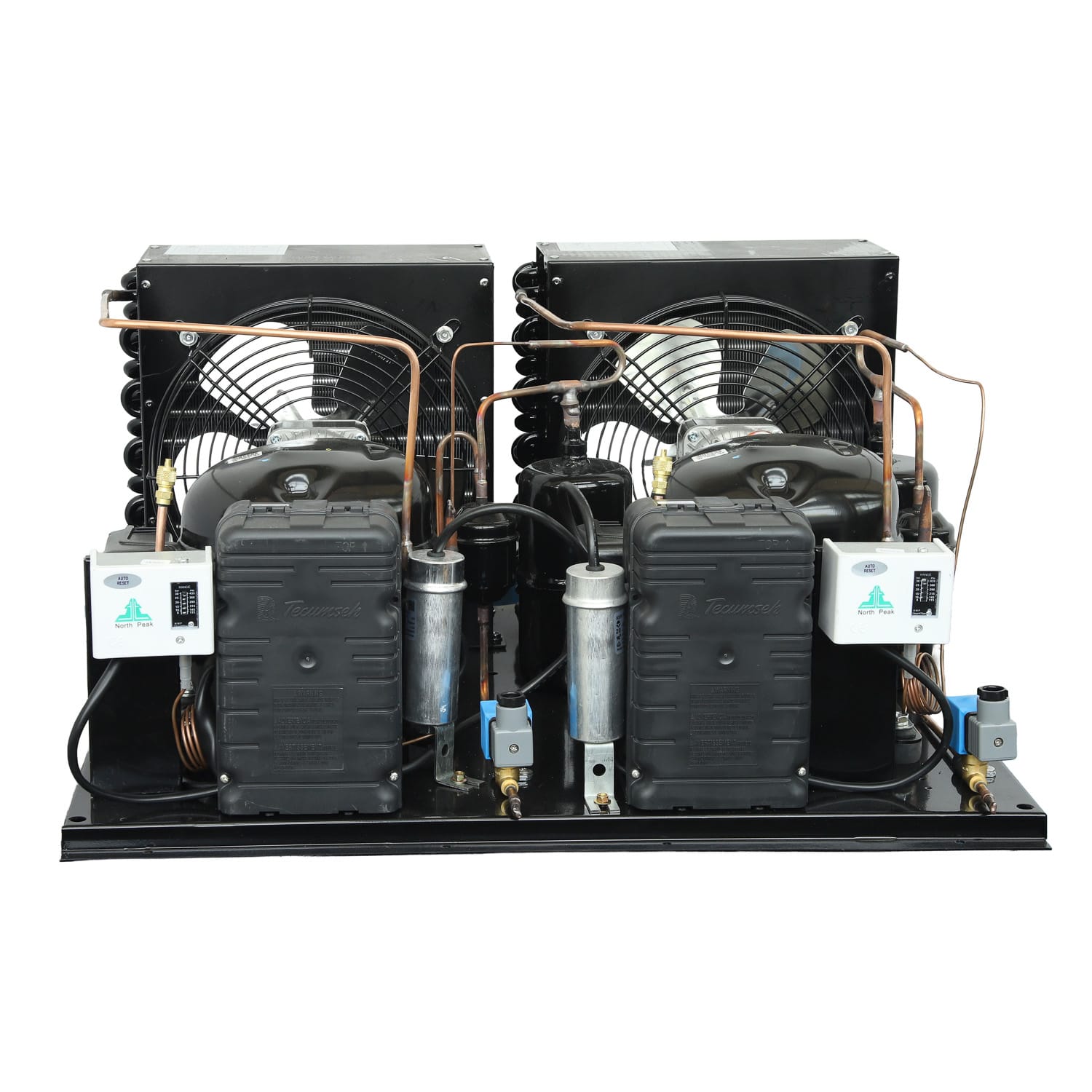
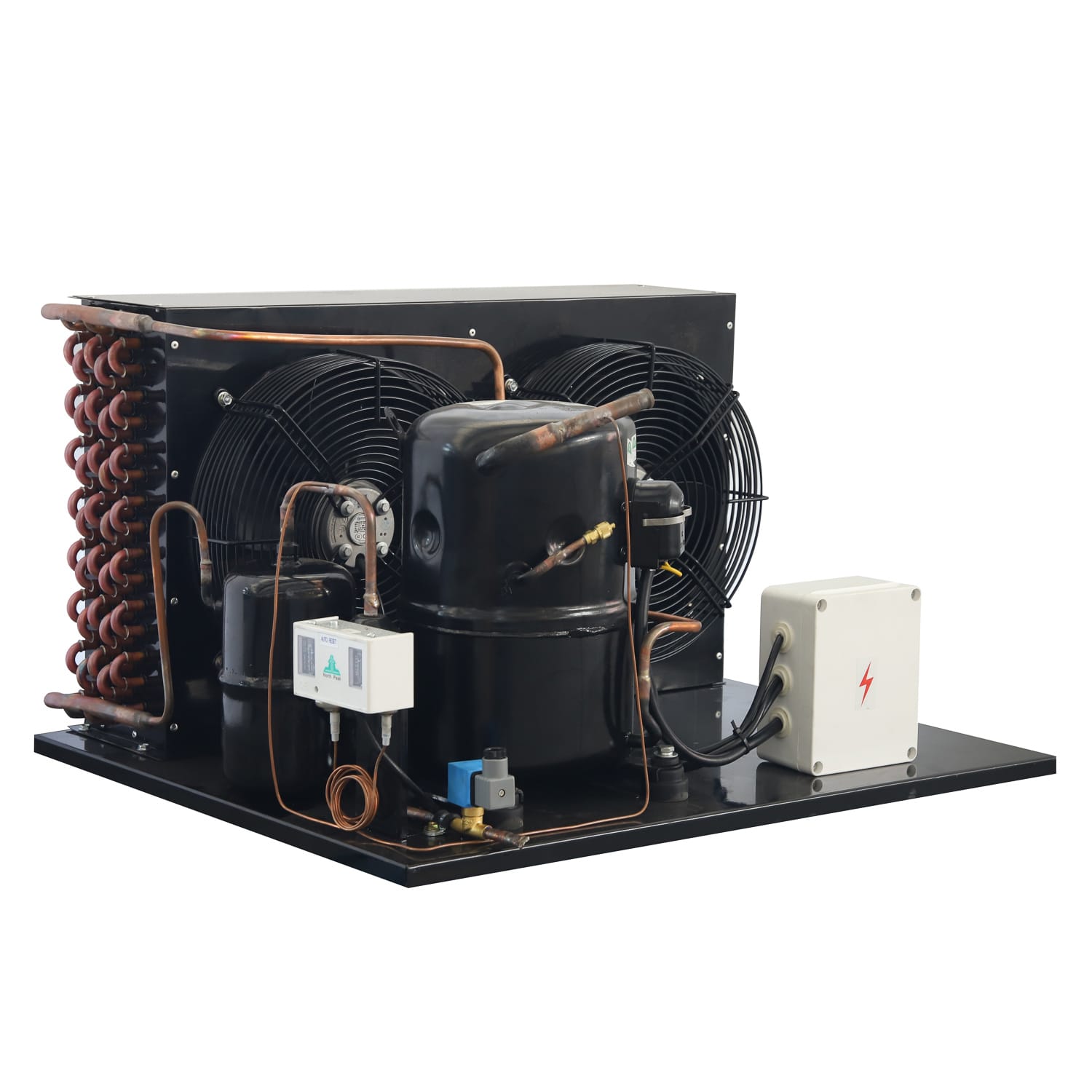
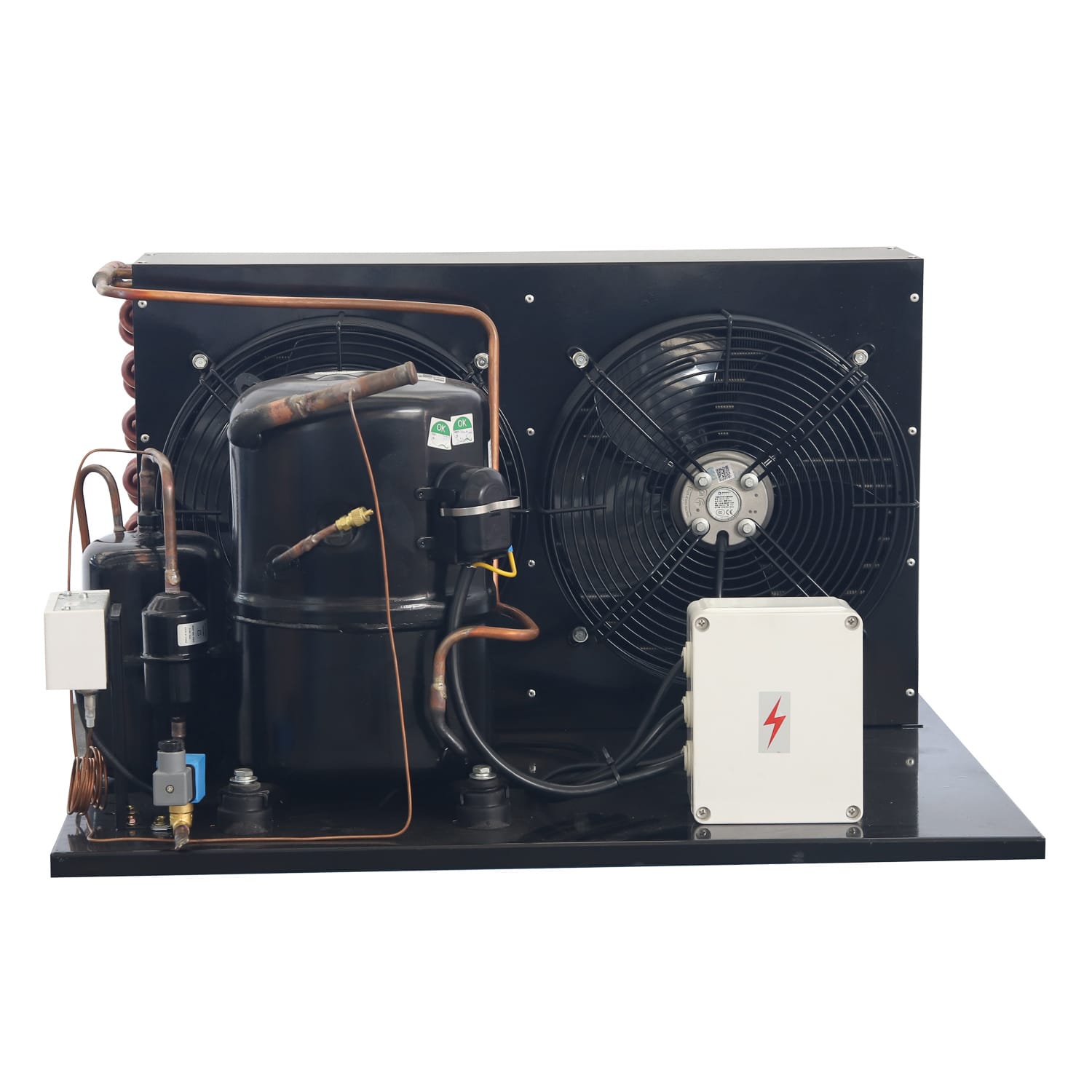
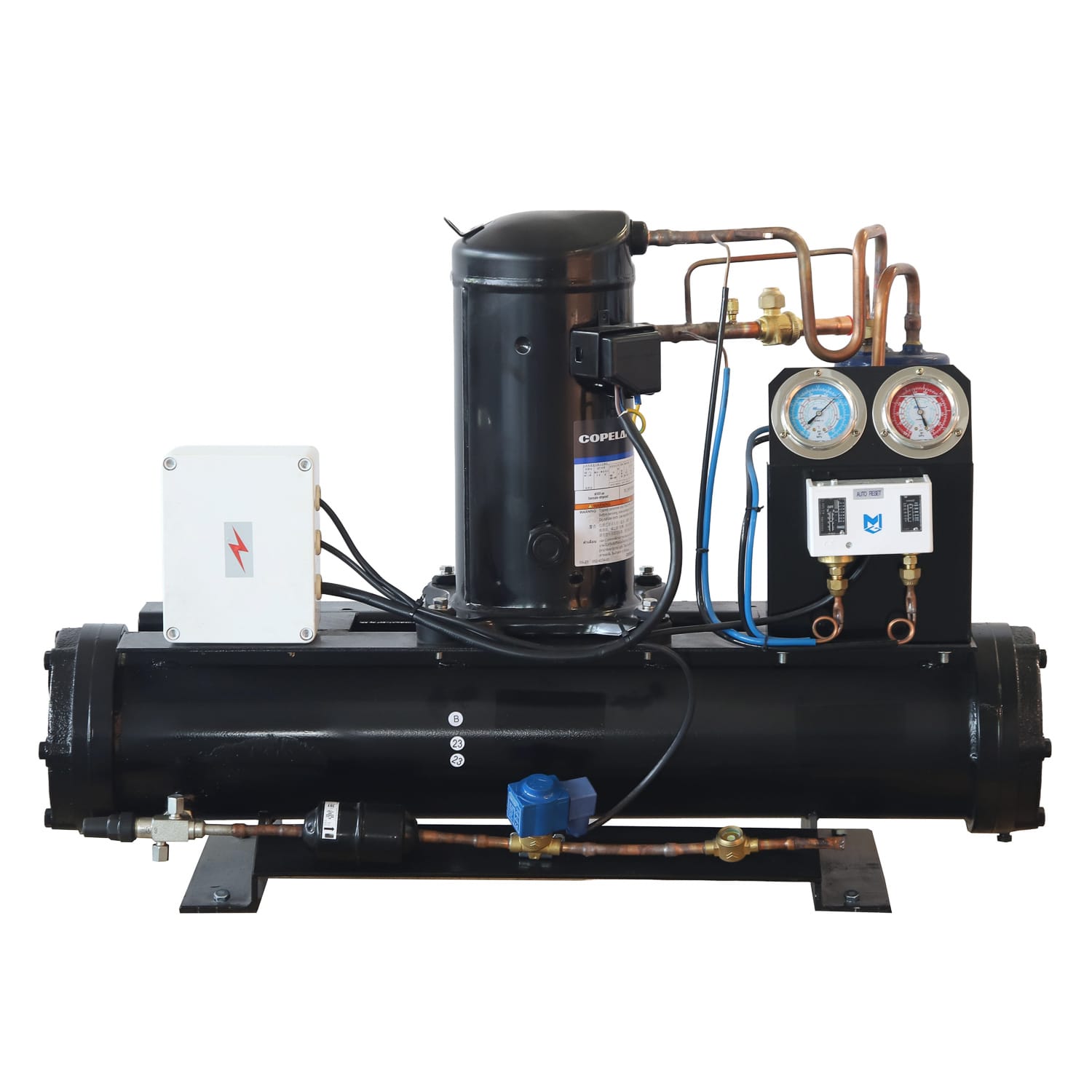
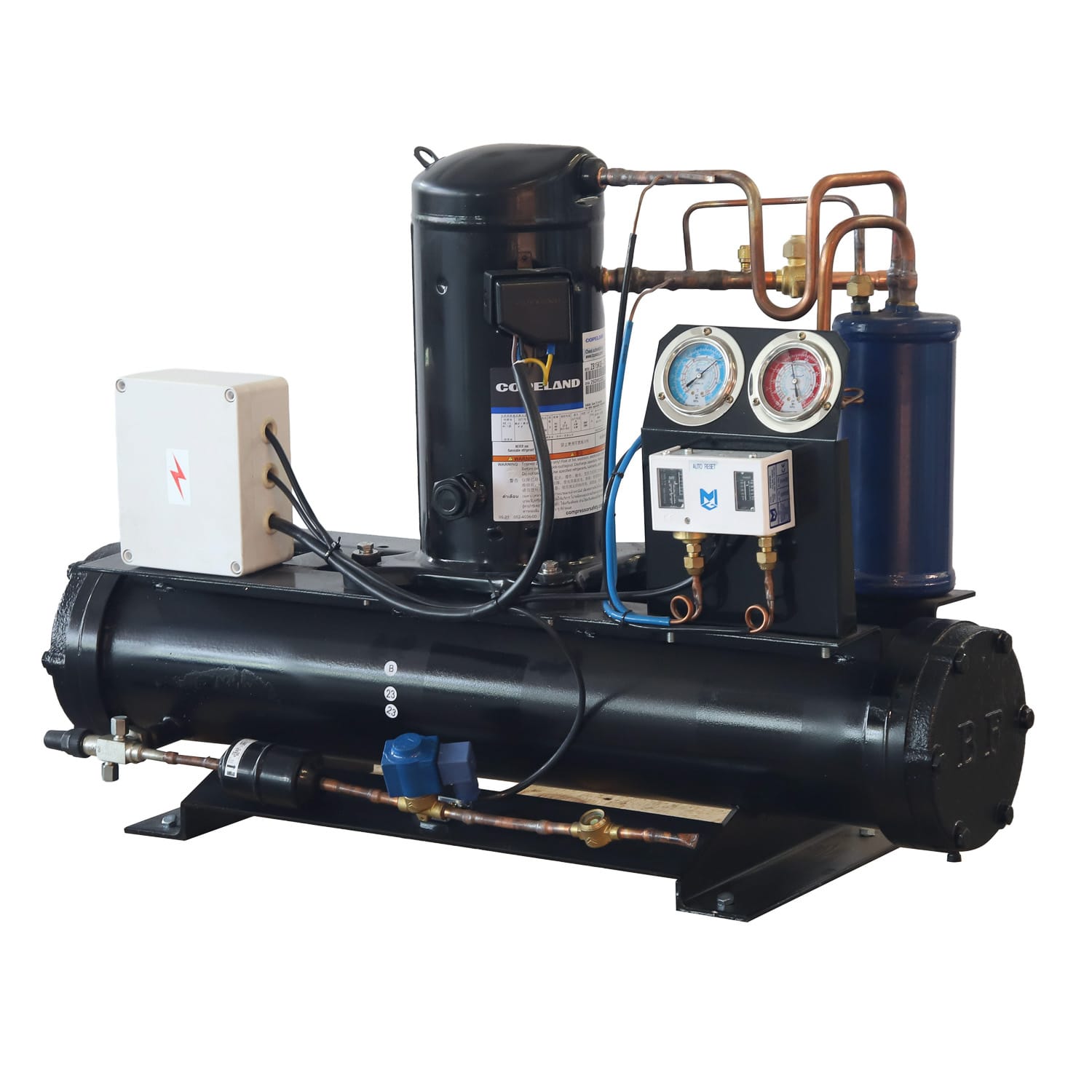
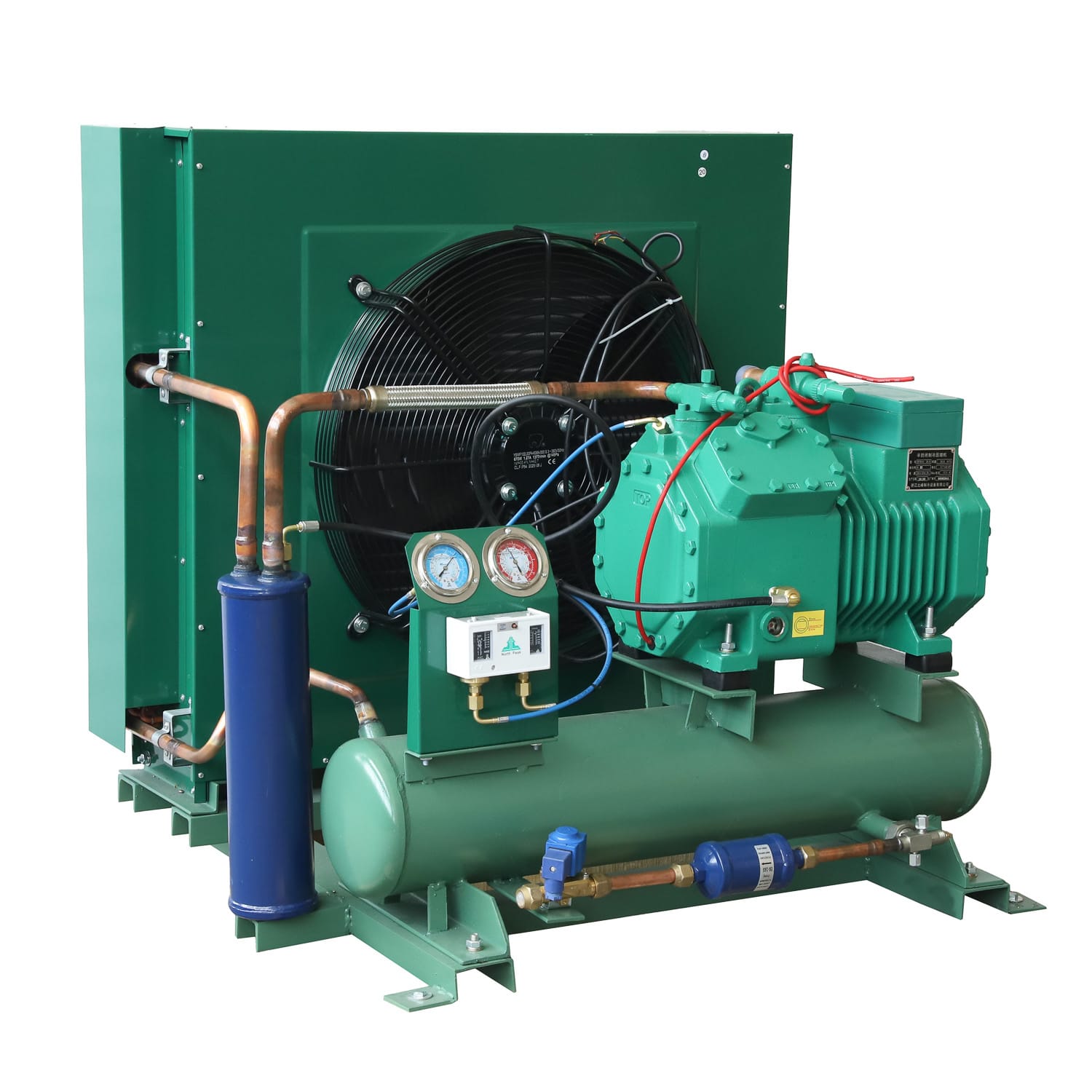
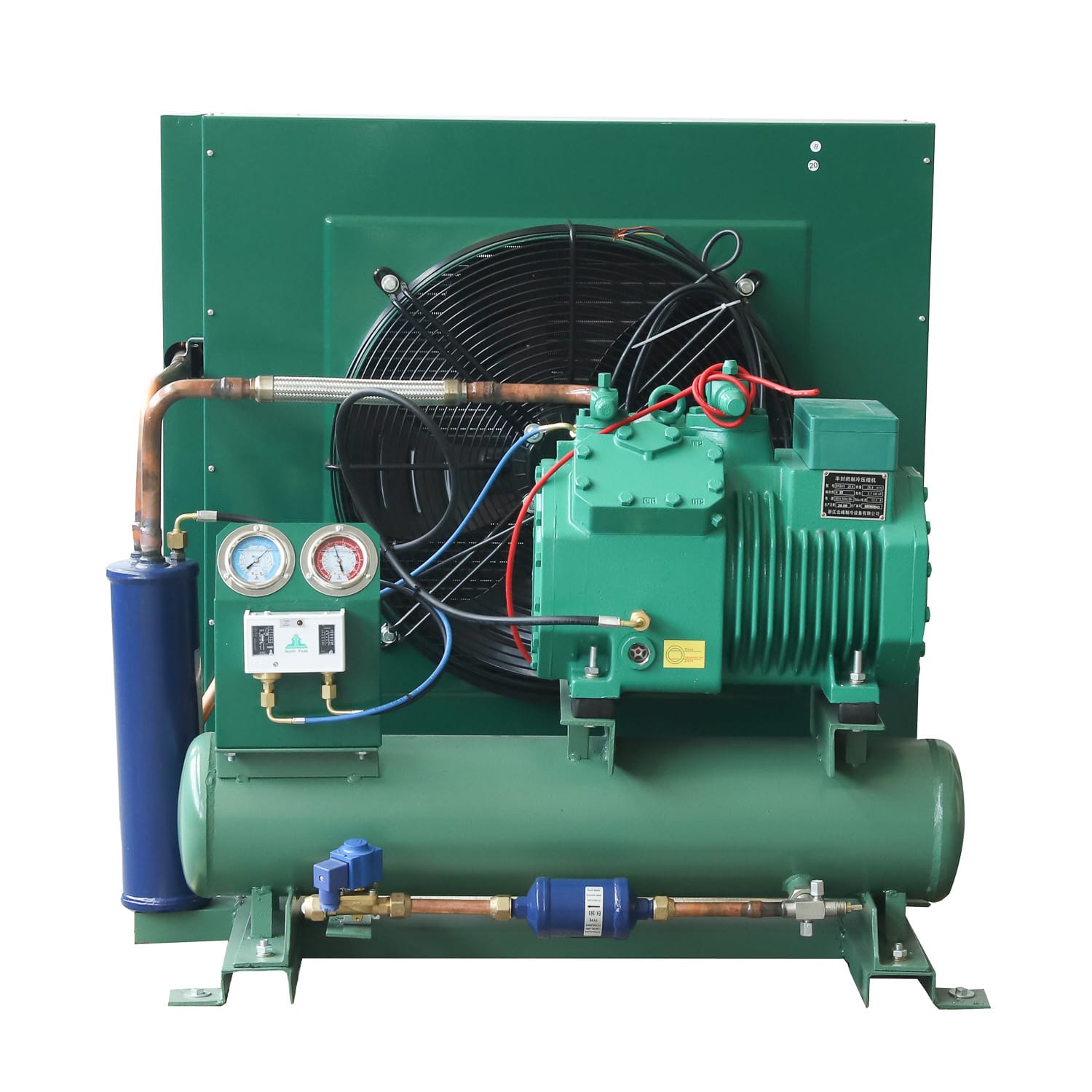
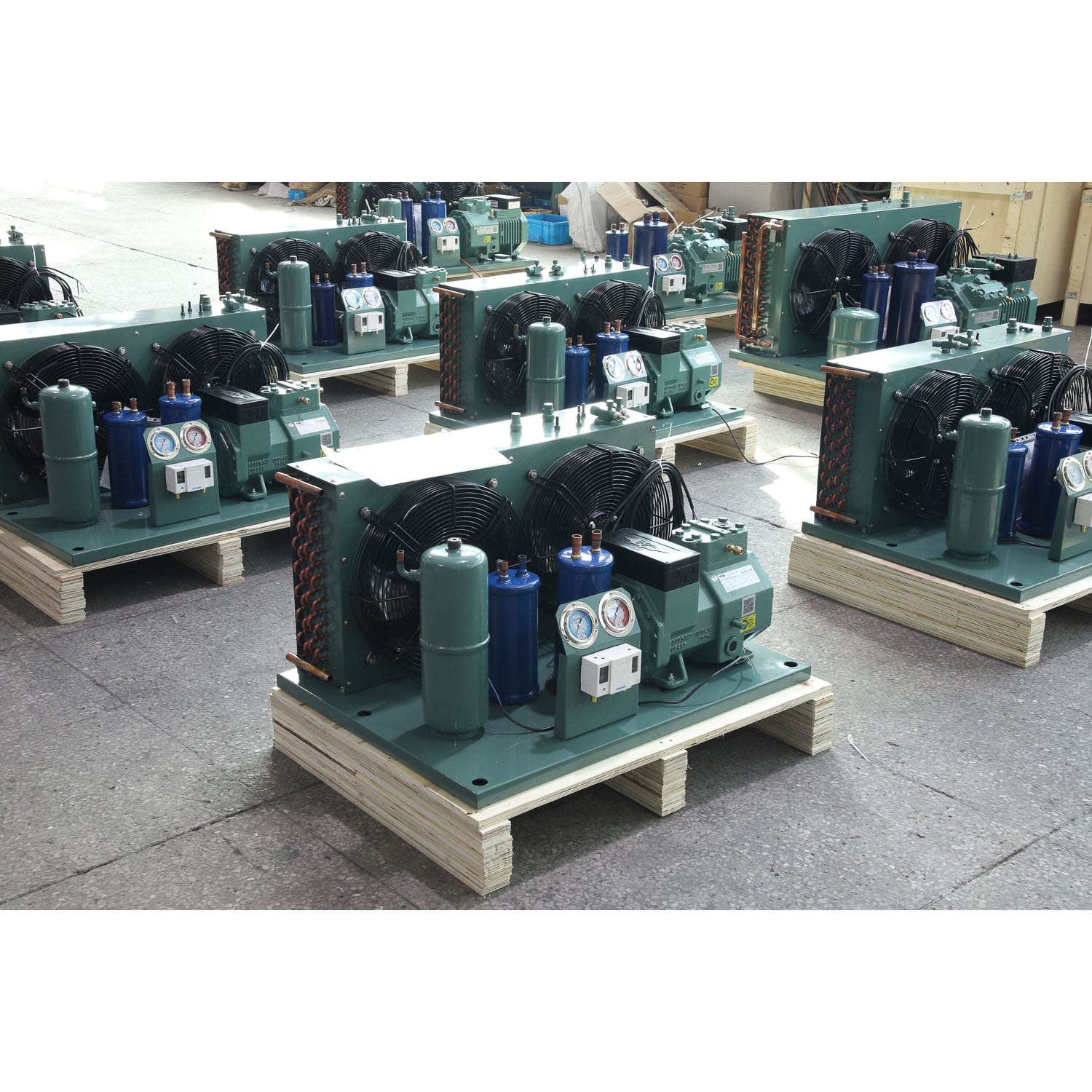
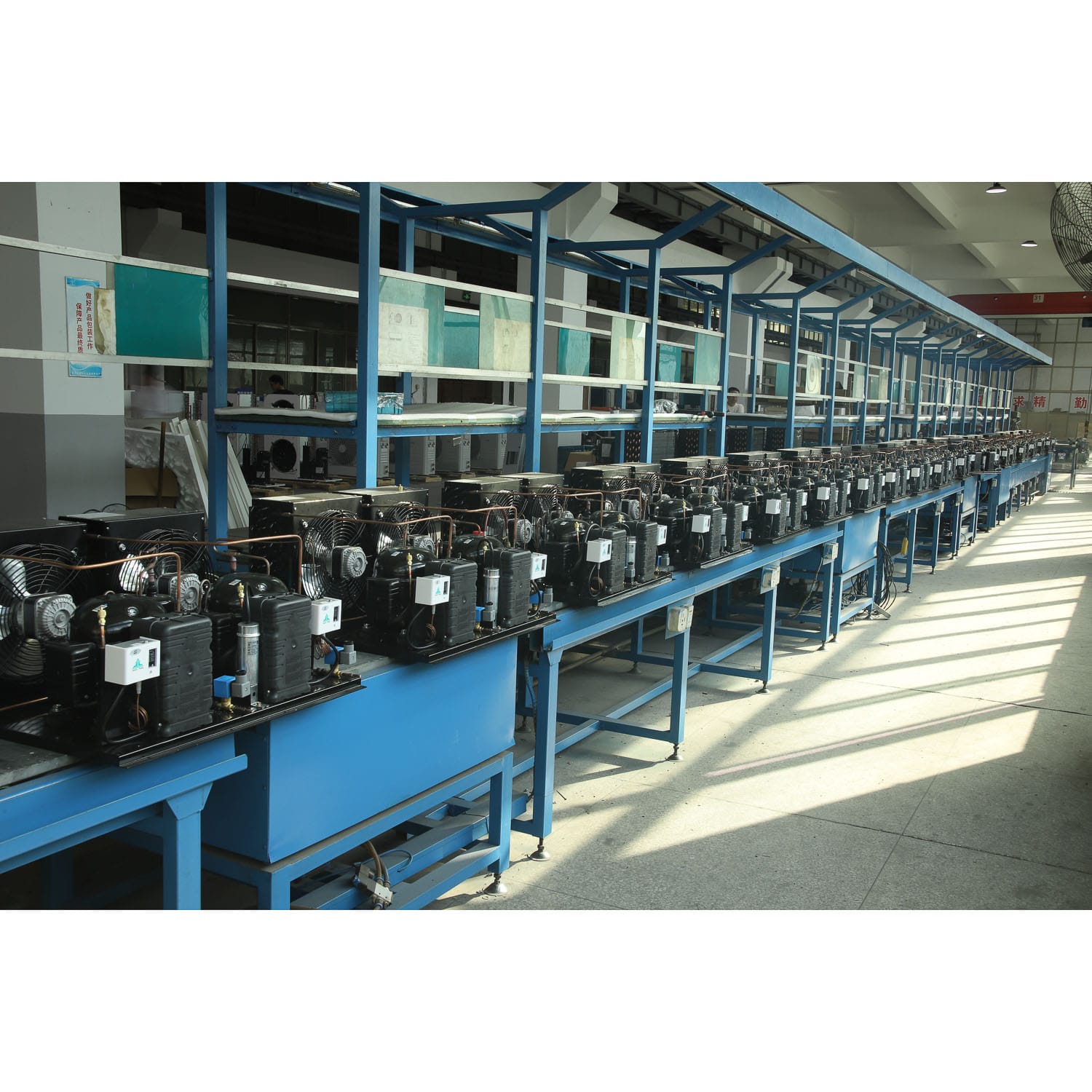
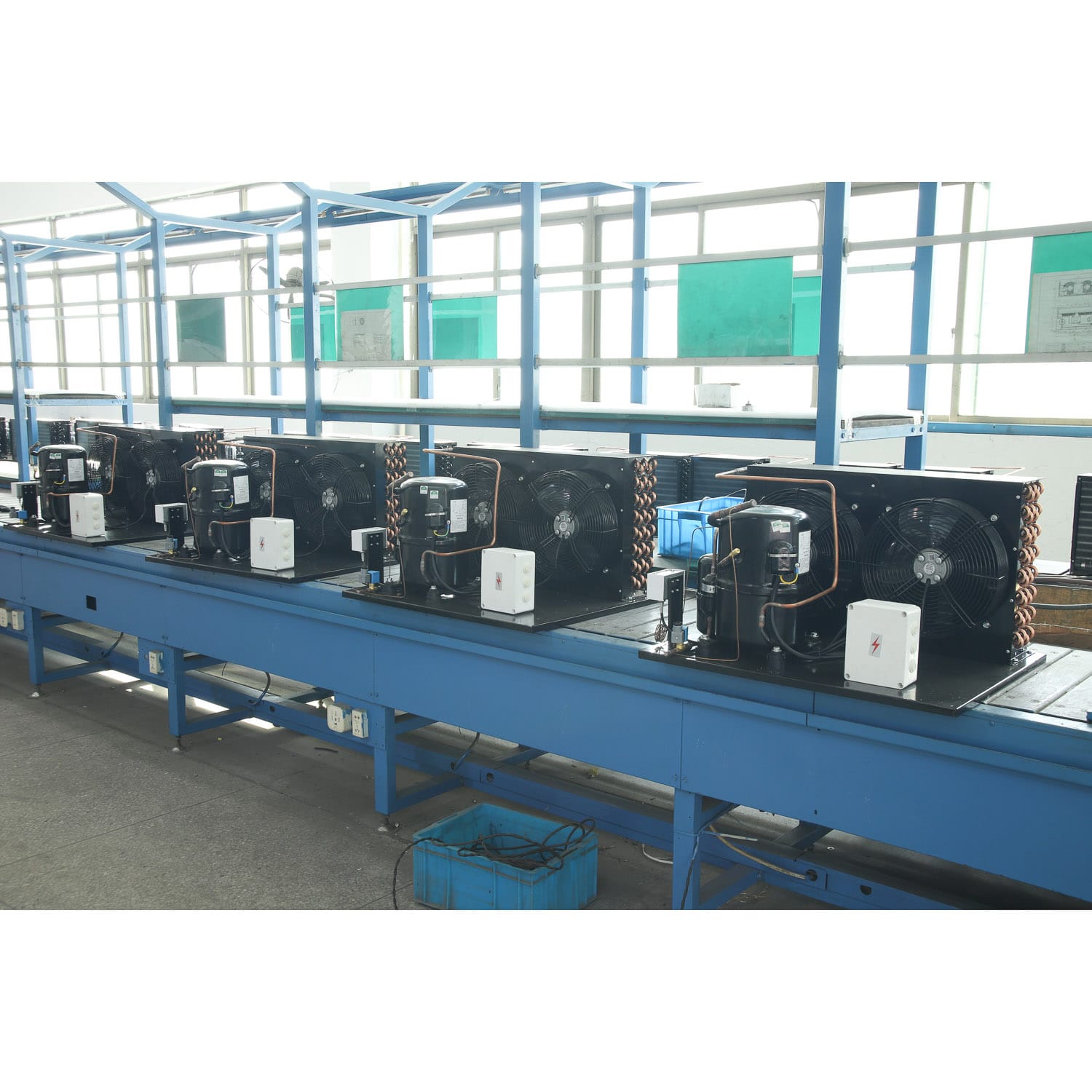
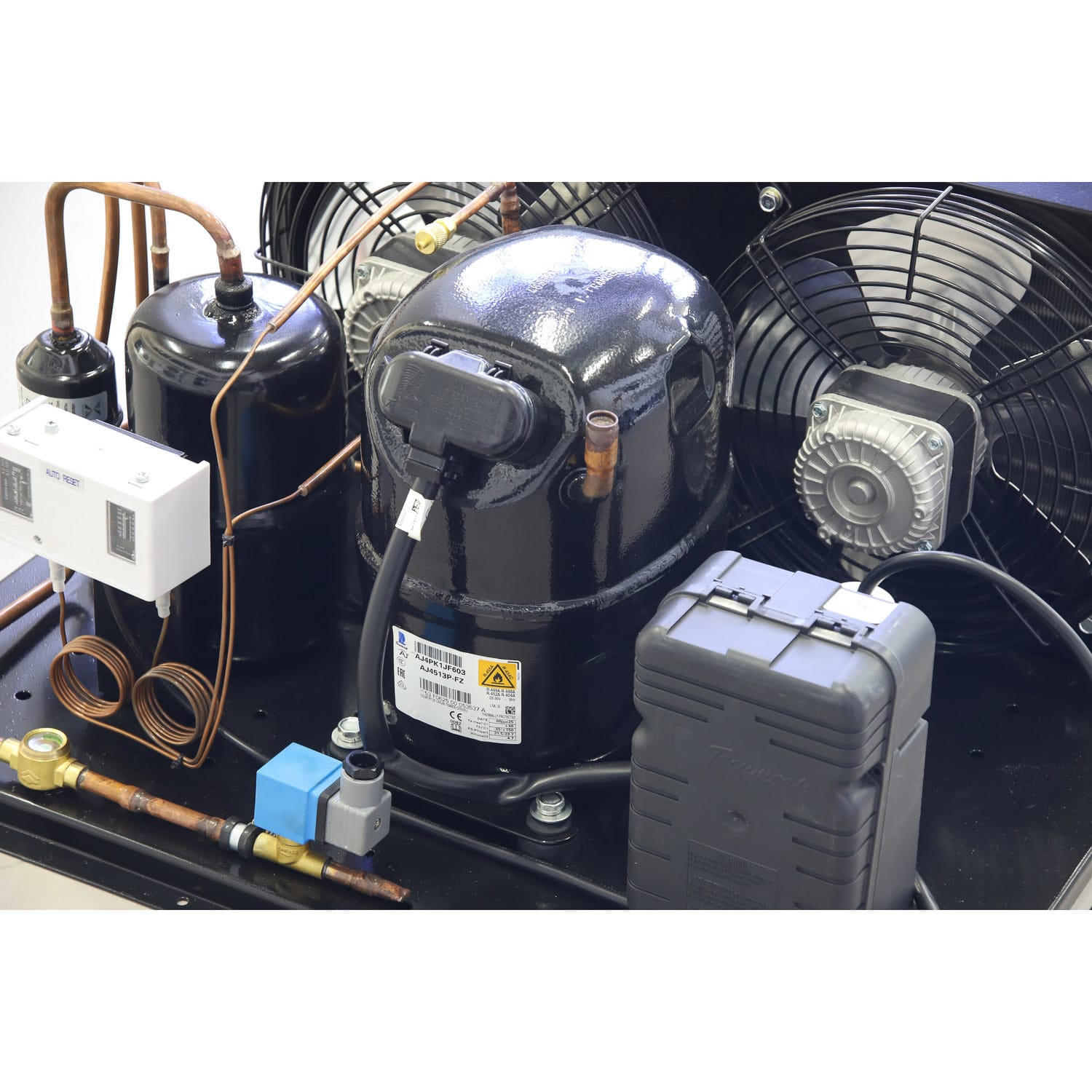
Condenseur de climatisation pour systèmes de refroidissement OEM, avec références publiées de tubes et ailettes en aluminium, examen de dessin ou d’échantillon, orientation de processus et points de contrôle RFQ.
Détails du produit
Domi Refrigeration fournit ce compact condensing unit for commercial refrigerators and freezers for OEM buyers who require a refrigeration assembly matched to specific cabinet dimensions, operating conditions, refrigerant requirements, and cooling loads.
The condensing unit integrates key refrigeration components into a compact assembly and can be used with compatible evaporators in commercial refrigeration equipment. Typical applications include display refrigerators, beverage coolers, reach-in refrigerators, commercial freezers, and other refrigerated cabinets.
A condensing unit should not be selected from compressor horsepower, outside dimensions, or refrigerant alone. Cooling capacity, evaporating and condensing conditions, refrigerant, compressor operating envelope, condenser airflow, electrical supply, installation space, and system controls should be reviewed before production or replacement.
Portée du produit et rôle dans le système
A condensing unit forms the high-pressure side of a vapor-compression refrigeration system. Depending on the project configuration, the assembly typically combines a compressor, condenser, fan motor, piping, and mounting base, with additional refrigeration or electrical components specified according to the equipment design.
The unit works together with the evaporator, expansion device, refrigerant piping, controls, and cabinet airflow system. Final system performance therefore depends on the complete refrigeration design rather than the condensing unit alone.
Typical applications include:
- Commercial refrigerators
- Commercial freezers
- Display refrigerators
- Beverage coolers
- Reach-in refrigerators and freezers
- Upright refrigerated cabinets
- Undercounter refrigeration equipment
- Food and beverage display cabinets
- Other customized refrigeration equipment
Domi can review OEM projects based on customer drawings, samples, equipment specifications, and required operating conditions.
Référence de construction typique
The configuration below is a general reference for project discussion. Actual components and specifications depend on the approved design.
| Composant | Configuration typique | Confirmation avant production |
|---|---|---|
| Compresseur | Hermetic refrigeration compressor | Refrigerant, displacement, capacity, operating envelope, voltage |
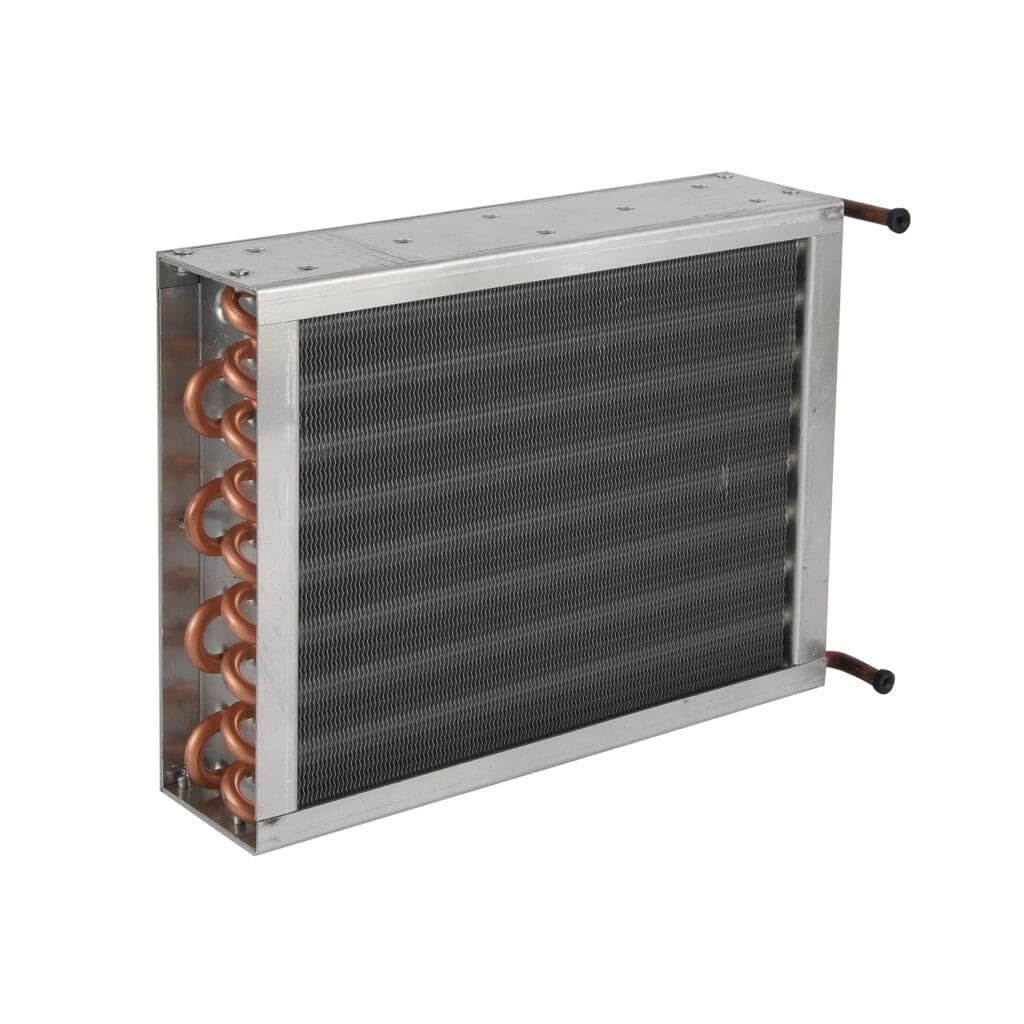
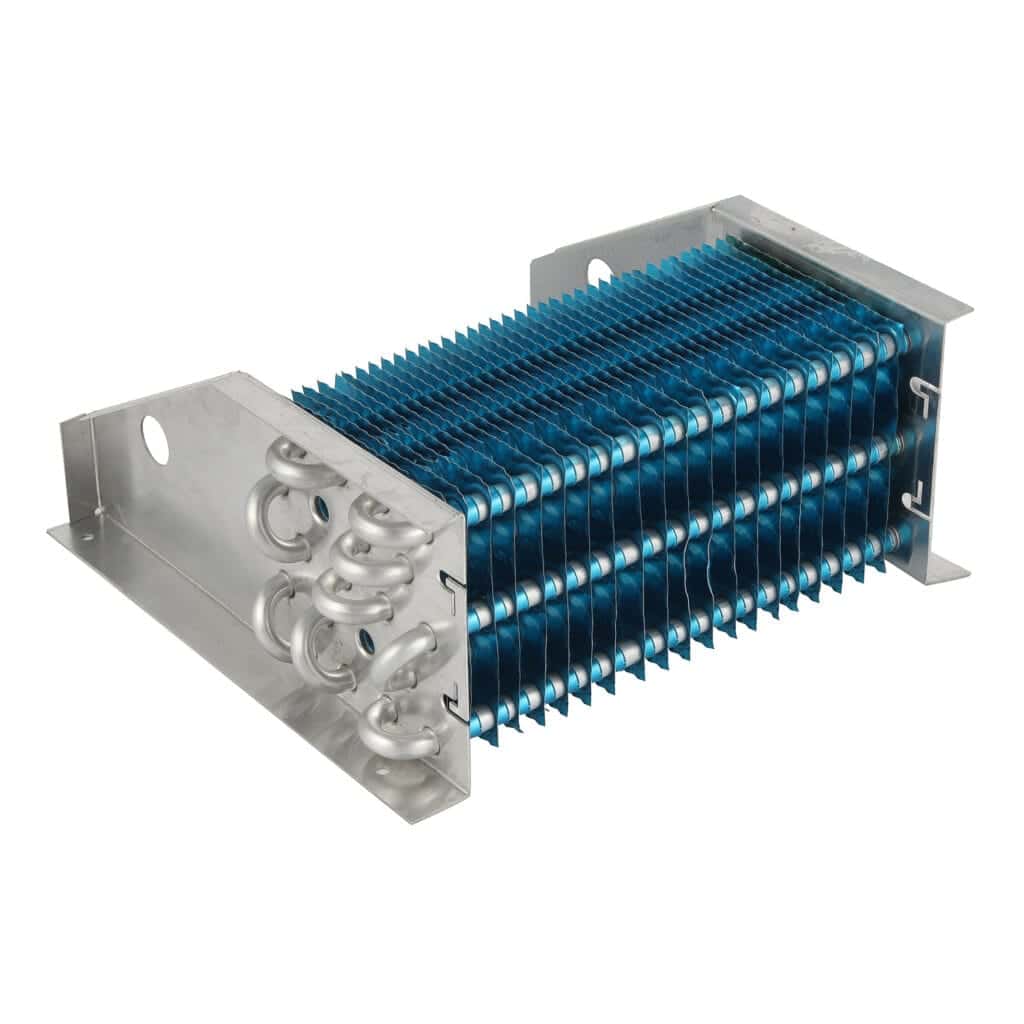
| Condenser | Air-cooled condenser | Heat-rejection duty, tube and fin construction, airflow |
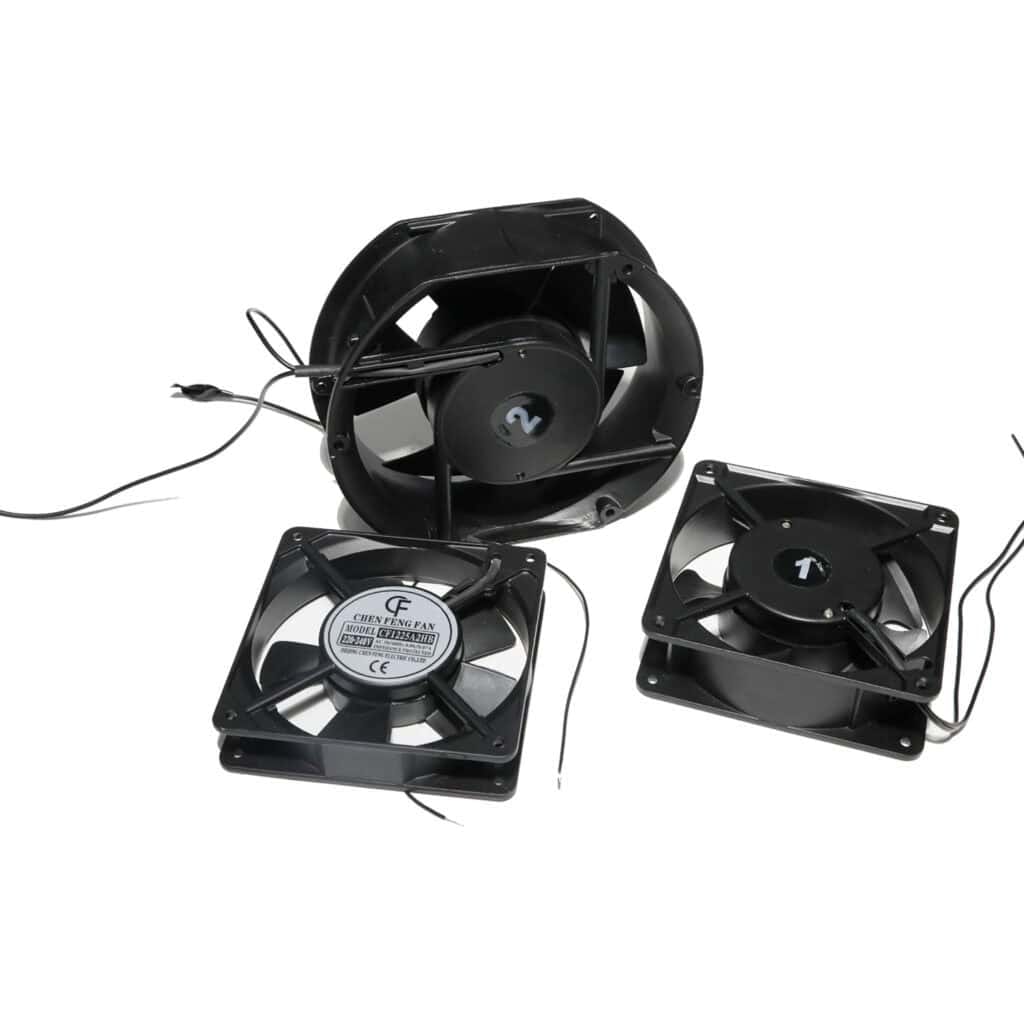
| Fan Motor | Axial fan motor | Voltage, frequency, airflow, speed, noise requirement |
| Tuyauterie de fluide frigorigène | Tubage spécifique au projet | Material, diameter, routing, brazed joints |
| Mounting Base | Metal base plate | Dimensions, mounting holes, vibration requirements |
| Electrical Components | Dépend du projet | Starting device, capacitor, protector, controller |
| Refrigerant Components | Dépend du projet | Filter drier, receiver, service valve, accumulator or other components |
| Connexions | Personnalisé | Suction/liquid line size, position, direction and installation clearance |
Component brands, materials, electrical devices, refrigerant accessories, and connection arrangements should be confirmed during the RFQ and drawing-approval stages.
Compact design for refrigeration cabinets
Commercial refrigerators and freezers often have limited space for the refrigeration system. The condensing unit therefore needs to be matched closely with the cabinet structure, ventilation path, and service area.
Important mechanical and airflow considerations include:
- Overall width, height, and depth
- Compressor position
- Condenser face area
- Fan size and airflow direction
- Air inlet and outlet clearance
- Suction and liquid line positions
- Electrical connection location
- Mounting-hole pattern
- Vibration isolation
- Service accessibility
- Clearance from cabinet panels and other components
A compact outside dimension alone does not determine whether a condensing unit is suitable for a particular refrigerator or freezer.
How to select a refrigerator or freezer condensing unit
For a new OEM refrigeration project, provide the following information for engineering review:
- Equipment application: refrigerator, freezer, display cabinet, beverage cooler, reach-in cabinet, or other refrigeration equipment.
- Cooling requirement: required refrigeration capacity, cabinet volume, product load, and expected operating range.
- Conditions de fonctionnement : cabinet temperature, evaporating temperature, condensing temperature, ambient temperature, and expected maximum operating condition.
- Fluide frigorigène : refrigerant designation and any project-specific refrigerant requirements.
- Compressor requirements: preferred compressor model or brand, capacity, displacement, voltage, frequency, and operating envelope where specified.
- Condenser and airflow: required heat-rejection duty, fan configuration, airflow direction, ventilation openings, and available air-side clearance.
- Installation envelope: maximum width, height, depth, mounting-hole locations, piping exits, and service space.
- Electrical requirements: voltage, frequency, phase, starting components, protection devices, and control interface.
- Quality requirements: leakage testing, electrical inspection, dimensional inspection, labeling, traceability, and packaging requirements.
- Commercial information: sample quantity, estimated annual volume, SKU mix, destination market, and requested delivery schedule.
Compressor and refrigerant matching
The compressor is a key component of the condensing unit, but compressor selection should be based on the actual refrigeration operating conditions rather than nominal horsepower alone.
The following should be reviewed together:
- Fluide frigorigène
- Capacité de refroidissement requise
- Température d'évaporation
- Température de condensation
- Suction condition
- Température ambiante
- Tension et fréquence
- Enveloppe de fonctionnement du compresseur
- Expected load range
- Starting and protection requirements
If the buyer specifies a compressor model, Domi can review the surrounding condenser, fan, piping, base, and accessory configuration according to the project requirements.
Condenser and airflow review
The condenser must reject the heat generated by the refrigeration system under the specified operating conditions. Condenser size, fan airflow, ventilation openings, and installation clearance therefore need to be considered together.
Restricted airflow, hot-air recirculation, insufficient ventilation clearance, or unsuitable fan selection can affect condensing conditions and system performance.
For cabinet-integrated condensing units, provide the cabinet ventilation arrangement or installation drawing whenever possible.
Développement d’unités de condensation OEM et personnalisées
For refrigerator and freezer manufacturers, the condensing unit often needs to fit a specific cabinet platform rather than a universal installation space.
Domi prend en charge Projets d’unités de condensation OEM et ODM based on:
- Plans du client
- Existing samples
- Required refrigeration capacity
- Dimensions du coffret
- Fluide frigorigène
- Exigences pour le compresseur
- Condenser configuration
- Fan and airflow requirements
- Spécifications électriques
- Raccordements du réfrigérant
- Mounting interfaces
- Quantité de production cible
Before mass production, the component list, drawing revision, key dimensions, electrical specification, piping arrangement, inspection requirements, and sample approval criteria should be confirmed.
Revue de fabrication et de qualité
Depending on the configuration, the manufacturing and assembly process may include condenser production, tube forming, brazing, compressor installation, fan assembly, refrigeration piping assembly, electrical component installation, leakage testing, inspection, and packing.
For project-specific orders, the buyer and Domi should confirm the required:
- Component specifications
- Inspection dimensionnelle
- Test de fuite du circuit frigorifique
- Inspection électrique
- Inspection des joints brasés
- Compressor and fan identification
- Étiquetage et traçabilité
- Packaging protection
- Inspection records
Test conditions, sampling plans, and acceptance criteria should be defined according to the approved project specification.
Revue du dessin, de l’échantillon et du devis
For an accurate quotation, provide as much of the following information as available:
- Existing condensing unit photos or sample
- Equipment model and application
- Overall dimensions and installation drawing
- Capacité de refroidissement requise
- Fluide frigorigène
- Conditions d’évaporation et de condensation
- Température ambiante
- Compressor model or preferred specification
- Tension et fréquence
- Condenser and fan requirements
- Suction and liquid connection sizes and positions
- Mounting-hole locations
- Required refrigeration and electrical accessories
- Quantité annuelle estimée
- Exigences d'emballage et d'étiquetage
- Marché de destination
MOQ, lead time, component brands, tooling, packaging, certificates, and test documentation are project-dependent and should be confirmed during quotation.
Vérifications de remplacement et de compatibilité
A replacement condensing unit is not automatically interchangeable because two units use compressors with similar capacities or have similar outside dimensions.
Differences in refrigerant, compressor operating envelope, condenser capacity, fan airflow, electrical specification, piping connections, mounting locations, and control components can affect compatibility.
Pour les projets de remplacement, comparez :
- Fluide frigorigène
- Capacité de refroidissement
- Compressor specification
- Conditions d’évaporation et de condensation
- Tension et fréquence
- Condenser configuration
- Débit d’air du ventilateur
- Suction and liquid connections
- Dimensions globales
- Mounting points
- Electrical components
- Cabinet ventilation
Send the existing unit information, equipment interface, and operating conditions for review before approving a replacement.
FAQ
What is a refrigeration condensing unit?
A refrigeration condensing unit is an assembly containing the compressor and condenser-side components of a refrigeration system. Depending on the design, it may include the compressor, air-cooled condenser, fan motor, refrigerant piping, mounting base, and additional refrigeration or electrical components.
What equipment can this compact condensing unit be used for?
Typical applications include commercial refrigerators, freezers, display refrigerators, beverage coolers, reach-in cabinets, and other commercial refrigeration equipment. Final suitability depends on the required capacity and system operating conditions.
Can Domi customize the condensing unit?
Yes. The compressor, condenser, fan, piping arrangement, base dimensions, mounting points, connections, and additional components can be reviewed according to customer drawings and project requirements.
Can I specify the compressor?
Yes. If you already have a preferred compressor model or specification, provide it with the operating conditions. The remaining condensing unit configuration can then be reviewed around the compressor and equipment requirements.
How do I select the correct cooling capacity?
Cooling capacity should be evaluated at the actual evaporating and condensing conditions for the refrigeration system. Compressor horsepower or displacement alone should not be used to determine system capacity.
Can you manufacture a replacement unit from a sample?
An existing unit can be used as a reference for dimensional and component review. Refrigerant, cooling capacity, operating temperatures, electrical specifications, and equipment interfaces should also be provided to verify compatibility.
Les quantités minimales de commande (MOQ) et les délais sont-ils fixes ?
No. MOQ and lead time depend on the compressor and component selection, customization requirements, order quantity, testing requirements, and current production schedule.
Quelles informations dois-je envoyer pour obtenir un devis ?
Send the equipment application, required cooling capacity, refrigerant, evaporating and condensing conditions, compressor requirement, voltage and frequency, overall dimensions, piping connections, drawing or sample information, estimated quantity, and destination market.
Demander un devis personnalisé
Pour une commercial refrigerator or freezer condensing unit project, send Domi Refrigeration your equipment specifications, drawing or existing sample, required cooling capacity, refrigerant, operating conditions, compressor requirements, electrical specifications, and estimated quantity.
Domi peut examiner le compressor, condenser, fan motor, refrigerant piping, mounting base, and related components as an integrated assembly to develop a compact condensing unit matched to your commercial refrigeration equipment.
Obtenez des informations sur les produits pour votre projet
Envoyez le modèle de produit, les plans, des photos d'échantillons, la quantité ou les exigences de l'application. Notre équipe examinera les informations et vous aidera à confirmer les options appropriées, les données techniques et les détails du devis.