Cabinet envelope and installation space
Verificación: Provide overall dimensions, fixing points, tube routing, airflow direction and service clearance
Considerar: Prevents a replacement part from interfering with the cabinet or adjacent components.

Componentes de refrigeración para refrigeradores, congeladores y electrodomésticos compactos.
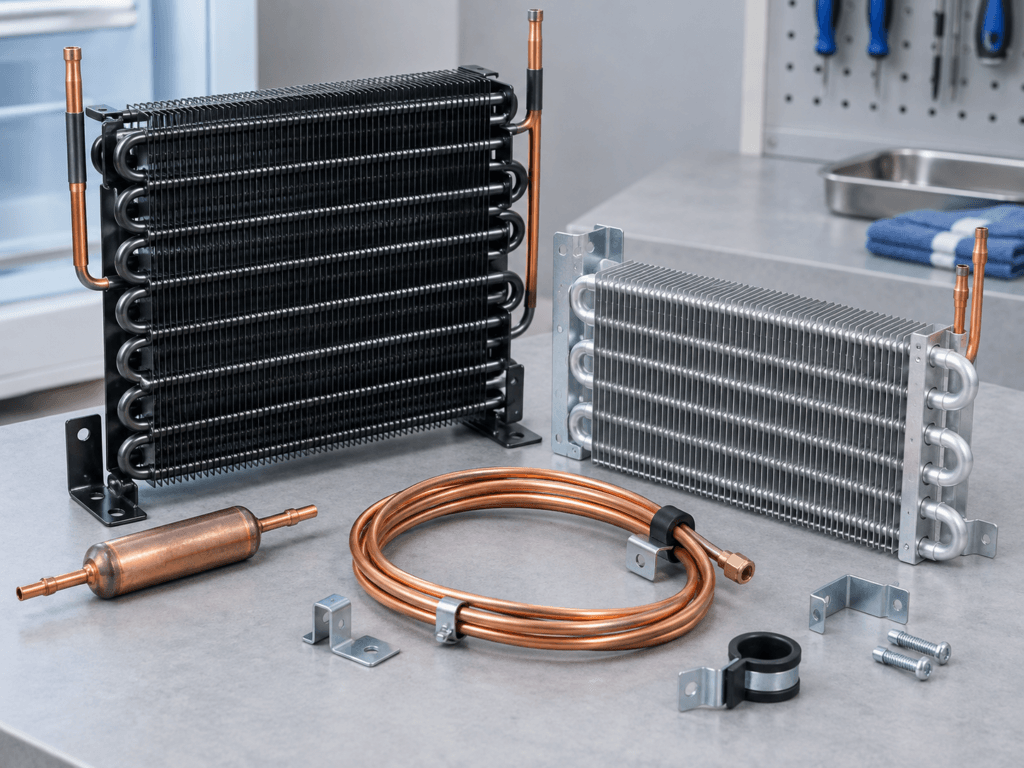
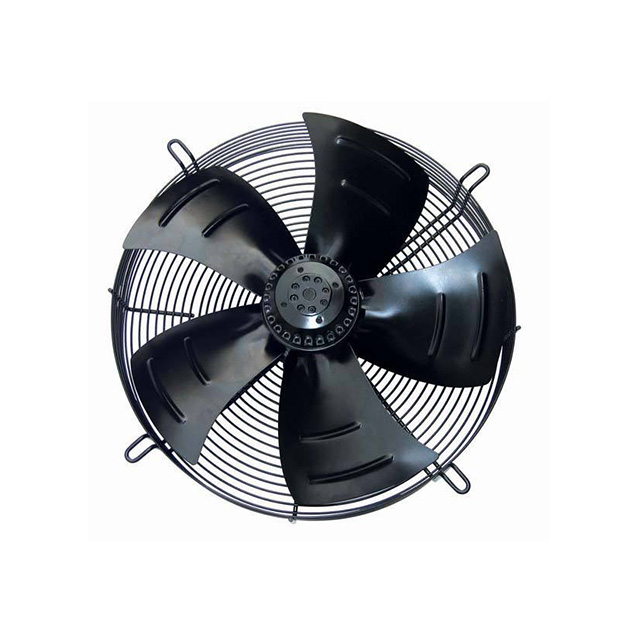
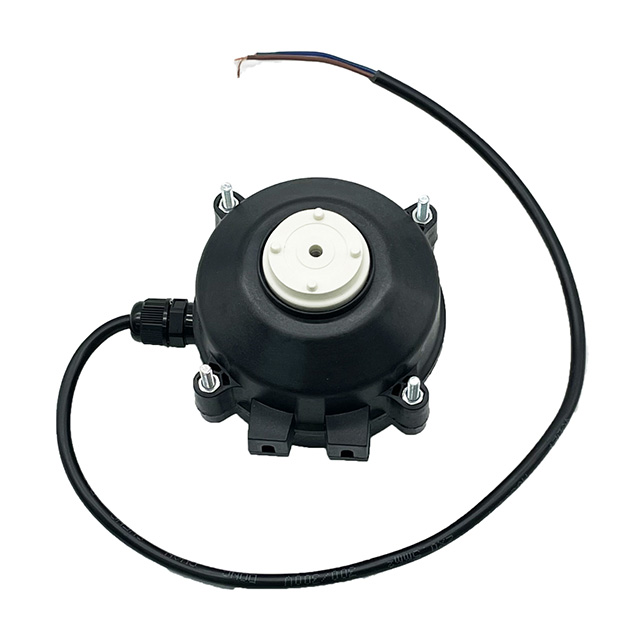
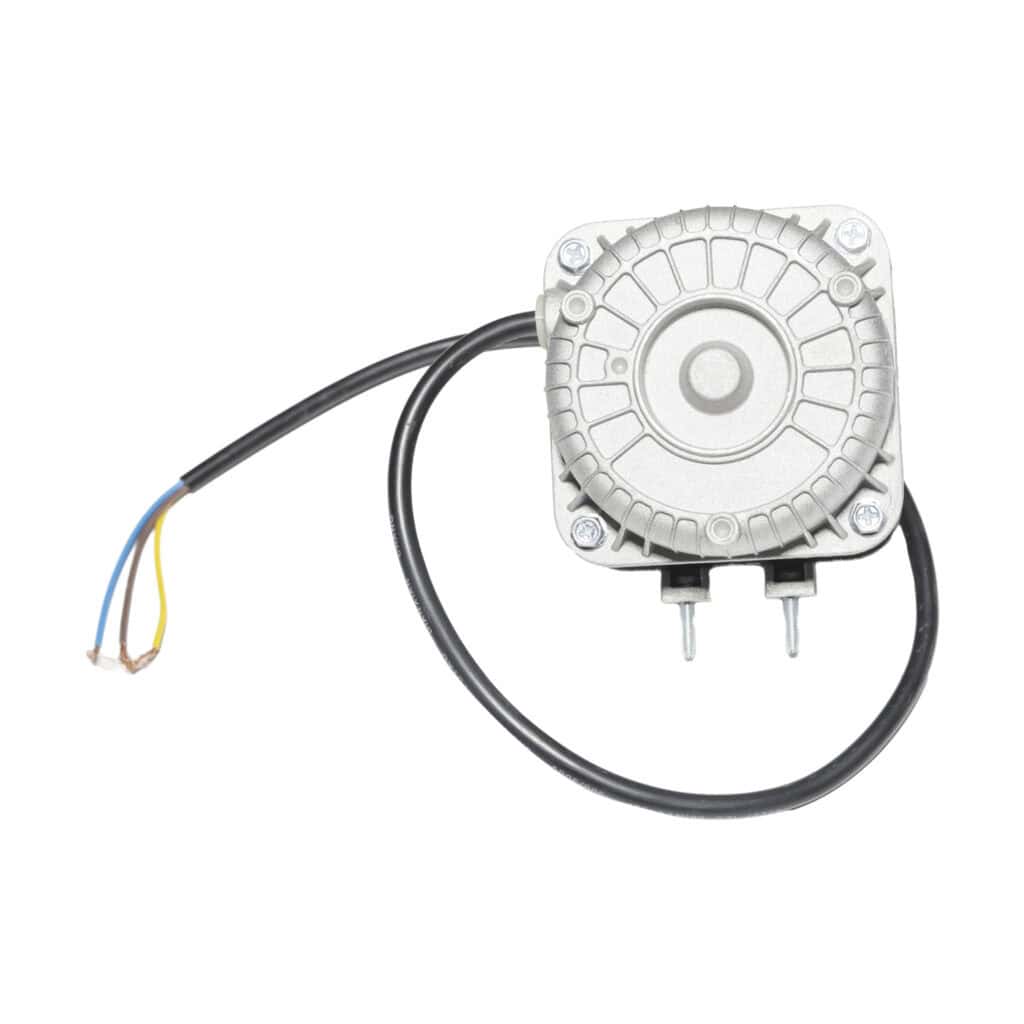
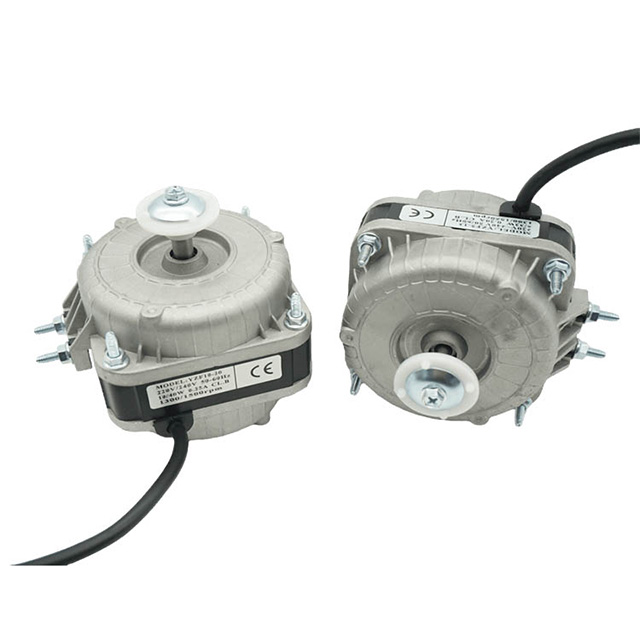
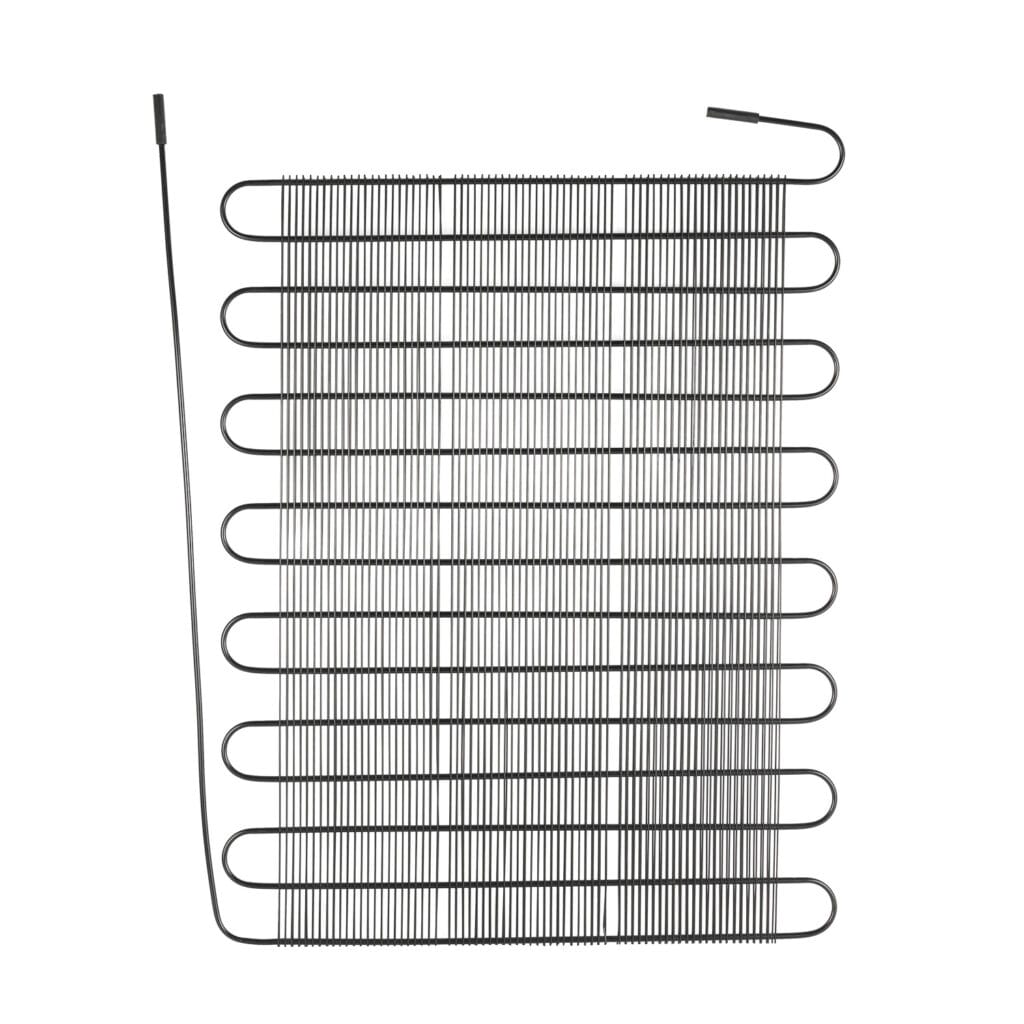
Residential refrigeration covers components used in household refrigerators, freezers and compact appliances. Domi's published residential range includes wire tube condensers, fan blades and fan motor examples. For a useful replacement or OEM review, provide the cabinet envelope, existing part reference, heat-rejection arrangement, fan and motor interface, electrical supply, and required quantity. A visual match is only a starting point; dimensions, mounting points, wiring and operating conditions should be checked before approval.
Mostrando todos los 9 resultados

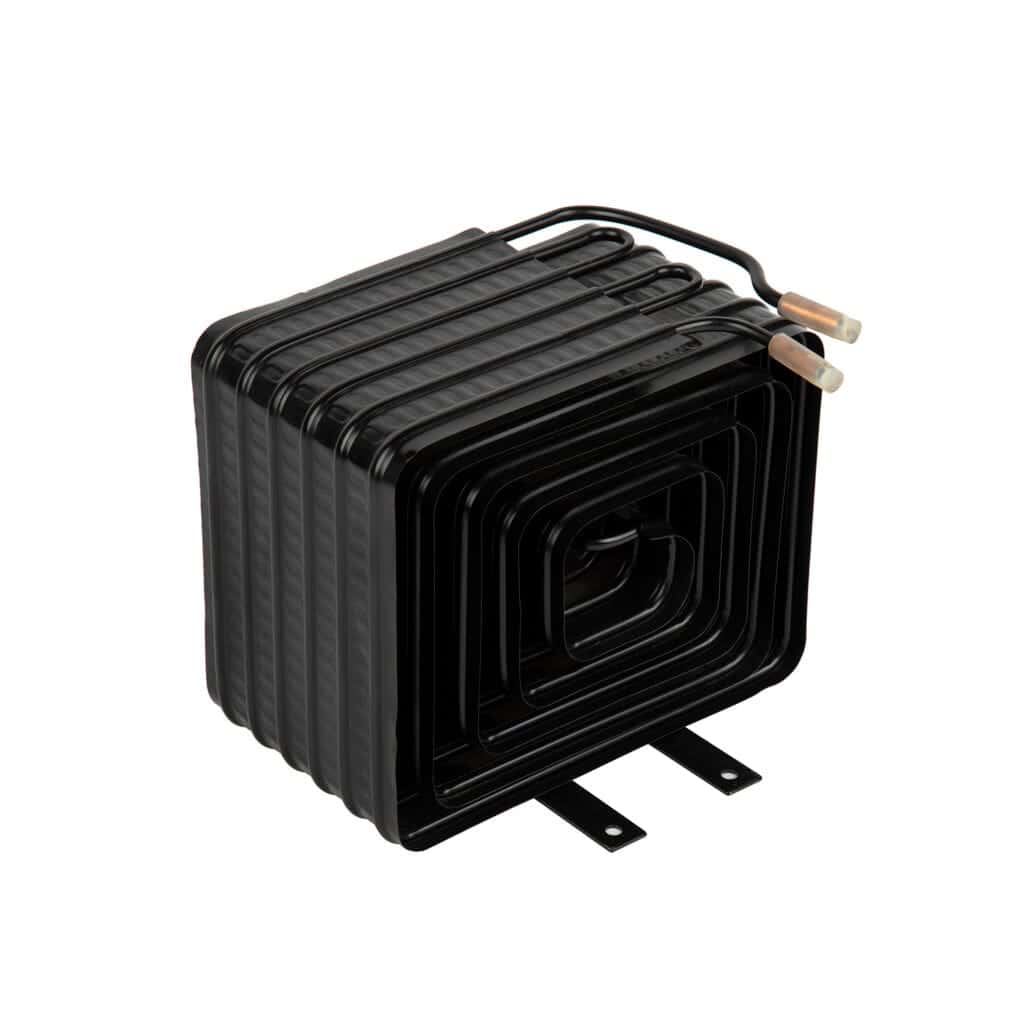
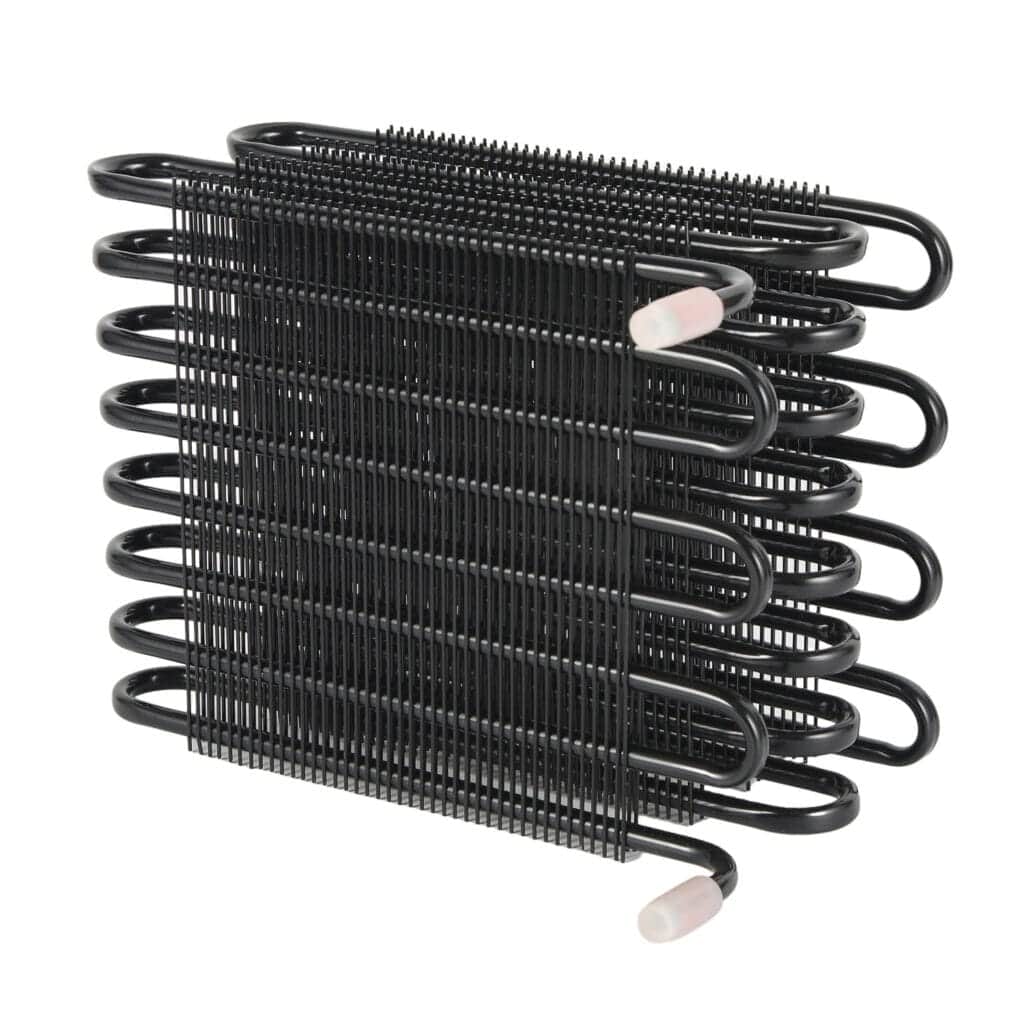
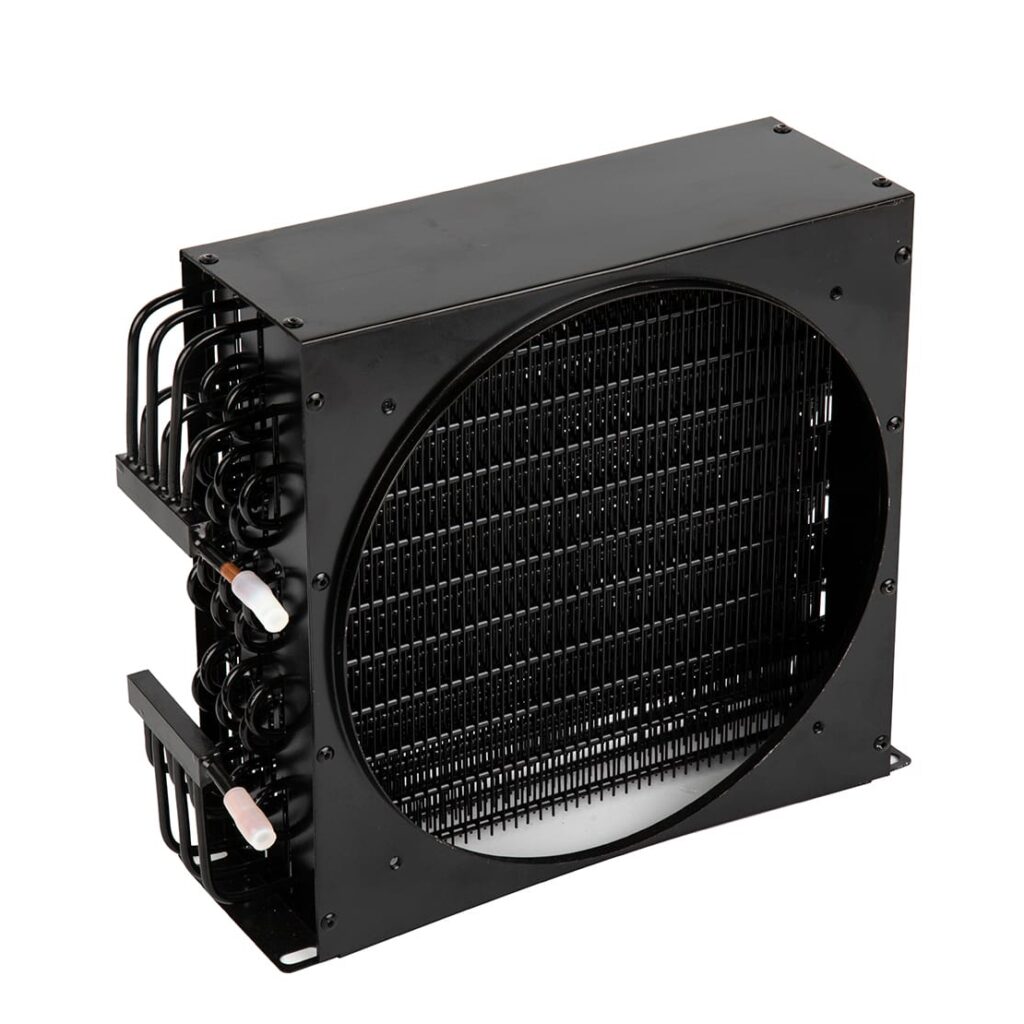
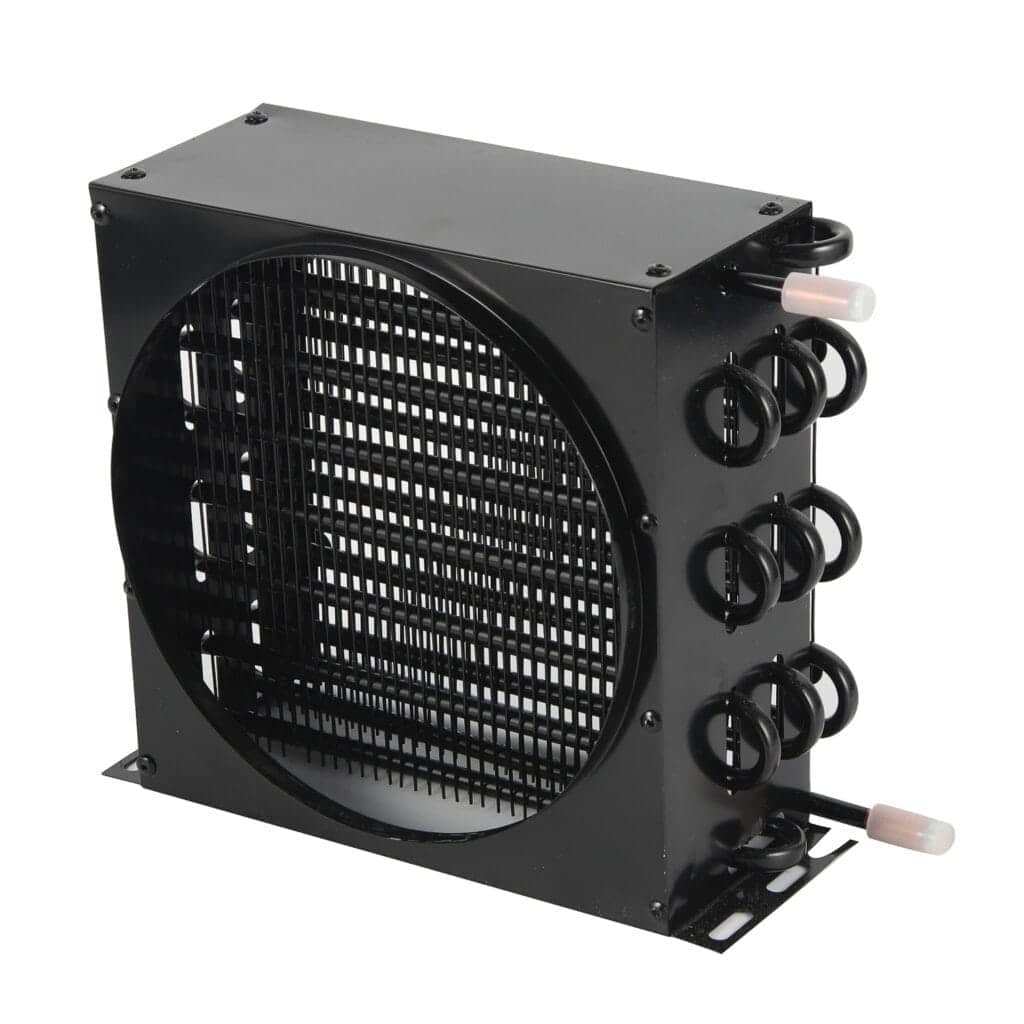
Residential refrigeration components must fit a compact appliance envelope and match the original mounting and connection arrangement. Use the product view to compare the general form, then confirm dimensions, tube or port locations, electrical inputs and replacement interfaces before ordering.

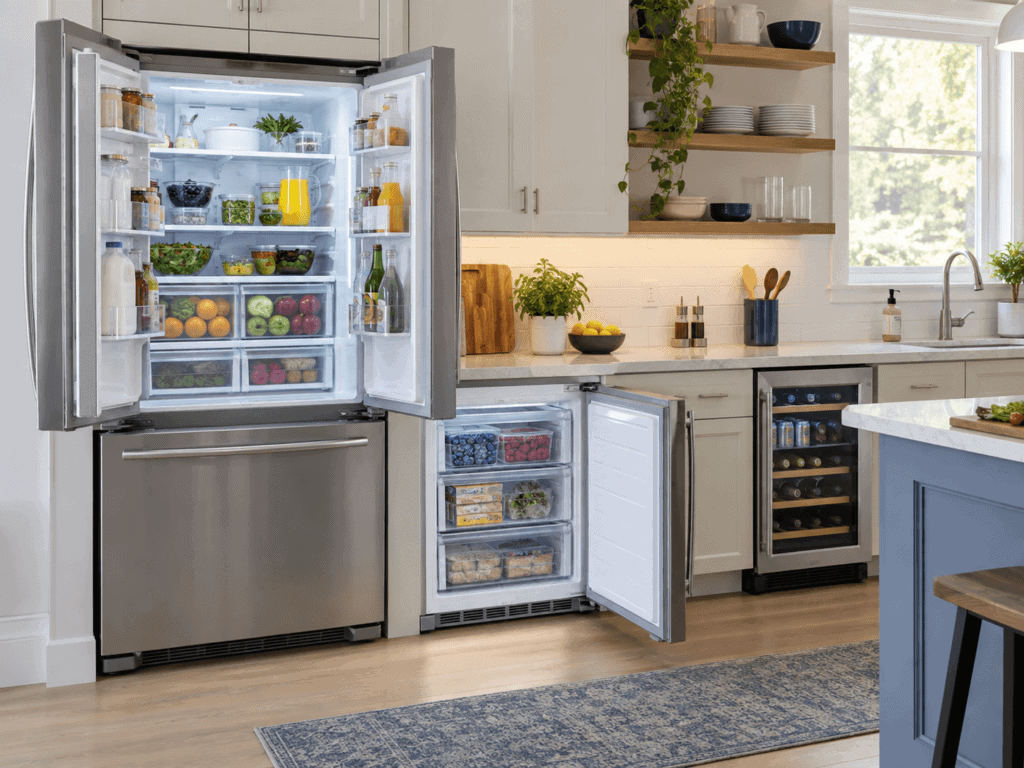
The application view shows how a component may sit within a household refrigerator, freezer or compact appliance. Buyers should confirm the appliance model or drawing, available space, airflow path, operating temperature and connector details so the replacement is reviewed against the actual assembly.
Verificación: Provide overall dimensions, fixing points, tube routing, airflow direction and service clearance
Considerar: Prevents a replacement part from interfering with the cabinet or adjacent components.

Verificación: Confirm the condenser position, ventilation opening, ambient condition and fan arrangement
Considerar: Helps the selected condenser, blade and motor work with the appliance layout.
Verificación: Share voltage, frequency, connector or lead details, speed requirement and fan geometry
Considerar: Confirms that the motor and fan can be reviewed as an assembly rather than as isolated parts.
The published residential range includes single-layer, multilayer, plate and sheet-metal wire tube condenser examples. Confirm the exact tube layout, support, coating, mounting and connection details from the drawing or sample.
Fan blades, EC motors and shaded pole motors may be evaluated together because airflow, shaft or hub geometry, mounting and wiring all affect fit.
Match the old part by dimensions, fixing points, wire or tube positions and appliance application; do not rely on the product title alone.
| Parámetro | Información a proporcionar | Por qué es importante |
|---|---|---|
| Appliance and application | Refrigerator, freezer, compact appliance or other equipment | Establishes the installation context and expected operating conditions. |
| envolvente general | Length, width, height, bend positions and fixing points | Confirms physical fit and service clearance. |
| Heat-rejection arrangement | Condenser position, ventilation opening, ambient condition and airflow direction | Helps review the condenser and fan interface. |
| Electrical details | Voltage, frequency, connector, lead length, speed or control requirement | Supports motor and wiring compatibility review. |
| Reference information | Existing part number, drawing revision, photos and quantity | Reduces ambiguity during replacement or OEM quotation. |
| Área de selección | Qué cambia | Confirmar antes de elegir |
|---|---|---|
| Single-layer vs multilayer wire tube layout | The published product names show different tube-layer arrangements and packaging approaches | Compare available space, heat rejection, mounting and the approved drawing. |
| Shaded pole motor vs EC motor | These use different motor and control approaches | Confirm supply, control method, speed, mounting, fan geometry and required load. |
| Wire tube condenser vs fan-assisted assembly | The condenser provides the heat-rejection surface while the fan assembly affects airflow | Confirm cabinet ventilation, fan location, noise requirements and electrical interface. |
Components are selected around a compact cabinet, fixed mounting points and a defined airflow path
Confirme: Send cabinet or old-part dimensions, photos and electrical details.
Lower-temperature operation can change airflow, frost and defrost considerations
Confirme: Confirm target condition, ventilation, fan arrangement and defrost context.
Small equipment leaves less room for bends, connectors and service access
Confirme: Provide the available envelope, interface locations and expected quantity.
Confirme el plano aprobado o la referencia física antes de iniciar la producción.
Request confirmation of dimensions, fixing points, tube positions, connector details and lead routing.
Agree the applicable electrical, rotation, noise or functional checks for the quoted configuration; do not assume a test item that has not been confirmed.
Send the part number, drawing revision, photos and marked dimensions
Por qué importa: Gives the team a traceable starting point.
State refrigerator, freezer or compact-appliance application and target operating condition
Por qué importa: Helps distinguish visually similar components.
Provide mounting points, tube or wire positions, connector, fan hub or blade information
Por qué importa: Enables fit and assembly review.
Share quantity, packaging constraints and any required inspection record
Por qué importa: Helps prepare an accurate quotation response.
A photo helps identify the family, but dimensions, mounting points, tube positions, airflow arrangement and the old part reference are needed for a reliable review.
Send voltage and frequency, connector or lead details, mounting dimensions, shaft or hub information, fan geometry and the appliance application.
Compare the available envelope, heat-rejection arrangement, mounting and approved drawing; the layer description alone does not establish suitability.
Yes. Provide the cabinet layout and airflow path so the heat-rejection component and fan interface can be checked as one assembly.
No. Final suitability should be confirmed against the current drawing, sample and operating requirements.
Use this overview to identify the condenser, evaporator, fan and motor roles before preparing an RFQ.
Use it to organize condenser type, airflow and replacement questions.
Use it to separate a component replacement request from an airflow or defrost diagnosis.
Una solicitud de cotización (RFQ) clara ayuda al equipo a revisar la categoría, la construcción y la interfaz correctas. Utilice la siguiente lista de verificación como un punto de partida práctico y, a continuación, proporcione los detalles específicos de la categoría que se muestran arriba.
Indique el equipo, la condición de destino, el entorno ambiental y la capacidad esperada.
Comparta dimensiones, puntos de montaje, conexiones, dirección del flujo de aire y espacios libres para servicio.
Para ventiladores y motores, incluya voltaje, frecuencia, señal de control, sentido de giro y cableado.
Adjunte la pieza antigua, plano o muestra e indique la cantidad, revisión y necesidades de documentación.
Comparta su aplicación, planos y requisitos operativos para que nuestro equipo pueda revisar los detalles de su proyecto.