COMPOSANTS DE RÉFRIGÉRATION

Residential Refrigeration

Refrigeration components for household refrigerators, freezers and compact appliances.

Visuels des produits et des applications

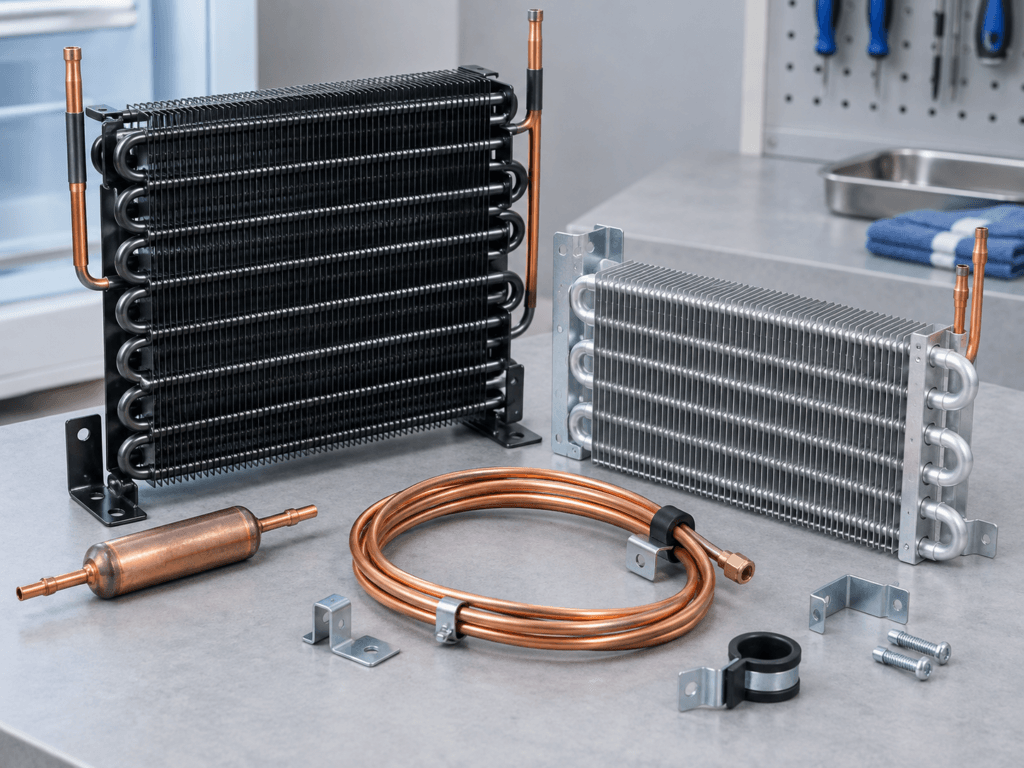
Illustrative visualization of Residential Refrigeration — Product and structure
Produit et structureVisualisation illustrative

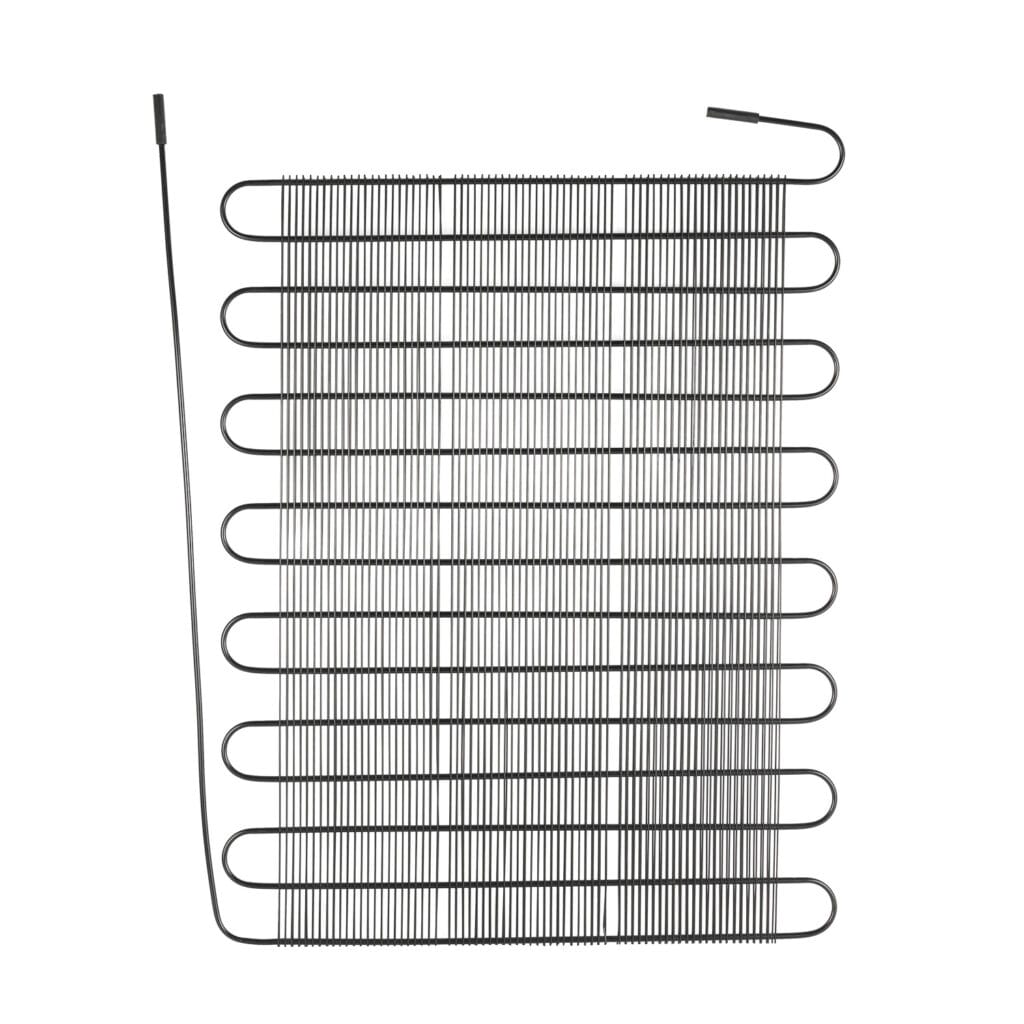
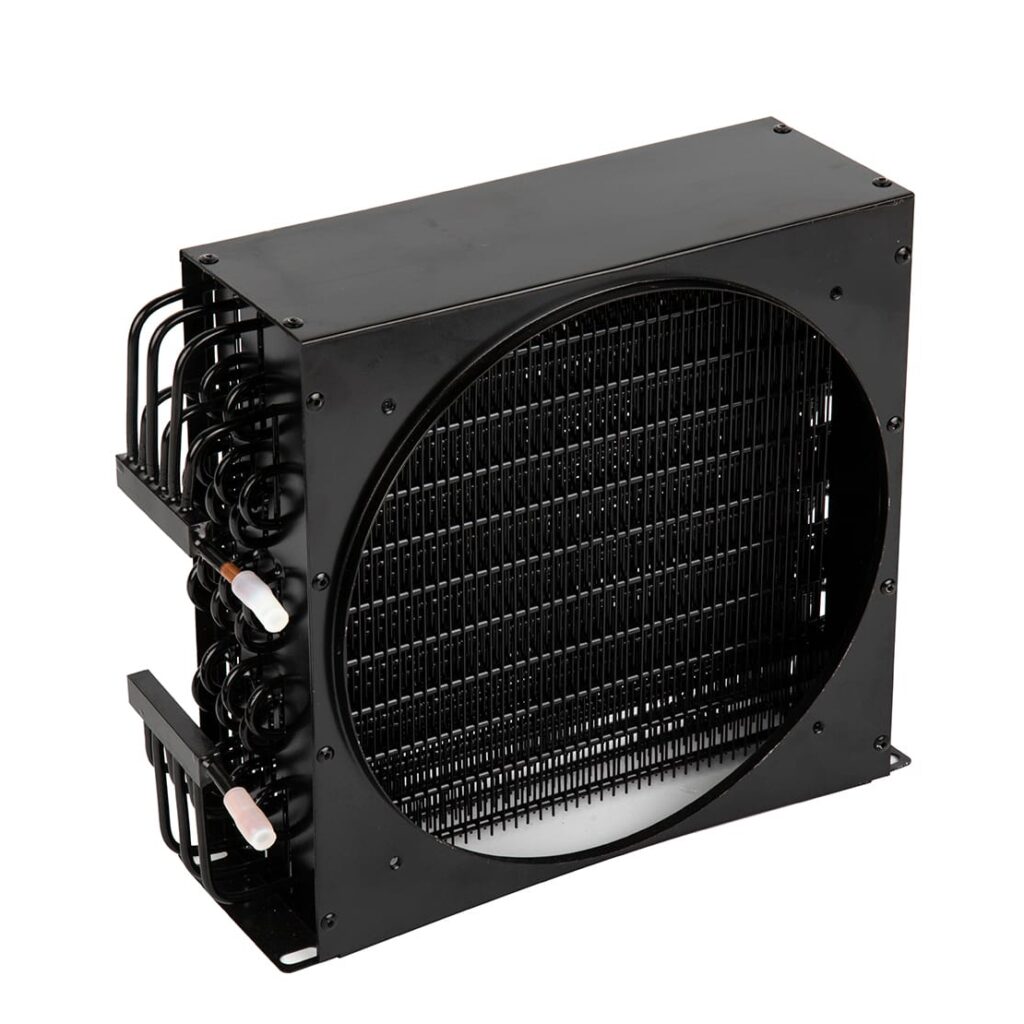
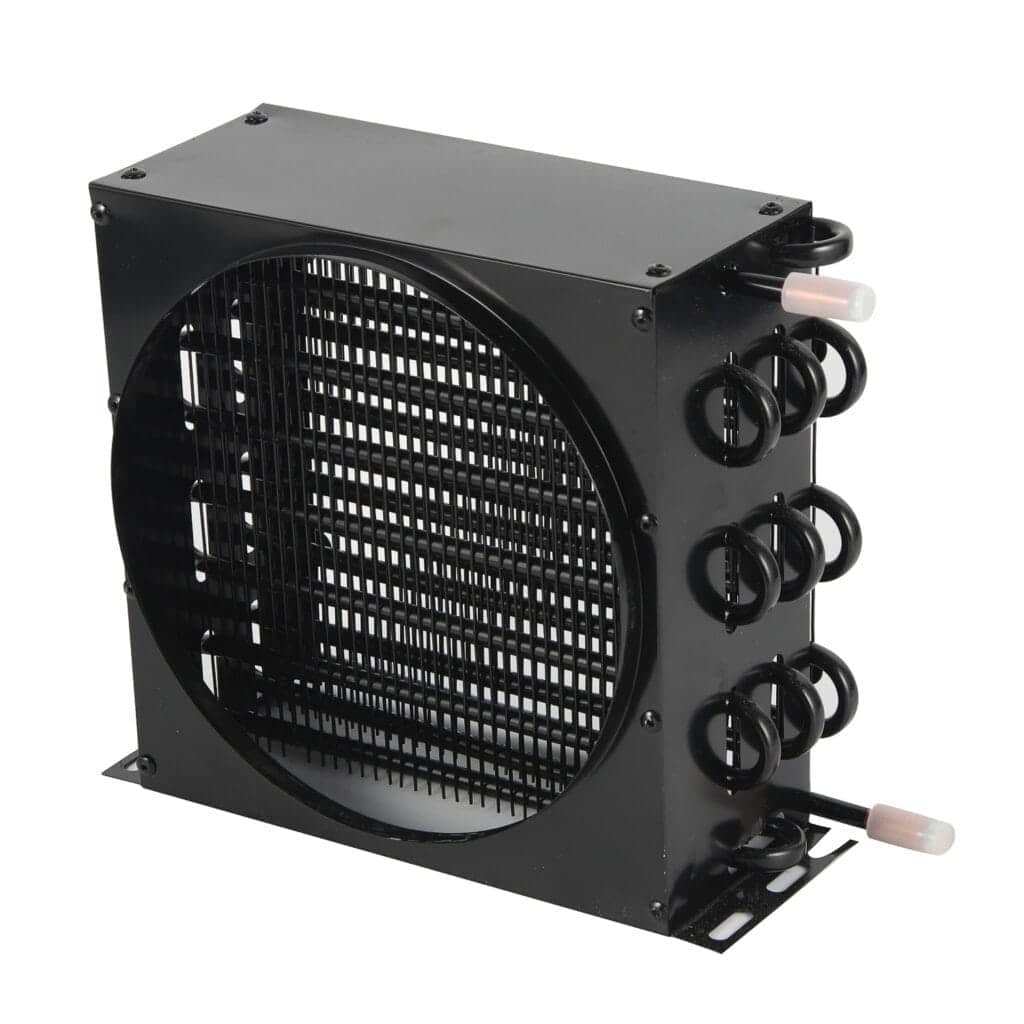
Residential refrigeration components must fit a compact appliance envelope and match the original mounting and connection arrangement. Use the product view to compare the general form, then confirm dimensions, tube or port locations, electrical inputs and replacement interfaces before ordering.

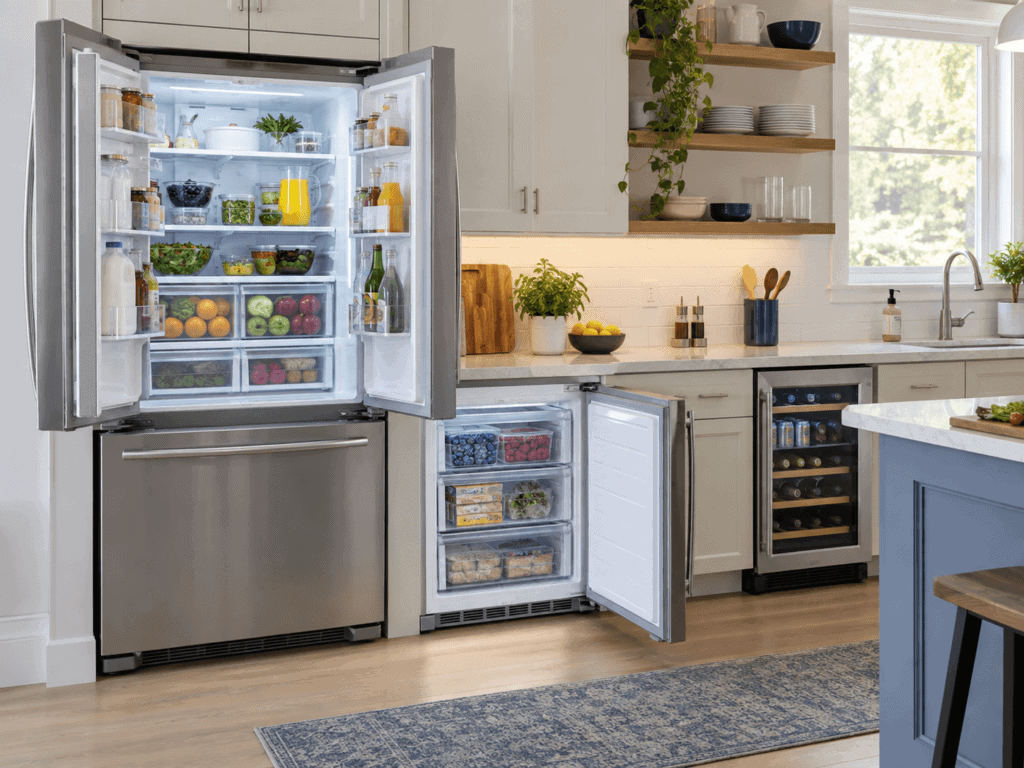
Illustrative visualization of Residential Refrigeration — Application context
Contexte d'applicationVisualisation illustrative

The application view shows how a component may sit within a household refrigerator, freezer or compact appliance. Buyers should confirm the appliance model or drawing, available space, airflow path, operating temperature and connector details so the replacement is reviewed against the actual assembly.

Residential Component Selection Questions

Cabinet envelope and installation space

Vérifier : Provide overall dimensions, fixing points, tube routing, airflow direction and service clearance

Considérer : Prevents a replacement part from interfering with the cabinet or adjacent components.


Heat rejection and airflow path

Vérifier : Confirm the condenser position, ventilation opening, ambient condition and fan arrangement

Considérer : Helps the selected condenser, blade and motor work with the appliance layout.

Electrical and motor interface

Vérifier : Share voltage, frequency, connector or lead details, speed requirement and fan geometry

Considérer : Confirms that the motor and fan can be reviewed as an assembly rather than as isolated parts.

Residential Component Structure and Interface Choices

Condenseur à tubes et fils

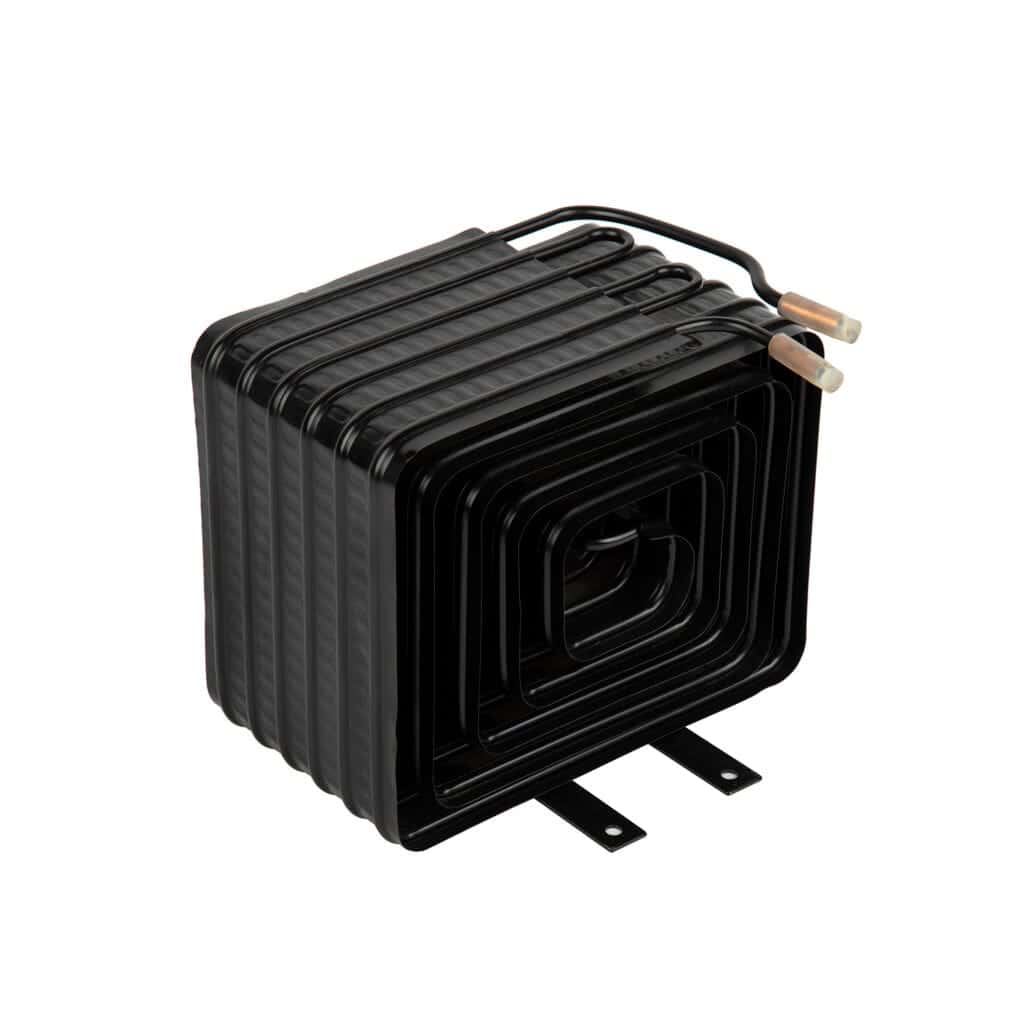
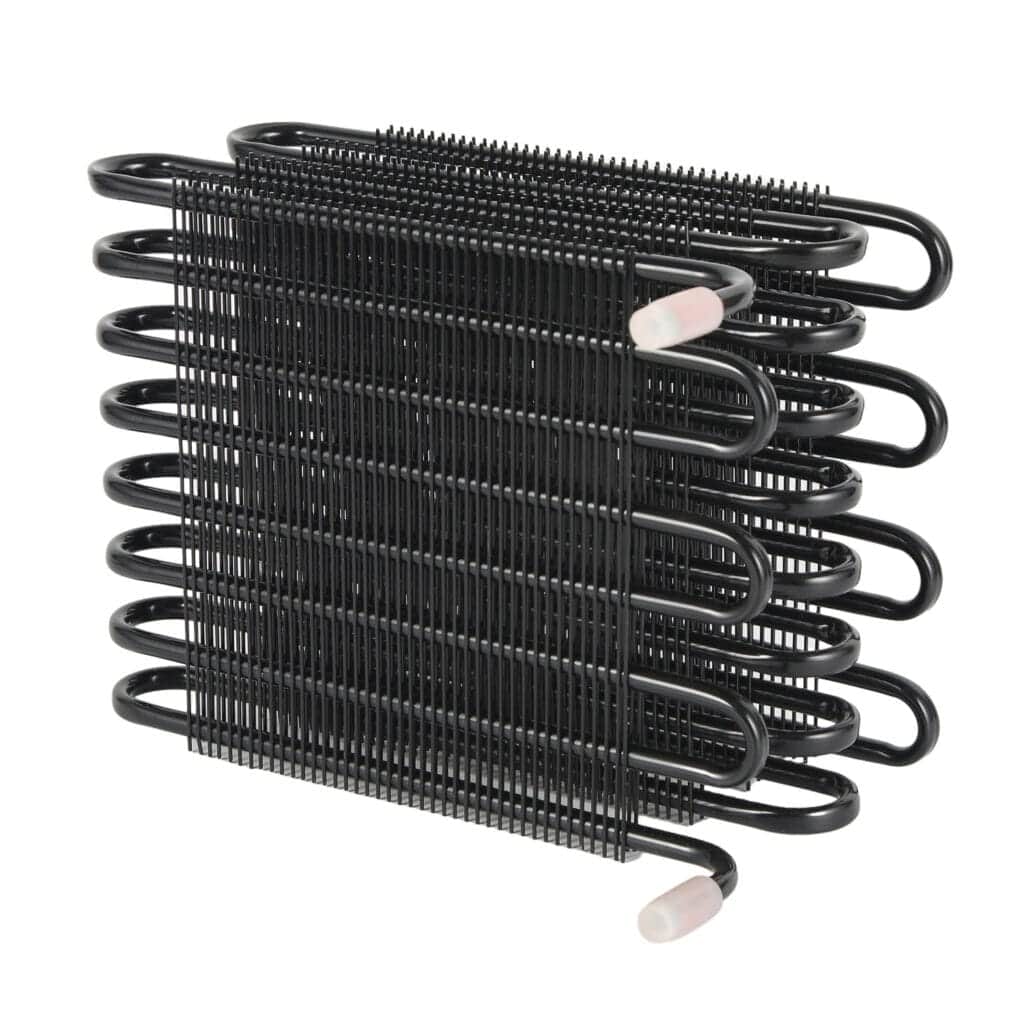
The published residential range includes single-layer, multilayer, plate and sheet-metal wire tube condenser examples. Confirm the exact tube layout, support, coating, mounting and connection details from the drawing or sample.

Fan and motor assembly

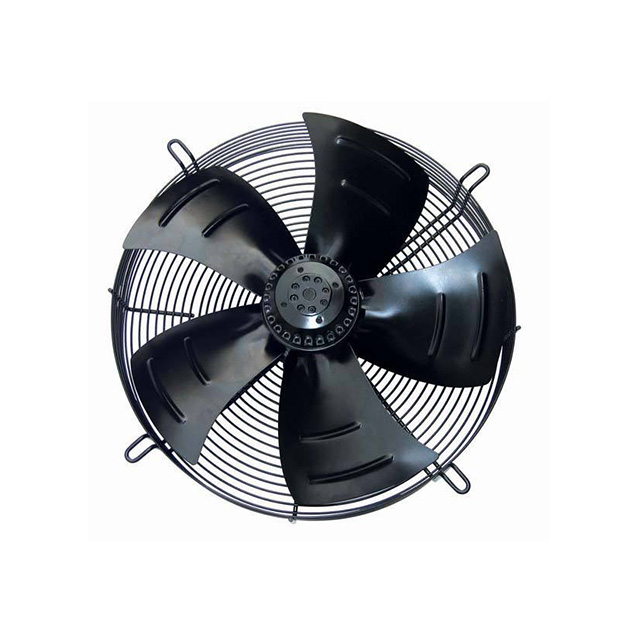
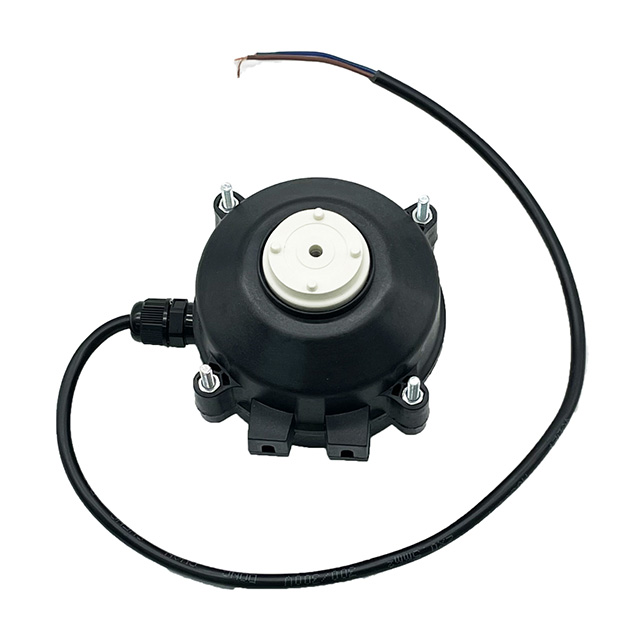
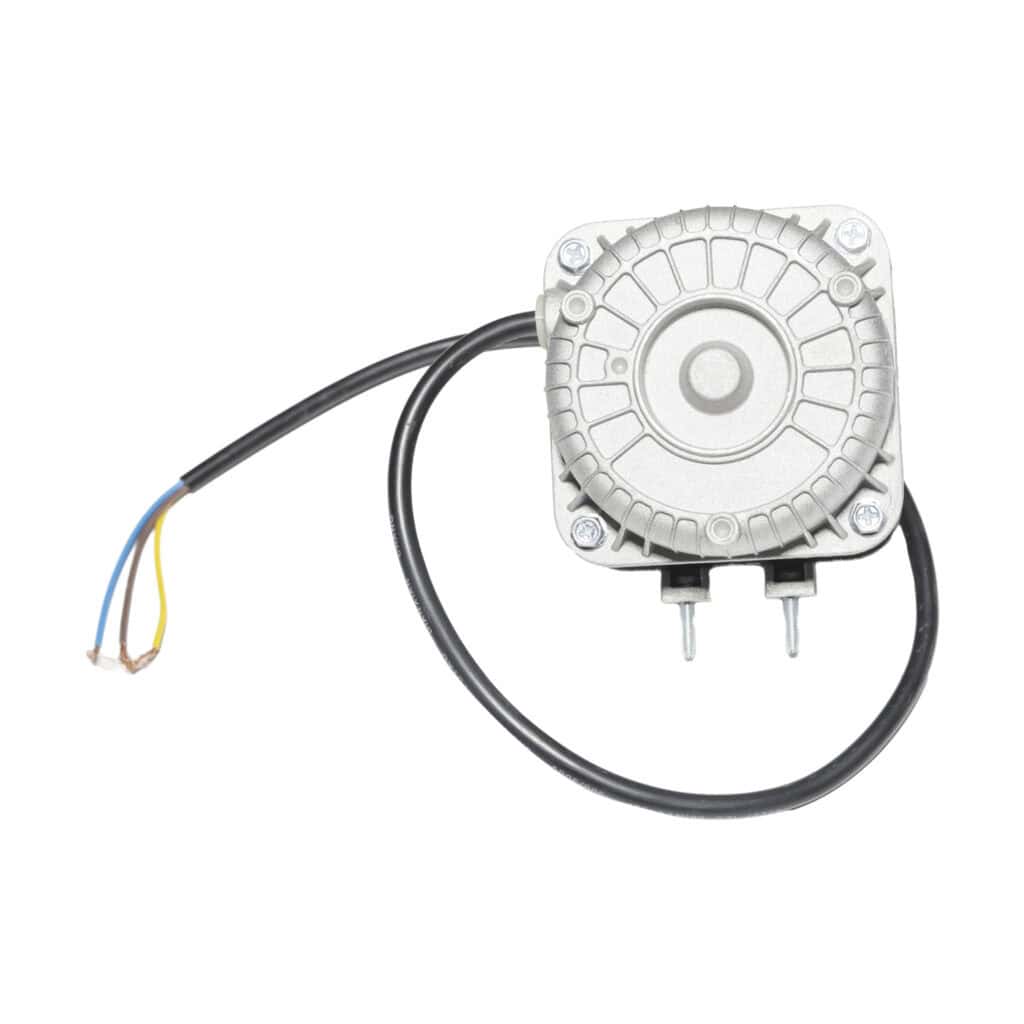
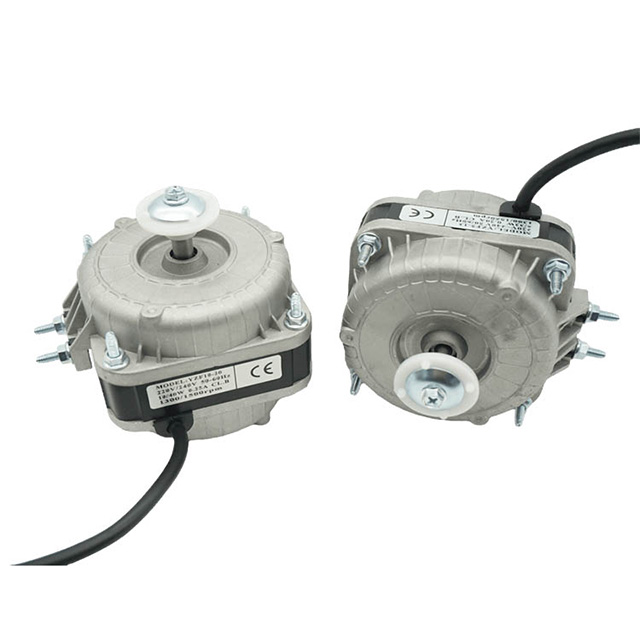
Fan blades, EC motors and shaded pole motors may be evaluated together because airflow, shaft or hub geometry, mounting and wiring all affect fit.

Replacement interface

Match the old part by dimensions, fixing points, wire or tube positions and appliance application; do not rely on the product title alone.

Residential Refrigeration RFQ Parameters

ParamètreInformations à fournirPourquoi c'est important
Appliance and applicationRefrigerator, freezer, compact appliance or other equipmentEstablishes the installation context and expected operating conditions.
Enveloppe globaleLength, width, height, bend positions and fixing pointsConfirms physical fit and service clearance.
Heat-rejection arrangementCondenser position, ventilation opening, ambient condition and airflow directionHelps review the condenser and fan interface.
Electrical detailsVoltage, frequency, connector, lead length, speed or control requirementSupports motor and wiring compatibility review.
Reference informationExisting part number, drawing revision, photos and quantityReduces ambiguity during replacement or OEM quotation.

Residential Motor and Condenser Choices to Compare

Zone de choixCe qui changeConfirmer avant de choisir
Single-layer vs multilayer wire tube layoutThe published product names show different tube-layer arrangements and packaging approachesCompare available space, heat rejection, mounting and the approved drawing.
Shaded pole motor vs EC motorThese use different motor and control approachesConfirm supply, control method, speed, mounting, fan geometry and required load.
Wire tube condenser vs fan-assisted assemblyThe condenser provides the heat-rejection surface while the fan assembly affects airflowConfirm cabinet ventilation, fan location, noise requirements and electrical interface.

Residential Refrigeration Applications

Réfrigérateurs domestiques

Components are selected around a compact cabinet, fixed mounting points and a defined airflow path

Confirmer : Send cabinet or old-part dimensions, photos and electrical details.

Household freezers

Lower-temperature operation can change airflow, frost and defrost considerations

Confirmer : Confirm target condition, ventilation, fan arrangement and defrost context.

Compact cooling appliances

Small equipment leaves less room for bends, connectors and service access

Confirmer : Provide the available envelope, interface locations and expected quantity.

Residential Component Verification Checklist

Drawing and sample match

Confirmez le dessin approuvé ou la référence physique avant la mise en production.

Vérifications dimensionnelles et d'interface

Request confirmation of dimensions, fixing points, tube positions, connector details and lead routing.

Motor and assembly verification

Agree the applicable electrical, rotation, noise or functional checks for the quoted configuration; do not assume a test item that has not been confirmed.

Information to Send for a Residential RFQ

Pièce existante ou dessin

Send the part number, drawing revision, photos and marked dimensions

Pourquoi c'est important : Gives the team a traceable starting point.

Appliance information

State refrigerator, freezer or compact-appliance application and target operating condition

Pourquoi c'est important : Helps distinguish visually similar components.

Interface details

Provide mounting points, tube or wire positions, connector, fan hub or blade information

Pourquoi c'est important : Enables fit and assembly review.

Quantité et documentation

Share quantity, packaging constraints and any required inspection record

Pourquoi c'est important : Helps prepare an accurate quotation response.

Residential Refrigeration Buyer FAQ

Can a residential condenser be matched from a photo?

A photo helps identify the family, but dimensions, mounting points, tube positions, airflow arrangement and the old part reference are needed for a reliable review.

What should I provide for a replacement fan motor?

Send voltage and frequency, connector or lead details, mounting dimensions, shaft or hub information, fan geometry and the appliance application.

How do I compare single-layer and multilayer wire tube condensers?

Compare the available envelope, heat-rejection arrangement, mounting and approved drawing; the layer description alone does not establish suitability.

Can the condenser and motor be reviewed together?

Yes. Provide the cabinet layout and airflow path so the heat-rejection component and fan interface can be checked as one assembly.

Are the published product titles a complete specification?

No. Final suitability should be confirmed against the current drawing, sample and operating requirements.

Residential Refrigeration Resources

LISTE DE CONTRÔLE DES AVIS D'ACHETEUR

Préparer les détails derrière un devis utile

Une demande de prix claire aide l'équipe à examiner la bonne catégorie, la construction et l'interface. Utilisez la liste de contrôle ci-dessous comme point de départ pratique, puis fournissez les détails spécifiques à la catégorie indiqués ci-dessus.

Application

Indiquez l'équipement, la condition cible, l'environnement ambiant et le service attendu.

Géométrie et interfaces

Partagez les dimensions, les points de fixation, les raccordements, la direction du flux d'air et les dégagements de service.

Électricité et commandes

Pour les ventilateurs et les moteurs, incluez la tension, la fréquence, le signal de commande, la rotation et le câblage.

Référence et quantité

Joignez l'ancienne pièce, le dessin ou l'échantillon et indiquez la quantité, la révision et les besoins en documentation.

SUPPORT TECHNIQUE POUR DEMANDE DE PRIX

Discutez de vos besoins en matière de réfrigération

Partagez votre application, vos dessins et vos exigences de fonctionnement afin que notre équipe puisse examiner les détails de votre projet.

Retour en haut