

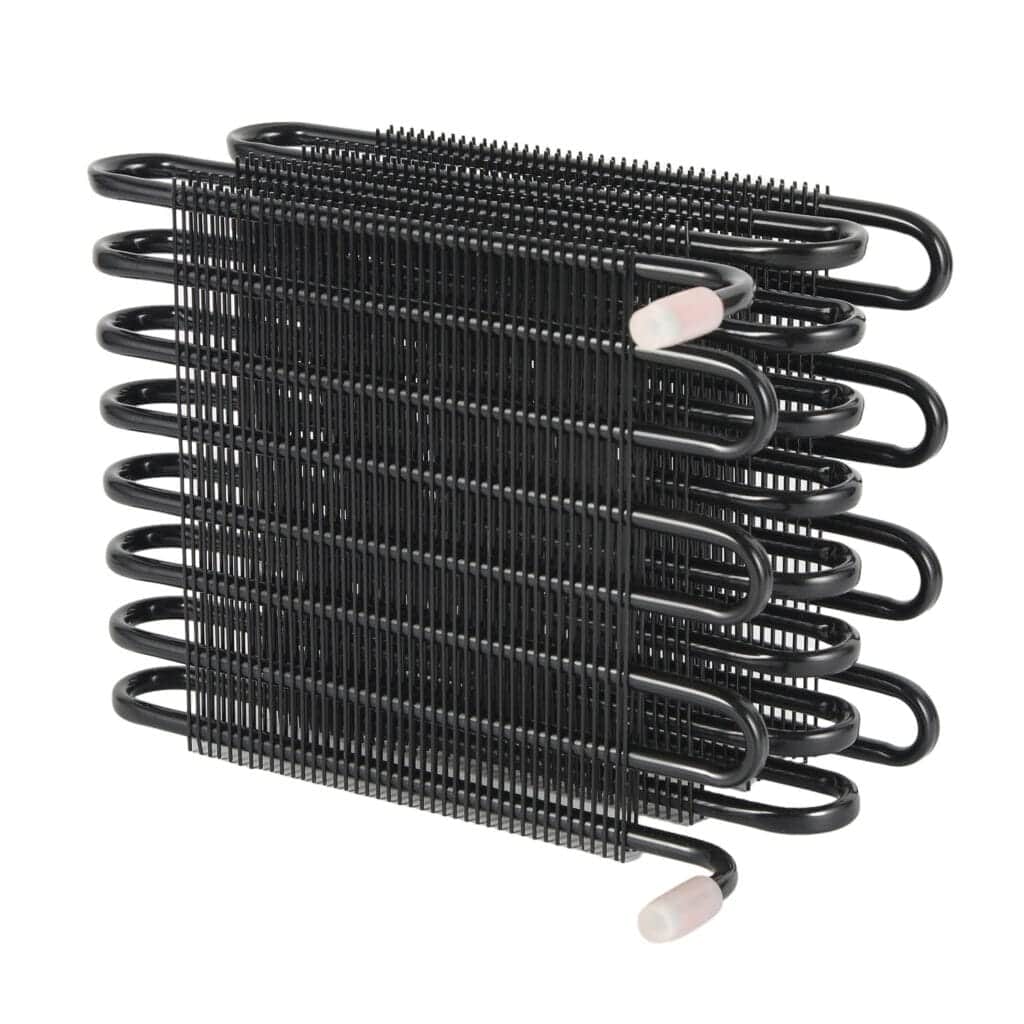
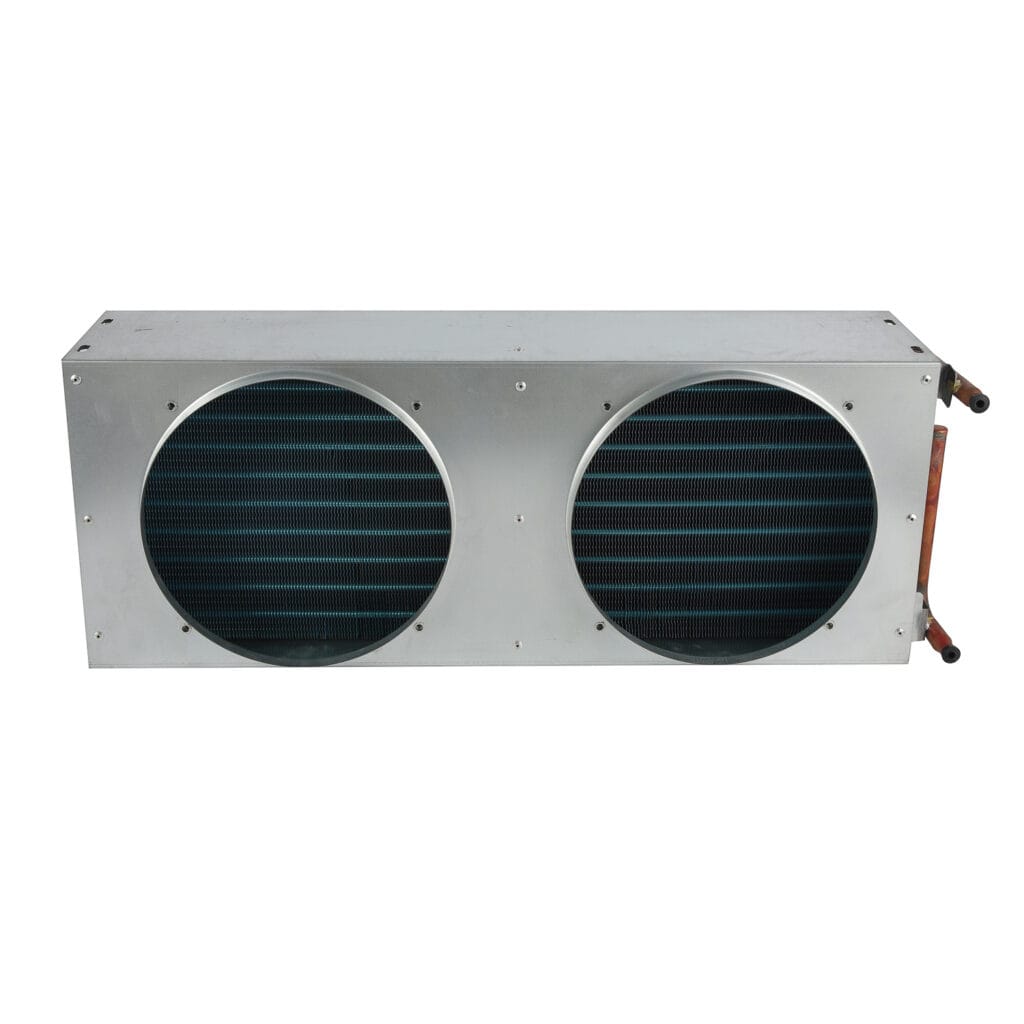
Fin Type Large Copper Tube Condenser
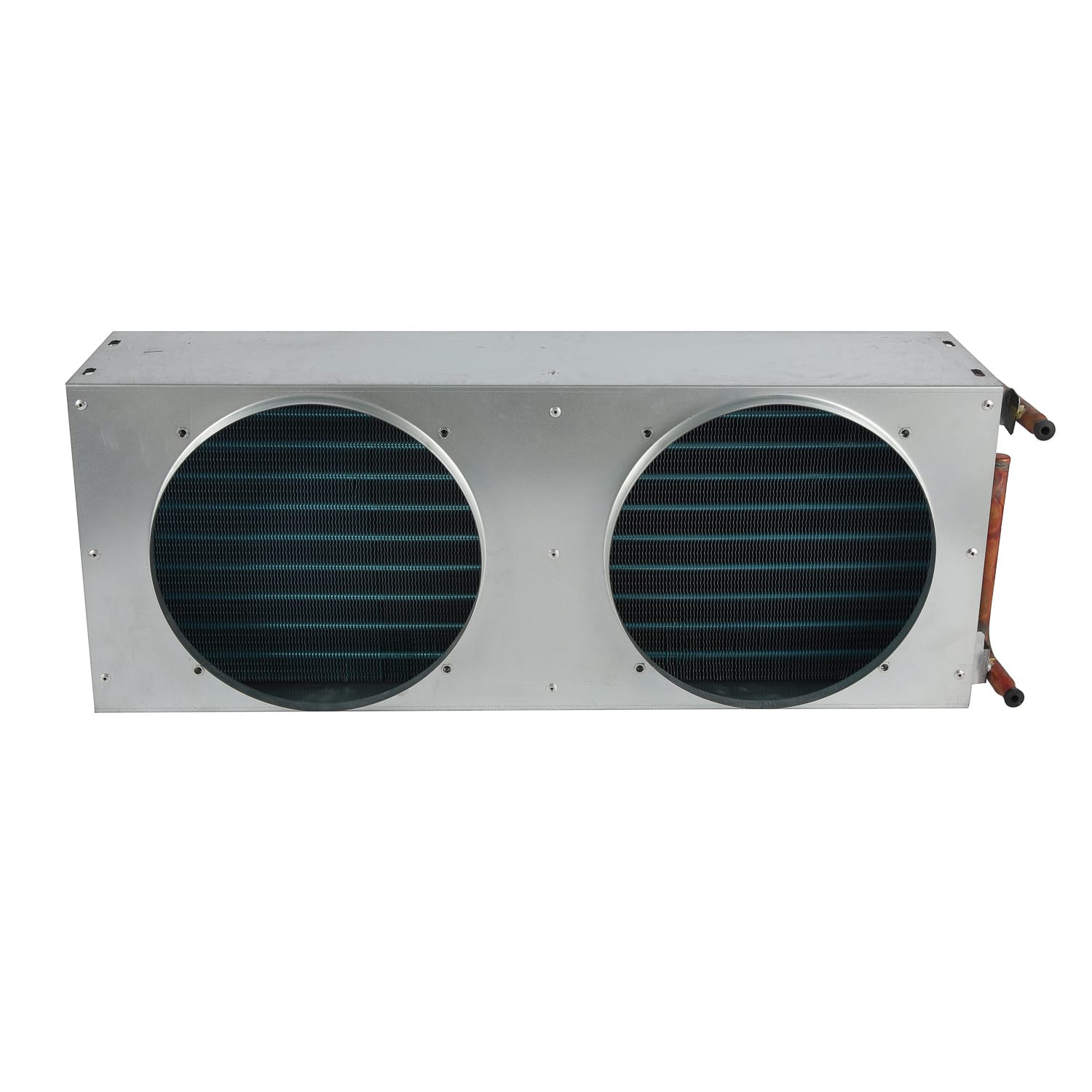

Air conditioning condenser for OEM cooling systems, with published aluminum tube and fin references, drawing or sample review, process guidance and RFQ checkpoints.
Product Details
Domi Refrigeration supplies this condenser for buyers who need a drawing- or sample-based cooling component review before quotation. The published product source identifies the application as refrigerator and freezer cooling systems and lists an aluminum tube, aluminum fin, and aluminum side-plate construction. For a split air conditioner, heat pump, or other HVAC assembly, the operating duty and fit must be confirmed from the approved design package before release.
An air conditioning condenser should not be selected from the product name or outside dimensions alone. Heat-rejection duty, refrigerant or working medium, design pressure, entering-air condition, airflow, circuiting, connection position, mounting, and service environment all affect whether a condenser coil is suitable for the equipment.
Product scope and system role
A condenser transfers heat away from the refrigerant side of a cooling system. In an air-cooled arrangement, the coil works with the fan, housing, and airflow path; the complete assembly must be checked as one system. This page is for an OEM component discussion, not a claim that one standard coil fits every air conditioner or refrigeration cabinet.
- Published application: refrigerator and freezer cooling systems.
- Potential project use: an HVAC or refrigeration condenser component when the duty, material, pressure, airflow, and envelope are approved by the buyer’s engineering team.
- Customization basis: Domi’s published source states that the condenser can be designed and produced according to client drawings, samples, and requirements.
Published construction reference
The values below are reference data from the published product source associated with this product. They help an engineer start an RFQ; they are not a substitute for a signed drawing, performance schedule, refrigerant declaration, or project-specific test requirement.
| Parameter | Published reference | Confirm before production |
|---|---|---|
| Tube | Aluminum tube, Ø8.0 × 0.7–1.0 mm | Tube material, outside diameter, wall thickness, route, and pressure requirement |
| Fin | Bare aluminum fin, thickness T = 0.15–0.25 mm | Fin pitch, face area, depth, surface treatment, and airflow clearance |
| Side plate | Aluminum plate, T = 0.8–1.5 mm | Mounting holes, bracket interface, stiffness, and cabinet envelope |
| Application listed by source | Refrigerator and freezer cooling systems | Whether the proposed air-conditioning or heat-pump duty is compatible |
| Customization | Design and production according to drawings, samples, and client requirements | Drawing revision, sample condition, inspection points, and change-control owner |
Technical standards and tube layout references
The source lists the following tube and fin construction references. The notation should be read together with the drawing because it does not, by itself, define heat-transfer capacity or allowable pressure.
| Construction reference | Published notation | Engineering check |
|---|---|---|
| Diagonal-inserting style | 50 × 19.05 × N; 60 × 19.05 × N, N ≥ 4 | Number of rows or passes, fin pitch, face dimensions, circuiting, and connections |
| Pull-expanding style | 60 × 28; 52 × 28 | Tube arrangement, expansion method, header or connection layout, and cabinet fit |
| Press-expanding style | 50.8 × 203.2 | Applicable drawing, tube route, fin block dimensions, and assembly orientation |
Tube internal cleanliness references
The published source also provides internal-volume and residual-contamination references. These are useful quality-discussion inputs, but the applicable band and acceptance method should be written into the purchase specification.
| Inner volume reference | Residual moisture | Additional published limit |
|---|---|---|
| ≤100 cm³ | ≤10 mg | Residual impurity ≤100 mg/100 cm³; biggest single impurity ≤2 mg |
| 101–200 cm³ | ≤20 mg | |
| 101–400 cm³ | ≤25 mg | |
| 401–800 cm³ | ≤30 mg |
The source repeats the 101–400 cm³ band after the 101–200 cm³ band. Domi and the buyer should confirm the applicable volume band and test method on the project specification before approval.
How to select an air conditioning condenser coil
For a new HVAC, heat-pump, refrigerator, or freezer project, send the following inputs so the condenser can be reviewed as part of the system:
- System duty: required heat rejection or cooling duty, operating temperatures, ambient design condition, and expected load range.
- Working medium: refrigerant or fluid designation, design pressure, test pressure, and any regulatory or safety requirements.
- Air side: fan model or airflow, air direction, allowable pressure drop, noise limits, recirculation risk, and service clearance.
- Coil geometry: face width and height, depth, tube diameter, fin pitch, row or pass arrangement, circuiting, and connection orientation.
- Mechanical interfaces: mounting holes, side plates, brackets, cabinet openings, headers, tube exits, and clearance around the fan or housing.
- Environment: indoor or outdoor placement, humidity, salt or chemical exposure, cleaning method, corrosion concern, and required surface treatment.
- Quality package: dimensional inspection, joint inspection, leakage test, drying, cleanliness evidence, labeling, packaging, and traceability requirements.
For a general comparison of condenser and evaporator duties, see condenser vs evaporator coil. For a deeper engineering checklist, see the OEM condenser coil specification checklist.
Manufacturing and release path
The published source lists a production sequence of tube bending, fin punching, tube expanding, degreasing, welding and assembling, leakage test, drying, inspection, and packing. This sequence describes the product source’s process coverage; the exact inspection records, test values, sampling plan, and acceptance criteria must be agreed for each project.
- Forming: tube bending and fin punching are matched to the approved layout.
- Assembly: tube expansion, welding, and assembly establish the coil geometry and connection orientation.
- Cleaning and testing: degreasing, leakage testing, and drying are reviewed against the project quality plan.
- Inspection and packing: dimensions, visible joints, cleanliness, labels, protection, and packing condition are checked before shipment.
Review the related manufacturing process, testing information, and quality documentation pages. Certifications, test reports, and production capability should be confirmed for the specific quotation rather than assumed from a general product page.
Drawing, sample, and quotation review
A sample or drawing reduces the risk of an apparently similar condenser being quoted with the wrong fit or duty. Include as much of the following as available:
- old condenser, sample photos, nameplate, or part number;
- overall width, height, depth, fin-block dimensions, and mounting locations;
- tube material, tube diameter and wall thickness, fin material and thickness, and any coating requirement;
- refrigerant or working medium, design and test pressure, temperatures, airflow, and target duty;
- connection size, position, tube route, circuiting, and installation orientation;
- required inspection records, leakage-test method, internal cleanliness limits, packing, labels, and destination market;
- sample quantity, estimated annual volume, SKU mix, requested delivery window, and drawing revision.
MOQ, lead time, tooling, packaging format, certificates, and test documentation are project-dependent and are not fixed on this page. They should be confirmed in the quotation after the drawing or sample review.
Replacement and compatibility checks
A replacement air conditioning condenser coil is not automatically interchangeable because two coils share the same outside dimensions. A different tube route, fin density, connection position, refrigerant, airflow, or pressure requirement can change fit and system behavior. Send the old part and the equipment interface for review; do not release a replacement from a photo or keyword match alone.
For replacement work, compare the original duty, coil role, dimensions, connections, mounting, airflow, and drawing revision. The replacement HVAC coils guide provides a broader matching checklist, while air-cooled condenser selection covers airflow, heat rejection, corrosion, and service considerations.
FAQ
What is an air conditioning condenser?
It is a condenser component that transfers heat from the refrigerant side to another medium, commonly air in an air-cooled system. The correct construction and rating depend on the complete HVAC or refrigeration design.
Is this product automatically suitable for a residential air conditioner?
No. The published product source lists refrigerator and freezer cooling systems as the application. A residential AC or heat-pump use should be reviewed from duty, refrigerant, pressure, airflow, connections, and cabinet dimensions before quotation.
What materials are listed for this condenser?
The published reference lists an aluminum tube at Ø8.0 × 0.7–1.0 mm, a bare aluminum fin at T = 0.15–0.25 mm, and an aluminum side plate at T = 0.8–1.5 mm. Any alternative material or coating must be stated in the RFQ and confirmed on the drawing.
Can Domi build the condenser from a drawing or sample?
Yes. The published source states that the product can be designed and produced according to client drawings, samples, and requirements. The drawing revision, sample condition, change points, and inspection criteria still need to be agreed.
What tube layout references are published?
The source lists diagonal-inserting, pull-expanding, and press-expanding references. These notations are construction references; they do not replace the complete layout, circuiting, connection, performance, or pressure specification.
What testing is listed for the production process?
The published process includes leakage testing, drying, inspection, and packing, along with forming, expansion, degreasing, welding, and assembly. The exact method, pressure, duration, sampling plan, and report format should be confirmed for the order.
Are MOQ and lead time fixed for this air conditioning condenser?
No fixed MOQ or lead time is published here. Both depend on the drawing or sample, material and geometry, quantity, tooling, inspection plan, and current production schedule. Request confirmation with the RFQ.
What should I send to request a quote?
Send the equipment application, drawing or sample photos, dimensions, material, refrigerant or working medium, pressure and temperature conditions, airflow, connections, quantity, inspection requirements, and destination market. If any item is unknown, identify it as an open point for engineering review.
Request a custom quote
To review an air conditioning condenser coil for an OEM or replacement project, request a custom quote with the drawing, sample information, system conditions, target quantity, and required documents. You can also review Domi’s engineering capabilities cURL Too many subrequests by single Worker invocation. To configure this limit, refer to https://developers.cloudflare.com/workers/wrangler/configuration/#limits custom coil fabrication scope before sending the inquiry.
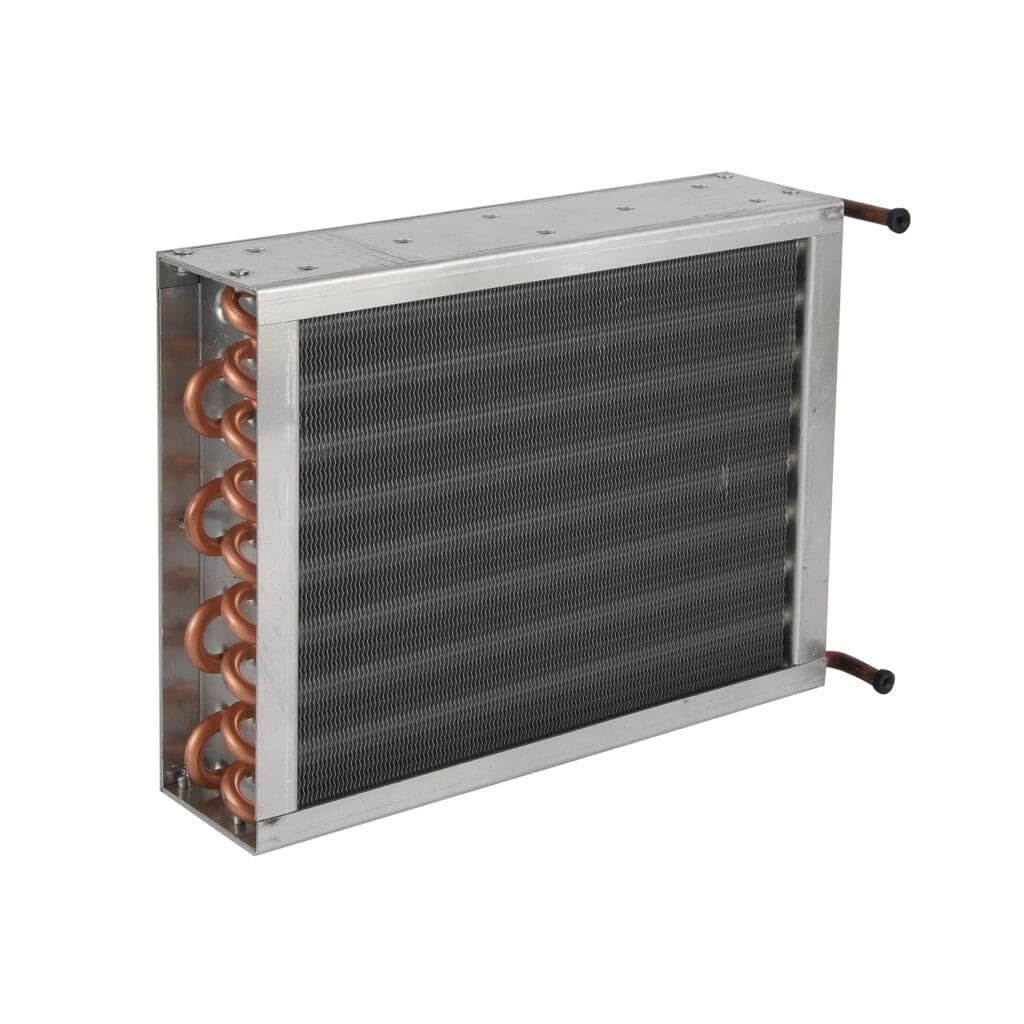
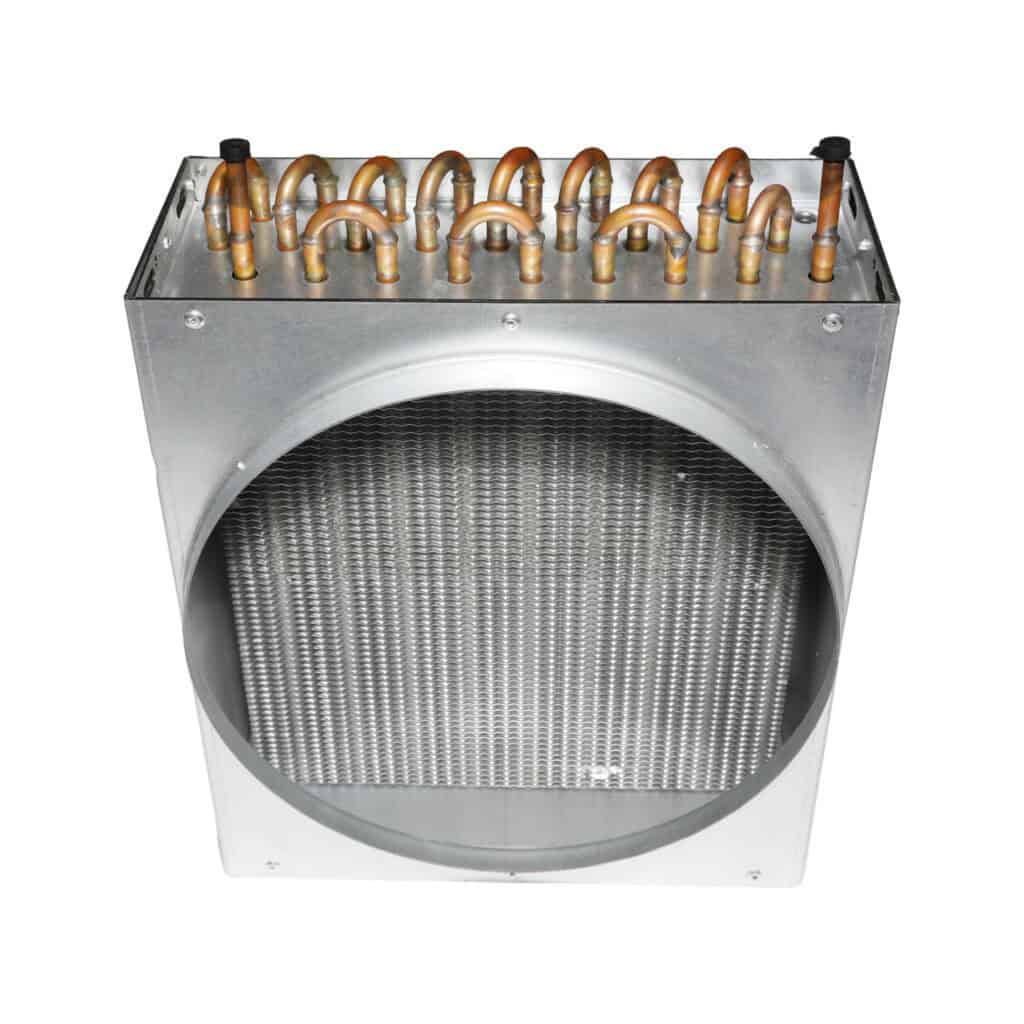
Get Product Information for Your Project
Send the product model, drawings, sample photos, quantity, or application requirements. Our team will review the information and help confirm suitable options, technical data, and quotation details.