

cURL Too many subrequests by single Worker invocation. To configure this limit, refer to https://developers.cloudflare.com/workers/wrangler/configuration/#limits
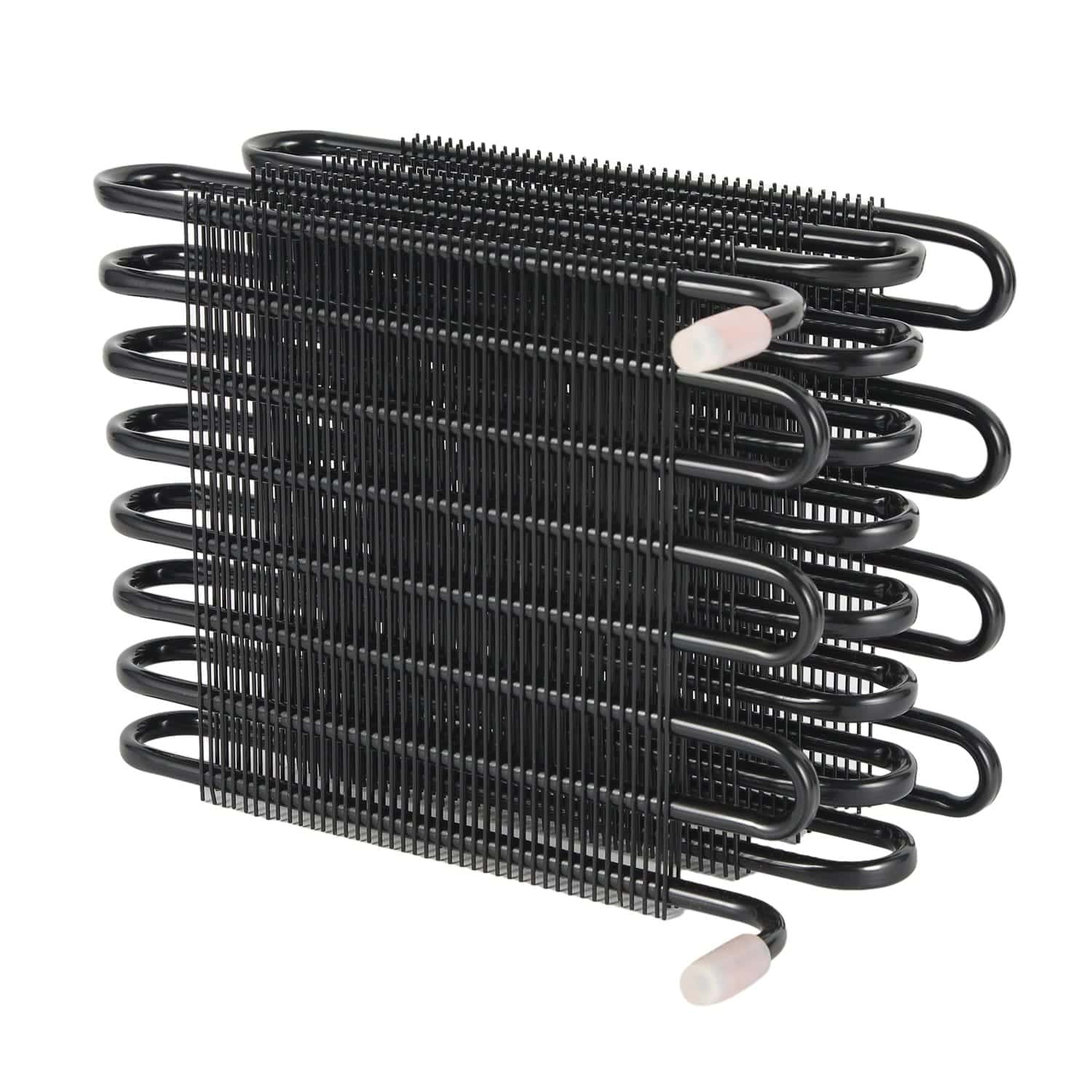
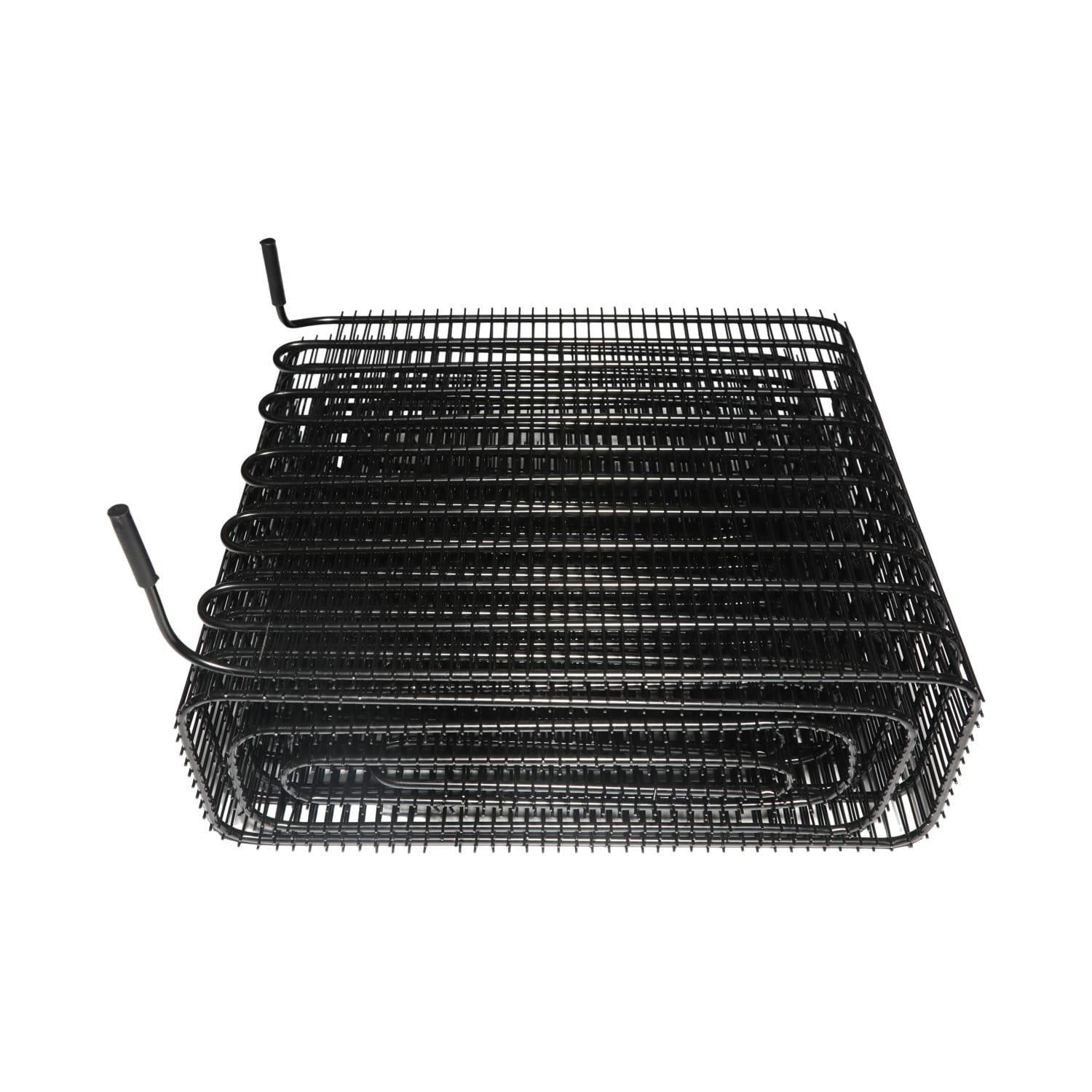
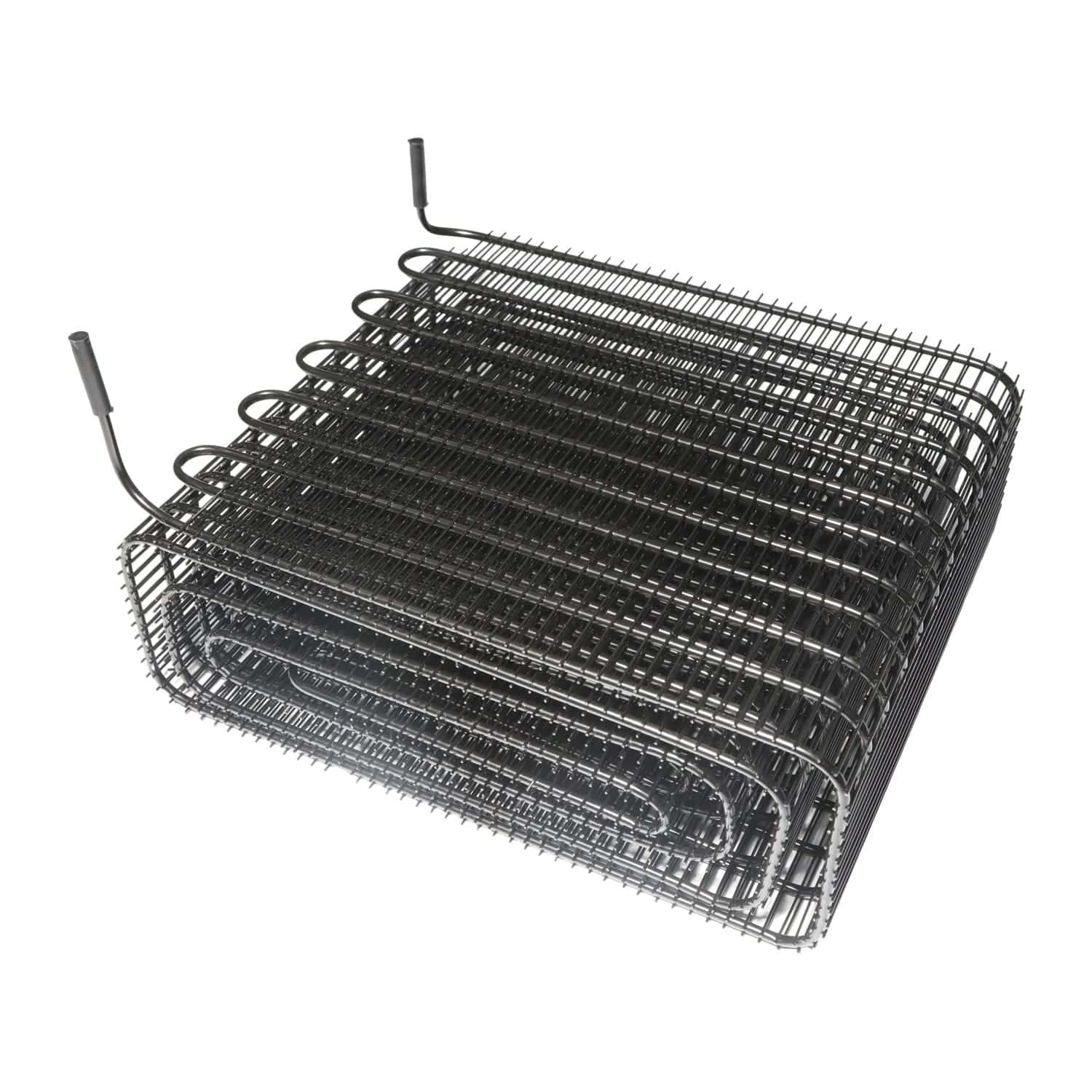

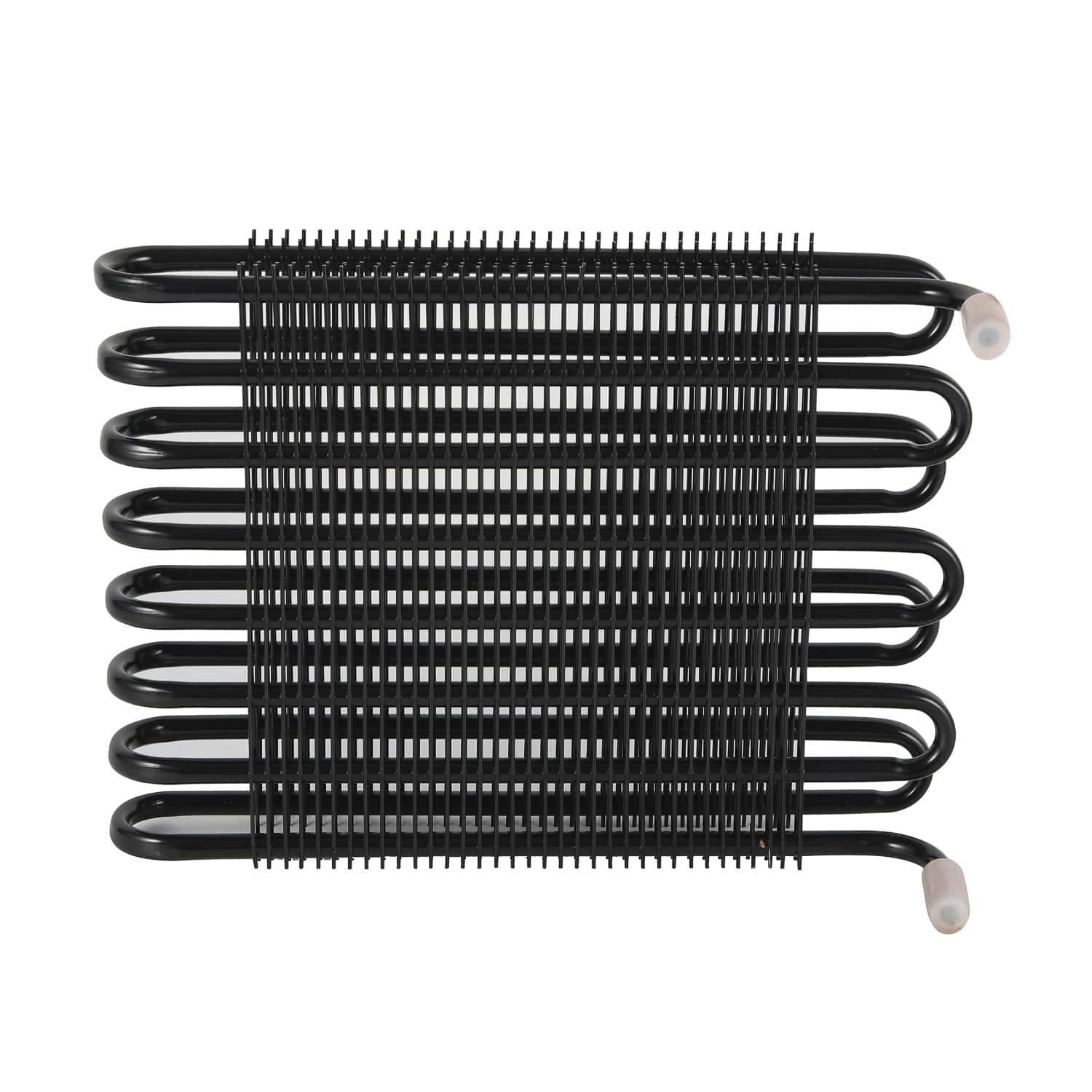
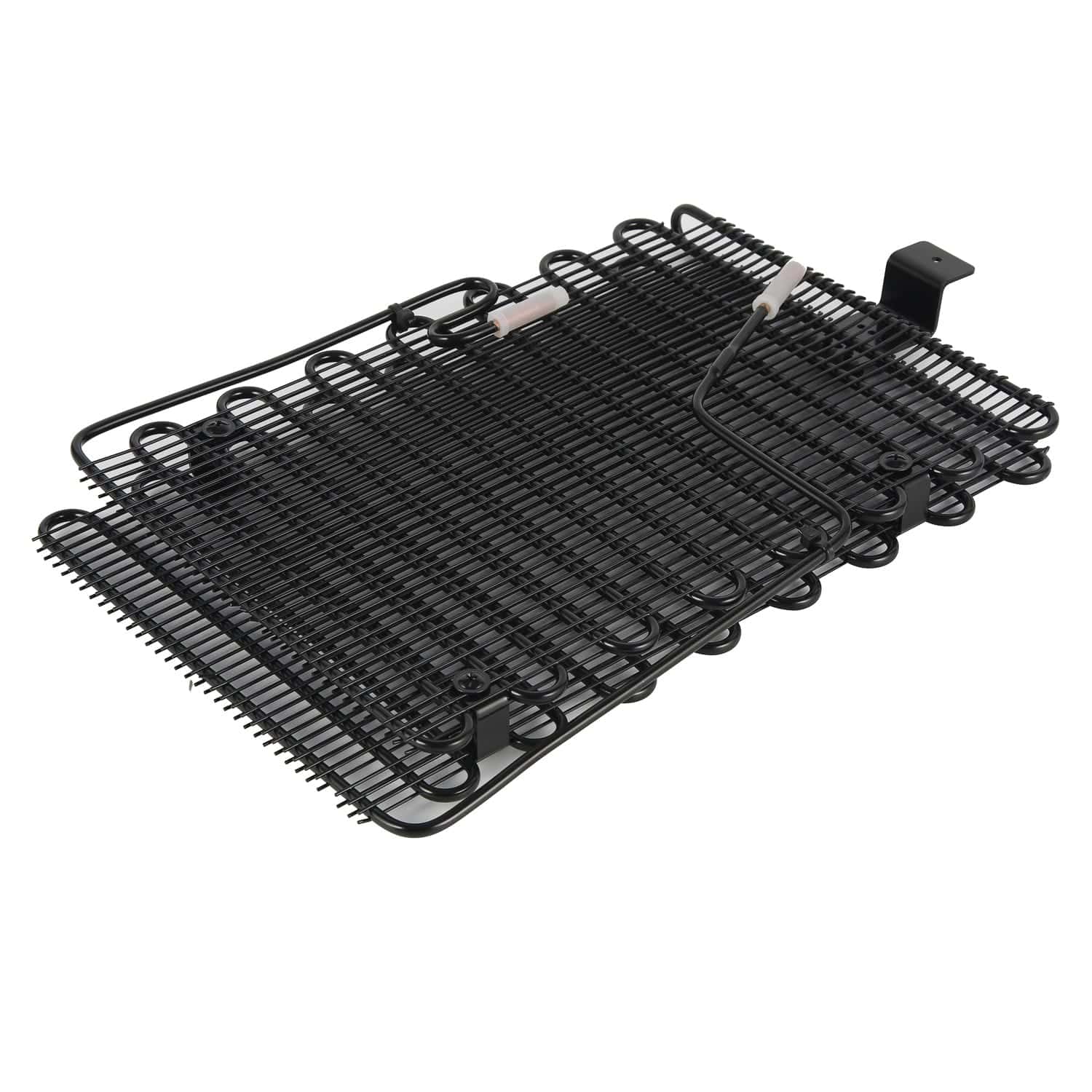
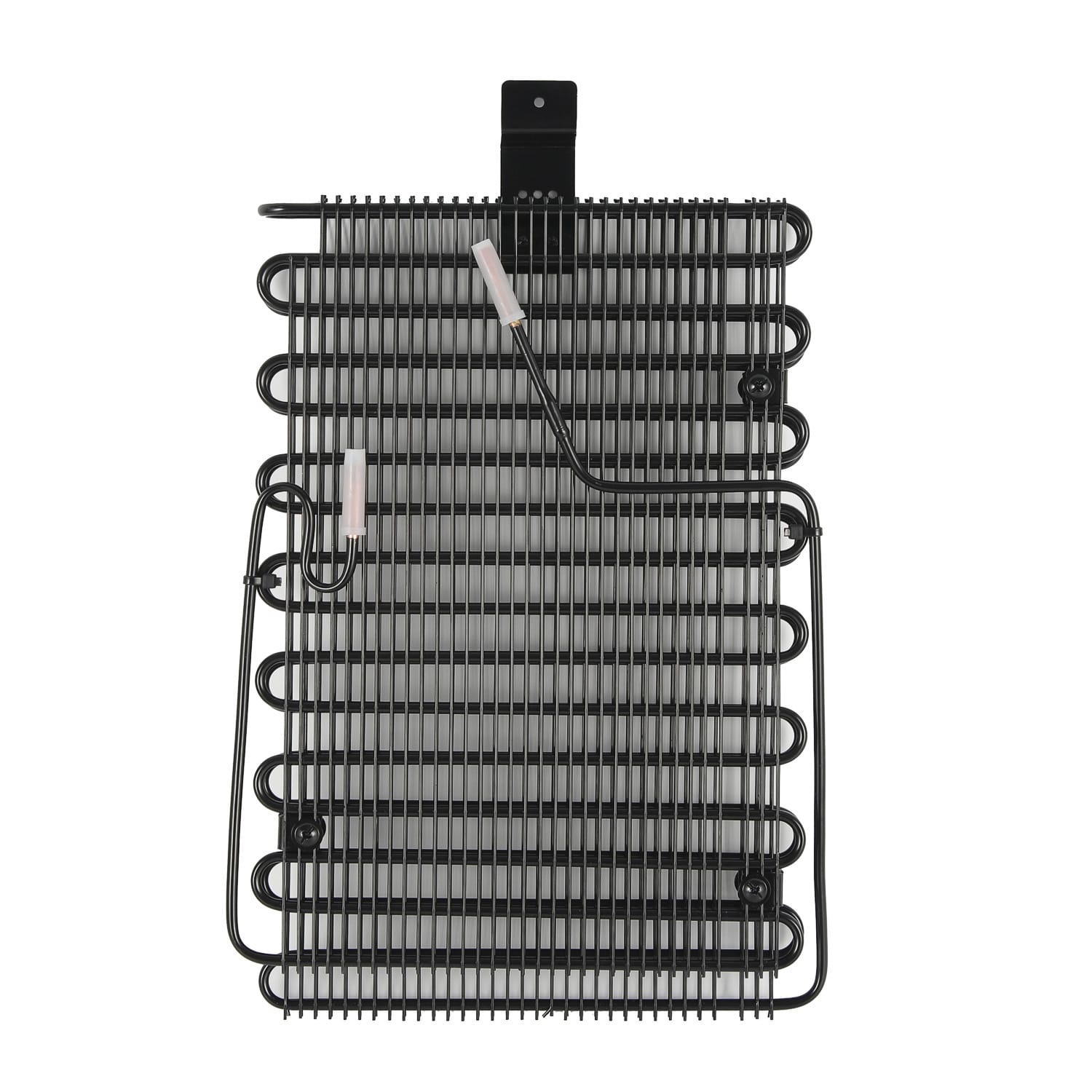
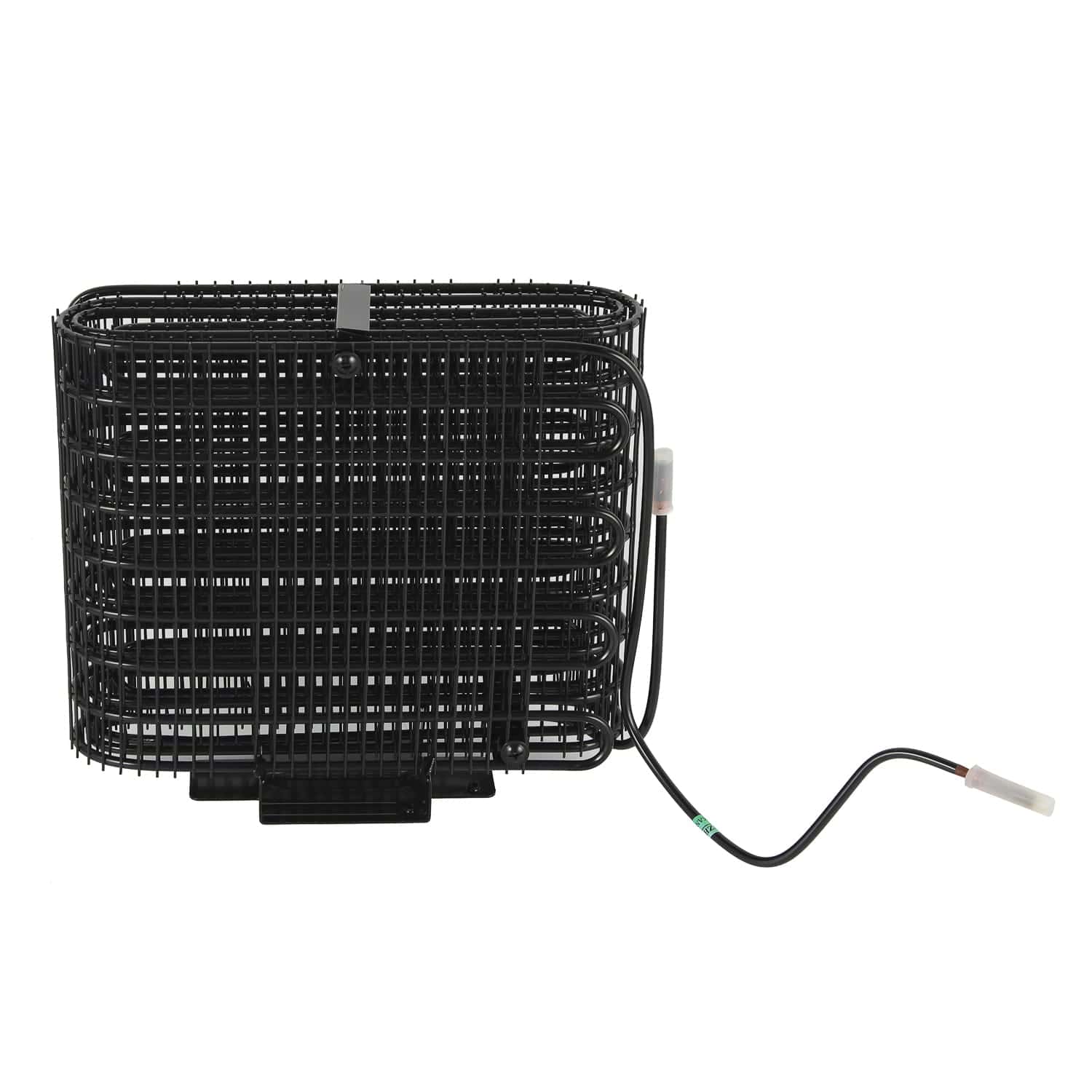
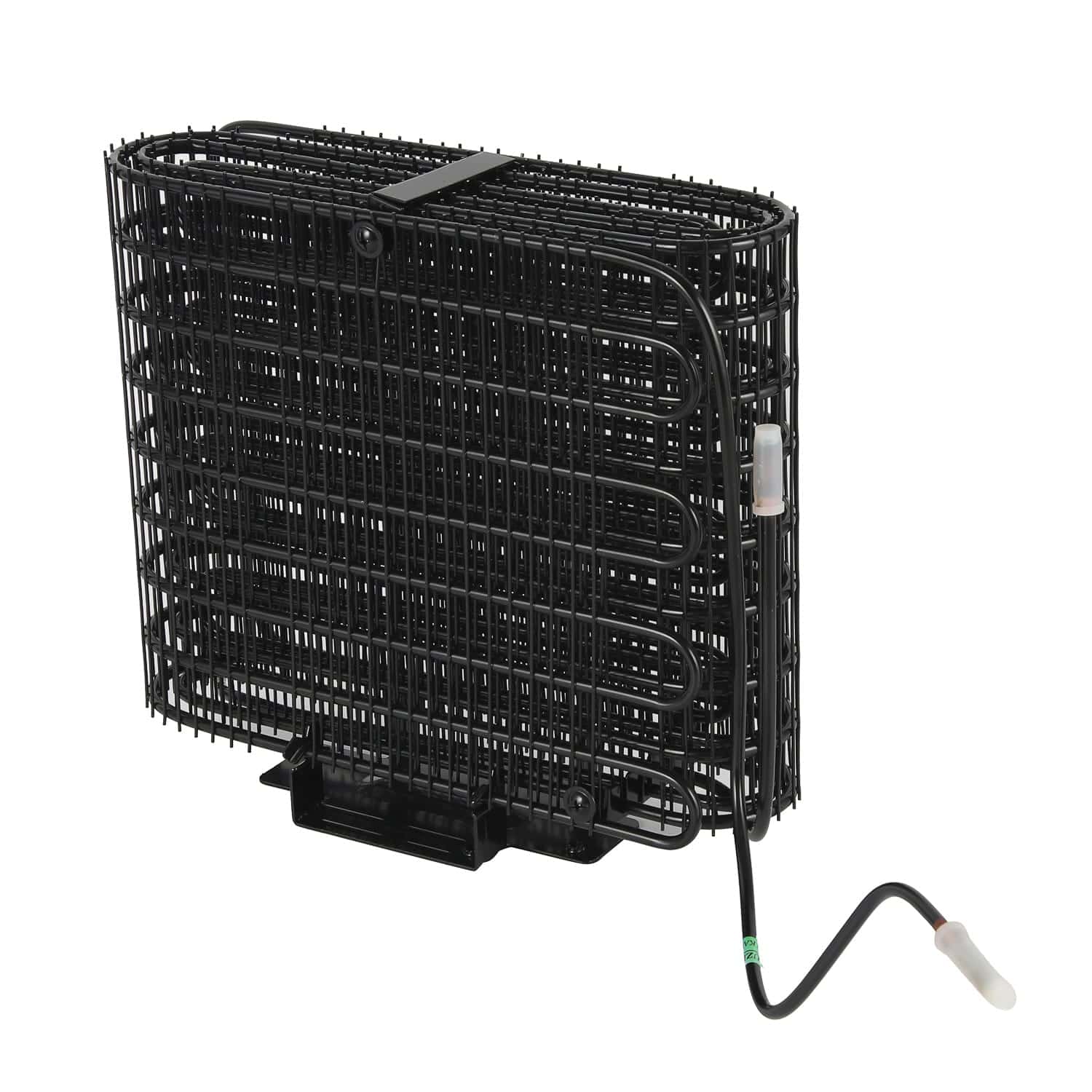
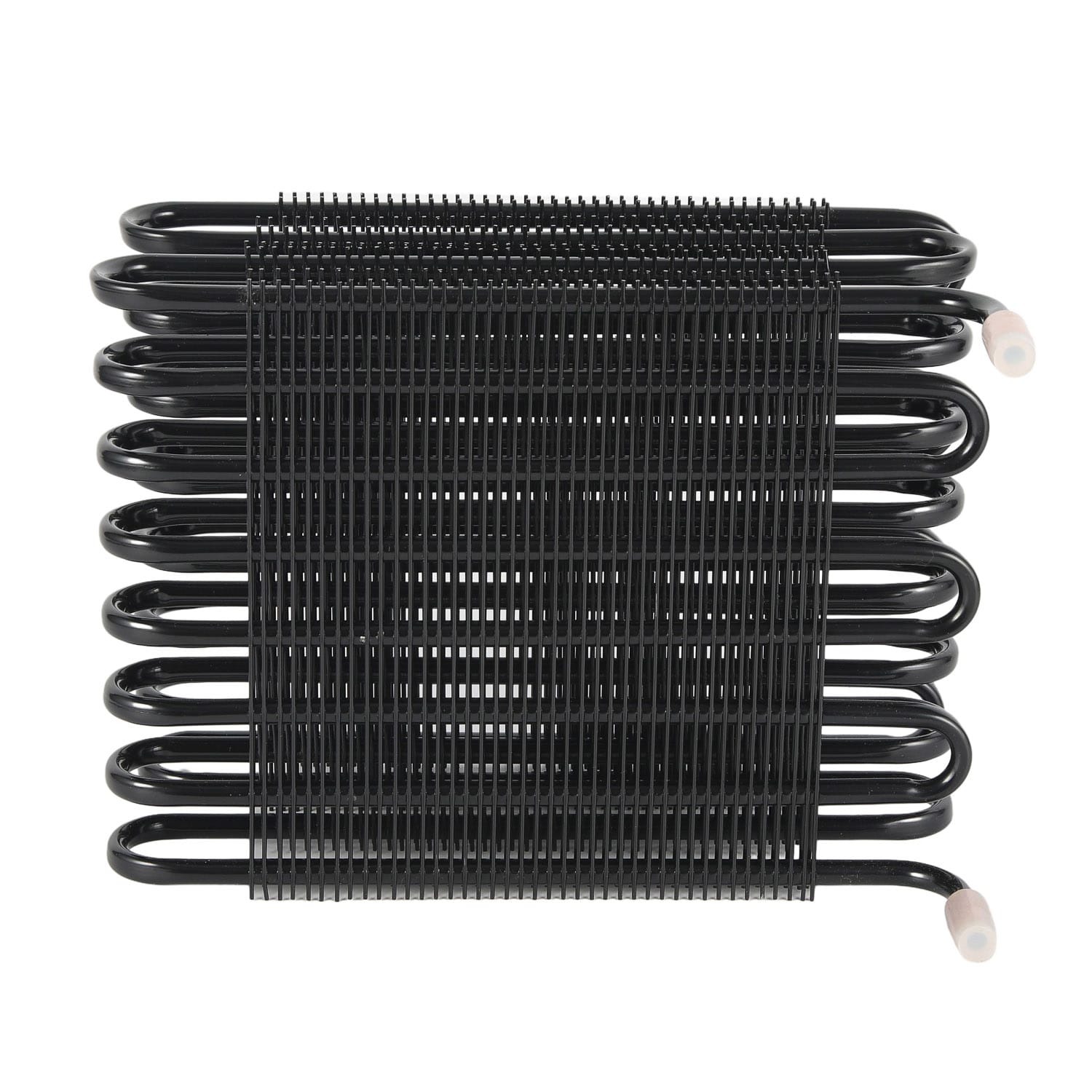
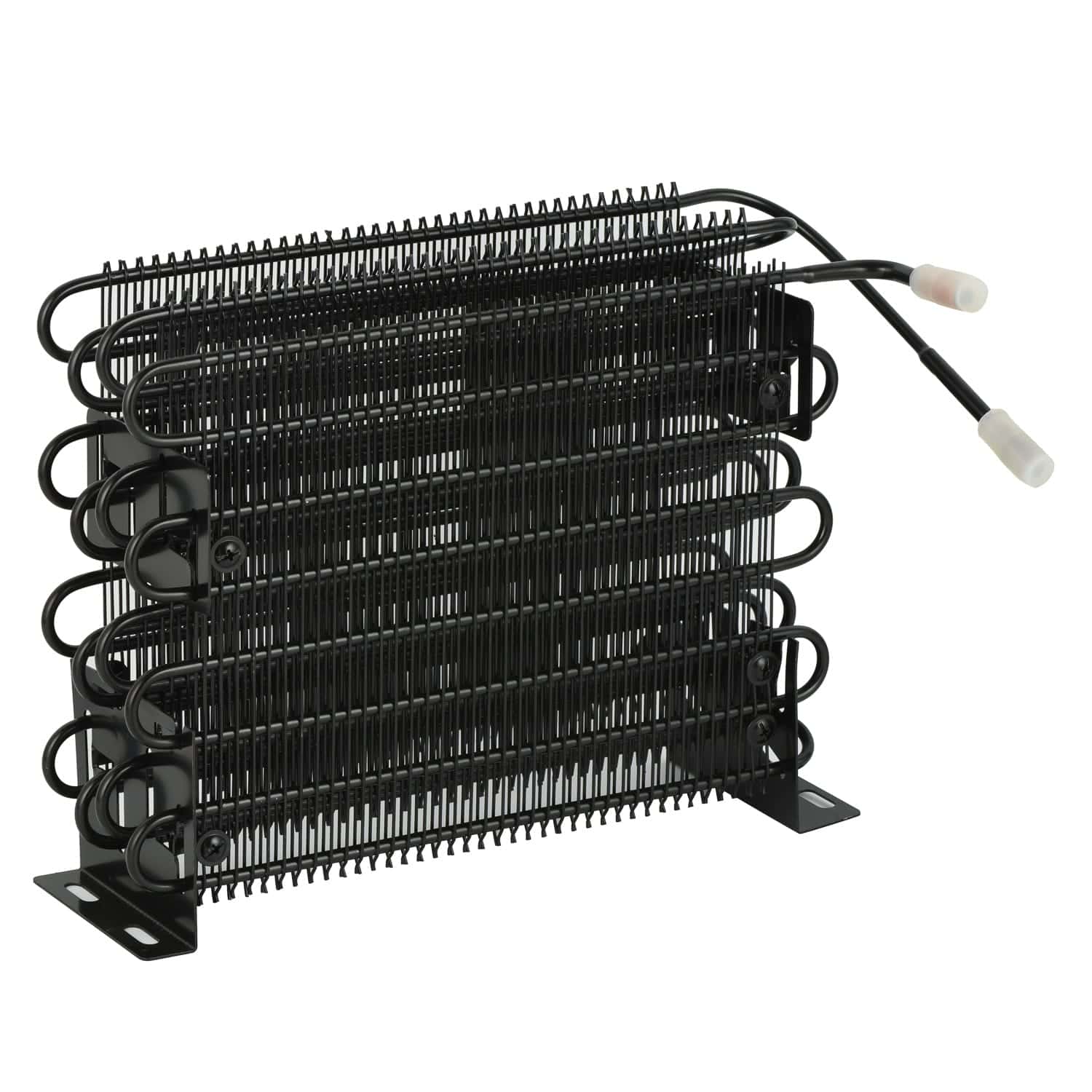
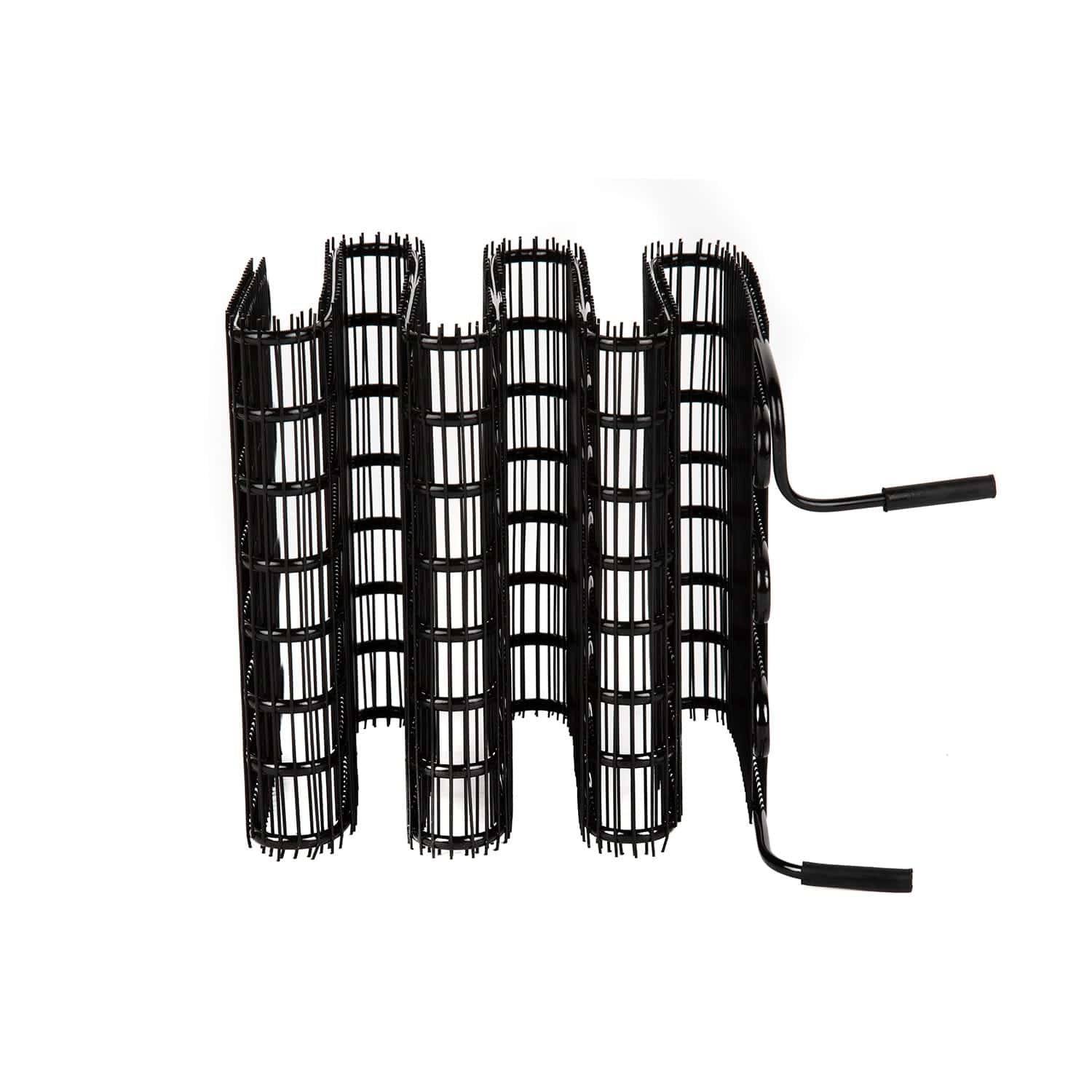
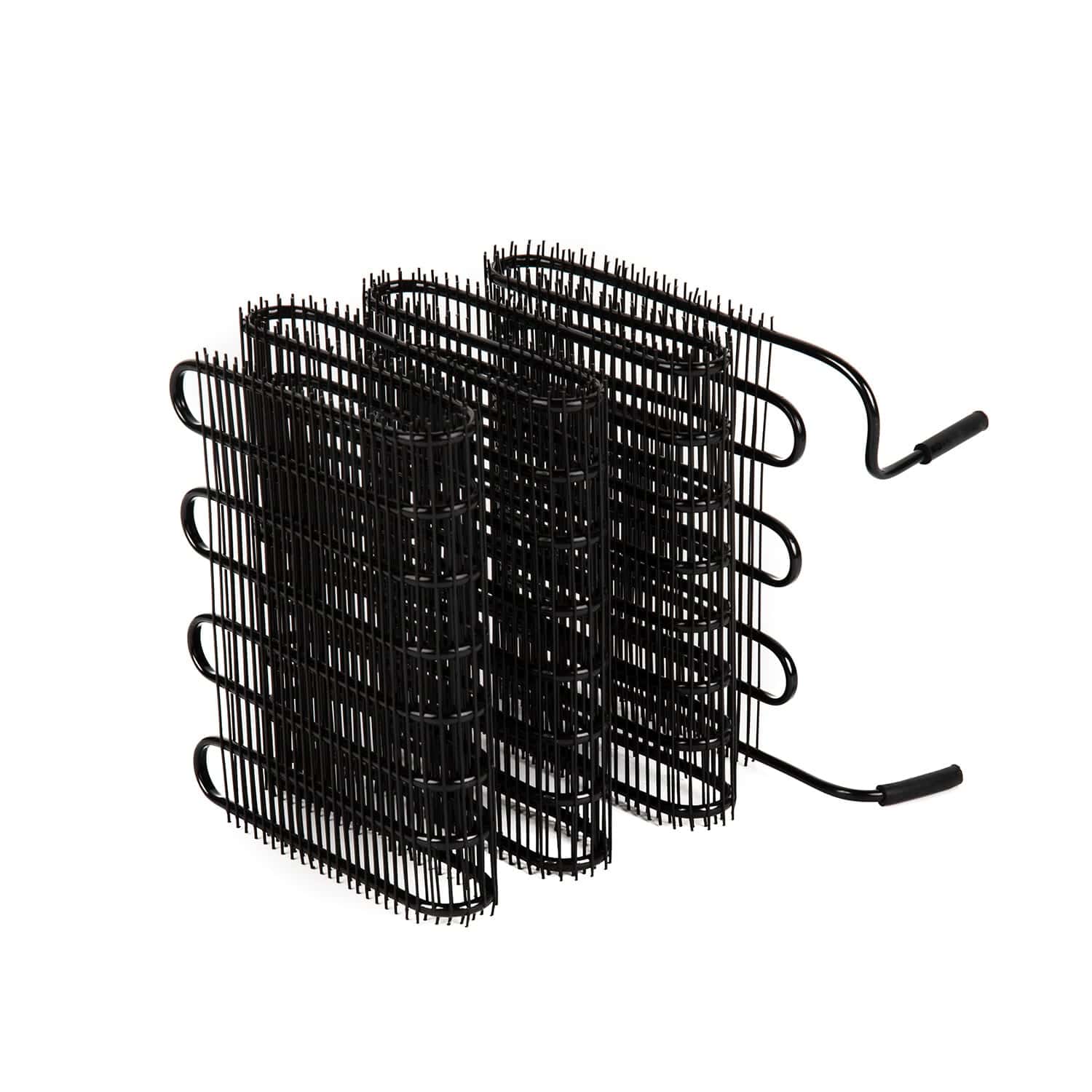
Multilayer wire tube condenser for refrigerator and freezer OEM programs. Review structure, wire pitch, coating, testing and drawing-based customization.
Product Details
A multilayer wire tube condenser is a wire-on-tube heat-rejection component for refrigerator and freezer programs that need a defined condenser surface inside a compact cabinet envelope. Instead of using one flat wire-tube plane, the published construction reference uses multiple layers arranged by folding, reel forming, or welded assembly. The final layer count, tube route, wire pitch, connections, and mounting points must follow the approved appliance drawing.
Domi Refrigeration supplies this multilayer wire tube condenser reference for OEM engineers, appliance manufacturers, replacement-part buyers, and refrigeration distributors who need to review structure, materials, cleanliness, coating, testing, and fit before a repeat order. The information below separates published source references from project values that still require a drawing, sample, test plan, or business confirmation.
What a multilayer wire tube condenser is
A wire tube condenser transfers heat from the refrigeration circuit to the surrounding air through a steel tube supported by welded wire. “Multilayer” describes how that tube-and-wire surface is arranged in the assembly. It can help a design use a limited rear or bottom space while retaining a planned tube route and support pattern.
Multilayer construction is not a universal performance rating. The product name does not by itself establish cooling capacity, pressure rating, refrigerant approval, energy performance, airflow, or interchangeability. A correct selection requires the appliance duty, operating condition, tube dimensions, circuit length, cabinet envelope, air path, connection locations, and required inspection criteria.
Where a multilayer condenser can fit
The associated first-party reference identifies multilayer wire tube condenser structures for refrigerator and freezer applications. A buyer may evaluate this product family for the following program types when the physical and refrigeration requirements match:
- Rear-mounted refrigerator condensers that need more than one supported tube layer within the back-panel space.
- Compact freezer cabinets where a folded, reeled, or welded multilayer arrangement follows a defined base or frame.
- Household appliance OEM programs that need a repeatable outline, mounting pattern, and connection route.
- Replacement condenser projects where the old part, appliance model, drawing, and refrigeration duty are available for comparison.
When multilayer construction needs extra review
Review the design carefully when airflow is restricted, the condenser is close to insulation or a cabinet panel, the assembly is difficult to service, or the tube layers can touch after forming. Check the clearances between layers, the weld pattern, the bend radius, the mounting support, and the path of the suction tube. Do not approve a replacement because the outside outline looks similar; confirm the circuit and test requirements as well.
Materials and construction reference
The associated Domi source lists the following material references for this multilayer product. The values are useful for an early RFQ and technical discussion, but the current drawing and approved sample control the final grade, tolerance, thickness, forming, and documentation.
| Part or feature | Published reference | Buyer confirmation point |
|---|---|---|
| Condenser tube | Rolling welded steel tube, Ø4.76–Ø8 × 0.71 mm reference | Confirm outside diameter, wall thickness, grade, circuit length, and tube ends. |
| Supporting wire | Low-carbon steel wire, Ø1.2–Ø1.6 mm reference | Confirm wire diameter, layer spacing, weld points, and support stiffness. |
| Bracket | Steel plate, SPCC, T=0.6–0.8 mm reference | Confirm bracket profile, holes, bend angle, mounting datum, and cabinet interface. |
| Steel plate | SPCC steel plate, T=0.6–0.8 mm reference | Confirm plate size, forming, flatness, clearance, and any insulation contact. |
| Wire pitch | Published technical reference: ≥5 mm | Confirm the effective pitch and local clearances on the released drawing. |
These material references are not a substitute for a material certificate, refrigerant approval, pressure assessment, or production test record. If the buyer needs certificates or traceability documents, list them in the RFQ before sample approval.
Multilayer structure options
The product source identifies three multilayer structure directions. Each one answers a different cabinet-space and assembly question:
Multilayer folding
A folded arrangement forms the wire tube assembly into multiple connected planes or bends. It can be considered when the cabinet has a defined depth and the drawing requires a compact folded outline. Confirm the number of folds, bend radius, layer-to-layer clearance, and mounting support.
Multi-layer reel type
A reel-type arrangement winds or forms the wire tube into multiple layers. It should be checked for pitch consistency, tube contact, end positioning, and the way the assembly is fixed to the appliance. The drawing should define the outside envelope and the allowable variation after forming.
Multi-layer welding assembled
A welded assembly joins the tube-and-wire layers into a defined condenser package. Review weld locations, bracket attachment, suction-tube routing, surface finish, and the inspection method for the finished structure. The term “welded assembled” is a source description, not a quantified weld-strength claim.
If the design needs a single supported plane, compare this page with the single-layer wire tube condenser. If the tube must be supported on a plate, review the tube-on-plate condenser instead. The best product family depends on the cabinet and refrigeration drawing, not on the keyword alone.
Technical and dimensional controls
The source states that Domi can produce according to a customer drawing or sample and can help design different condensers for refrigerator and freezer applications. For a useful technical review, provide the following dimensions and conditions:
- Overall length, width, height, layer count, folded depth, and the finished assembly envelope.
- Tube outside diameter, wall thickness, circuit length, bends, U-bends, and tube-end locations.
- Wire diameter, wire pitch, row count, support points, weld pattern, and any plate or bracket details.
- Compressor duty, refrigerant or working medium, operating condition, pressure requirement, airflow, and ambient condition.
- Mounting points, clearance from insulation and panels, service access, suction-tube route, and packaging orientation.
The published technical reference gives a wire pitch of at least 5 mm. Treat that as a source reference until the project drawing confirms the pitch, tolerance, local clearance, and measurement method. Do not infer capacity from the number of layers or the horsepower labels in the model table.
Published model and dimensional reference
The table below preserves the existing multilayer product reference for early comparison. The width field is kept in the source format `480*450*430` because it appears to describe an assembly reference rather than one standalone width dimension. The wire quantity has two source subcolumns, `480` and `450/30`; confirm how those fields map to the current drawing and production calculation.
| Model reference | Length (mm) | Published width / assembly reference (mm) | U-bends | Rows | Wire qty. (480, 450/30) | Wire length (mm) |
|---|---|---|---|---|---|---|
| 1/3 HP | 1150 | 480*450*430 | 12 | 24 | 126 / 108 | 1157 |
| 1/4 HP | 1050 | 480*450*430 | 11 | 22 | 126 / 108 | 1057 |
| 1/5 HP | 950 | 480*450*430 | 10 | 20 | 126 / 108 | 957 |
| 1/6 HP | 850 | 480*450*430 | 9 | 18 | 126 / 108 | 857 |
| 1/7 HP | 750 | 480*450*430 | 8 | 16 | 126 / 108 | 757 |
| 1/8 HP | 650 | 480*450*430 | 7 | 14 | 126 / 108 | 657 |
| 1/9 HP | 550 | 480*450*430 | 6 | 12 | 126 / 108 | 557 |
| 1/10 HP | 450 | 480*450*430 | 5 | 10 | 126 / 108 | 457 |
| 1/12 HP | 350 | 480*450*430 | 4 | 8 | 126 / 108 | 357 |
This table is a source model reference, not a universal compressor-matching chart or a promise that the listed models are interchangeable. Before order confirmation, ask the technical team to identify the current model drawing, compressor convention, connection details, layer count, and inspection criteria.
Cleanliness and coating references
The associated first-party source describes internal-cleanliness values in an R134a and CFC cooling-system context, as well as a cathodic electrophoresis coating reference. R134a/CFC is historical source context; confirm the current refrigerant, legal requirements, appliance standard, test method, and customer acceptance limits for the actual project.
| Item | Published reference | Release note |
|---|---|---|
| Residual moisture | ≤5 mg/100 cm³ | Confirm sampling location, laboratory method, and current limit. |
| Residual impurity | ≤10 mg/100 cm³ | Confirm what counts as impurity and how it is measured. |
| Residual mineral oil | ≤100 mg/100 cm³ | Confirm lubricant, sampling method, and circuit requirement. |
| Residual paraffin | ≤3 mg/m² | Confirm surface-area calculation and test method. |
| Largest single impurity | ≤0.5 mm | Confirm the inspection method and acceptance criteria. |
| Coating characteristic | Published reference | Confirmation needed |
|---|---|---|
| Coating type | Cathodic electrophoresis coating | Confirm chemistry, colour, approved supplier, and coverage. |
| Thickness | 15–20 μm | Confirm measurement points and tolerance. |
| Hardness | ≥2H | Confirm test standard and sample preparation. |
| Adhesion | ≥ two grade | Confirm grading standard and project acceptance wording. |
| Flexibility | Around R=3D, bend 180°, with no crack or fall-off stated | Confirm bend method and the meaning of D for the selected tube. |
| Salt spray | GB2423 cathodic electrophoresis reference ≥72 h | Confirm exact test clause, panel preparation, and customer requirement. |
The source contains an impact-of-coating line with unclear unit formatting, so it is not converted into a visible specification here. Request the current coating report or test record if impact performance is decision-critical. A source reference is not the same as a certificate for the delivered batch.
Manufacturing and release checks
The published process sequence provides a practical production-review path for a multilayer wire tube condenser:
- Tube bending to the approved circuit and outline.
- Wire welding to establish the support pattern and pitch.
- Bracket fixing where the design uses a bracket or plate.
- Suction-tube welding or connection work as specified on the drawing.
- Folding or bending to the final multilayer form.
- Leakage testing of the completed circuit.
- Cleaning to the agreed internal-cleanliness requirement.
- Coating and inspection of coverage, finish, and appearance.
- Final inspection, identification, and protective packing.
For repeat production, keep the approved sample, drawing revision, process requirements, leakage-test condition, cleanliness limit, coating instruction, and packaging method together. A small change in layer spacing, bracket position, tube routing, or connection length can affect assembly fit even when the product title remains the same.
OEM selection and replacement checklist
Send these inputs with a quotation request so the review covers both physical fit and refrigeration-system compatibility:
- Appliance type, condenser position, cabinet envelope, and airflow direction.
- Refrigerant or working medium, compressor duty, operating condition, pressure requirement, and safety standard.
- Layer count, tube diameter, circuit length, bend radius, U-bends, wire diameter, pitch, and weld pattern.
- Bracket and plate material, mounting holes, connection direction, suction-tube route, and clearance from insulation.
- Coating type, thickness, colour, corrosion requirement, and appearance standard.
- Leakage test, cleanliness limit, inspection plan, certificate needs, label information, and packaging.
- Sample quantity, forecast or order quantity, MOQ discussion, target delivery window, and destination.
For a replacement, include photographs of both sides, a measured outline, the old part number, appliance model, tube-end details, and the original operating condition. A photograph can start the review, but it cannot replace a circuit or pressure confirmation.
Common compatibility risks
A multilayer condenser may fit the cabinet and still be unsuitable for the system. Common risks include choosing by horsepower only, assuming a higher layer count automatically means higher capacity, ignoring airflow between layers, and treating a source cleanliness or coating reference as an unrestricted current-market approval.
Also check whether the required assembly is truly a wire-on-tube multilayer design. A single-layer rear condenser, a multilayer reel, a folded assembly, and a tube-on-plate condenser can have different mounting, airflow, forming, and inspection requirements. Use the refrigeration condenser coils guide for broader coil-selection context, then send the actual project data for a product-level review.
Multilayer wire tube condenser FAQ
What does multilayer mean?
It describes a wire-on-tube condenser formed with multiple layers. The associated source identifies multilayer folding, multi-layer reel type, and multi-layer welding assembled structures. It does not by itself define a cooling-capacity or pressure rating.
Where is a multilayer wire tube condenser used?
The source application is refrigerator and freezer condenser work. A specific rear, bottom, or frame installation must be checked against the cabinet envelope, airflow, mounting pattern, connections, and refrigeration duty.
What materials are referenced?
The published reference lists a rolling welded steel tube, low-carbon steel wire, an SPCC steel-plate bracket, and an SPCC steel plate. The listed ranges are early design references; confirm grade, tolerance, forming, and documents on the released drawing.
What wire pitch is referenced?
The source technical reference states a wire pitch of at least 5 mm. Confirm the effective pitch, tolerance, weld pattern, and layer clearance for the actual model.
Can the product be made from a drawing or sample?
The associated source states production according to a customer drawing or sample and support for different refrigerator/freezer condensers. Send the drawing, sample photographs, cabinet dimensions, refrigerant, operating condition, and connection information for a useful review.
Are the model labels a compressor-matching guarantee?
No. The 1/3 HP through 1/12 HP rows are published model references. Confirm what the horsepower convention means, then verify circuit, pressure, capacity, dimensions, and test conditions before production.
What cleanliness and coating information is available?
The source provides R134a/CFC-context cleanliness references and cathodic electrophoresis coating references, including 15–20 μm thickness, ≥2H hardness, adhesion wording, flexibility wording, and a GB2423 salt-spray reference. Confirm the current test method and request records where required.
How are MOQ and lead time confirmed?
MOQ, sample timing, tooling, lead time, packaging, and document requirements depend on the approved structure and order volume. Request a project quotation after drawing or sample review; this page does not promise fixed values.
Request a drawing-based quotation
To request a multilayer wire tube condenser quotation, send your drawing or sample information and ask the technical team to confirm structure, layer count, dimensions, refrigerant compatibility, pressure and leakage-test requirements, coating, cleanliness, packaging, MOQ, and lead time. You can review Domi’s engineering capabilities, custom coil fabrication, manufacturing process, testing references, and quality documentation before sending the request.
For household appliance context, see the residential refrigeration coils overview and the OEM refrigerator and freezer solutions page. For procurement follow-up, use the contact page and include the drawing revision, sample status, target quantity, and requested delivery window.
Request a Custom Quote with your multilayer condenser drawing, sample, or replacement details. A complete RFQ gives the review team enough information to distinguish a dimensional match from a verified refrigeration-system match.
Get Product Information for Your Project
Send the product model, drawings, sample photos, quantity, or application requirements. Our team will review the information and help confirm suitable options, technical data, and quotation details.