
Refrigerant types are commonly grouped in three different ways: by chemical family, by whether the fluid is a single compound or blend, and by its safety classification. These labels answer different questions. They do not by themselves prove that a refrigerant is suitable, available, or legally acceptable for a particular system. This guide explains the categories, indexes more than 100 refrigerant designations listed in AHRI 700’s published scope, and shows what commercial refrigeration buyers should verify before specifying coils or equipment.
Jump to a section: Refrigerant categories · Chemical families · 100+ designations · Commercial uses · Coil compatibility · RFQ checklist · FAQ
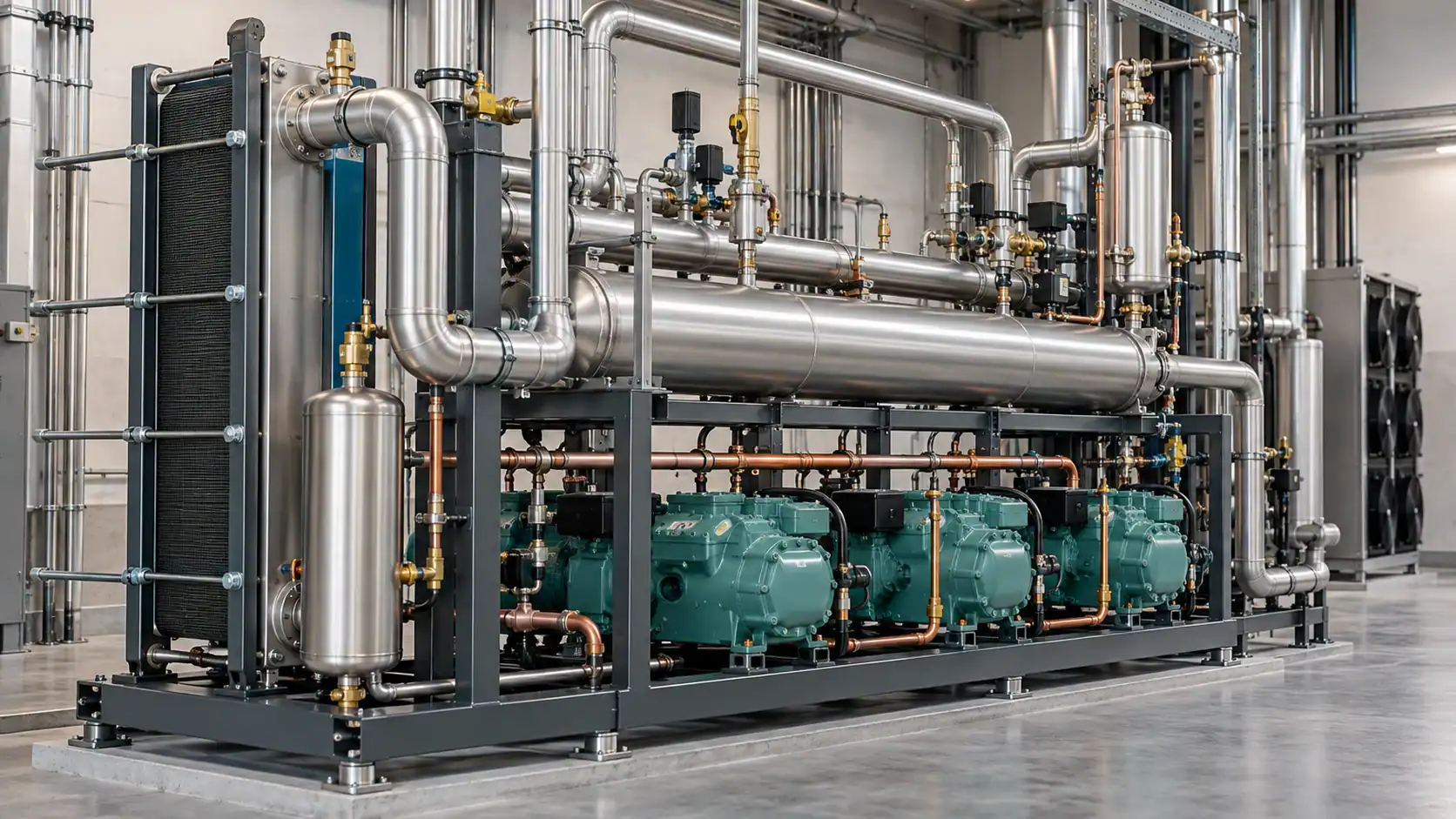
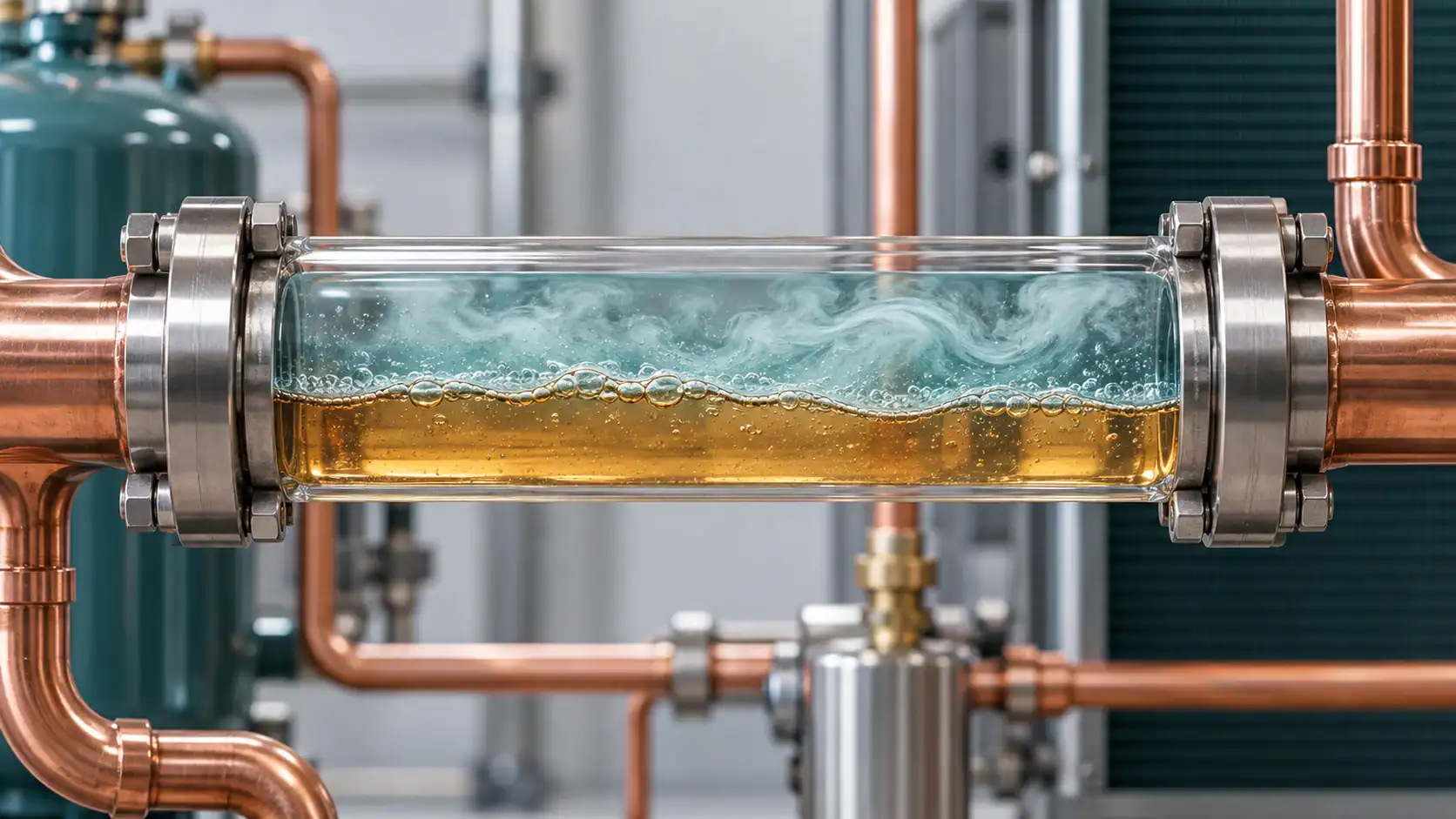
All images in this guide are AI-generated concept illustrations. They are not Domi product photos, factory records, test results, or approved equipment designs.

Refrigerant categories answer different questions
Start with the question you need to answer. A chemistry label describes what a refrigerant is made from. A designation identifies a particular substance or blend. A safety group summarizes a defined hazard classification. A regulatory listing applies to a named end use and jurisdiction. Treating these as interchangeable is a common source of specification errors.
- Chemical family: CFC, HCFC, HFC, HFO, hydrocarbon, or inorganic/natural refrigerant.
- Composition: single-component refrigerant or blend.
- Blend behavior: a zeotropic or azeotropic blend designation.
- Safety label: a classification shown for a specific refrigerant in the relevant standard or listing.
- Use status: the product, system type, market, and conditions named by the applicable authority.
AHRI’s published AHRI 700 page lists refrigerants by class and links to its 2024 SI edition. The list below is an index of names in that published scope. It is not a complete worldwide catalog, a current-market availability list, an approval list, or a substitute for the current standard and local rules. AHRI’s refrigerant scope and AHRI 700 downloads.

Main chemical families of refrigerants
CFC and HCFC refrigerants
Chlorofluorocarbons (CFCs) contain chlorine, fluorine, and carbon. Hydrochlorofluorocarbons (HCFCs) also contain hydrogen. EPA explains that these families can deplete stratospheric ozone, with HCFCs generally having lower ozone-depletion potential than CFCs. Many familiar designations in this group are associated with older equipment and phaseout or use restrictions. Check the rule for the equipment and date in question rather than treating an old service manual as current authorization. EPA’s SNAP refrigerant Q&A.
HFC refrigerants
Hydrofluorocarbons (HFCs) contain hydrogen, fluorine, and carbon. EPA states that HFCs do not significantly deplete the ozone layer, but many have high global-warming impacts. R-134a and R-404A are examples of familiar HFC or HFC-containing refrigerant types. A chemical-family label does not tell you the applicable GWP calculation, end-use status, or system compatibility.
HFO refrigerants
Hydrofluoroolefins (HFOs) are unsaturated fluorinated compounds. HFOs and HFO-containing blends appear in several newer equipment and retrofit discussions. Their performance, safety classification, and use conditions still need to be checked by product and end use. Do not assume that every HFO blend has the same properties or status.
Hydrocarbon refrigerants
Hydrocarbons include refrigerants such as propane (R-290), isobutane (R-600a), and butane (R-600). EPA’s end-use tables show that a hydrocarbon may be listed for a particular equipment type with specific use conditions. Flammability affects charge limits, system construction, installation, service procedures, and the applicable product standard. The refrigerant name alone does not establish that a design is safe.
Natural and inorganic refrigerants
In refrigeration discussions, natural refrigerants commonly include carbon dioxide (R-744), ammonia (R-717), and hydrocarbons such as R-290. These substances have different pressure, toxicity, flammability, efficiency, and equipment-design considerations. “Natural” is a description of origin, not a safety rating or universal design recommendation. EPA’s SNAP tables include product-specific classifications and end-use conditions for individual alternatives. EPA substitutes for industrial process refrigeration.
Single-component refrigerants and blends
cURL Too many subrequests by single Worker invocation. To configure this limit, refer to https://developers.cloudflare.com/workers/wrangler/configuration/#limits.
cURL Too many subrequests by single Worker invocation. To configure this limit, refer to https://developers.cloudflare.com/workers/wrangler/configuration/#limits.
cURL Too many subrequests by single Worker invocation. To configure this limit, refer to https://developers.cloudflare.com/workers/wrangler/configuration/#limits
cURL Too many subrequests by single Worker invocation. To configure this limit, refer to https://developers.cloudflare.com/workers/wrangler/configuration/#limits. cURL Too many subrequests by single Worker invocation. To configure this limit, refer to https://developers.cloudflare.com/workers/wrangler/configuration/#limits.
cURL Too many subrequests by single Worker invocation. To configure this limit, refer to https://developers.cloudflare.com/workers/wrangler/configuration/#limits
cURL Too many subrequests by single Worker invocation. To configure this limit, refer to https://developers.cloudflare.com/workers/wrangler/configuration/#limits.
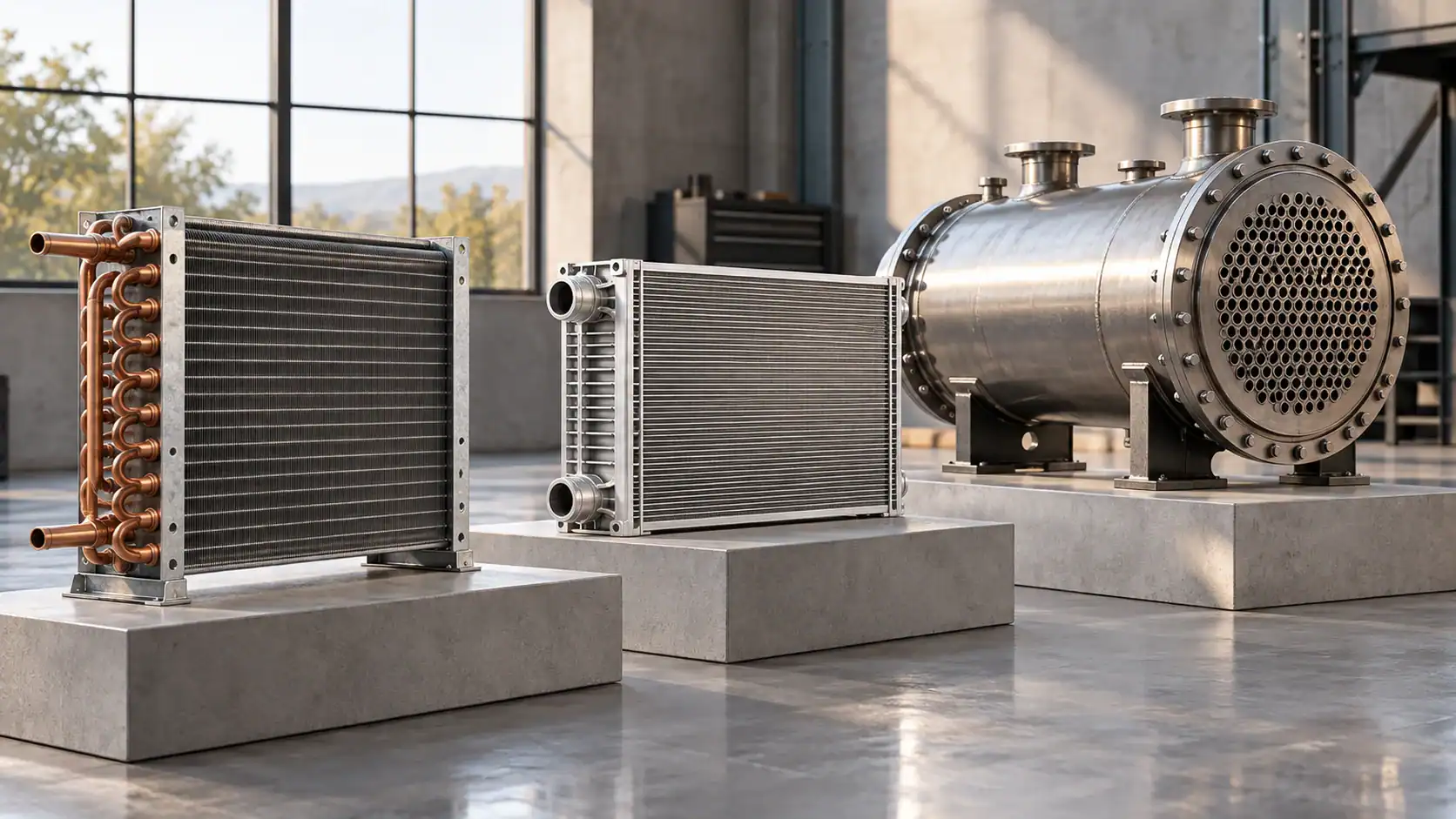
Quels fluides frigorigènes sont utilisés en réfrigération commerciale ?
cURL Too many subrequests by single Worker invocation. To configure this limit, refer to https://developers.cloudflare.com/workers/wrangler/configuration/#limits. cURL Too many subrequests by single Worker invocation. To configure this limit, refer to https://developers.cloudflare.com/workers/wrangler/configuration/#limits.
cURL Too many subrequests by single Worker invocation. To configure this limit, refer to https://developers.cloudflare.com/workers/wrangler/configuration/#limits
cURL Too many subrequests by single Worker invocation. To configure this limit, refer to https://developers.cloudflare.com/workers/wrangler/configuration/#limits cURL Too many subrequests by single Worker invocation. To configure this limit, refer to https://developers.cloudflare.com/workers/wrangler/configuration/#limits cURL Too many subrequests by single Worker invocation. To configure this limit, refer to https://developers.cloudflare.com/workers/wrangler/configuration/#limits.

cURL Too many subrequests by single Worker invocation. To configure this limit, refer to https://developers.cloudflare.com/workers/wrangler/configuration/#limits
cURL Too many subrequests by single Worker invocation. To configure this limit, refer to https://developers.cloudflare.com/workers/wrangler/configuration/#limits.
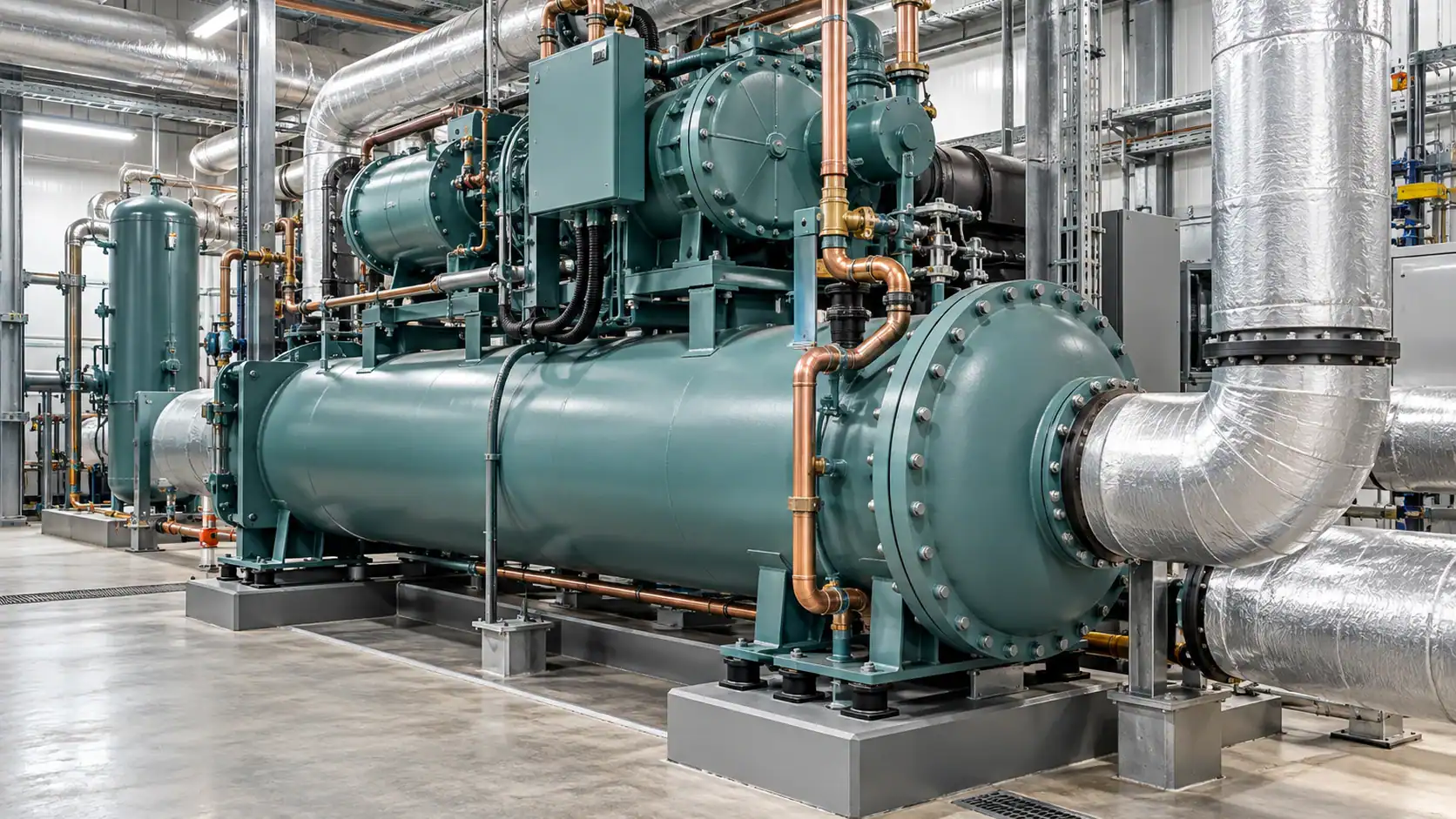
cURL Too many subrequests by single Worker invocation. To configure this limit, refer to https://developers.cloudflare.com/workers/wrangler/configuration/#limits
cURL Too many subrequests by single Worker invocation. To configure this limit, refer to https://developers.cloudflare.com/workers/wrangler/configuration/#limits. cURL Too many subrequests by single Worker invocation. To configure this limit, refer to https://developers.cloudflare.com/workers/wrangler/configuration/#limits.
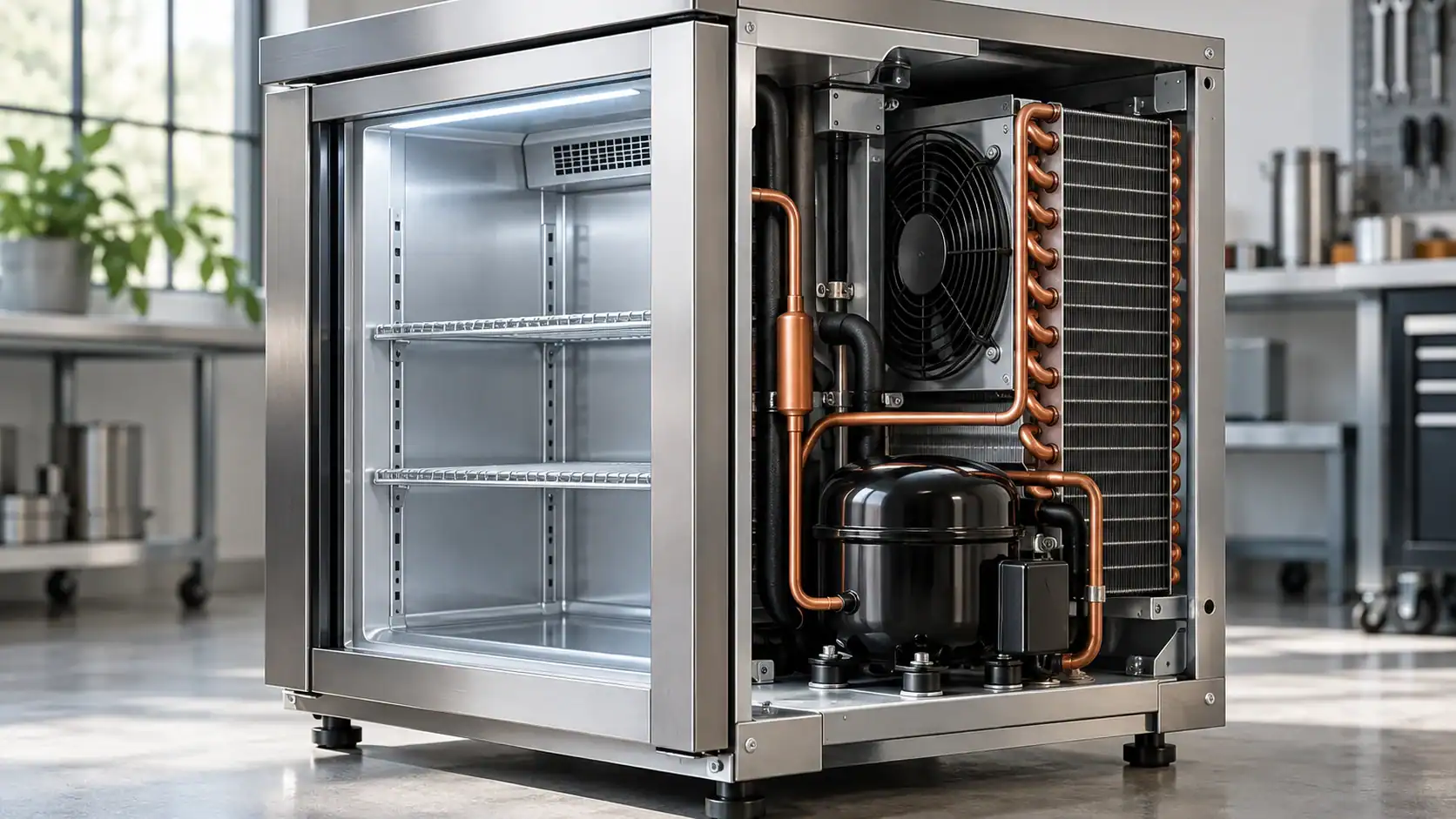
cURL Too many subrequests by single Worker invocation. To configure this limit, refer to https://developers.cloudflare.com/workers/wrangler/configuration/#limits
cURL Too many subrequests by single Worker invocation. To configure this limit, refer to https://developers.cloudflare.com/workers/wrangler/configuration/#limits.
- cURL Too many subrequests by single Worker invocation. To configure this limit, refer to https://developers.cloudflare.com/workers/wrangler/configuration/#limits cURL Too many subrequests by single Worker invocation. To configure this limit, refer to https://developers.cloudflare.com/workers/wrangler/configuration/#limits.
- cURL Too many subrequests by single Worker invocation. To configure this limit, refer to https://developers.cloudflare.com/workers/wrangler/configuration/#limits cURL Too many subrequests by single Worker invocation. To configure this limit, refer to https://developers.cloudflare.com/workers/wrangler/configuration/#limits.
- cURL Too many subrequests by single Worker invocation. To configure this limit, refer to https://developers.cloudflare.com/workers/wrangler/configuration/#limits cURL Too many subrequests by single Worker invocation. To configure this limit, refer to https://developers.cloudflare.com/workers/wrangler/configuration/#limits.
- cURL Too many subrequests by single Worker invocation. To configure this limit, refer to https://developers.cloudflare.com/workers/wrangler/configuration/#limits cURL Too many subrequests by single Worker invocation. To configure this limit, refer to https://developers.cloudflare.com/workers/wrangler/configuration/#limits.
- Blend behavior: cURL Too many subrequests by single Worker invocation. To configure this limit, refer to https://developers.cloudflare.com/workers/wrangler/configuration/#limits.
- cURL Too many subrequests by single Worker invocation. To configure this limit, refer to https://developers.cloudflare.com/workers/wrangler/configuration/#limits cURL Too many subrequests by single Worker invocation. To configure this limit, refer to https://developers.cloudflare.com/workers/wrangler/configuration/#limits.
- cURL Too many subrequests by single Worker invocation. To configure this limit, refer to https://developers.cloudflare.com/workers/wrangler/configuration/#limits refrigerant availability, service support, cylinder or bulk supply, lead time, and local handling requirements.
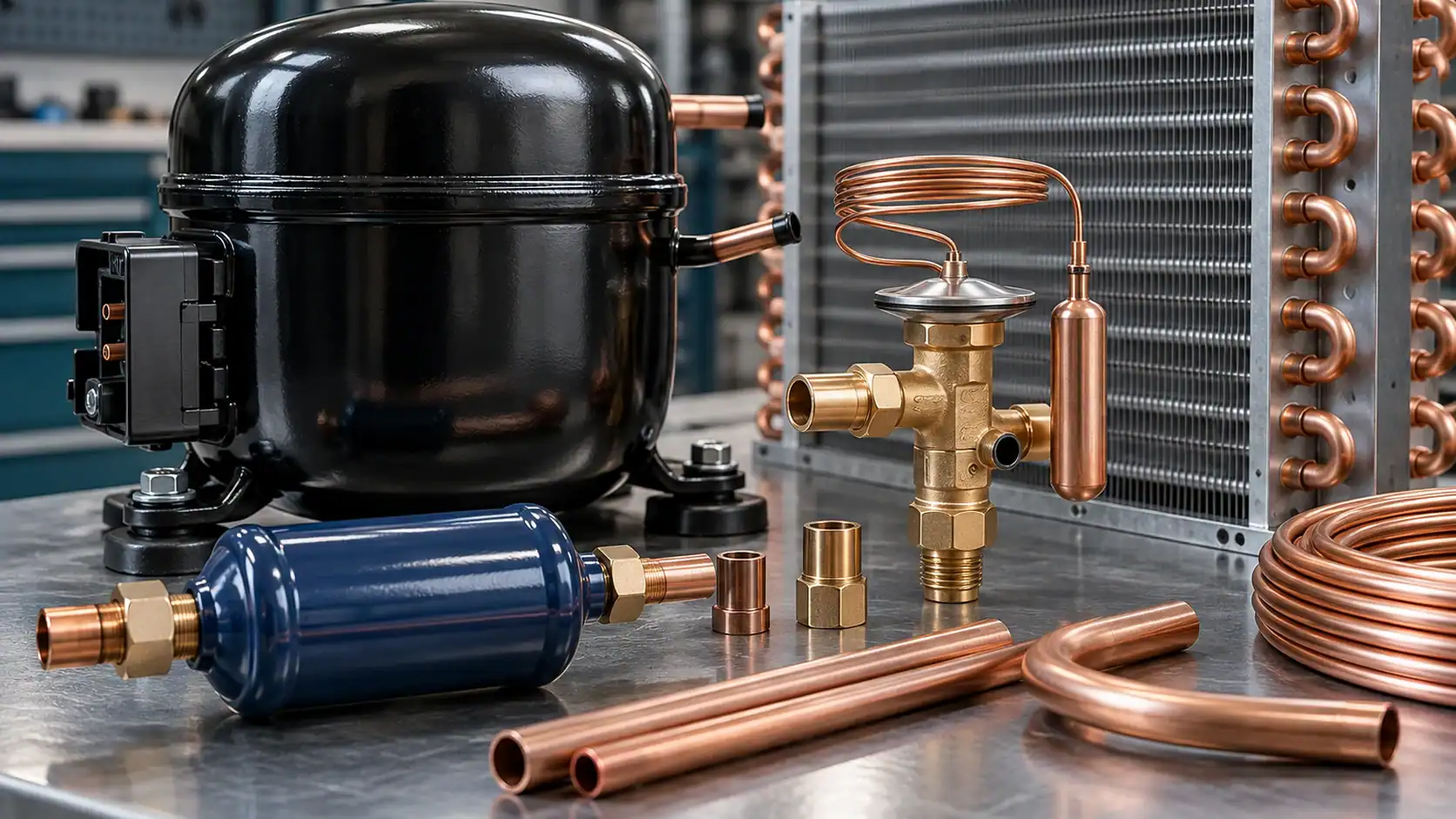
EPA notes that its SNAP program assesses environmental and health acceptability for a specific use. It does not choose the most effective refrigerant for the buyer’s equipment or validate a coil design. Confirm performance and component compatibility with the system manufacturer and responsible engineer. EPA’s SNAP Q&A on substitute selection.


What to include in a refrigerant or coil RFQ
Send enough information for the supplier to check the coil interface and quote the correct configuration. Mark unknown values as open items instead of guessing.
- Refrigerant designation and whether it is a single component or blend
- Application and equipment category, country of installation, and new or retrofit status
- Required cooling capacity and the rating conditions used to calculate it
- Evaporating and condensing conditions, ambient range, airflow or water flow, and target temperature
- Coil envelope, circuit count, tube and fin materials, connection details, and coating requirements
- Pressure and temperature design limits, test requirements, and applicable standards
- Quantity, sample or prototype needs, packaging, delivery destination, and target timing
- Required drawings, inspection records, leak-test method, or other quality documents

For custom heat exchanger requirements, review Domi’s custom coil fabrication options et capacités d’ingénierie. Include the refrigerant and operating points in the drawing package so the design can be reviewed against the intended system.
Questions fréquemment posées
What are the main types of refrigerants?
Common groups include CFCs, HCFCs, HFCs, HFOs, hydrocarbons, inorganic refrigerants, and blends. The group describes chemistry or composition. It does not tell you whether a refrigerant is suitable for a specific system or allowed for a specific end use.
What refrigerant types are used in commercial refrigeration?
Examples include R-744 carbon dioxide, R-717 ammonia, R-290 propane, and equipment-specific HFC or HFO blends. The correct option depends on the system category, temperature, capacity, charge, safety design, service capability, and the current end-use rules.
How many refrigerant types are there?
There are more than 100 refrigerant designations across single-component fluids and blends. The index in this guide follows names included in AHRI’s published AHRI 700 scope. It should not be read as a list of currently available or universally approved refrigerants.
What is the difference between refrigerant family and safety class?
A chemical family describes molecular composition, such as HFC or hydrocarbon. A safety classification is a separate field assigned under a specific classification system. Regulatory use conditions are another separate decision. Verify all three for the exact product and market.
Is R-410A a single refrigerant or a blend?
R-410A is a designated refrigerant blend, not a single chemical compound. Its code does not tell you that a system built for another refrigerant can be charged with R-410A or converted without engineering review.
Is R-744 the same as carbon dioxide refrigeration?
Yes. R-744 is the refrigerant designation for carbon dioxide. A system designed for R-744 must still be engineered for its operating pressures, temperature range, components, and application.
Does appearing in a refrigerant list mean a type is approved for my equipment?
No. A name in a standards or purity scope list is not a blanket approval. EPA’s SNAP determinations are tied to specific substitutes and end uses, sometimes with additional conditions. Check the current authority for the exact equipment category and jurisdiction.
Can an OEM replace one refrigerant with another without changing the coil?
Do not assume so. The replacement can change operating pressures, capacity, mass flow, heat-transfer behavior, oil and component requirements, and safety provisions. Have the equipment designer evaluate the full system and approve the coil specification before a change.
Related refrigeration resources
Discuss a custom coil requirement
Send the refrigerant, application, rating conditions, coil envelope, connections, quantity, and target delivery schedule with your inquiry. Domi’s team can review the information needed for a custom coil quotation.