
Refrigerant types are commonly grouped in three different ways: by chemical family, by whether the fluid is a single compound or blend, and by its safety classification. These labels answer different questions. They do not by themselves prove that a refrigerant is suitable, available, or legally acceptable for a particular system. This guide explains the categories, indexes more than 100 refrigerant designations listed in AHRI 700’s published scope, and shows what commercial refrigeration buyers should verify before specifying coils or equipment.
Jump to a section: Refrigerant categories · Chemical families · 100+ designations · Commercial uses · Coil compatibility · RFQ checklist · よくあるご質問
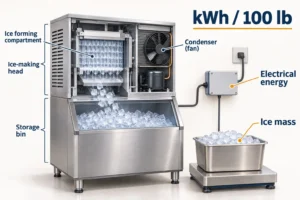
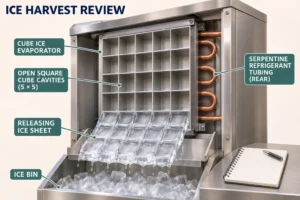
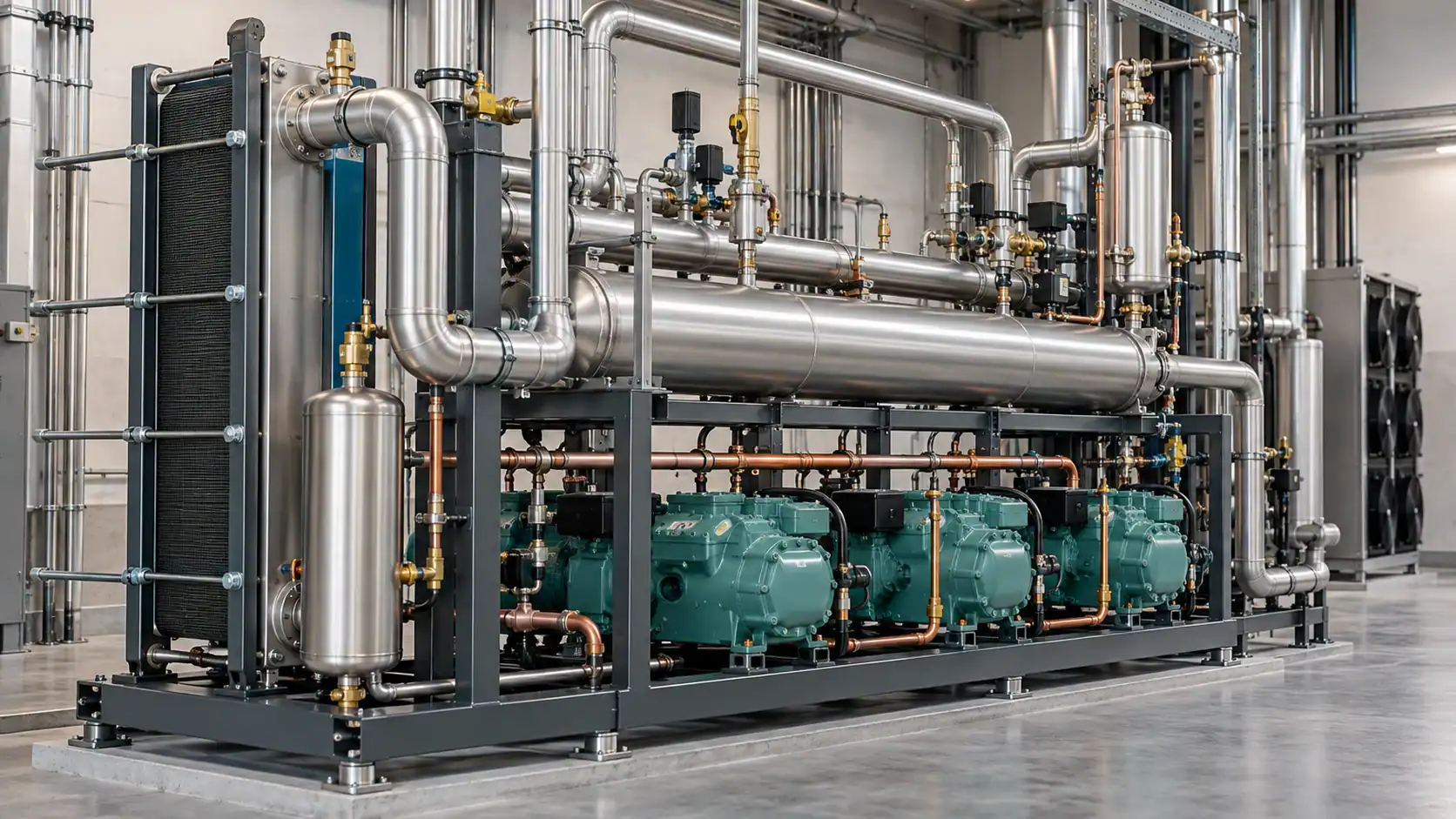
All images in this guide are AI-generated concept illustrations. They are not Domi product photos, factory records, test results, or approved equipment designs.

冷媒の分類はどのような疑問に答えますか?
Start with the question you need to answer. A chemistry label describes what a refrigerant is made from. A designation identifies a particular substance or blend. A safety group summarizes a defined hazard classification. A regulatory listing applies to a named end use and jurisdiction. Treating these as interchangeable is a common source of specification errors.
- Chemical family: CFC, HCFC, HFC, HFO, hydrocarbon, or inorganic/natural refrigerant.
- Composition: single-component refrigerant or blend.
- Blend behavior: a zeotropic or azeotropic blend designation.
- Safety label: a classification shown for a specific refrigerant in the relevant standard or listing.
- Use status: the product, system type, market, and conditions named by the applicable authority.
AHRI’s published AHRI 700 page lists refrigerants by class and links to its 2024 SI edition. The list below is an index of names in that published scope. It is not a complete worldwide catalog, a current-market availability list, an approval list, or a substitute for the current standard and local rules. AHRI’s refrigerant scope and AHRI 700 downloads.

冷媒の主な化学系統
CFC・HCFC冷媒
Chlorofluorocarbons (CFCs) contain chlorine, fluorine, and carbon. Hydrochlorofluorocarbons (HCFCs) also contain hydrogen. EPA explains that these families can deplete stratospheric ozone, with HCFCs generally having lower ozone-depletion potential than CFCs. Many familiar designations in this group are associated with older equipment and phaseout or use restrictions. Check the rule for the equipment and date in question rather than treating an old service manual as current authorization. EPA’s SNAP refrigerant Q&A.
HFC冷媒
Hydrofluorocarbons (HFCs) contain hydrogen, fluorine, and carbon. EPA states that HFCs do not significantly deplete the ozone layer, but many have high global-warming impacts. R-134a and R-404A are examples of familiar HFC or HFC-containing refrigerant types. A chemical-family label does not tell you the applicable GWP calculation, end-use status, or system compatibility.
HFO冷媒
Hydrofluoroolefins (HFOs) are unsaturated fluorinated compounds. HFOs and HFO-containing blends appear in several newer equipment and retrofit discussions. Their performance, safety classification, and use conditions still need to be checked by product and end use. Do not assume that every HFO blend has the same properties or status.
炭化水素冷媒
Hydrocarbons include refrigerants such as propane (R-290), isobutane (R-600a), and butane (R-600). EPA’s end-use tables show that a hydrocarbon may be listed for a particular equipment type with specific use conditions. Flammability affects charge limits, system construction, installation, service procedures, and the applicable product standard. The refrigerant name alone does not establish that a design is safe.
自然冷媒・無機冷媒
In refrigeration discussions, natural refrigerants commonly include carbon dioxide (R-744), ammonia (R-717), and hydrocarbons such as R-290. These substances have different pressure, toxicity, flammability, efficiency, and equipment-design considerations. “Natural” is a description of origin, not a safety rating or universal design recommendation. EPA’s SNAP tables include product-specific classifications and end-use conditions for individual alternatives. EPA substitutes for industrial process refrigeration.
単一成分冷媒と混合冷媒
単一成分冷媒は1種類の化合物で構成されます。混合冷媒は、定義された番号と組成に基づき2種類以上の成分を組み合わせたものです。混合冷媒は非共沸混合冷媒と共沸混合冷媒に分類できます。圧力・温度特性、温度グライド、充填手順、運転範囲は、特定の混合冷媒とシステムによって異なります。機器メーカーのデータと冷媒供給業者の技術資料に従ってください。
以下の例は名称のみです。冷媒番号だけでは、安全な運転圧力、GWP値、充填量制限、承認状況、改造方法は判断できません。設計判断には最新の技術データを使用してください。
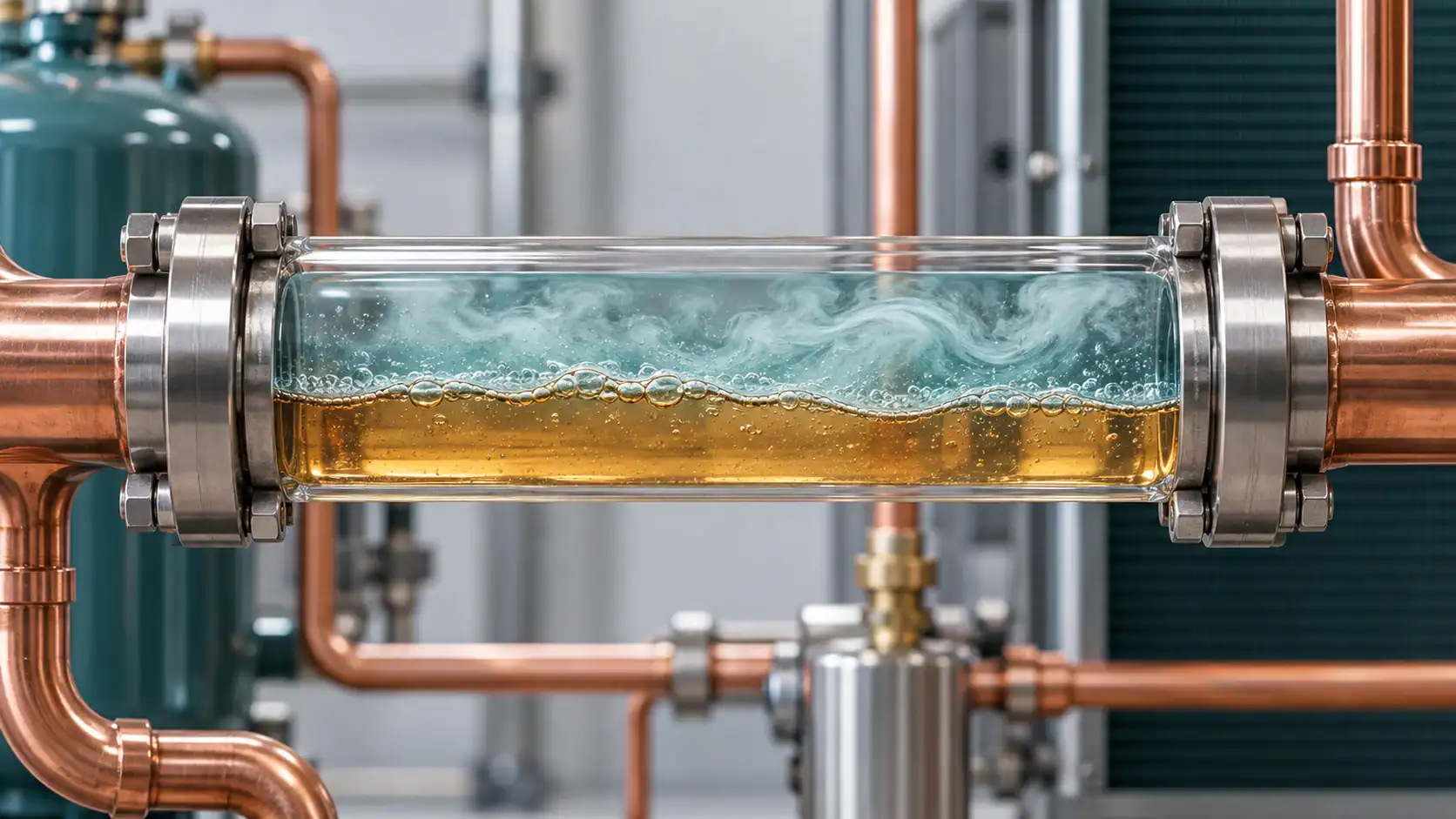
AHRI 700における100種類以上の冷媒番号
この一覧には、AHRIが公表する冷媒対象範囲に記載された100種類を超える冷媒番号をまとめています。図面、サービス記録、製品資料、RFQで冷媒名を確認するための参考情報です。掲載されているからといって、現在販売されている、特定用途で使用可能である、または特定機器に適合するとは限りません。EPAのSNAP判定は、代替冷媒と最終用途ごとに行われます。SNAPの確認方法はEPAの案内を参照してください。 EPAはSNAPの適合状況を確認する方法を説明しています。.
単一成分フルオロカーボン冷媒の番号
R-11、R-12、R-13、R-22、R-23、R-32、R-113、R-114、R-115、R-116、R-123、R-124、R-125、R-134a、R-141b、R-142b、R-143a、R-152a、R-218、R-227ea、R-236fa、R-245fa、R-1224yd(Z)、R-1233zd(E)、R-1234yf、R-1234ze(E)、R-1336mzz(Z)、R-1336mzz(E)。
単一成分炭化水素冷媒の番号
R-50、R-170、R-E170、R-290、R-600、R-600a、R-601、R-601a、R-610、R-1150、R-1270。
二酸化炭素(R-744)
R-744(二酸化炭素)。
非共沸混合冷媒の番号
R-401A、R-401B、R-402A、R-402B、R-403A、R-403B、R-404A、R-405A、R-406A、R-407A、R-407B、R-407C、R-407D、R-407E、R-407F、R-407G、R-407H、R-407I、R-408A、R-409A、R-409B、R-410A、R-410B、R-411A、R-411B、R-412A、R-413A、R-414A、R-414B、R-415A、R-415B、R-416A、R-417A、R-417B、R-417C、R-418A、R-419A、R-419B、R-420A、R-421A、R-421B、R-422A、R-422B、R-422C、R-422D、R-422E、R-423A、R-424A、R-425A、R-426A、R-427A、R-428A、R-429A、R-430A、R-431A、R-434A、R-435A、R-437A、R-438A、R-439A、R-440A、R-442A、R-444A、R-444B、R-445A、R-446A、R-447A、R-447B、R-448A、R-449A、R-449B、R-449C、R-450A、R-451A、R-451B、R-452A、R-452B、R-452C、R-453A、R-454A、R-454B、R-454C、R-454D、R-455A、R-455B、R-455C、R-456A、R-457A、R-457B、R-457C、R-457D、R-459B、R-460A、R-460B、R-460C、R-461A、R-462A、R-463A、R-464A、R-465A、R-466A、R-467A、R-468A、R-468B、R-468C、R-469A、R-470A、R-470B、R-471A、R-472A、R-472B、R-473A、R-475A、R-476A、R-477A、R-477B、R-478A.
非共沸炭化水素混合冷媒の番号
R-432A、R-433A、R-433B、R-433C、R-436A、R-436B、R-441A、R-443A.
共沸混合冷媒の番号
R-500、R-502、R-503、R-507A、R-508A、R-508B、R-509A、R-510A、R-511A、R-512A、R-513A、R-513B、R-514A、R-515A、R-515B、R-516A.
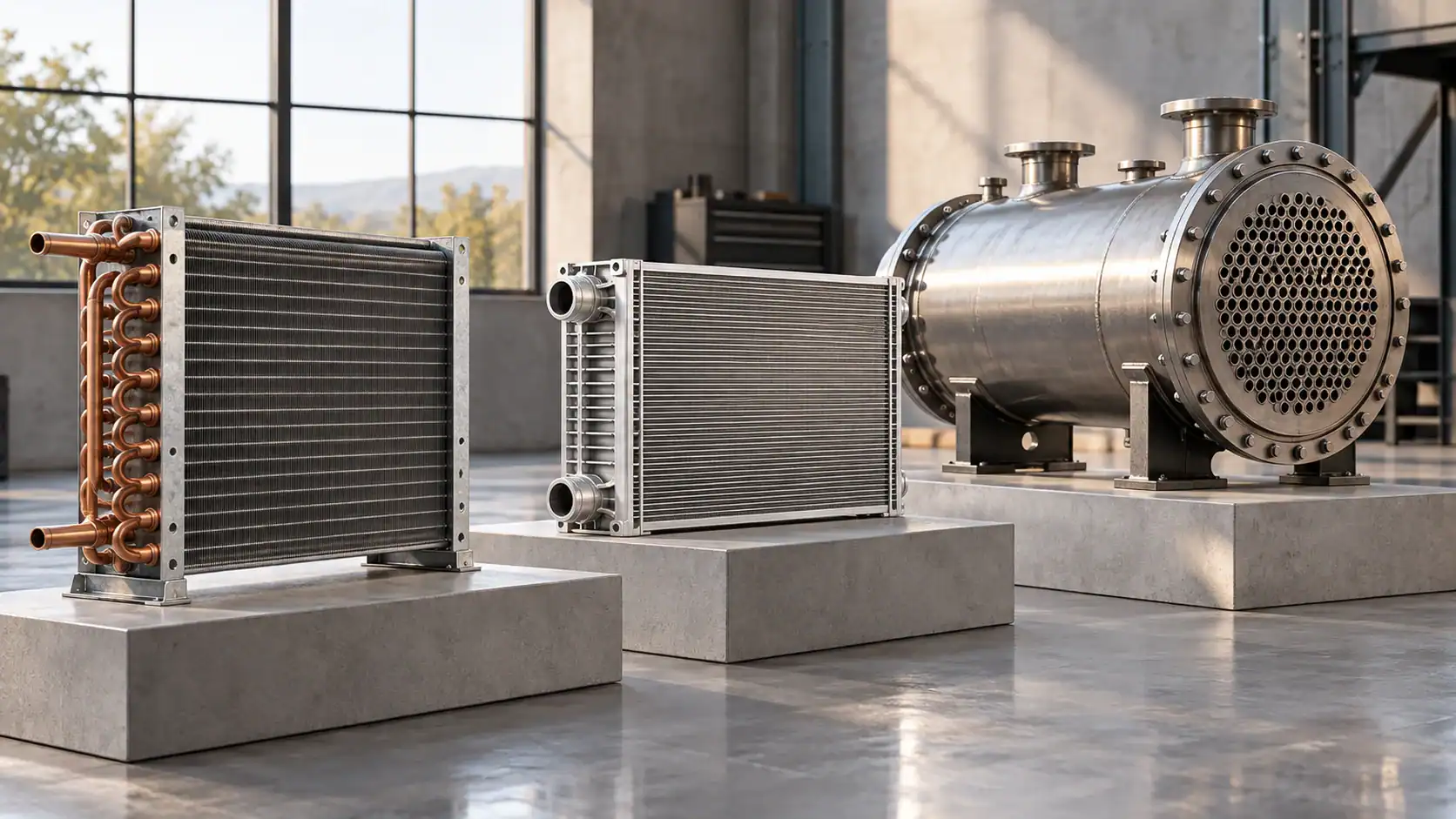
商業用冷凍で使用される冷媒は何ですか?
すべての業務用システムに適した単一の冷媒はありません。候補は、機器カテゴリ、能力、温度帯、充填量、設計圧力、使用環境、地域規則、保守体制によって決まります。業務用・産業用でよく挙がる例は二酸化炭素(R-744)、アンモニア(R-717)、プロパン(R-290)、一部のHFC/HFO混合冷媒です。EPAの最新表は、スーパーマーケット設備、産業プロセス冷凍、低温倉庫、輸送など用途別に分かれています。ある表への掲載を別カテゴリへそのまま適用しないでください。EPAのSNAP代替冷媒は最終用途別に確認します。 冷凍・冷蔵の最終用途別に見たEPAのSNAP代替冷媒.
食品小売向け業務用機器と内蔵型機器
小売ショーケース、リモートコンデンシングユニット、製氷機、内蔵型キャビネットは、それぞれ別の用途カテゴリです。充填量、機器設計、安全機能、使用可能な冷媒が異なる場合があります。冷媒を比較する前に、正確な製品種別と新設か改造かを確認してください。EPAの家庭用冷蔵庫・冷凍庫表は、特定用途に限定された掲載の一例であり、一般的な業務用承認表ではありません。 家庭用冷蔵庫・冷凍庫の表 これは用途を限定した掲載の一例であり、業務用全般の承認表ではありません。

産業用プロセス冷凍・冷蔵と低温倉庫
産業システムでは、専用機器、安全制御、運転者教育、緊急時対応計画が必要な冷媒を使用することがあります。アンモニアと二酸化炭素は産業用途で扱われますが、設計要件は互換ではありません。責任技術者とともに、システム規格、機器データ、運転条件、地域の法規を確認してください。
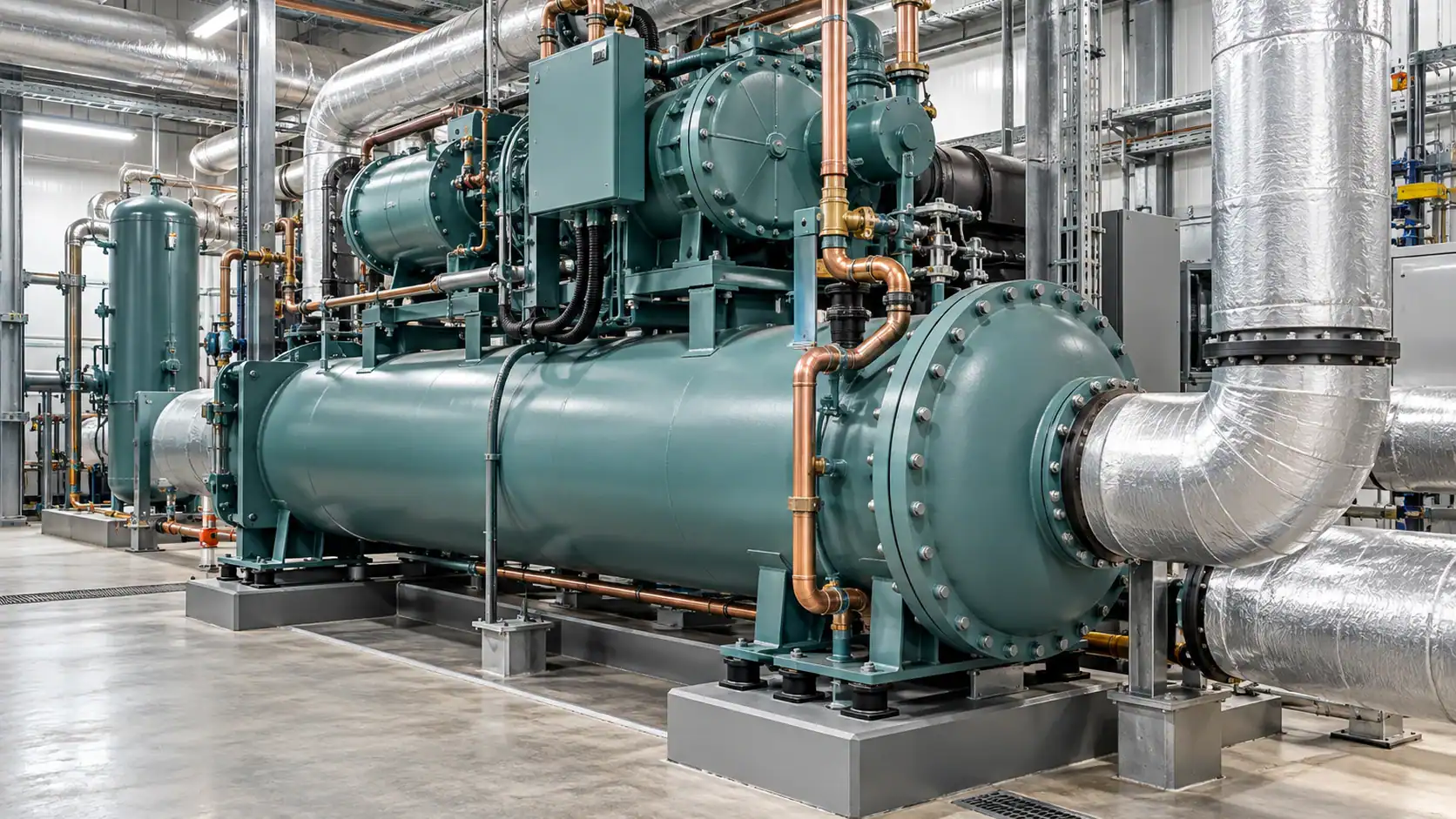
小型業務用冷蔵庫
小型内蔵型機器は、大型ラックシステムとは冷媒充填量と構造上の考慮点が異なります。EPAは、現在のページに示す範囲と条件に従い、特定の冷蔵庫・冷凍庫カテゴリでR-290とR-600aを掲載しています。EPAの家庭用冷蔵庫・冷凍庫の掲載内容を確認してください。 EPAの家庭用冷蔵庫・冷凍庫の掲載情報.
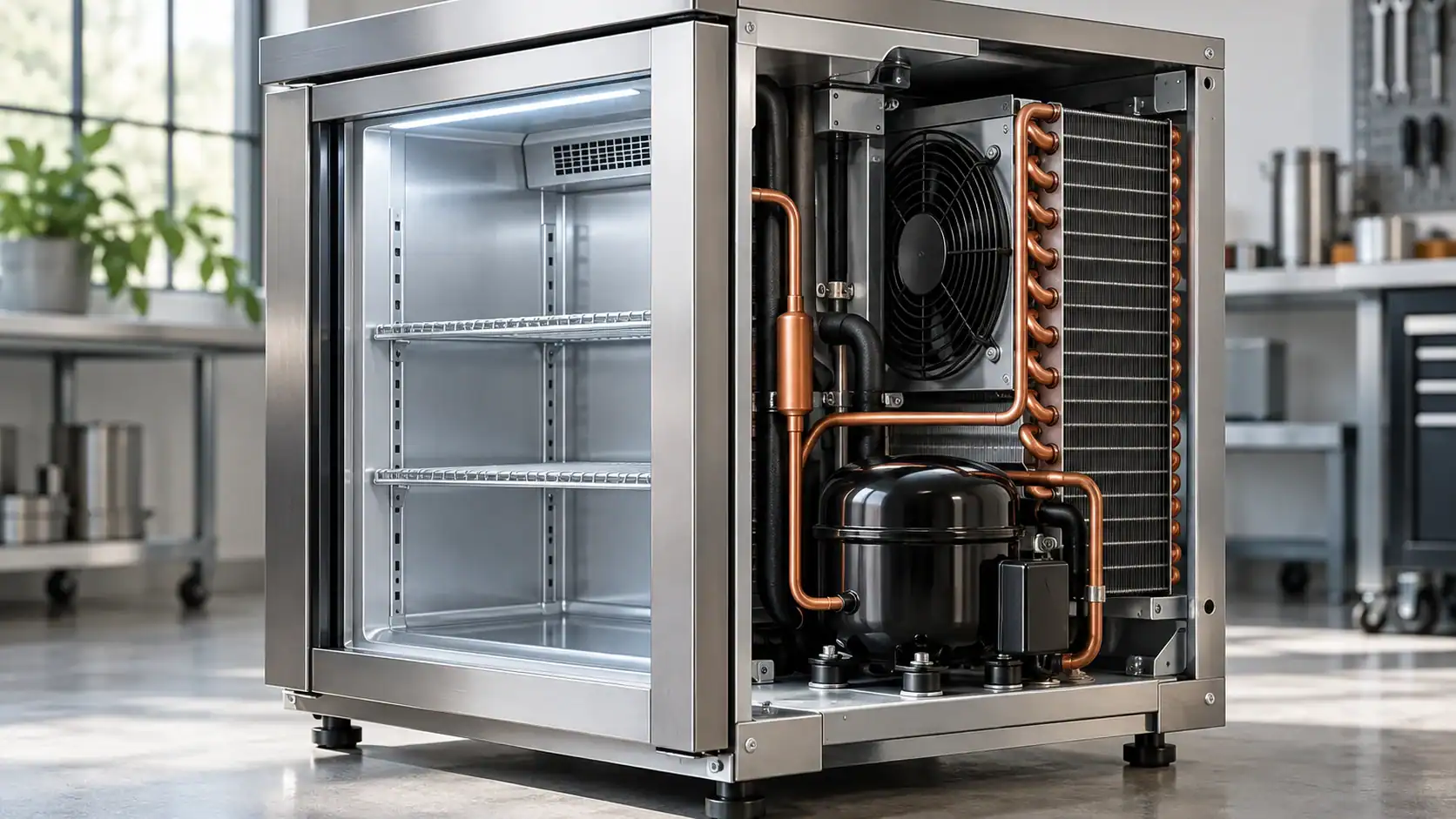
コイル仕様を決める前に冷媒の種類を比較
OEMや機器購入者にとって、最初に確認すべきは用途全体です。コイルは冷媒名だけでは選定できません。コイル供給業者に設計条件を共有し、図面を発行する前にシステム技術者の冷媒選定を確認してください。
- 運転点: 蒸発温度・凝縮温度、周囲温度範囲、過熱度、過冷却度、目標能力。
- 圧力・温度限界: 設計圧力、試験圧力、最高運転温度、過渡状態。
- 熱交換器: 回路構成、チューブ径、フィンピッチ、正面面積、材質、コーティング、接続位置、許容圧力損失。
- システム構成部品: 圧縮機型式、油、膨張装置、バルブ、ドライヤー、シール、承認済み部品の組み合わせ。
- Blend behavior: 組成、温度グライド、充填方法、性能比較に用いる定格条件。
- 安全性・適合性: 充填量、室内面積、換気、漏えい検知、機器の認証、表示、保守方法、適用市場の規則。
- 供給: 冷媒の入手性、保守サポート、容器またはバルク供給、納期、地域の取扱要件。
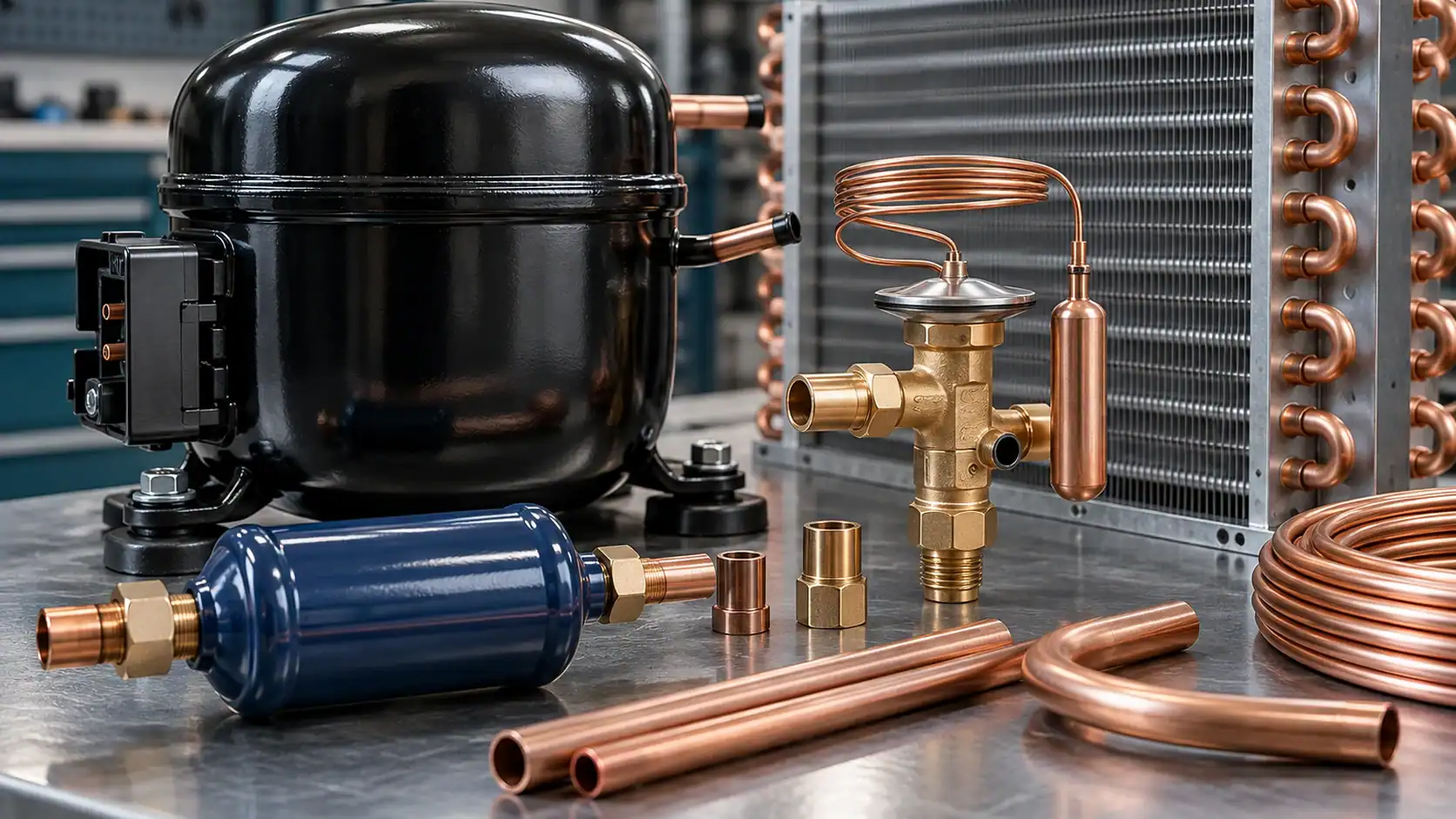
EPA notes that its SNAP program assesses environmental and health acceptability for a specific use. It does not choose the most effective refrigerant for the buyer’s equipment or validate a coil design. Confirm performance and component compatibility with the system manufacturer and responsible engineer. EPA’s SNAP Q&A on substitute selection.
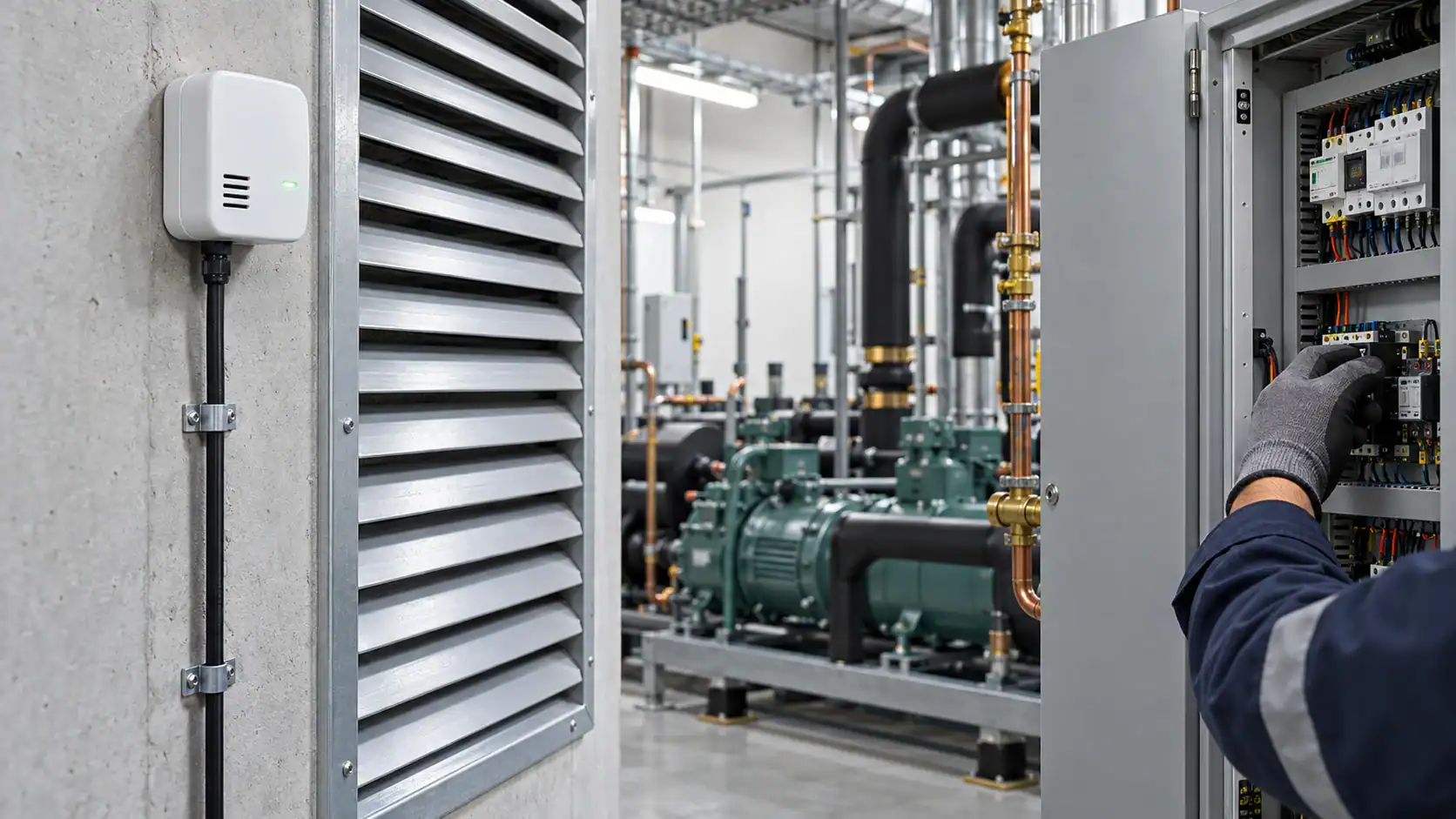

冷媒またはコイルのRFQに含める情報
Send enough information for the supplier to check the coil interface and quote the correct configuration. Mark unknown values as open items instead of guessing.
- Refrigerant designation and whether it is a single component or blend
- Application and equipment category, country of installation, and new or retrofit status
- Required cooling capacity and the rating conditions used to calculate it
- Evaporating and condensing conditions, ambient range, airflow or water flow, and target temperature
- Coil envelope, circuit count, tube and fin materials, connection details, and coating requirements
- Pressure and temperature design limits, test requirements, and applicable standards
- Quantity, sample or prototype needs, packaging, delivery destination, and target timing
- Required drawings, inspection records, leak-test method, or other quality documents
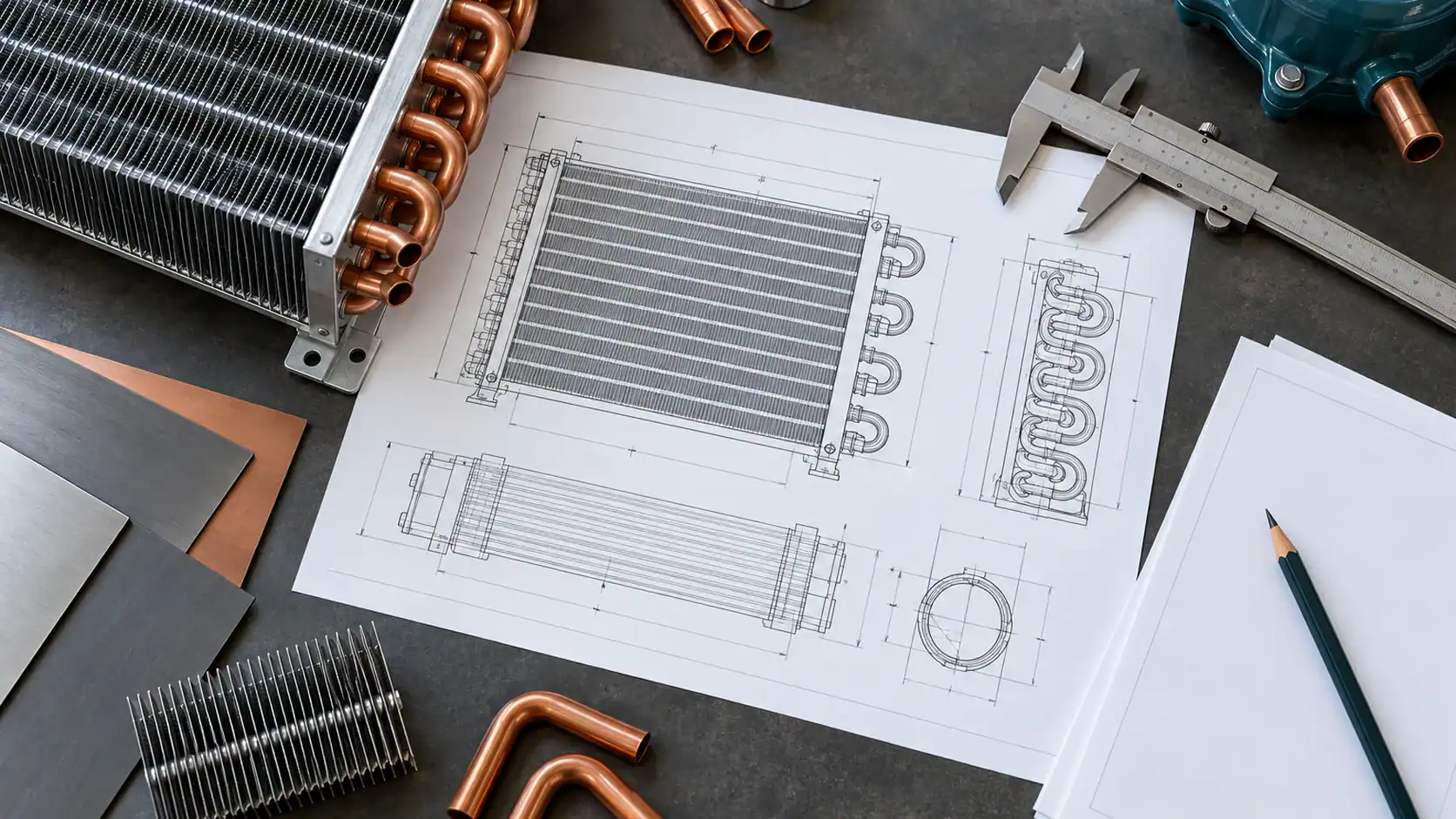
カスタム熱交換器の要件を確認 Domi’s custom coil fabrication options および エンジニアリング能力. Include the refrigerant and operating points in the drawing package so the design can be reviewed against the intended system.
よくあるご質問
冷媒にはどのような種類がありますか?
Common groups include CFCs, HCFCs, HFCs, HFOs, hydrocarbons, inorganic refrigerants, and blends. The group describes chemistry or composition. It does not tell you whether a refrigerant is suitable for a specific system or allowed for a specific end use.
業務用冷凍・冷蔵で使われる冷媒は?
Examples include R-744 carbon dioxide, R-717 ammonia, R-290 propane, and equipment-specific HFC or HFO blends. The correct option depends on the system category, temperature, capacity, charge, safety design, service capability, and the current end-use rules.
冷媒は何種類ありますか?
There are more than 100 refrigerant designations across single-component fluids and blends. The index in this guide follows names included in AHRI’s published AHRI 700 scope. It should not be read as a list of currently available or universally approved refrigerants.
冷媒の化学系統と安全区分の違いは?
A chemical family describes molecular composition, such as HFC or hydrocarbon. A safety classification is a separate field assigned under a specific classification system. Regulatory use conditions are another separate decision. Verify all three for the exact product and market.
R-410Aは単一冷媒ですか、それとも混合冷媒ですか?
R-410Aは単一の化合物ではなく、指定された冷媒混合物です。記号だけで、別の冷媒向けに構成されたシステムへR-410Aを充填できる、またはエンジニアリングレビューなしに変換できるとは判断できません。
R-744は二酸化炭素冷媒と同じですか?
Yes. R-744 is the refrigerant designation for carbon dioxide. A system designed for R-744 must still be engineered for its operating pressures, temperature range, components, and application.
冷媒リストに掲載されていれば、自社機器で使用承認済みという意味ですか?
No. A name in a standards or purity scope list is not a blanket approval. EPA’s SNAP determinations are tied to specific substitutes and end uses, sometimes with additional conditions. Check the current authority for the exact equipment category and jurisdiction.
OEMはコイルを変更せずに冷媒を別の種類へ置き換えられますか?
Do not assume so. The replacement can change operating pressures, capacity, mass flow, heat-transfer behavior, oil and component requirements, and safety provisions. Have the equipment designer evaluate the full system and approve the coil specification before a change.
冷凍・冷蔵関連リソース
カスタムコイルの仕様を相談
お問い合わせの際は、冷媒、用途、定格条件、コイル外形、接続仕様、数量、希望納期をお知らせください。Domiチームがカスタムコイル見積もりに必要な情報を確認します。