

Reliable Thermal Components for Food Service, Retail & Supermarket Cooling
Domi supplies custom commercial refrigeration condensers, display-case evaporator coils, walk-in cooler coils, ice-machine heat exchangers and replacement components for supermarkets, restaurants, food-service equipment manufacturers and refrigeration distributors.
For drawing-based projects, Domi can review a refrigeration condenser coil or refrigeration evaporator coil against equipment dimensions, airflow, refrigerant and operating conditions.
Commercial Refrigeration Coils Built for Real Operating Challenges
Commercial refrigeration equipment operates around moisture, grease, frequent cleaning, tight installation spaces and long running hours. Coil structure and material selection must match the real operating environment.
Corrosion in Humid Kitchens
Restaurants and food-preparation areas can expose coils to humidity, grease and cleaning chemicals. Project-specific coating options can help improve corrosion resistance.
Downtime from Failed Replacement Coils
Display cases, walk-ins and reach-in freezers need accurate replacement dimensions and clear communication to reduce equipment downtime.
Noise in Customer-Facing Areas
Restaurants, cafés and retail environments may require evaporator and fan selections that balance cooling performance with sound requirements.
Space-Limited Equipment Design
Prep tables, beverage cabinets and open merchandisers often require compact heat exchangers with controlled airflow and service access.
Custom Commercial Refrigeration Heat Exchanger Solutions
Commercial cooling components should be selected according to cabinet structure, airflow, refrigerant, humidity, corrosion exposure, noise limits and service requirements.
Retail Display Cooling
Suitable for: supermarket display cases, open-air merchandisers and refrigerated showcases.
Recommended: display-case evaporator coils, compact condensers, fan motors and low-noise airflow components.
A commercial refrigeration evaporator coil can be reviewed against cabinet dimensions, airflow direction, refrigerant and defrost requirements.
Food Service Refrigeration
Suitable for: prep tables, beverage coolers, ice machines and restaurant refrigeration.
Recommended: compact coils, coated condensers, reach-in evaporators and related cooling assemblies.
Cold Storage & Replacement Projects
Suitable for: walk-in coolers, cold rooms, reach-in freezers and urgent replacement projects.
Recommended: durable evaporator coils, replacement condensers and custom components manufactured from drawings or samples.
Engineered for Corrosion Resistance, Low Noise and Replacement Accuracy
Anti-Corrosion Coating Options
Coating options can be reviewed for humid kitchens, supermarket equipment and other demanding commercial refrigeration environments.
The exact surface treatment should be selected according to humidity, chemicals, cleaning frequency and buyer specifications.
Low-Noise Airflow Planning
Evaporator geometry, fan selection and airflow layout can be reviewed for restaurants, cafés and retail cooling equipment.
Final sound performance depends on the complete fan, coil, cabinet and airflow configuration.
Replacement Coil Review
Domi can review drawings, old coil photos, equipment models and reference samples for replacement condenser or evaporator projects.
Feasibility and lead time depend on dimensional information, tooling, quantity, materials and sample confirmation.
Commercial Refrigeration Application Areas
Domi supports condenser, evaporator and custom heat-exchanger projects across common food-service, retail and cold-storage applications.
Supermarket Display Cases
display case evaporator coil · open-air merchandiser · retail cooling
Coils designed around stable airflow, cabinet space, product visibility and service-friendly installation.
Walk-In Coolers
walk-in cooler evaporator coil · cold storage · reach-in freezer
Durable evaporator and condenser components for long operating hours, humidity and defrost requirements.
Ice Machines
ice machine condenser coil · compact heat exchanger
Compact condenser and tubing assemblies for repeated cooling cycles and limited installation space.
Restaurants & Commercial Kitchens
low-noise evaporator · prep table coil · commercial kitchen
Cooling components selected for humidity, grease exposure, customer-facing noise requirements and replacement access.
Beverage Coolers
beverage cooler heat exchanger · compact condenser
Small-format heat exchangers for drink cabinets, bottle coolers and compact commercial refrigeration equipment.
Blast Chillers
high-capacity evaporator · fast heat removal · defrost planning
Evaporator coils designed around rapid cooling, airflow, frost control and cleaning access.
Commercial Refrigeration Components We Can Support
Representative condenser, evaporator and heat-exchanger solutions for commercial refrigeration manufacturers, distributors and repair projects.
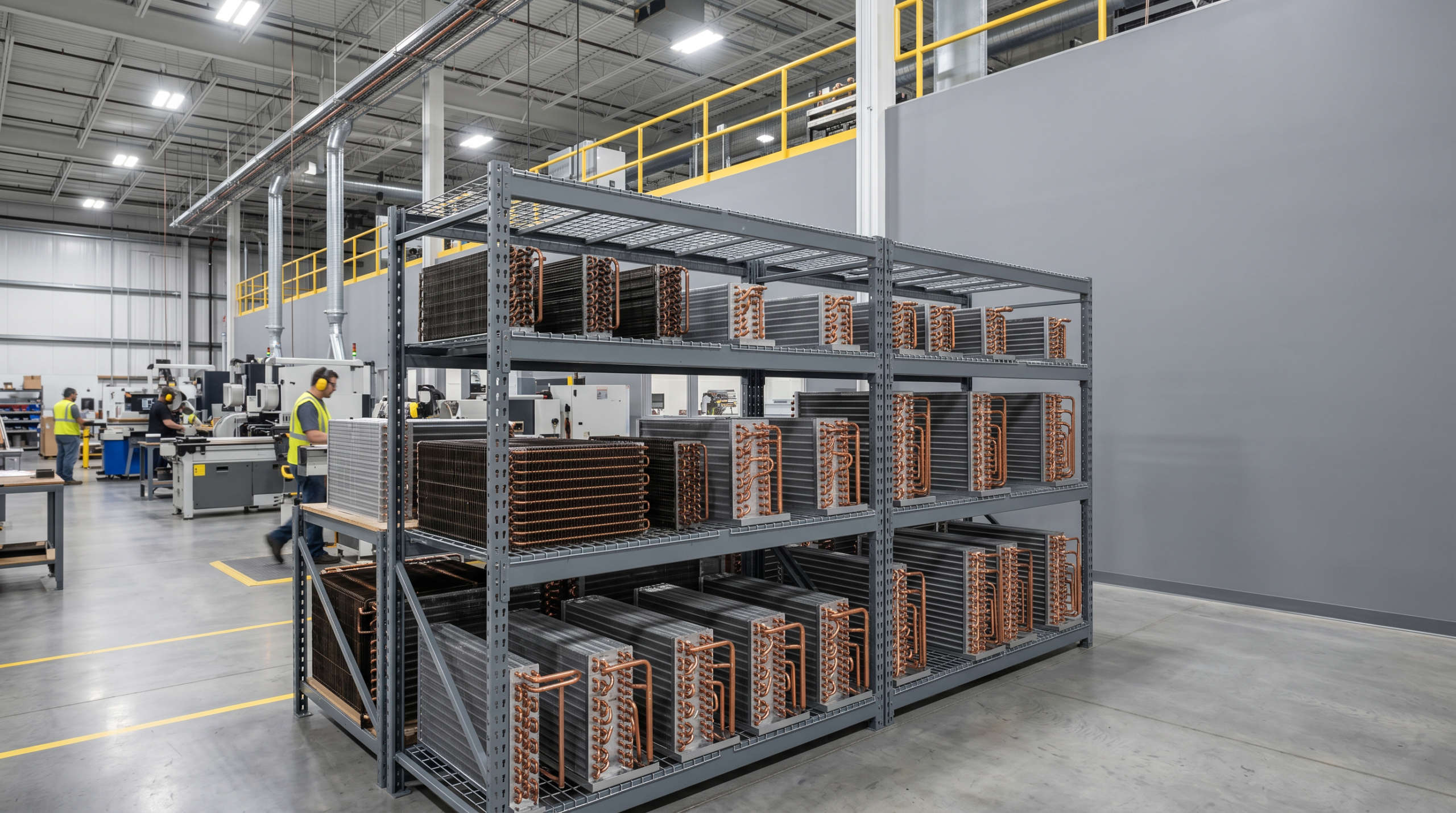
Commercial Refrigeration Condenser
Display cases, beverage coolers and commercial freezers
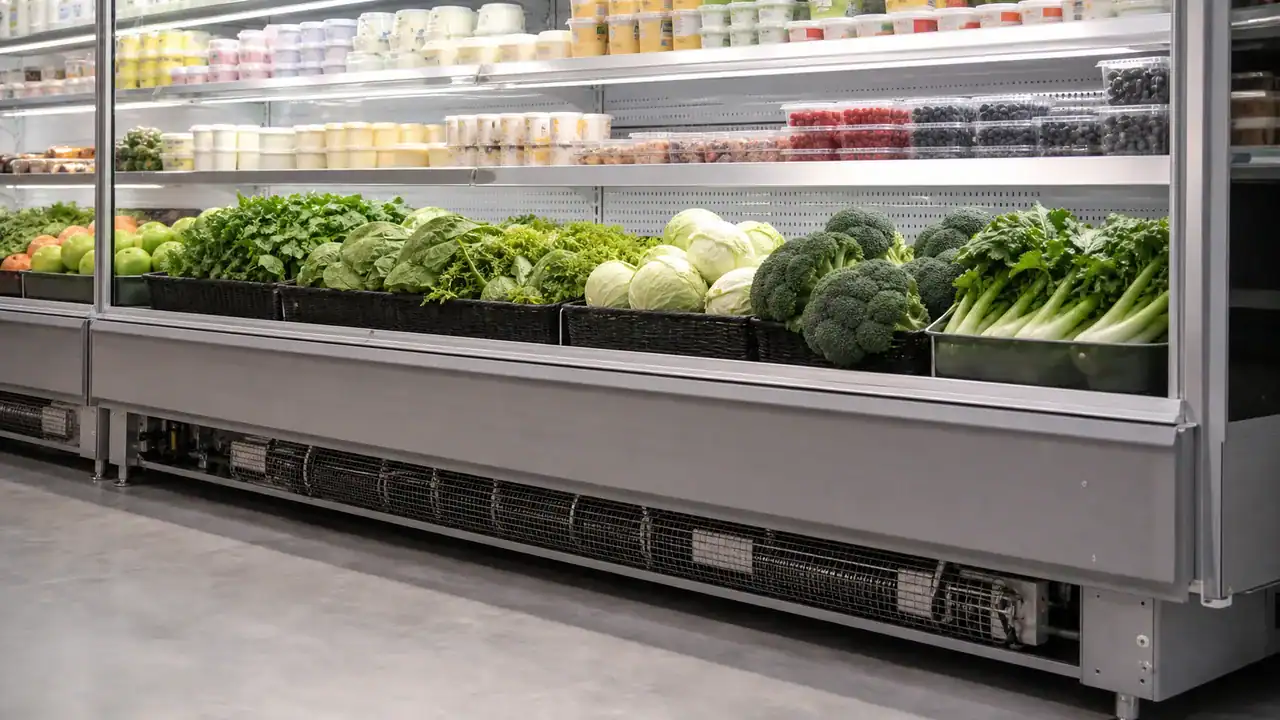
Display Case Evaporator Coil
Supermarkets, showcases and open-air merchandisers
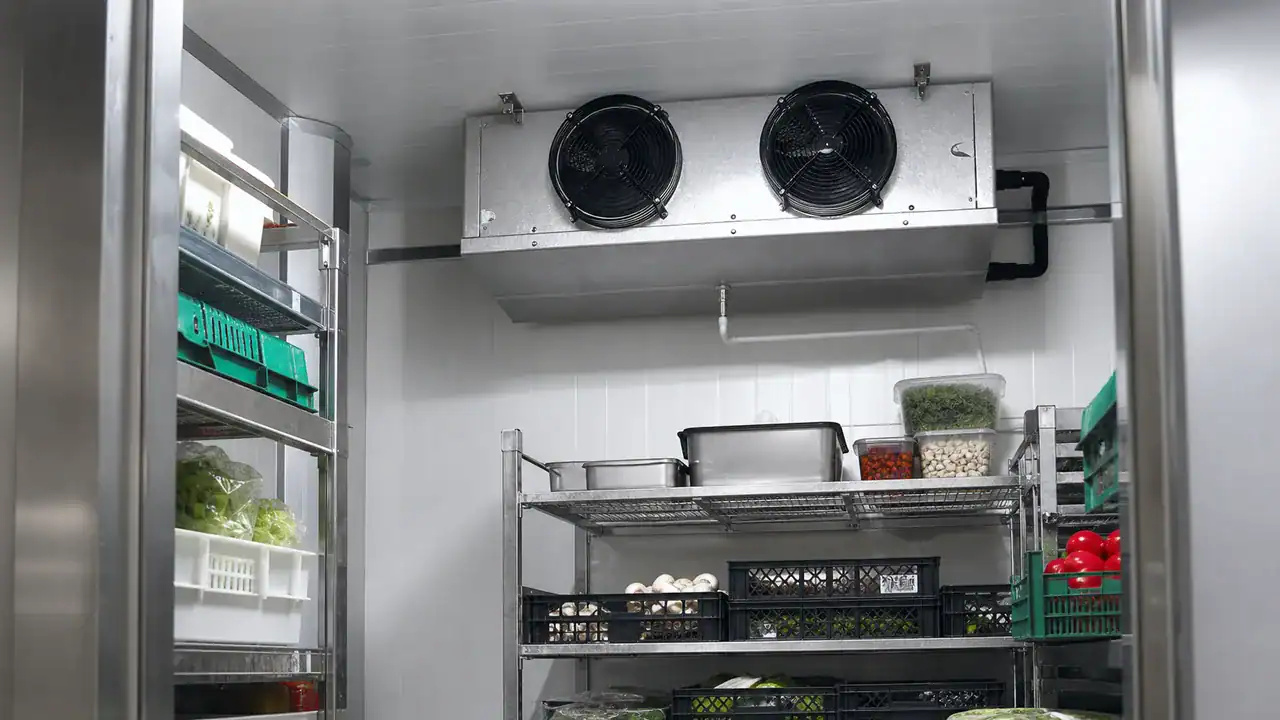
Walk-In Cooler Evaporator
Cold rooms, walk-ins and reach-in freezers
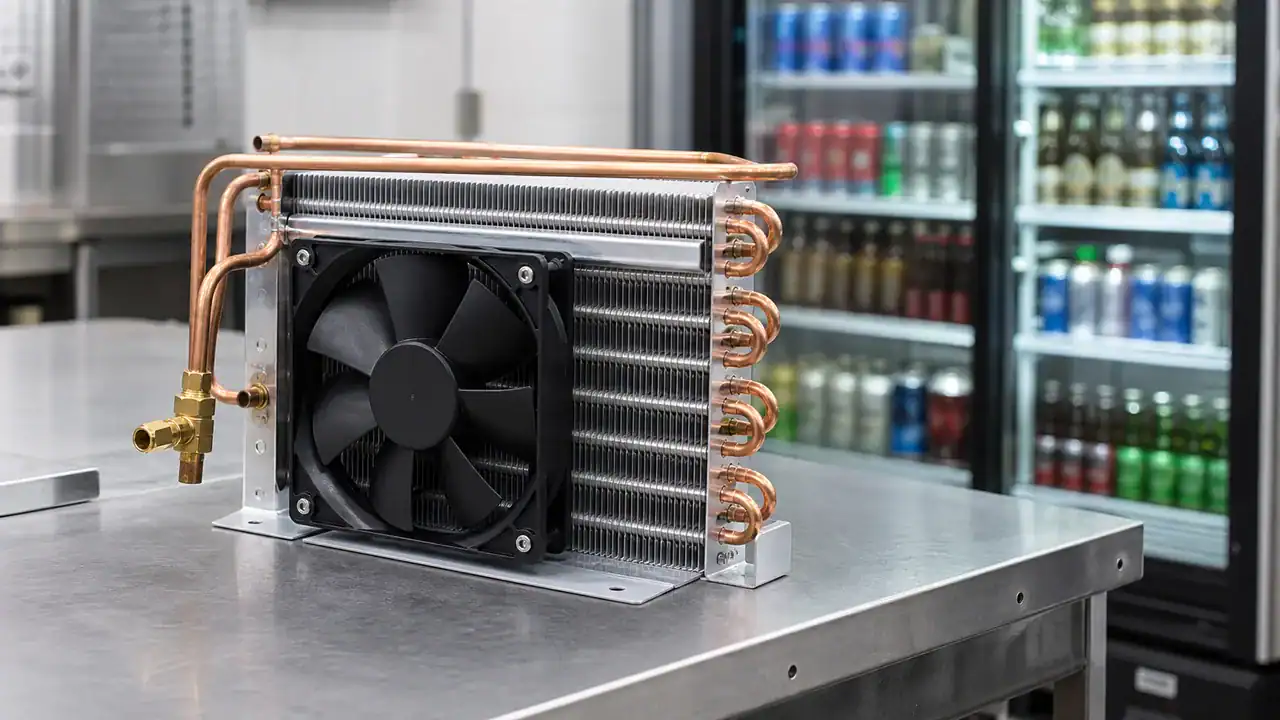
Beverage Cooler Heat Exchanger
Drink cabinets and compact commercial refrigeration
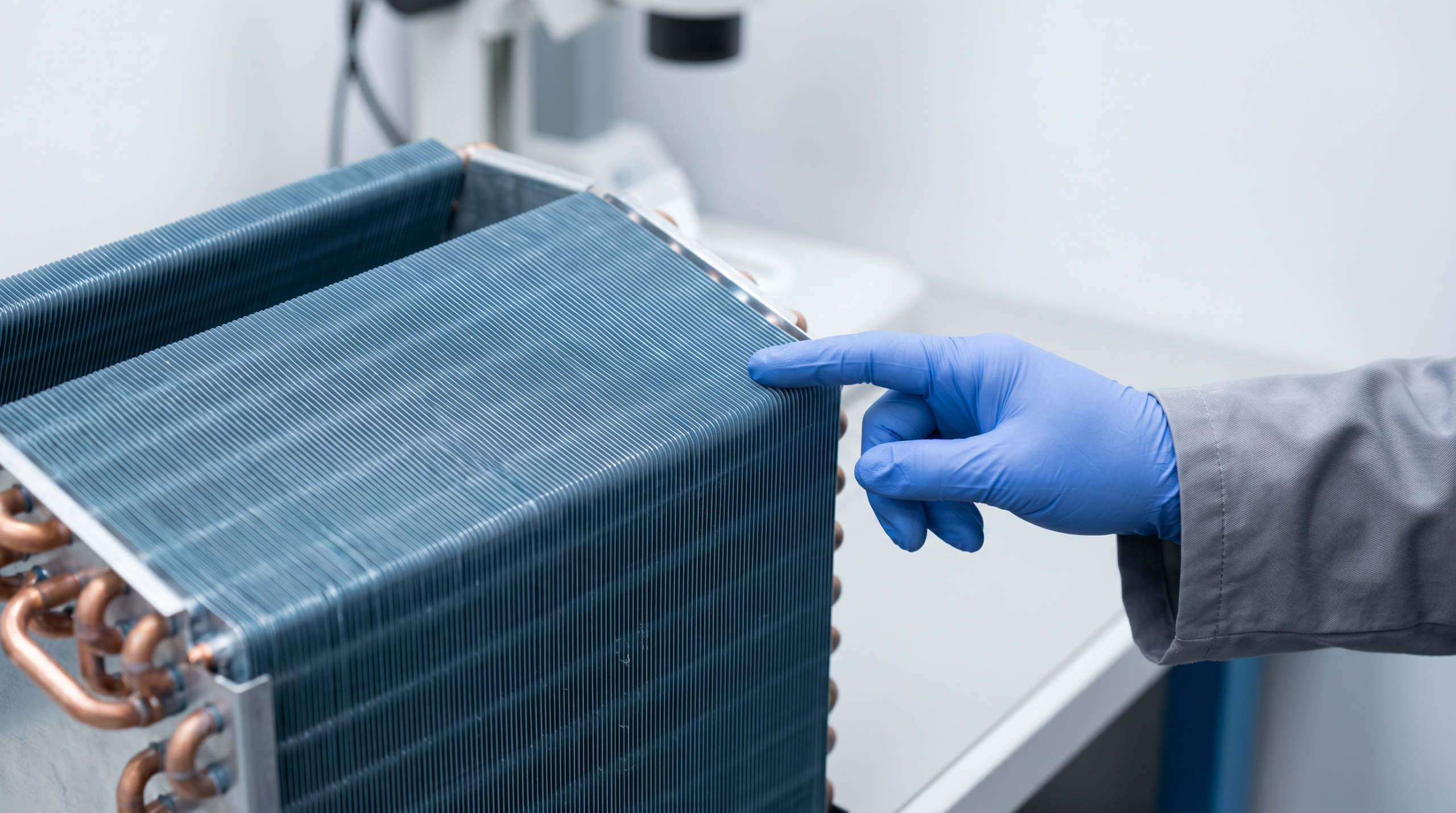
Epoxy-Coated Condenser Coil
Humid kitchens and corrosion-exposed equipment
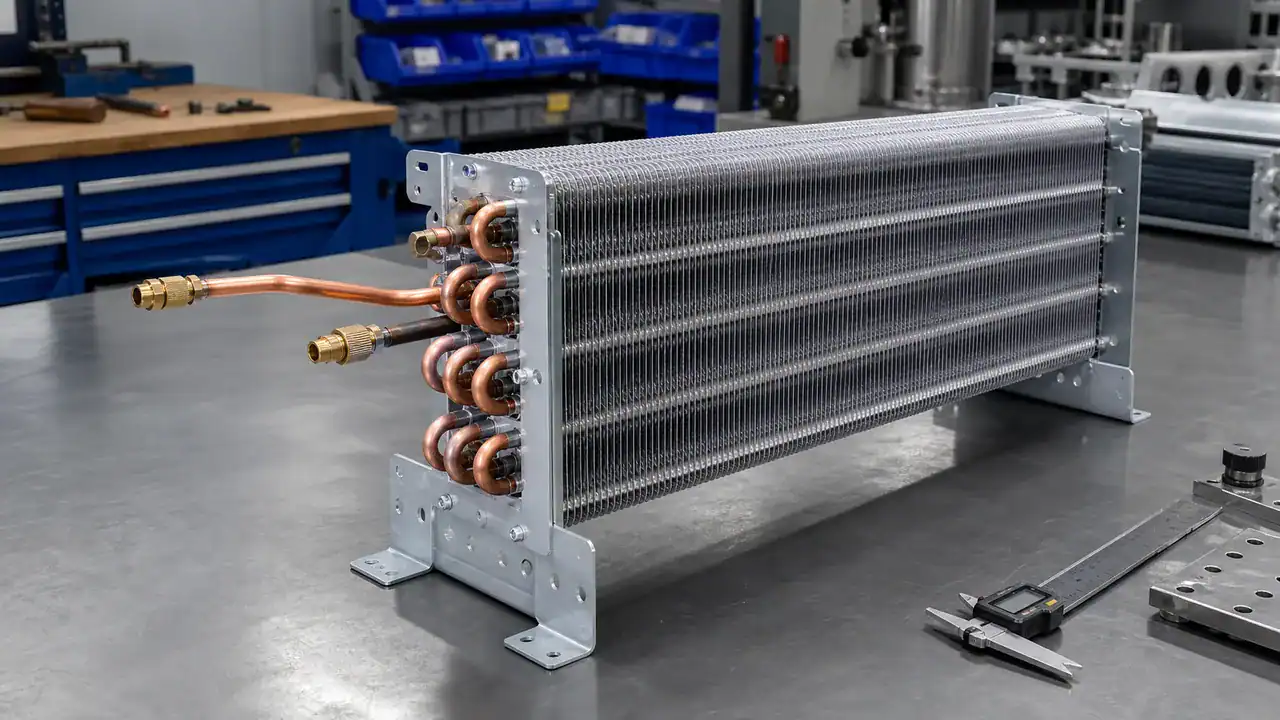
Replacement Commercial Coil
Repair, retrofit and aftermarket refrigeration projects
Commercial Refrigeration Coil Specification Checklist
Provide the available information below for an accurate quotation and engineering review.
- Equipment type and cooling application
- Condenser or evaporator function
- Overall coil dimensions
- Tube and fin materials
- Fin spacing and airflow direction
- Refrigerant and operating temperatures
- Fan, motor or sound requirement
- Coating or surface-treatment requirement
- Defrost method and frost conditions
- Connection sizes and positions
- Sample quantity and annual forecast
- Drawing, old sample or equipment model
- Replacement urgency and project schedule
- Inspection or test requirements
- Packaging and destination country
- Installation and service-access constraints
Commercial Refrigeration Project Review Support
Send the information you have first. Domi can identify missing dimensions or technical inputs before quotation and sample development.
Custom Coil and Replacement Enquiry
New equipment projects: provide cabinet structure, capacity target, refrigerant, airflow and forecast quantity.
Replacement projects: provide the old coil, drawings, photos, connection positions, equipment model and required quantity.
Commercial Coil Replacement Review
A sample or first-article confirmation is recommended before bulk replacement supply. Final performance must be validated in the complete refrigeration equipment.
Project Challenge
A commercial refrigeration buyer may need to replace a failed or discontinued condenser or evaporator without complete original drawings.
Engineering Review
Incorrect dimensions, connection positions, airflow direction or refrigerant information can cause fitment and performance problems.
Recommended Next Step
Domi can compare photos, measurements, equipment information, drawings or physical samples and identify the information required for manufacturing review.
Commercial Refrigeration Engineering Resources
Use these project paths to prepare coating, airflow, replacement and inspection requirements.
Coating Selection Review
Review humidity, grease, cleaning chemicals and corrosion exposure before selecting a coating.
Provide airflow direction, fan model, speed, cabinet structure and sound priorities for low-noise projects.
Airflow & Noise Requirement Review
Prepare equipment model, old coil photos, dimensions, connections, refrigerant and quantity for urgent replacement review.
Final coating specifications require confirmation.
Emergency Replacement Information
Sound performance depends on the complete equipment.
Accurate measurements reduce replacement risk.
Custom Commercial Refrigeration Coil Workflow
Six practical steps from initial enquiry through manufacturing and shipment.
01
Requirement Review
Review equipment type, cooling function, operating environment, drawings, photos or old samples.
02
Coil Structure Evaluation
Confirm condenser or evaporator type, dimensions, tube routing, fin spacing and airflow direction.
03
Material & Coating Selection
Select copper, aluminum, steel, epoxy, hydrophilic or other project-specific material options.
04
Sample or Replacement Confirmation
Develop samples or confirm replacement dimensions before bulk production or repair supply.
05
Quality Inspection
Check appearance, dimensions, welding or brazing, pressure resistance, leakage and packaging.
06
Bulk Production & Export Packing
Arrange batch manufacturing, component protection, cartons, pallets and export shipment.
Buyer Recommendations by Application
For Supermarket Display Cases
Prioritize compact evaporator layout, stable airflow, service access and appropriate fan selection.
For Restaurants & Food Service Equipment
Review corrosion exposure, cleaning conditions, coating options and sound requirements for customer-facing equipment.
For Urgent Replacement Projects
Prepare photos, drawings, equipment model, dimensions, refrigerant, connections and quantity before requesting replacement support.
Why Choose Domi for Commercial Refrigeration Heat Exchangers
Domi supports custom manufacturing, replacement review, OEM development and export supply for commercial cooling projects.
✓ Custom condenser and evaporator manufacturing
✓ Display-case and walk-in cooler coil support
✓ Drawing, photo and reference-sample review
✓ Anti-corrosion and hydrophilic coating options
✓ Fan motor and related assembly support
✓ Replacement-coil feasibility review
✓ Sample and small-batch project support
✓ Batch consistency and inspection planning
✓ Export packaging for refrigeration components
✓ English-language project coordination
Related Commercial Refrigeration Solution Paths
Explore component categories, replacement support and engineering information for commercial cooling projects.
Commercial Refrigeration Condensers
Display cases, beverage coolers and freezers
Display Case Evaporator Coils
Retail showcases and merchandisers
Walk-In Cooler Evaporators
Cold rooms and reach-in equipment
Replacement Coil Support
Drawings, photos and old-sample review
Quality & Testing
Inspection and documentation planning
Wholesale & OEM Enquiries
Distributor and equipment-manufacturer projects
Resources On Commercial Refrigeration Coils
How Domi Supports Commercial Refrigeration Coil Projects
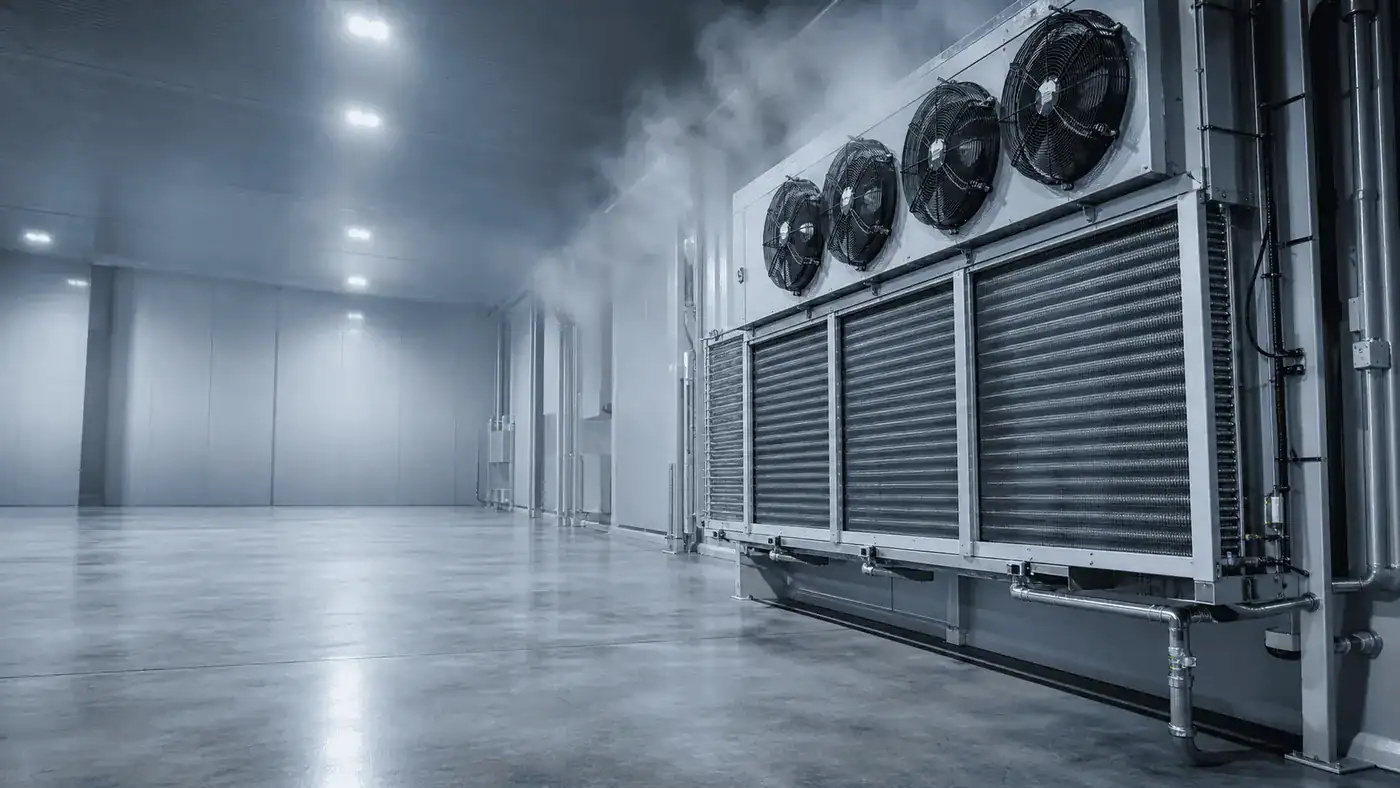
This video introduces how Domi Refrigeration supports commercial refrigeration coil projects for display cases, walk-in coolers, beverage coolers, commercial freezers and food service cooling equipment. Our team can review condenser coil, evaporator coil, coating option, airflow direction, installation space, refrigerant type, replacement compatibility and custom structure requirements to help buyers confirm a practical commercial cooling solution before production.
Commercial Refrigeration Buyer Guides
Use these practical guides to prepare a commercial coil inquiry, compare engineering inputs and decide what to send for a project review.
Commercial Blast Chiller Coil Guide
Review evaporator, airflow, frost, defrost and fit-up inputs for blast-chiller equipment.
Refrigeration Condenser Coils
Compare heat-rejection, airflow, material, coating and replacement-fit requirements.
Ice Machine Evaporator Coil
Prepare the freeze/harvest, refrigerant, geometry and connection details for review.
Commercial Coil Sizing
Organize capacity, entering-air, face-velocity and pressure-drop inputs before quotation.
Condenser Fin Design
Check fin spacing, fouling, cleaning access and air-side performance questions.
Commercial Coil Coating
Describe humidity, grease, washdown and corrosion exposure before discussing coating options.
Commercial Refrigeration Coil FAQs
Technical answers for equipment manufacturers, distributors, contractors and buyers specifying commercial refrigeration condensers, evaporators and replacement coils.
Need Custom Commercial Refrigeration Coils or Heat Exchangers?
Send your drawing, old sample photo, equipment type, dimensions, refrigerant, quantity and coating requirement. Domi can review commercial condensers, display-case evaporators, walk-in cooler coils and replacement heat-exchanger projects.