

Refrigerator Condenser & Evaporator Coil Manufacturing for OEM Appliance Brands
Domi manufactures custom wire tube condensers, roll bond evaporators, fin-type coils and Bundy tube assemblies for refrigerator and freezer OEM programs. Send your drawing, refrigerant, capacity target and order volume for engineering review.
Depending on the appliance platform, the project may require a refrigerator condenser coil, refrigerator evaporator coil, freezer condenser coil, freezer evaporator coil, or other custom refrigeration coils specified by the buyer.
Are Coil Supply Risks Slowing Your Refrigerator Program?
OEM appliance teams need coil suppliers that can support refrigerant transitions, model-specific geometry, sample validation and repeatable production quality.
Energy Efficiency & Low-GWP Compliance
R290 and R600a platforms require carefully controlled internal volume, tube routing and heat-transfer performance to meet appliance efficiency and safety targets.
Prototype and Launch Delays
Slow drawing review and sample fabrication can delay tooling approval, compliance testing and new-model launch schedules.
Custom Geometry and MOQ Constraints
New appliance platforms often need custom dimensions and connection geometry before mass-production quantities are confirmed.
Batch Consistency and Leak Risk
Inconsistent welding, leakage or dimensional variation can create assembly-line disruption and field reliability problems.
OEM Refrigerator & Freezer Coil Solutions
Select coil structures according to appliance platform, refrigerant, installation space, heat load and production volume.
Household Refrigerator Platforms
Suitable for: top-mount, bottom-mount, side-by-side and no-frost refrigerators.
Recommended: wire tube condensers, roll bond evaporators and compact fin coils.
Common options include refrigerator condenser coils, an evaporator coil for refrigerator platforms, and compact refrigerator cooling coil configurations.
Freezer Platforms
Suitable for: chest freezers, upright freezers and under-counter freezer cabinets.
Recommended: Bundy tube condensers, wire-on-tube coils and roll bond panels.
Commercial & Specialty Appliances
Suitable for: wine coolers, beverage cabinets, reach-in coolers and RV refrigerators.
Recommended: aluminum extrusion condensers, copper/aluminum fin coils and custom assemblies.
Engineered for Low-Charge Performance, Fast Validation and Stable Production
Low-Charge Coil Design
Coil geometry can be reviewed for R290, R600a and other appliance refrigerants, including tube routing, internal volume and installation constraints.
Final refrigerant charge and performance targets must be confirmed against the appliance system and applicable safety requirements.
Rapid Prototype Development
Drawing review and sample fabrication support help appliance teams validate fit, connection positions and thermal performance before volume production.
Sample timing depends on coil type, tooling status and confirmed technical information.
100% Leak and Dimensional Inspection
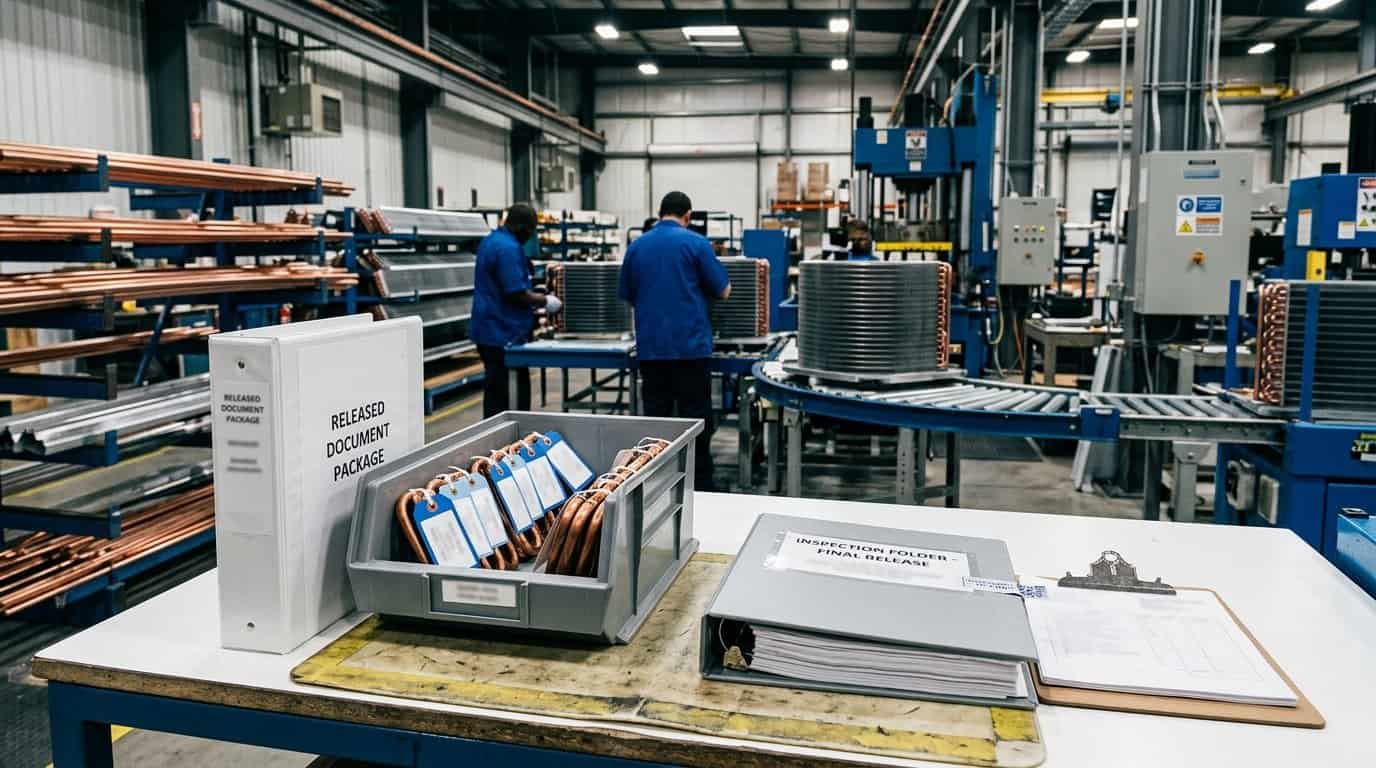
Production control can include leak testing, dimensional inspection and order-lot traceability according to the agreed project specification.
Inspection method and acceptance criteria should be confirmed during quotation and sample approval.
OEM Refrigerator & Freezer Application Areas
Domi supports custom condenser and evaporator development across household, commercial and mobile refrigeration platforms.
Top-Mount Refrigerators
wire tube condenser · wire on tube condenser · natural convection · household refrigerator
Compact wire tube condensers for standard household cabinets with custom tube routing and mounting geometry.
No-Frost Refrigerators
roll bond evaporator · fin coil · automatic defrost
Evaporator structures designed around airflow, frost distribution and defrost requirements.
Chest & Upright Freezers
Bundy tube condenser · R600a · deep-freeze cabinet
Coils for low-temperature freezer platforms with project-specific dimensions and connection positions.
Wine & Beverage Coolers
aluminum extrusion condenser · compact fin coil
Compact heat exchangers for temperature-sensitive beverage and wine storage equipment.
Commercial Reach-In Coolers
forced-air fin coil · hydrophilic coating option
Fin-and-tube coils for food-service cabinets, display coolers and commercial refrigeration equipment.
Automotive & RV Refrigerators
vibration-resistant assembly · 12V compressor refrigerator
Custom coil assemblies for recreational vehicle, marine and mobile refrigeration applications.
Refrigerator & Freezer Coil Products
Representative condenser and evaporator products for OEM appliance integration. Dimensions, connections, materials and finishes can be reviewed against your drawing.
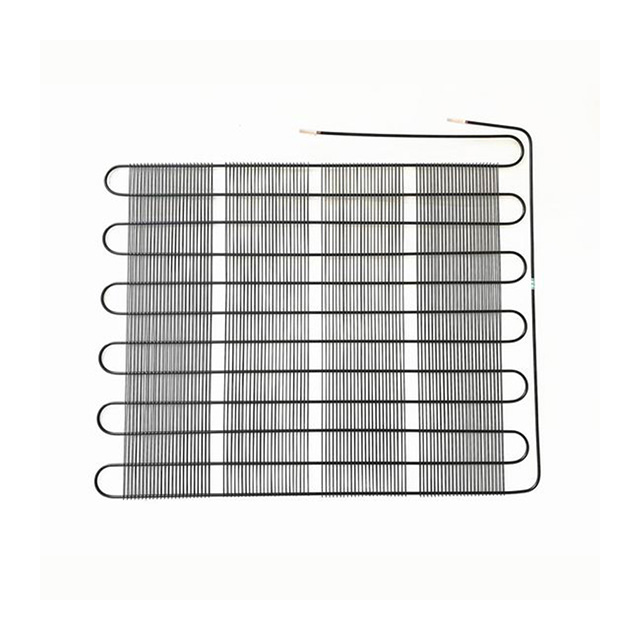
Wire Tube Condenser (Single Layer)
Household refrigerators — custom tube routing and wire pitch
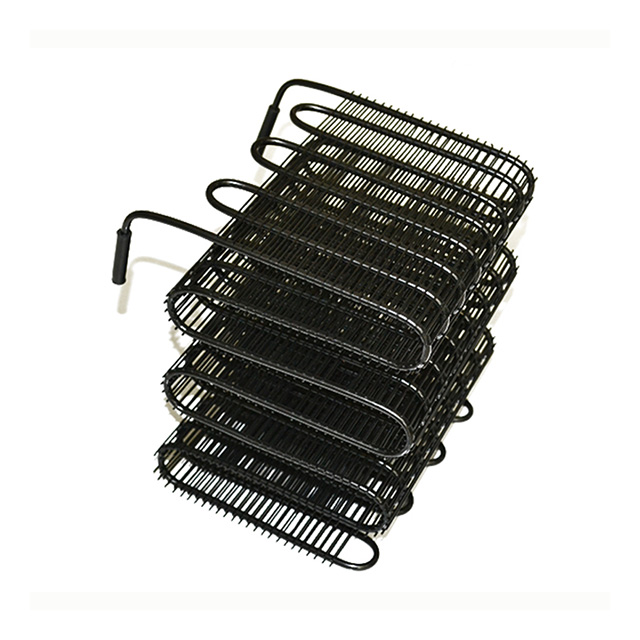
Wire Tube Condenser (Multilayer)
Chest freezers and compact cabinets — multi-layer condenser structure
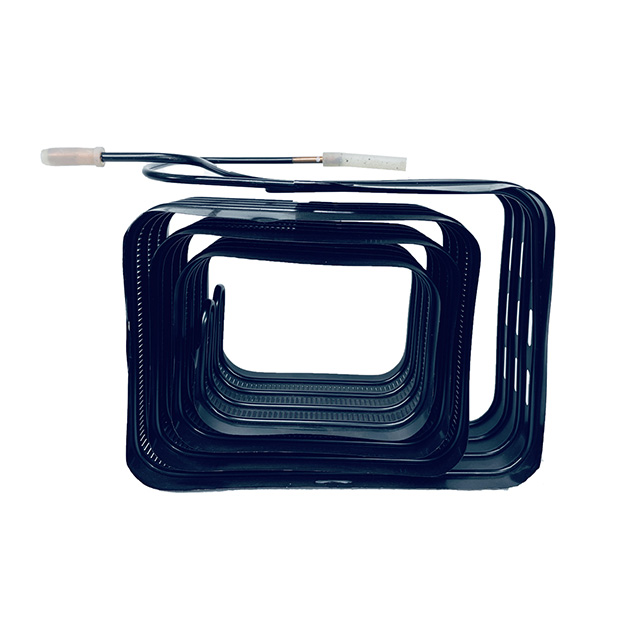
Tube On Plate Condenser
Refrigerator and freezer cabinets — plate-mounted tube construction
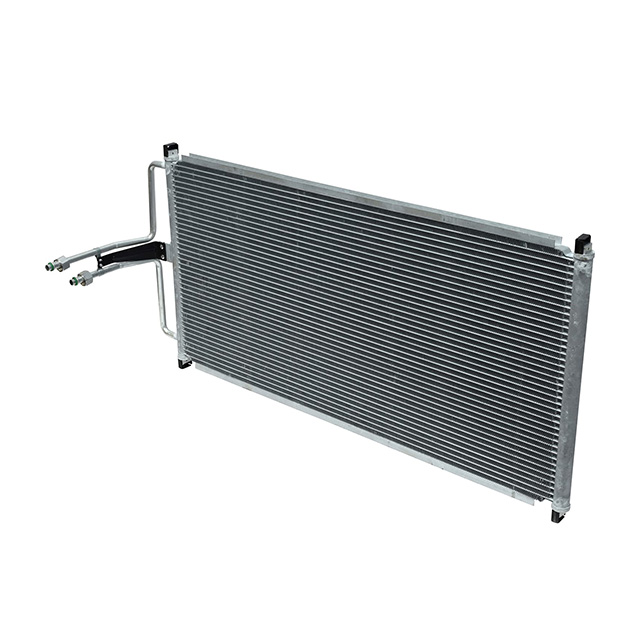
Fin Type Evaporator (Aluminum Tube)
Refrigeration cabinets — lightweight aluminum tube evaporator
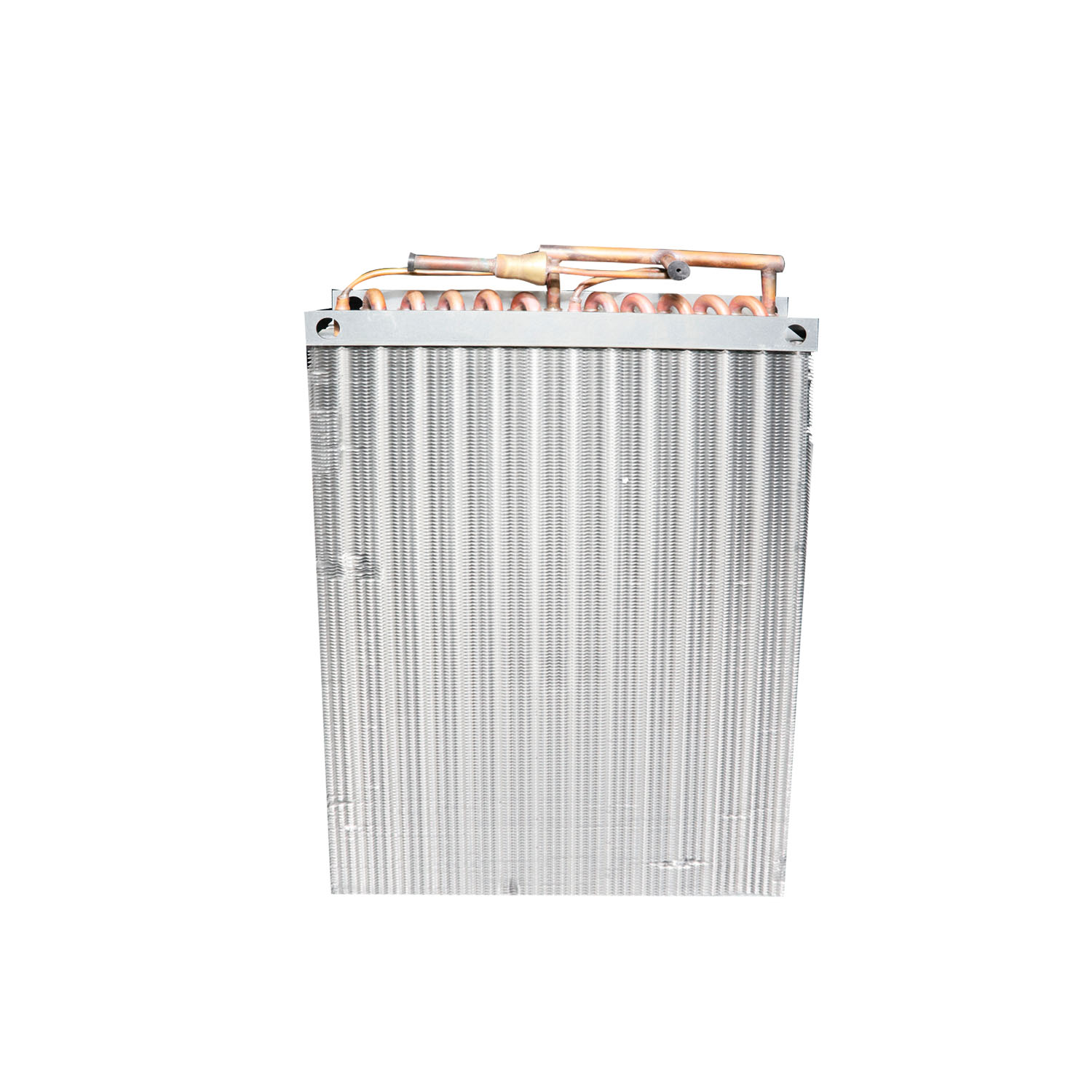
Industrial Refrigeration Condenser
Large refrigeration equipment — project-specific condenser coil
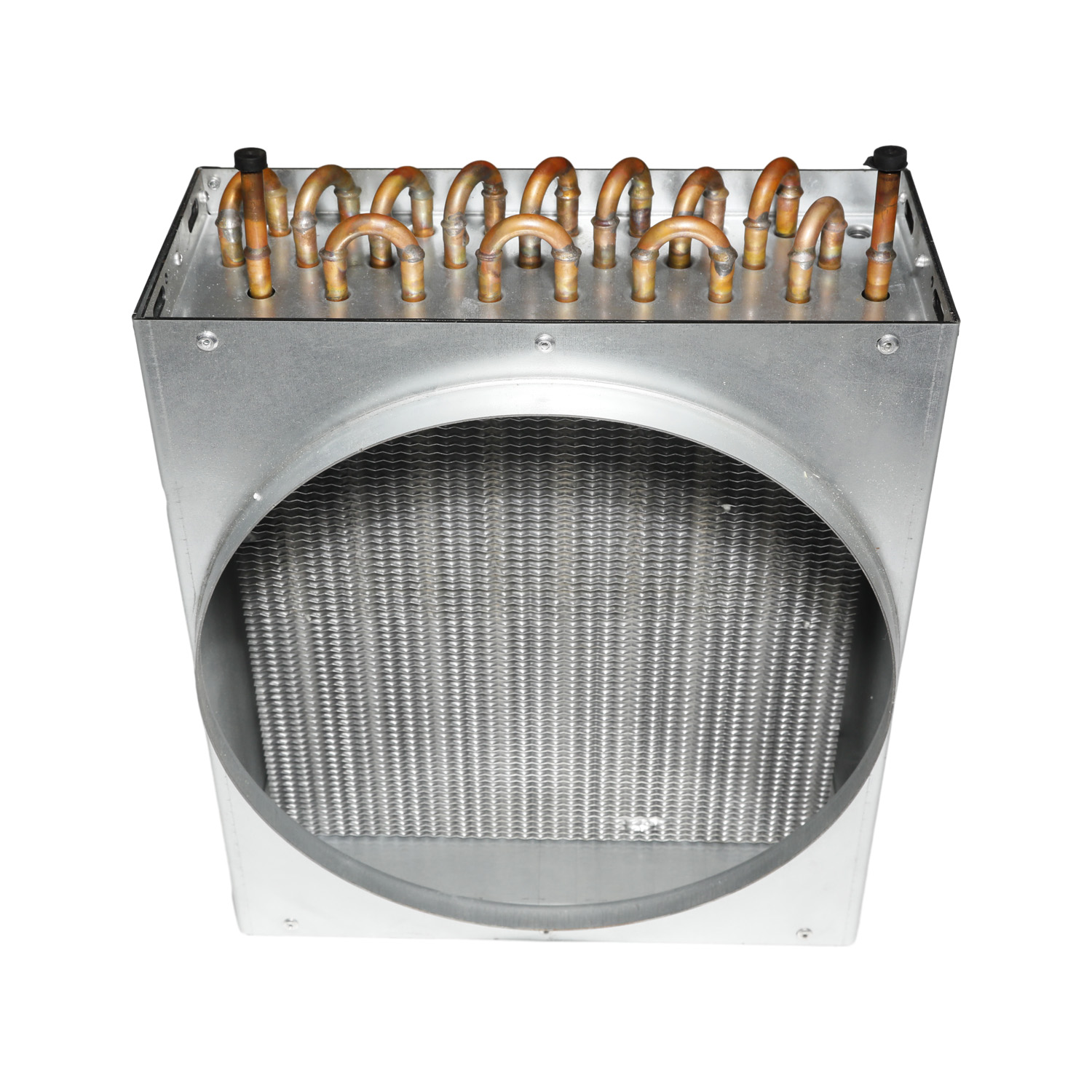
Air Cooled Chiller Condenser
Forced-air refrigeration — fin-and-tube condenser assembly
OEM Refrigeration Coil Specification Checklist
Provide the available information below for an accurate engineering review and quotation.
- Appliance type and model platform
- Condenser or evaporator function
- Refrigerant type and target charge
- Cooling capacity and operating temperatures
- Overall dimensions and installation space
- Tube material, diameter and circuit layout
- Fin material, thickness and pitch
- Connection tube size and position
- Surface finish or coating requirement
- Leak-test and pressure requirements
- Sample quantity and forecast volume
- Drawing, reference sample or inspection standard
OEM Coil Ordering & Sample Support
Use the project stage to select the appropriate supply route. Final MOQ and lead time depend on coil structure, tooling and inspection requirements.
Sample, Production and Volume Supply
Sample & Prototype: 5–50 units for new-model validation, refrigerant-transition redesign and supplier qualification.
Regular OEM Supply: 100–500 units per month for ongoing production and multi-SKU programs.
Large-Scale Integration: 500+ units per month with capacity and scheduling confirmed per project.
OEM Evaporator Redesign Project
The approved design moved to production after sample testing. Final performance, certification and field results remain subject to the customer appliance system and verified project data.
Challenge
An appliance OEM needed to transition a refrigerator platform from R134a to R600a while keeping the cabinet envelope and launch schedule under control.
Engineering Response
The refrigerant change required a review of evaporator circuit geometry, internal volume, connection positions and system-level safety requirements.
Project Outcome
Domi reviewed the duty conditions, supported circuit and roll bond channel optimization, and prepared samples for dimensional and system validation.
OEM Refrigeration Coil Engineering Resources
Use these project paths to prepare technical information, inspection requirements and long-term supply expectations.
Low-GWP Coil Design Review
Review R290 or R600a requirements, internal volume, tube routing and appliance installation constraints.
Confirm leak testing, dimensional inspection, material records and order-lot traceability requirements.
Quality & Inspection Planning
Discuss prototype quantities, production forecasts, multi-SKU supply and annual program planning.
Send drawings and system conditions for review.
OEM Partnership and Supply Planning
Define acceptance criteria before sample approval.
Confirm capacity and communication requirements before volume production.
Custom OEM Refrigeration Coil Development Workflow
From appliance requirements and drawings through sample approval and repeat production.
01
Technical Requirement Review
Review appliance type, refrigerant, capacity, temperatures, dimensions, connection positions and expected volume.
02
Coil Structure Evaluation
Confirm whether wire tube, roll bond, Bundy tube, fin-type or another custom coil structure is appropriate.
03
Material & Circuit Selection
Select tube and fin materials, circuit geometry, coating and pressure requirements according to the project.
04
Sample Fabrication
Prepare first-article samples for fit, connection, leakage and system performance evaluation.
05
Validation & Approval
Review inspection results and customer appliance tests before releasing the design for production.
06
Bulk Manufacturing & Export Packing
Arrange batch manufacturing, quality inspection, protective packaging and shipment according to the approved specification.
Buyer Recommendations
For Appliance Engineering Teams
Prepare refrigerant, capacity, installation envelope and connection requirements before requesting a coil redesign.
For Procurement & Supply Teams
Confirm forecast volume, sample quantity, target lead time, inspection documents and packaging requirements.
For New-Model Project Managers
Align coil sample timing with tooling, appliance testing, certification and production-launch milestones.
Why OEM Appliance Brands Work with Domi
Domi supports OEM refrigerator and freezer programs from drawing review and sample validation through repeat production.
✓ Custom wire tube, roll bond, Bundy tube and fin-type coil manufacturing
✓ Drawing, sample and specification review
✓ R290 and R600a project compatibility review
✓ Prototype and small-batch support
✓ Custom dimensions, connections and circuit layouts
✓ Leak and dimensional inspection planning
✓ Production records and order-lot traceability options
✓ Sample-first validation before mass production
✓ Multi-SKU and recurring OEM supply support
✓ Export packaging and project communication
Related OEM Refrigeration Solution Paths
Explore product categories, engineering support and quality information for refrigerator and freezer coil programs.
Wire Tube Condensers
Household refrigerators and freezer cabinets
Roll Bond Evaporators
No-frost refrigerator and freezer platforms
Fin-Type Coils
Commercial cabinets and forced-air systems
Engineering Capabilities
Drawing, circuit and thermal review
Quality & Testing
Inspection and documentation planning
OEM Partnership Program
Prototype to volume supply planning
Resources On OEM Refrigerator & Freezer Coils
OEM Refrigerator & Freezer Buyer Guides
Use these practical guides to prepare an OEM coil inquiry, compare quotation inputs and control the path from drawing review to repeat production.
Prepare appliance, refrigerant, drawing, capacity and volume information before requesting a quote.
Separate samples, pilot runs, SKU mix and recurring production volume.
Compare material, geometry, tooling, testing, packaging and volume assumptions.
Follow the route from technical review and sample fabrication to validation.
Keep coil revisions, samples and inspection records aligned.
Send the system conditions and geometry details needed for a technical review.
Need a project-specific answer? Send your drawing for an immediate technical review.
OEM Refrigerator & Freezer Condenser and Evaporator Coil Support
Domi Refrigeration provides OEM coil manufacturing support for refrigerator and freezer projects, including wire tube condenser coils, roll bond evaporators, freezer evaporator coils and custom appliance refrigeration components. Our team can review drawings, samples, dimensions, materials, refrigerant requirements and production planning to help confirm a practical cooling component solution.
OEM Refrigerator & Freezer Coil FAQs
Technical answers for OEM engineering, procurement and project teams evaluating refrigerator and freezer condenser or evaporator coils.
Need Custom Refrigerator or Freezer Coils?
Send your appliance type, drawing, refrigerant, capacity target, coil dimensions, connection positions and expected quantity. Domi can review the appropriate condenser or evaporator structure for your OEM project.