

End-to-End Thermal Engineering - From Concept to Validated Design
Domi Refrigeration supports custom heat exchanger, HVAC coil, refrigeration coil and liquid cooling component projects with requirement review, heat transfer calculation, CFD simulation support, material selection, sample development and validation guidance.
For buyers evaluating a heat exchanger manufacturer, Domi can provide refrigeration engineering input for heat-transfer requirements, drawing review, material selection and sample validation before production.
- Thermal calculation and design review
- CFD simulation support for project evaluation
- Copper, aluminum and stainless steel material selection
- Sample development and testing documentation support
B2B Buyers Need Engineering Confidence Before Placing Custom Orders
When a heat exchanger, refrigeration coil or liquid cooling component is customized, buyers need more than a quotation. They need an engineering partner who can understand operating conditions, review heat transfer requirements, select suitable materials, identify manufacturing risks and validate the design before bulk production.
Unclear Thermal Requirements
PROBLEM
Buyers may have equipment size, target capacity and working conditions, but not a final heat exchanger design.
SOLUTION
Domi can review application requirements, temperature range, fluid or refrigerant type, airflow or liquid flow and installation limits to support design direction.
Wrong Material Selection
PROBLEM
Using the wrong material may cause corrosion, cost waste, weight issues or thermal performance problems.
SOLUTION
A structured material selection process can help compare copper, aluminum, stainless steel and coated options according to application, environment and budget.
Design Not Ready for Manufacturing
PROBLEM
A heat exchanger that works in theory may still be difficult to manufacture, assemble, package or inspect.
SOLUTION
Domi can review manufacturability, tube routing, fin structure, connection method, tooling feasibility and inspection requirements before sample production.
Lack of Validation Before Bulk Production
PROBLEM
B2B buyers want confidence before approving mass production.
SOLUTION
Sample development, dimensional checks, leakage review, thermal testing documentation and project-specific validation steps help reduce production risk.
Thermal Engineering Support for Custom Heat Exchanger Projects
Domi’s engineering support is designed to help buyers move from concept, drawing or sample to a manufacturable thermal component. The process can include requirement review, thermal calculation, CFD simulation discussion, material selection, drawing review, sample development and testing documentation.
Thermal Design Review
SUITABLE FOR
custom heat exchanger design, heat transfer calculation, refrigeration coil engineering
ENGINEERING SUPPORT
Review heat load, refrigerant or fluid type, airflow, temperature range, installation space and design constraints before product development.
CFD and Flow Simulation Support
SUITABLE FOR
CFD simulation heat exchanger, thermal simulation support, HVAC coil design support
ENGINEERING SUPPORT
Use simulation discussion to support airflow, fluid flow, pressure drop, heat distribution and coil structure evaluation where project data is available.
Manufacturing Feasibility Review
SUITABLE FOR
custom condenser design, custom evaporator design, OEM heat exchanger development
ENGINEERING SUPPORT
Review tube layout, fin structure, brazing or welding feasibility, material choice, tooling needs, inspection method and packaging risk.
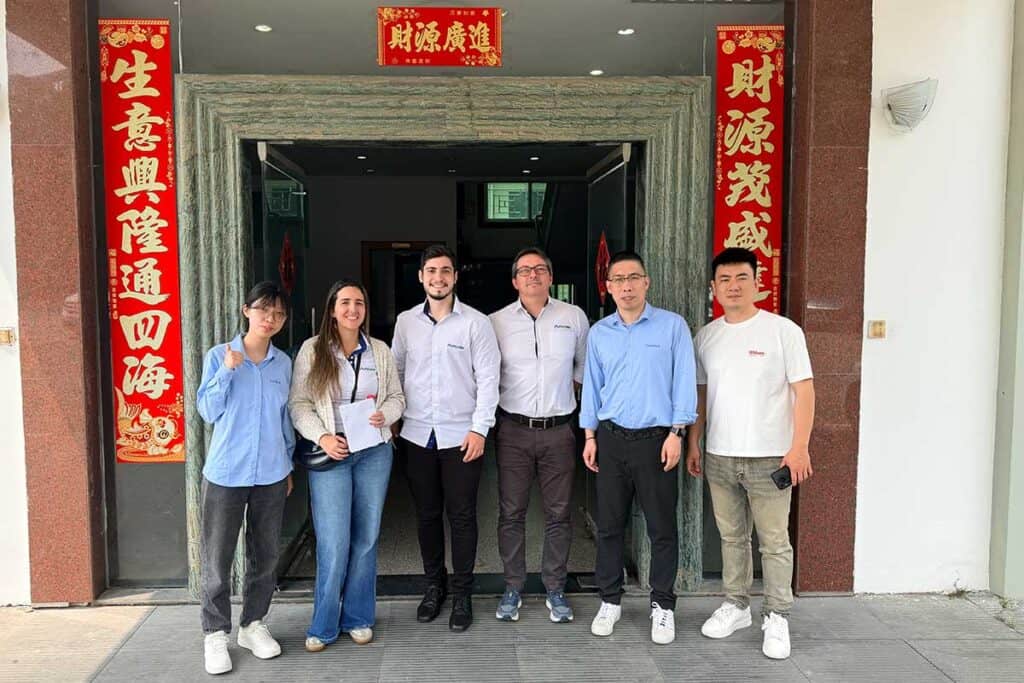
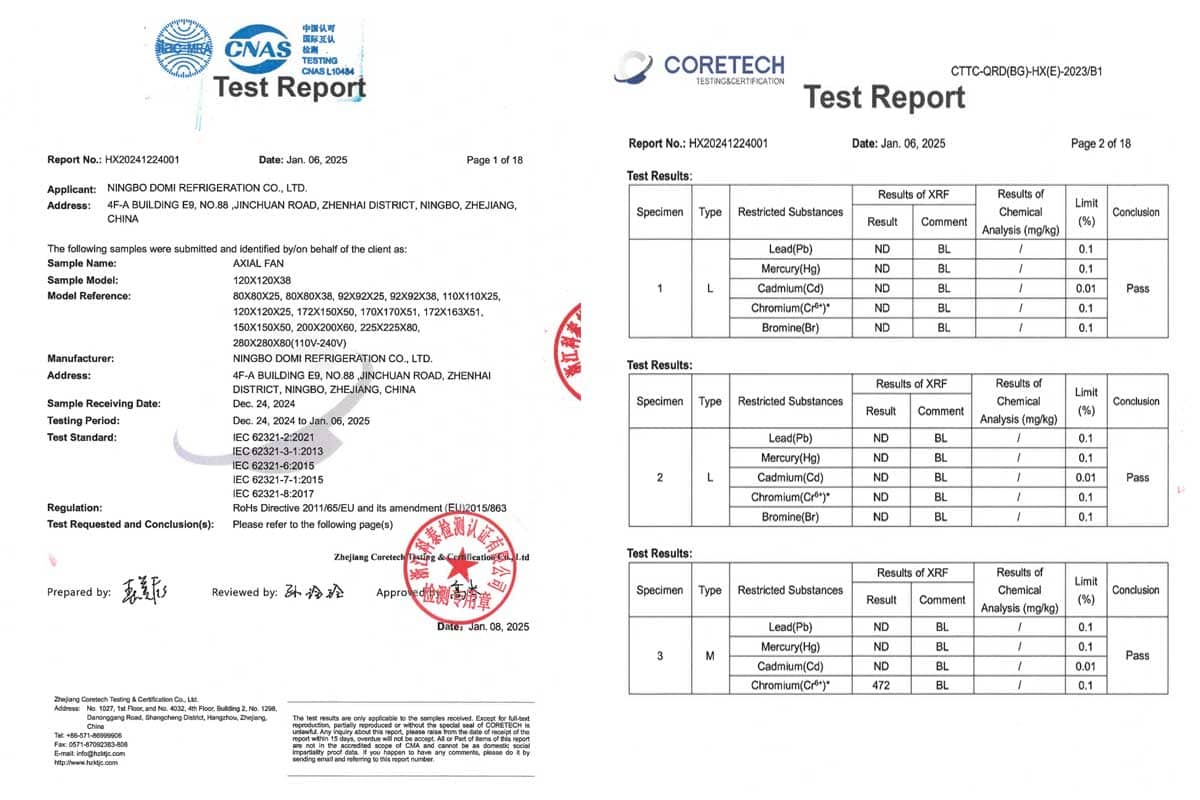
Brazilian customer, refrigeration factory, requires a condensing unit
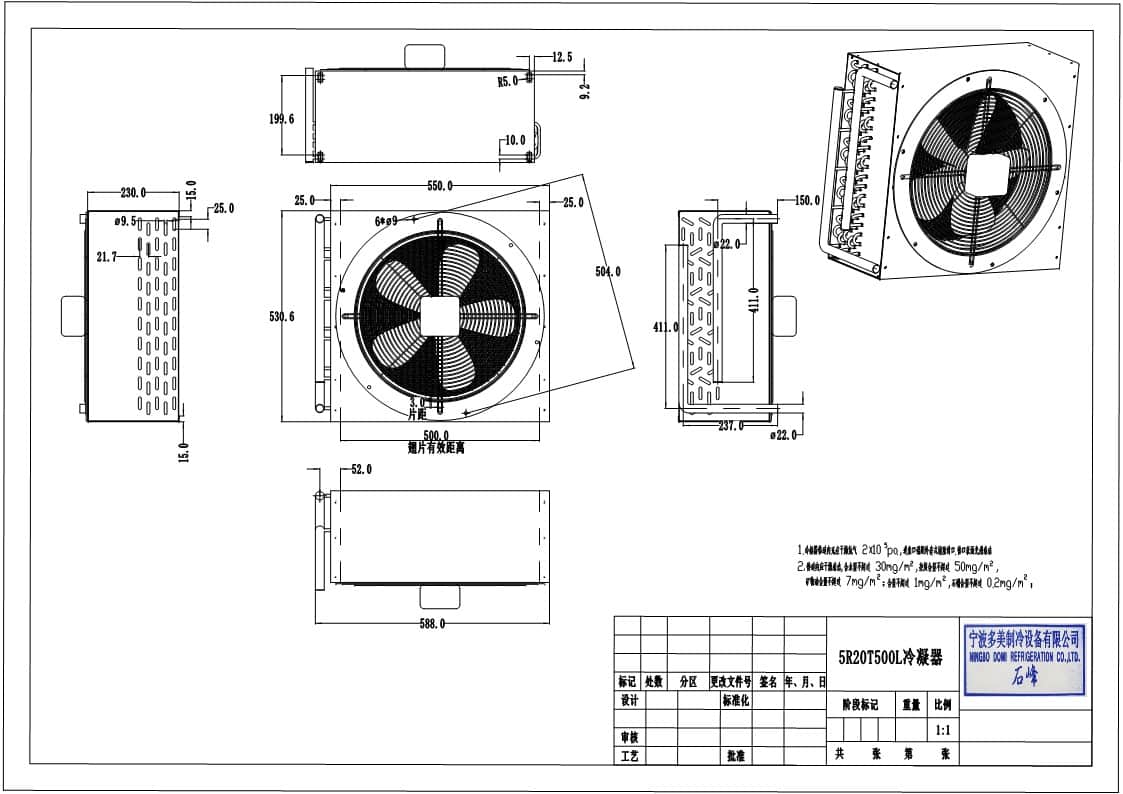
CFD Fluid Simulation Support for Heat Exchanger Design
Airflow Distribution Review
Useful for HVAC coils, evaporators, condensers and air-cooled heat exchangers where uneven airflow affects thermal performance.
Pressure Drop Evaluation
Helps review whether the coil, channel or fluid path may create excessive resistance in the system.
Simulation scope, model accuracy and report format depend on project data and should be confirmed before quotation.
Heat Transfer Calculation and Design Review
Before sample development, Domi can review heat transfer requirements based on working conditions, capacity target, airflow or fluid flow, temperature difference, refrigerant or liquid type, installation space and system constraints.
Capacity Target
Cooling or heating capacity requirement, operating temperature, ambient temperature and system duty condition.
Flow Conditions
Airflow, liquid flow rate, refrigerant flow, pressure drop limit and inlet/outlet temperature requirements.
Structure Constraints
Available space, connection position, mounting direction, coil size, tube path and packaging limitation.
Material and Environment
Copper, aluminum, stainless steel, coating, corrosion exposure, cleaning condition and weight requirement.
Material Selection Decision Tree: Copper, Aluminum or Stainless Steel?
Start: What is the operating environment? Use these buyer-facing paths to narrow the structure before Domi reviews drawings, samples and working conditions.
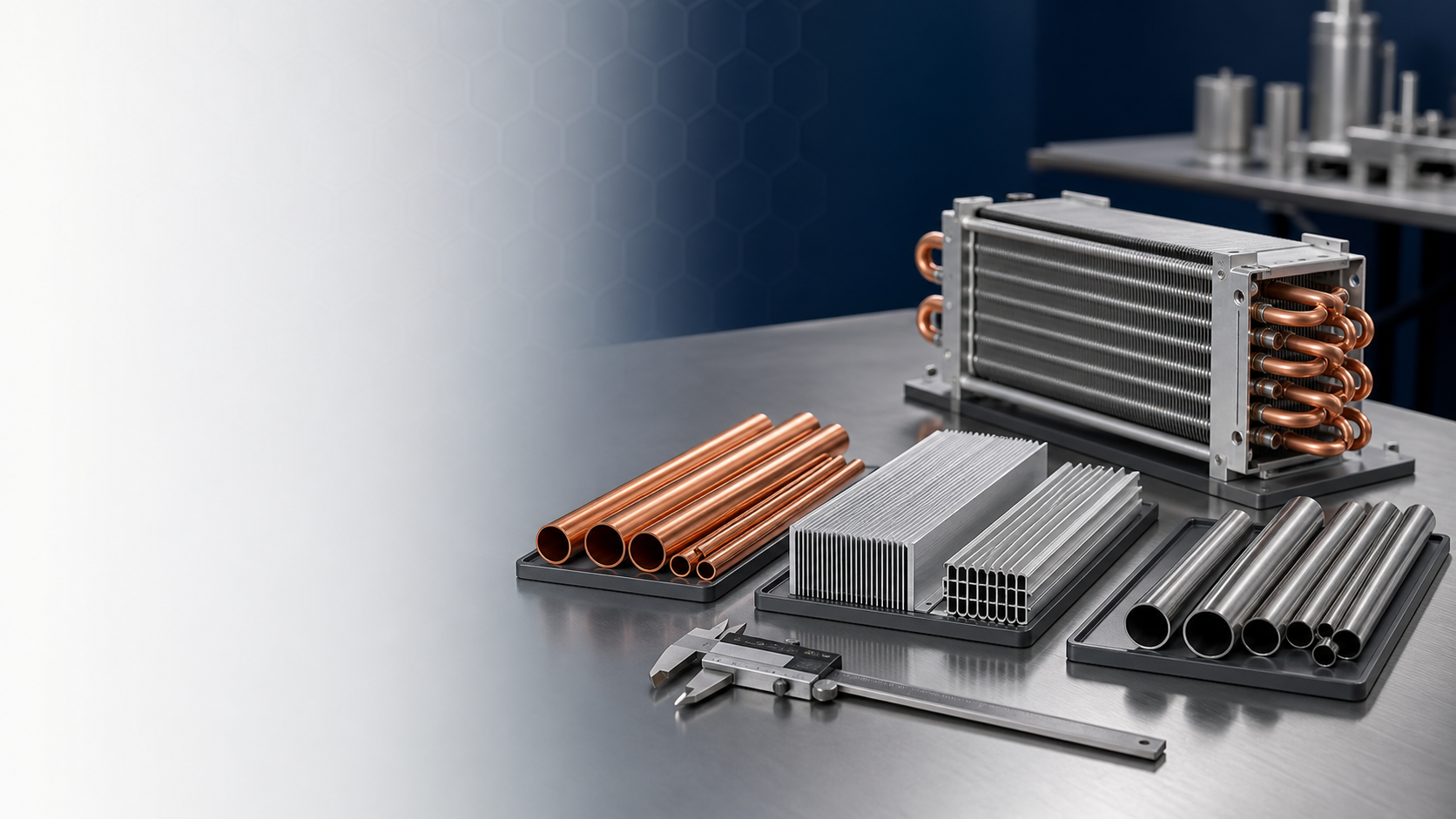
High thermal conductivity and flexible tube forming?
RECOMMENDED
Copper tube + aluminum fin or copper-based structure
BEST FOR
HVAC coils, refrigeration coils, air-cooled condensers and evaporators
Lightweight structure and compact design?
RECOMMENDED
Aluminum or microchannel structure
BEST FOR
Microchannel heat exchangers, compact HVAC units and lightweight condenser applications
Corrosion resistance or hygienic environment?
RECOMMENDED
Stainless steel or coated material options
BEST FOR
Industrial refrigeration, food processing, glycol loops, corrosive environments or cleaning-sensitive applications
Cost-sensitive mass production?
RECOMMENDED
Project-specific copper-aluminum, steel wire, aluminum plate or hybrid structure
BEST FOR
Appliance refrigeration, commercial cooling components and high-volume OEM projects
Material Comparison for Heat Exchanger Projects
Copper
STRENGTHS
High thermal conductivity, flexible forming, common for coils
CONSIDERATIONS
Cost and weight
Aluminum
STRENGTHS
Lightweight, compact, suitable for microchannel and fin structures
CONSIDERATIONS
Corrosion exposure and joining method
Stainless Steel
STRENGTHS
Corrosion resistance and strength
CONSIDERATIONS
Thermal conductivity, cost and fabrication complexity
Coated Options
STRENGTHS
Improved corrosion protection for specific environments
CONSIDERATIONS
Coating type should match humidity, chemicals and cleaning conditions
From Concept to Validated Heat Exchanger Design
01
Requirement Review
Review equipment type, thermal load, working medium, operating temperature, installation space and project goal.
02
Heat Transfer Calculation
Estimate capacity, temperature difference, flow requirement, pressure drop and basic heat exchanger structure.
03
CFD / Flow Simulation Discussion
Evaluate airflow, liquid flow, temperature field or pressure drop if project data supports simulation review.
04
Material and Structure Selection
Compare copper, aluminum, stainless steel, coated options, tube layout, fin structure and connection method.
05
Sample Development and Testing
Develop samples for dimensional review, installation fit-up, leakage check, thermal validation and customer approval.
06
Manufacturing and Documentation Support
Prepare production review, inspection checklist, packaging method and project documentation for bulk supply.
Engineering Capabilities That Support Custom Projects
Heat Transfer Calculation
Review thermal load, temperature difference, flow data and coil structure direction.
BUYER VALUE
Helps buyers estimate whether a design can meet cooling or heating capacity requirements.
CFD Simulation Support
Discuss airflow, liquid flow, pressure drop and heat distribution where project data is available.
BUYER VALUE
Helps visualize airflow, liquid flow and thermal distribution before physical sample testing.
Refrigerant and Fluid Review
Review R32, R410A, R600a, R290, CO2, glycol, water and other media where applicable.
BUYER VALUE
Supports project review for applicable refrigerant and fluid conditions.
Material Selection
Compare copper, aluminum, stainless steel and coating options according to application needs.
BUYER VALUE
Helps compare materials according to cost, environment and performance needs.
DFM / Manufacturing Feasibility
Review bending, brazing, welding, assembly, inspection and packaging risks.
BUYER VALUE
Reduces the risk of designs that are difficult to manufacture or inspect.
Sample Development
Support sample review for fit-up, appearance, performance and installation approval.
BUYER VALUE
Allows buyers to test before bulk production.
Testing Documentation
Discuss dimensional records, leakage review, thermal performance data and inspection reports where available.
BUYER VALUE
Supports buyer approval with project-specific records when available.
Export Packaging Review
Review protection for fins, tubes, joints, surfaces and connection points.
BUYER VALUE
Helps protect heat exchanger components during international shipping.
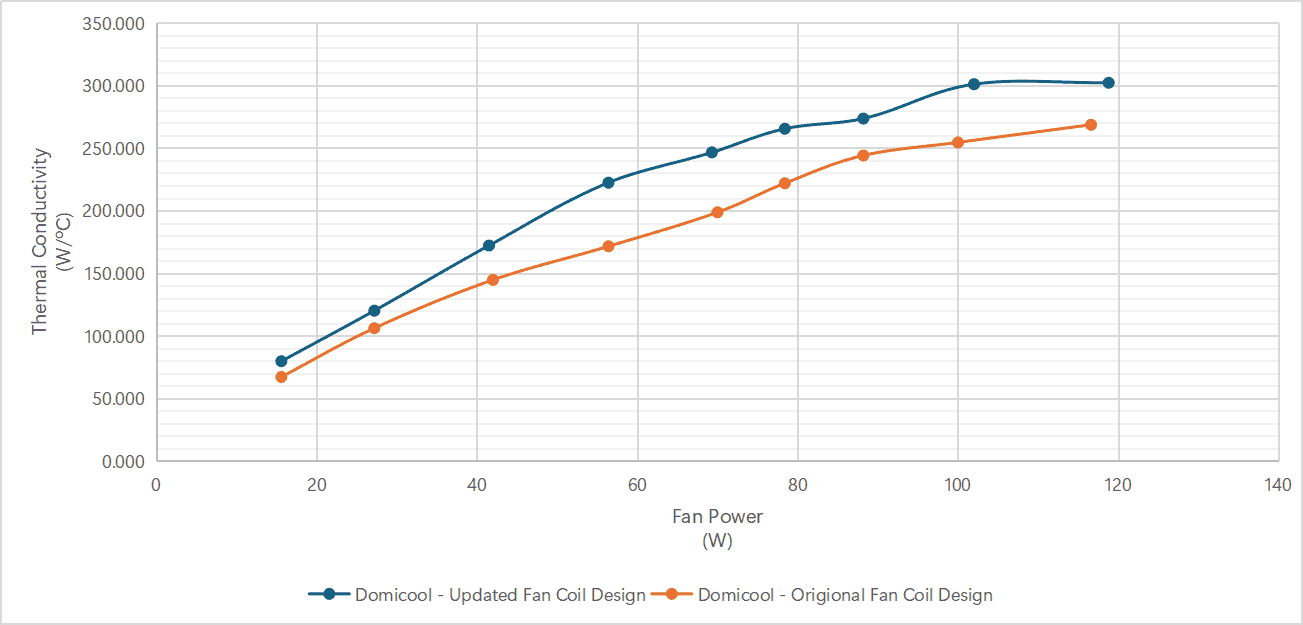
Thermal Performance Testing Report Template
Thermal Performance Testing Report Template
A future template for recording test conditions, inlet and outlet temperatures, flow rate, pressure drop, ambient condition, product dimensions and performance observations.
Test Conditions
Ambient temperature, inlet/outlet temperature, flow rate, refrigerant or fluid type and equipment setup.
Performance Results
Capacity, pressure drop, heat transfer observation, temperature stability and comparison notes.
Inspection Records
Dimensions, leakage check, appearance review, packaging check and customer approval notes.
What Engineering Data Should You Send?
Clear engineering data helps Domi review feasibility, material choice, thermal direction and quotation scope more efficiently.
- Equipment type
- Application
- Cooling or heating capacity
- Working medium or refrigerant
- Inlet and outlet temperature
- Airflow or liquid flow rate
- Pressure drop limit
- Operating pressure
- Available installation space
- Coil or heat exchanger dimensions
- Tube material preference
- Fin material preference
- Corrosion or cleaning environment
- Weight or size limitation
- Drawing or 3D model
- Old sample photo
- Testing requirement
- Certification or documentation requirement
- Quantity
- Destination country
Why Buyers Choose Domi for Thermal Engineering Support
Domi’s engineering support focuses on practical custom heat exchanger development: understanding the application, reviewing materials and manufacturability, supporting samples and discussing validation steps without overstating unverified claims.
Software, standards, report scope and certification requirements are confirmed according to the project and available documentation.
- Application-based requirement review
- Heat transfer calculation and design discussion
- CFD simulation support when project data is available
- Material selection guidance for copper, aluminum and stainless steel
- Drawing, sample and specification review
- Manufacturing feasibility feedback
- Sample development support
- Testing documentation discussion
- Export packaging review
- Communication support for overseas engineering teams
Frequently Asked Questions
Domi can review application requirements, heat load, working medium, installation space, material options, drawings, samples and manufacturing feasibility for custom heat exchanger and refrigeration component projects.
Domi can discuss CFD simulation support when sufficient project data is available. Simulation scope, model accuracy and report format should be confirmed before quotation.
Buyers should provide equipment type, cooling or heating capacity, inlet and outlet temperatures, airflow or liquid flow rate, working medium, pressure conditions, installation space and drawing information.
Copper is commonly selected for thermal conductivity and flexible coil forming, aluminum is useful for lightweight and compact designs, and stainless steel may be considered for corrosion resistance or specific industrial environments.
Yes. Buyers can send existing drawings, old sample photos, performance issues and system conditions so Domi can review potential structure, material, airflow or manufacturing improvements.
Domi can review drawings, structure, tube routing, material selection, production feasibility, sample development and packaging needs to support the move from concept to manufacturable design.
Testing documentation may be discussed based on project requirements and available test conditions. Any final report format should be confirmed before sample or production order.
Yes. Engineering support can be applied to HVAC coils, heat pump heat exchangers, condenser coils, evaporator coils and air handler coil projects.
Yes. Domi can review liquid cooling heat exchanger or cold plate related requirements based on working fluid, flow rate, heat load, pressure drop and installation space.
You can send drawings, 3D models, old sample photos, equipment type, capacity target, working medium, temperature range, flow data, quantity and destination country for initial review.
Need Thermal Engineering Support for a Custom Heat Exchanger Project?
Send your drawing, 3D model, old sample photo, working medium, capacity target, temperature range, flow data and installation space. Domi Refrigeration can help review your thermal design, material selection and manufacturing feasibility before sample development.