
Design condition and duty
Check: Provide target temperature, ambient condition, expected load, operating cycle and refrigerant information if known
Consider: Defines the unit review basis.


Custom condensing units for commercial refrigeration, cold rooms, display cabinets and industrial cooling applications.
Condensing units are evaluated as matched refrigeration assemblies rather than as isolated parts. This category is intended for buyers comparing a complete unit for commercial refrigeration, cold rooms, display cabinets or industrial cooling. Start with the design condition and required duty, then confirm cooling method, compressor or assembly configuration, electrical supply, refrigerant information if known, envelope, mounting, service access and controls. Share a system drawing or existing-unit reference before asking for a replacement or custom quotation.
Showing all 3 results
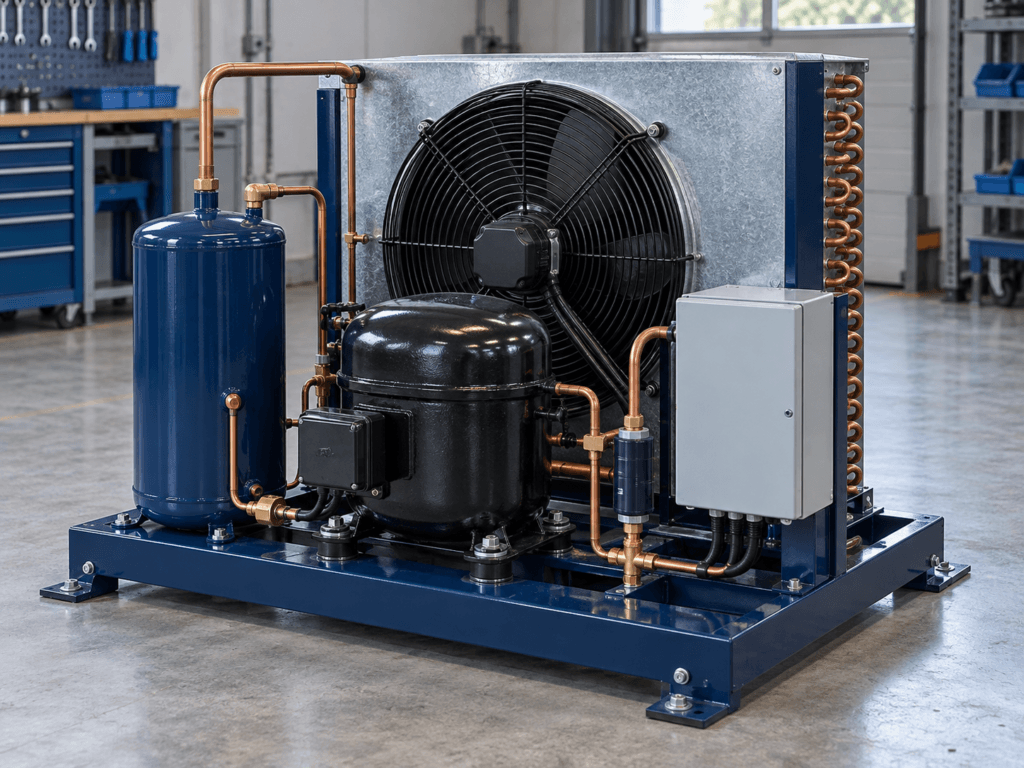
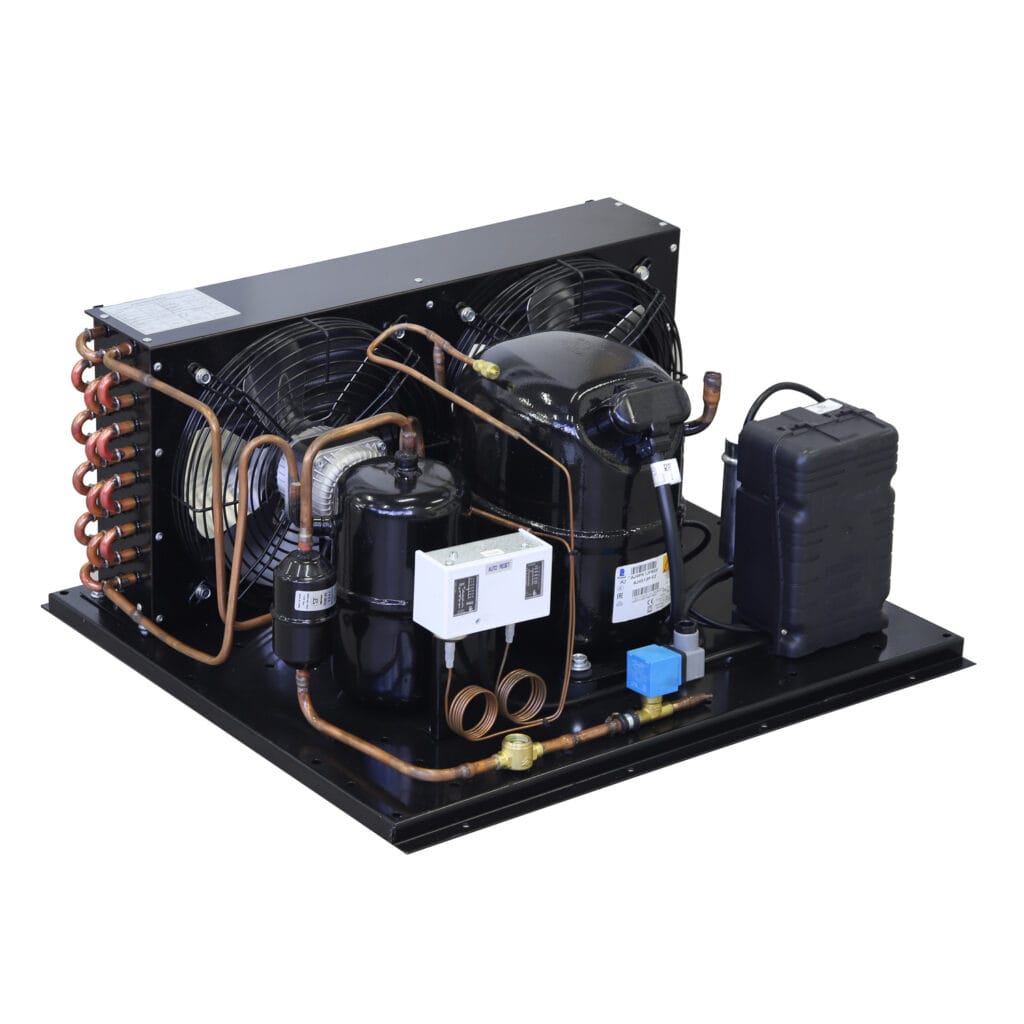
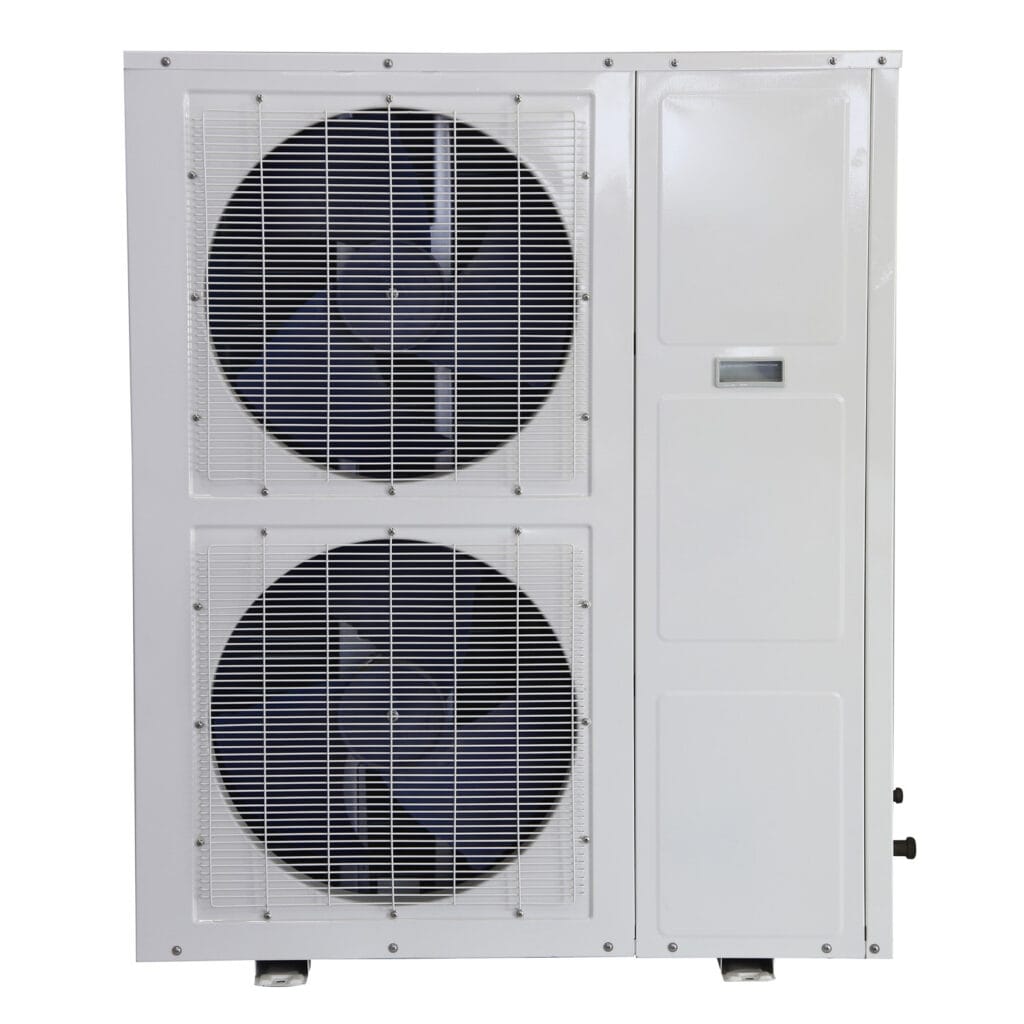
A condensing unit brings compressor-side components together as a serviceable refrigeration assembly. Use the product view to review the enclosure, heat-rejection arrangement, connection locations and mounting footprint, then confirm refrigerant, duty, power supply and installation conditions.
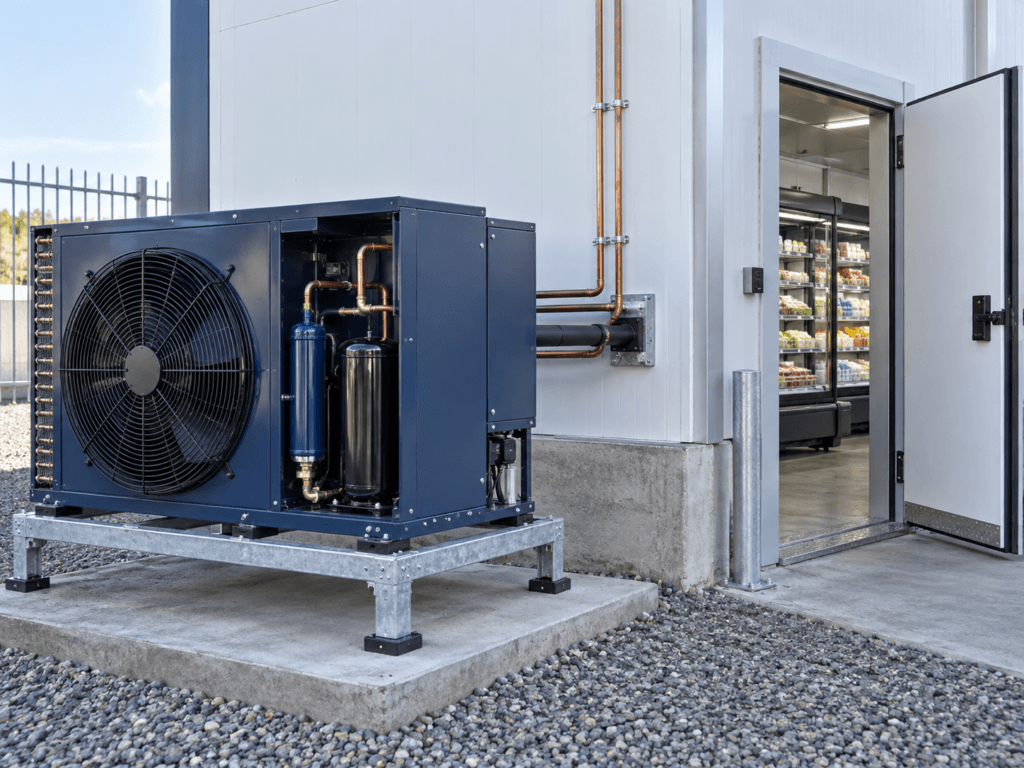
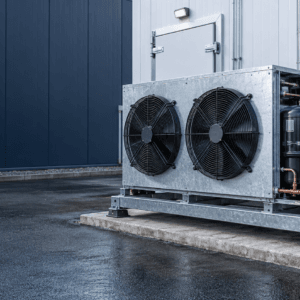
Condensing units are commonly positioned beside, above or outside a refrigerated cabinet or cold room. The application view helps buyers check ventilation, weather exposure, noise considerations, pipe routing and service clearance before selecting a configuration.
Check: Provide target temperature, ambient condition, expected load, operating cycle and refrigerant information if known
Consider: Defines the unit review basis.
Check: Confirm air or other heat-rejection method, outdoor or indoor location, ventilation and service clearance
Consider: Helps check the unit against the site environment.
Check: Share voltage, frequency, phase, controls, connection details and system layout
Consider: Supports compatibility review of the complete assembly.
Review the linked air-cooled family for heat-rejection and installation context. Confirm fan, coil, enclosure, connections and ambient requirements from current product data.
A condensing unit normally brings several refrigeration functions together; confirm the compressor, condenser, controls and connection assumptions for the requested configuration.
Include access, mounting, ventilation, electrical and piping information so the unit is reviewed as part of the installation.
| Parameter | Information to provide | Why it matters |
|---|---|---|
| System application | Commercial refrigeration, cold room, display cabinet or industrial cooling | Establishes the use case and installation context. |
| Design condition | Target temperature, ambient condition, load, operating cycle and refrigerant if known | Supports a meaningful unit review. |
| Cooling method | Air-cooled or other project requirement, ventilation and location | Confirms heat-rejection and site interface. |
| Electrical and control | Voltage, frequency, phase, controller or signal and protection requirements | Helps review compatibility. |
| Mechanical interface | Envelope, mounting, piping or port details and service clearances | Confirms installation feasibility. |
The unit must match cabinet duty, location and heat-rejection path
Confirm: Provide cabinet application, target condition, ventilation and connection details.
Unit selection depends on room condition, duty, ambient and service access
Confirm: Share room data, expected load, location and piping layout.
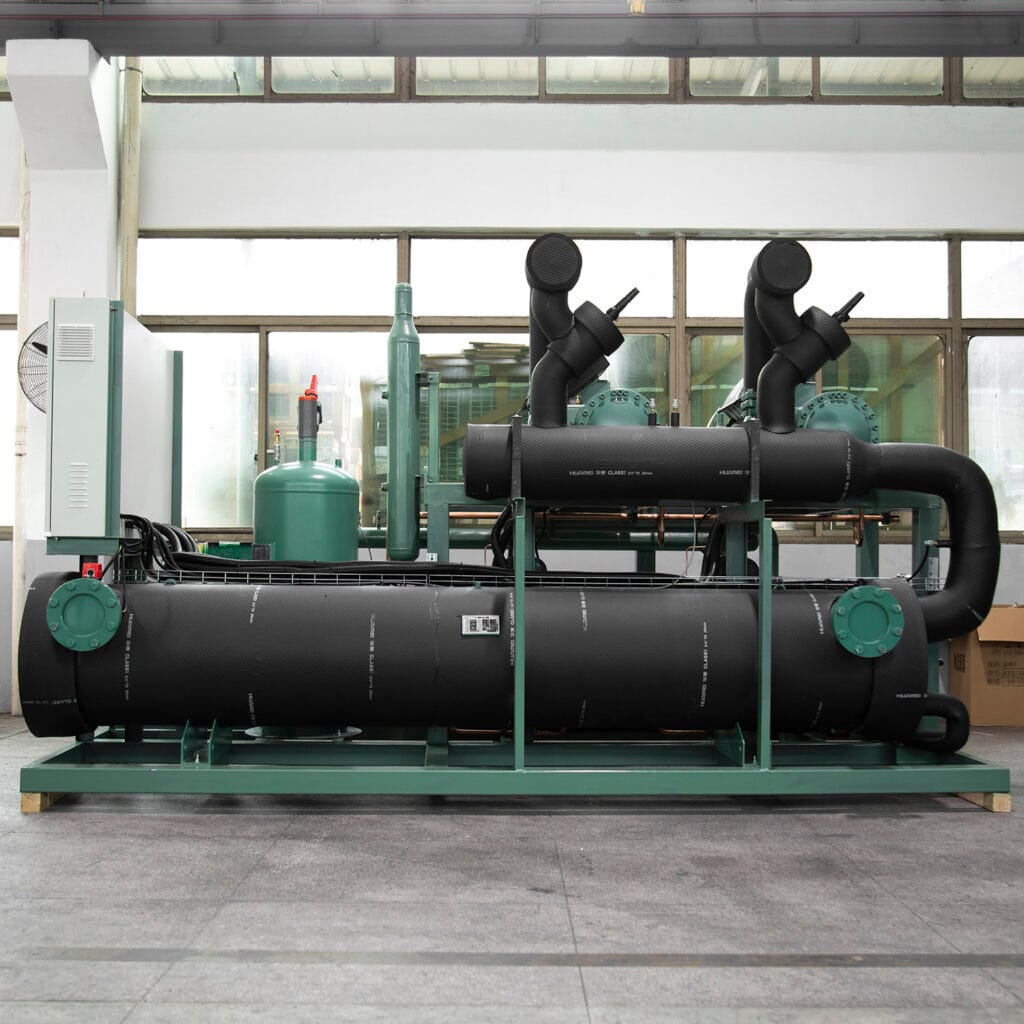
Larger systems require the assembly and controls to be reviewed against the plant design
Confirm: Send the system drawing, duty, electrical data and interface schedule.
Confirm the exact unit configuration, drawing revision, connections and control assumptions before release.
Ask which compressor, condenser, fan, electrical and piping checks apply to the quoted unit.
Agree the applicable operating, leak, electrical or other project-specific tests and acceptance criteria before order release.
Provide application, target condition, ambient, load and operating cycle
Why it matters: Gives the quotation a defined basis.
State cooling method, compressor or assembly reference, refrigerant information if known and controls
Why it matters: Avoids an incomplete configuration request.
Send envelope, mounting, ventilation, piping, electrical and service-clearance data
Why it matters: Enables installation review.
Share quantity, drawing revision and inspection requirements
Why it matters: Supports a traceable quotation response.
Start with system duty, target condition, ambient location, refrigerant information if known, power supply, controls, piping, ventilation and service clearance
Why it matters: Defines the technical basis for review.
Provide application, target condition, ambient, expected load, operating cycle, refrigerant information if known, electrical data and the existing unit reference.
Not automatically. Confirm ambient, ventilation, heat-rejection method, utilities and the complete system interface.
Send the unit nameplate or part reference, drawings or photos, dimensions, piping, electrical and control details, plus the application.
Include the existing compressor or assembly reference when it is part of a replacement request; final configuration should be confirmed in the quotation.
Yes. Share room condition, duty, location, ventilation, piping and electrical requirements for review.
A condensing unit is a refrigeration equipment assembly that brings compressor-side and heat-rejection functions together with required connection and control interfaces. The configuration should be reviewed against the complete system.
Use it to organize unit type, application, sizing and quotation questions.
Use it to review heat rejection and airflow inputs when an air-cooled unit is considered.
Use it when the condensing-unit request is part of a parallel or rack system.
A clear RFQ helps the team review the right category, construction and interface. Use the checklist below as a practical starting point, then provide the category-specific details shown above.
State the equipment, target condition, ambient environment and expected duty.
Share dimensions, mounting points, connections, airflow direction and service clearances.
For fans and motors, include voltage, frequency, control signal, rotation and wiring.
Attach the old part, drawing or sample and state quantity, revision and documentation needs.
Share your application, drawings and operating requirements so our team can review the details of your project.