REFRIGERATION COMPONENTS

Condensers

Custom condenser solutions for refrigerators, freezers, display cabinets, cold storage equipment and commercial refrigeration systems.

Products

Product and Application Visuals

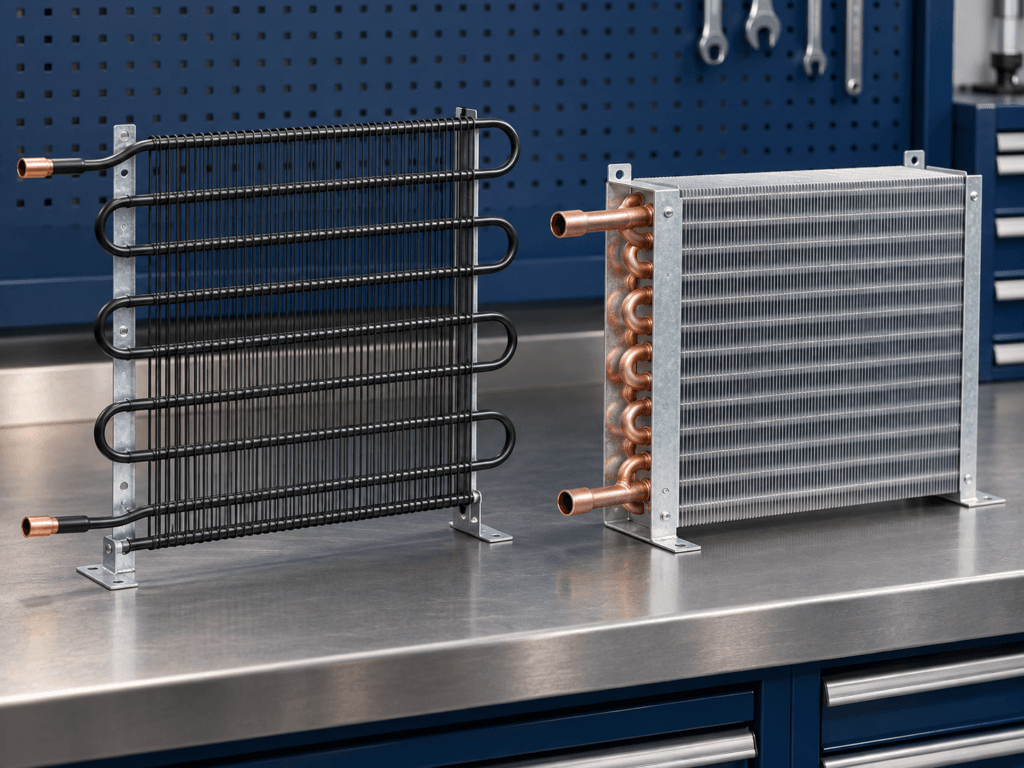
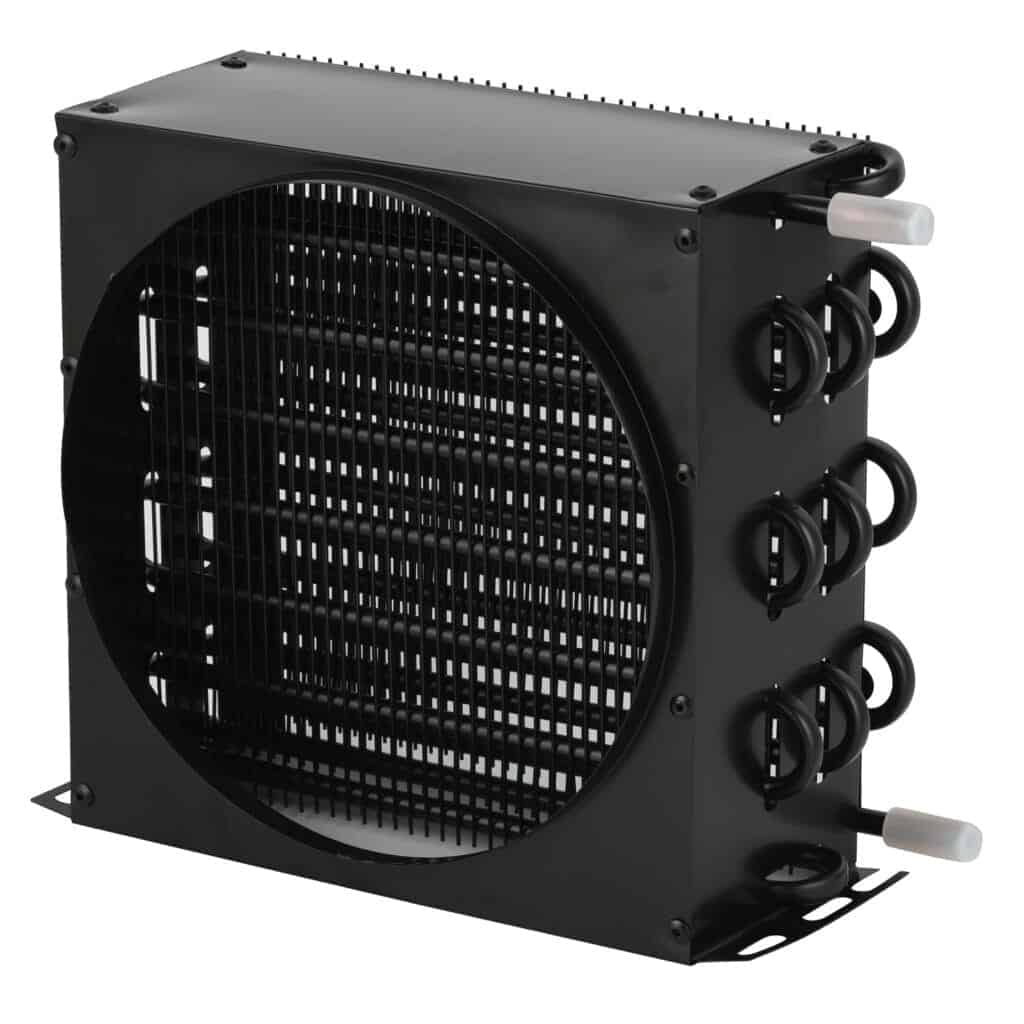
Illustrative visualization of Condensers — Product and structure
Product and structureIllustrative Visualization

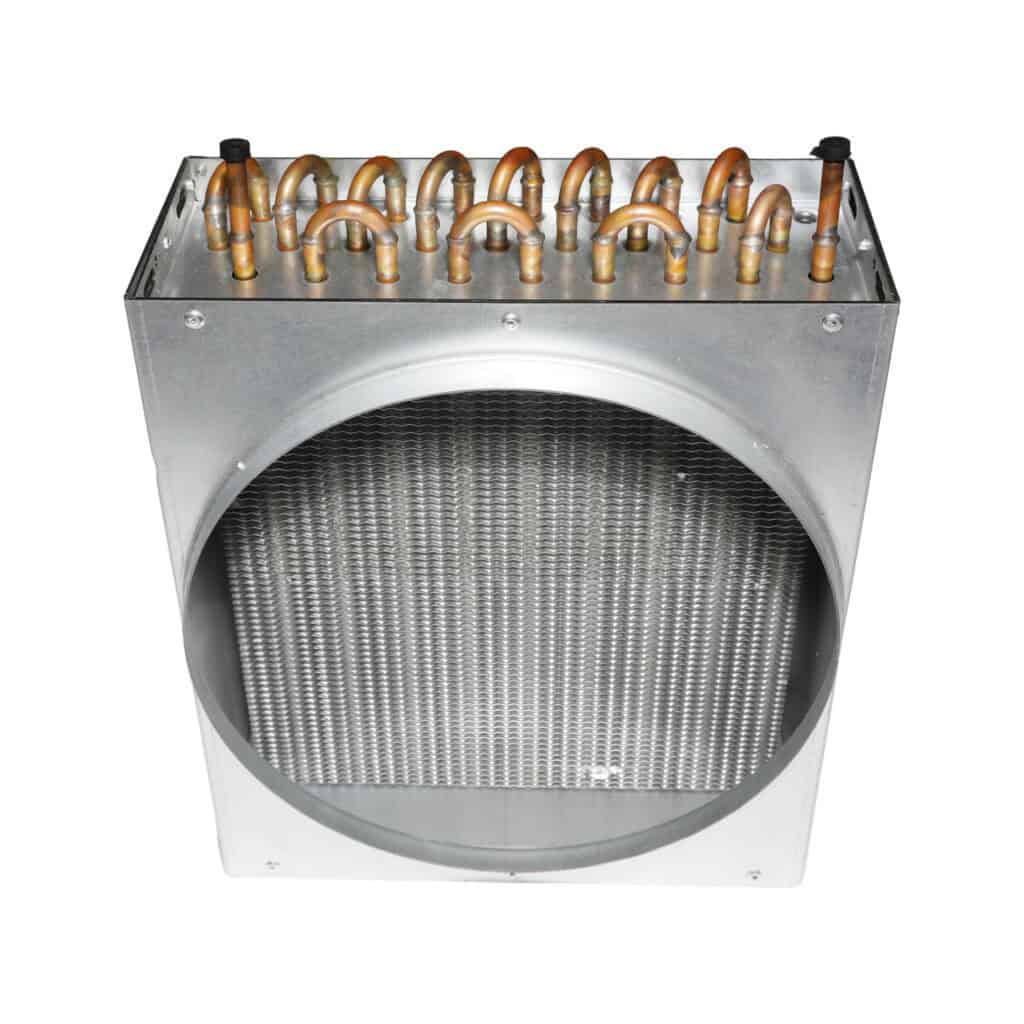
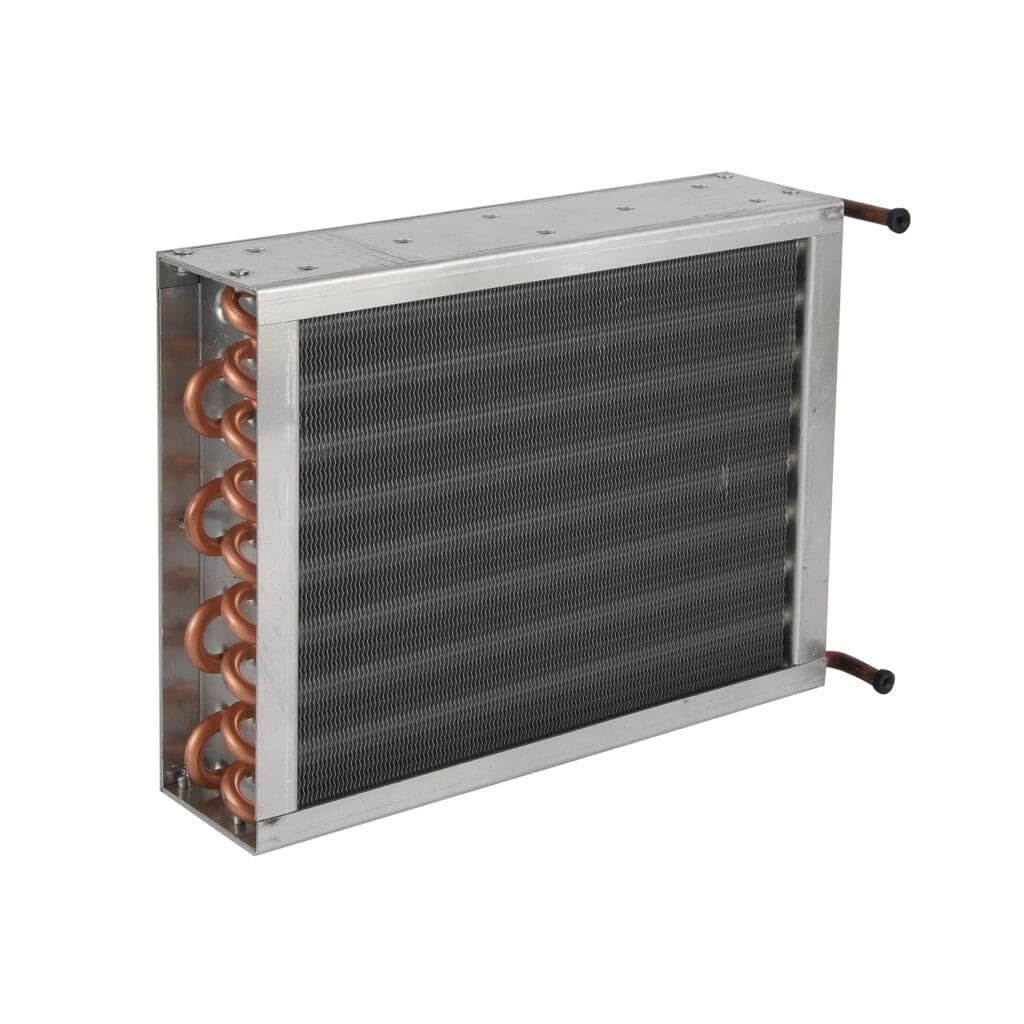
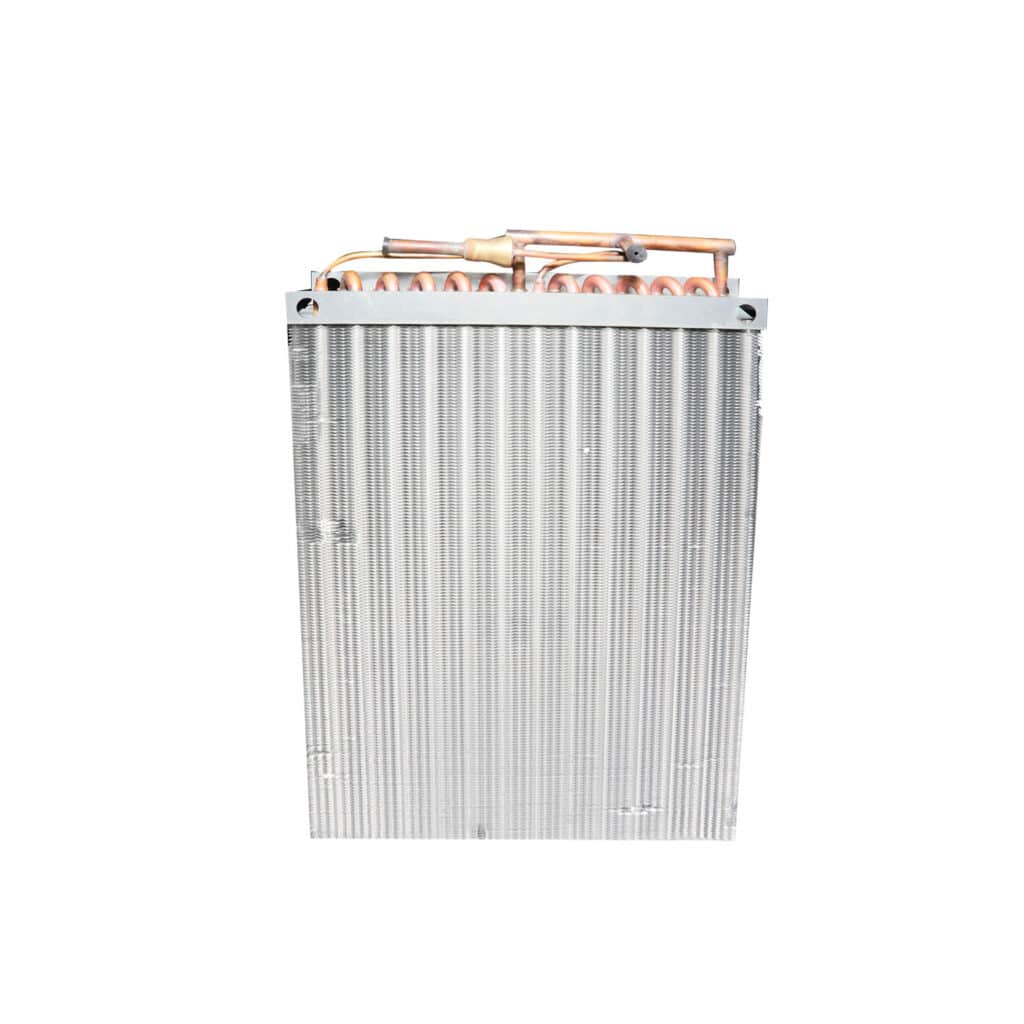
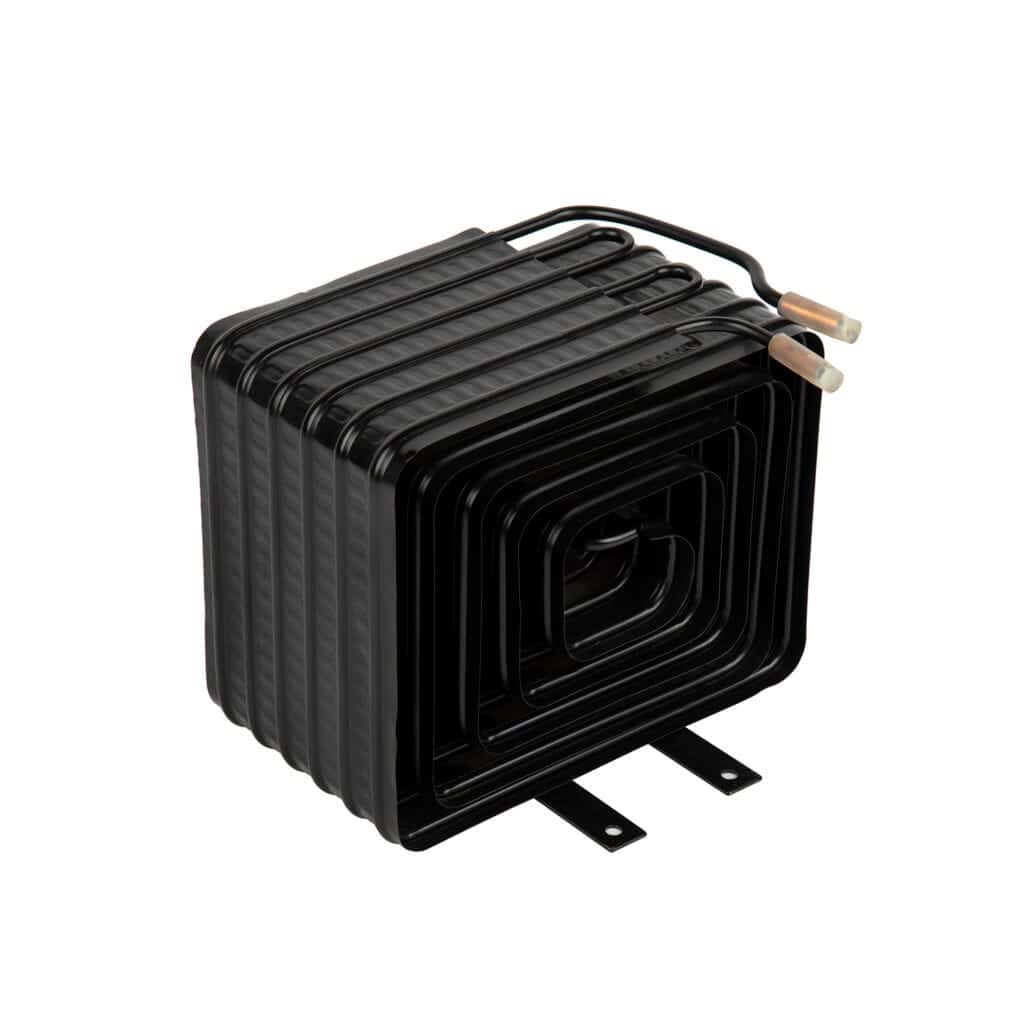
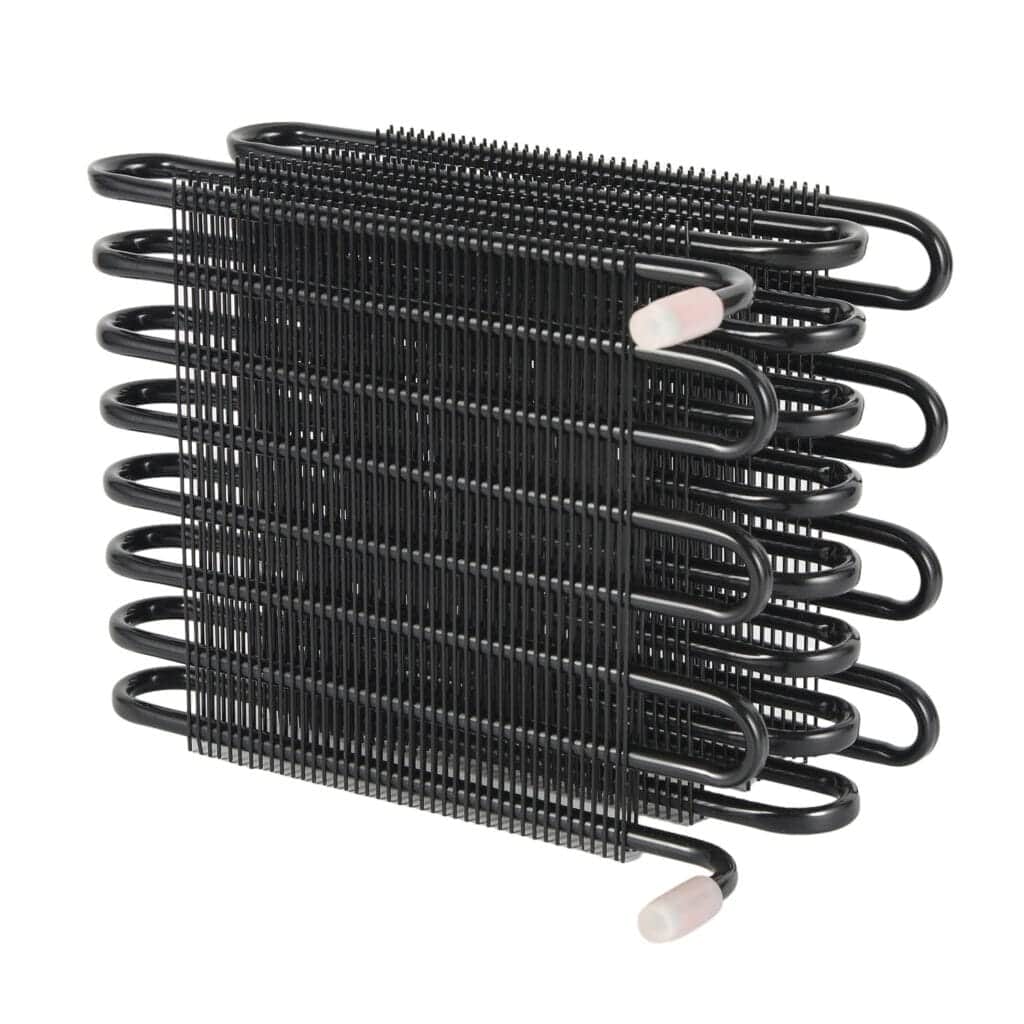
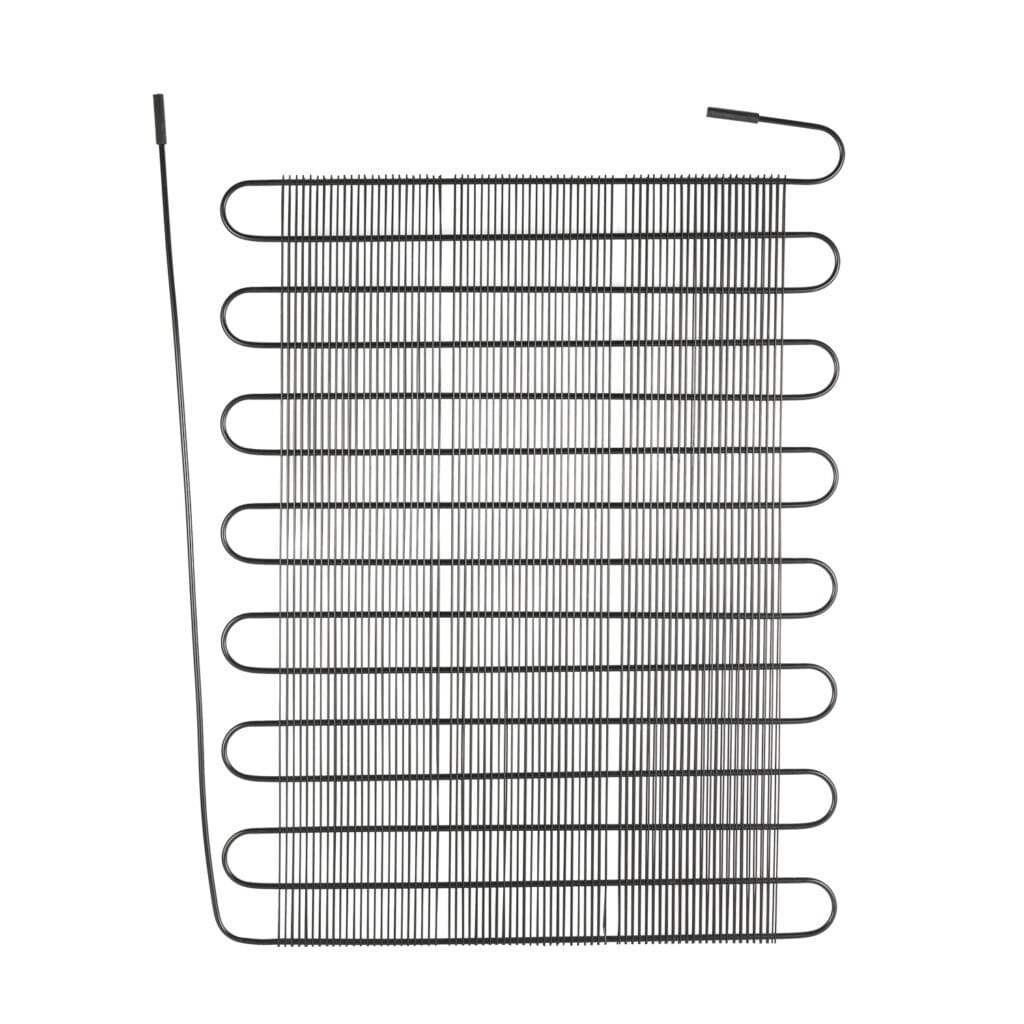
This view highlights the tube, fin, frame and connection arrangement buyers normally check before requesting a drawing or sample. Confirm the construction, material combination, envelope, mounting points and tube or port orientation for the intended system.

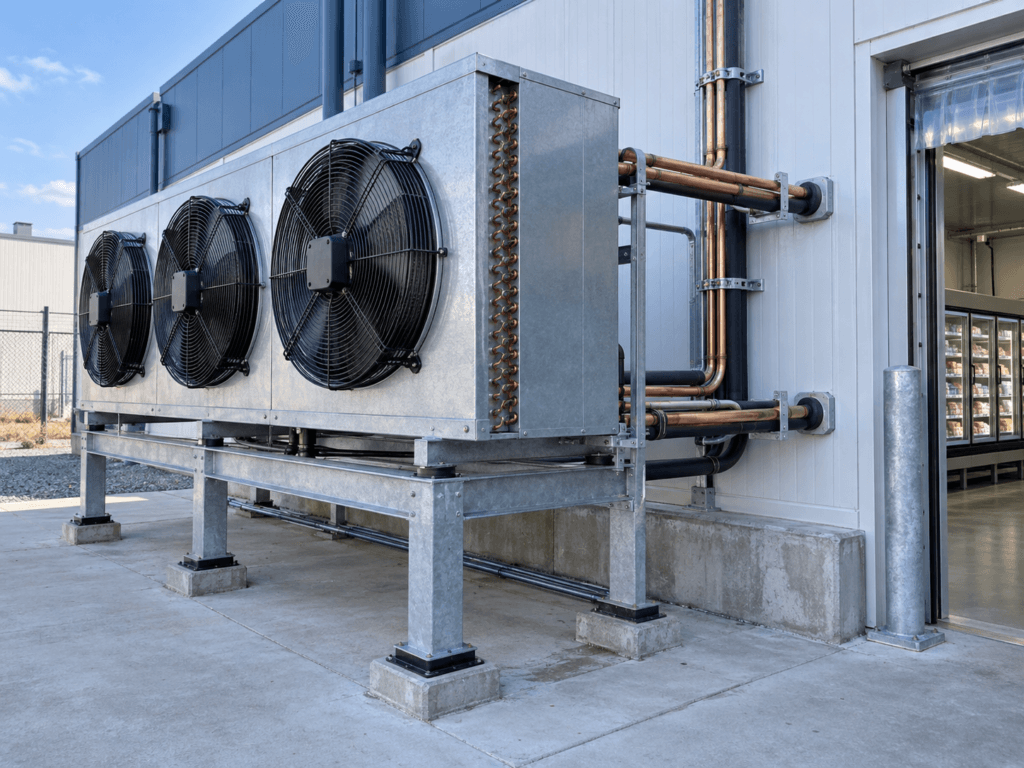
Illustrative visualization of Condensers — Application context
Application contextIllustrative Visualization

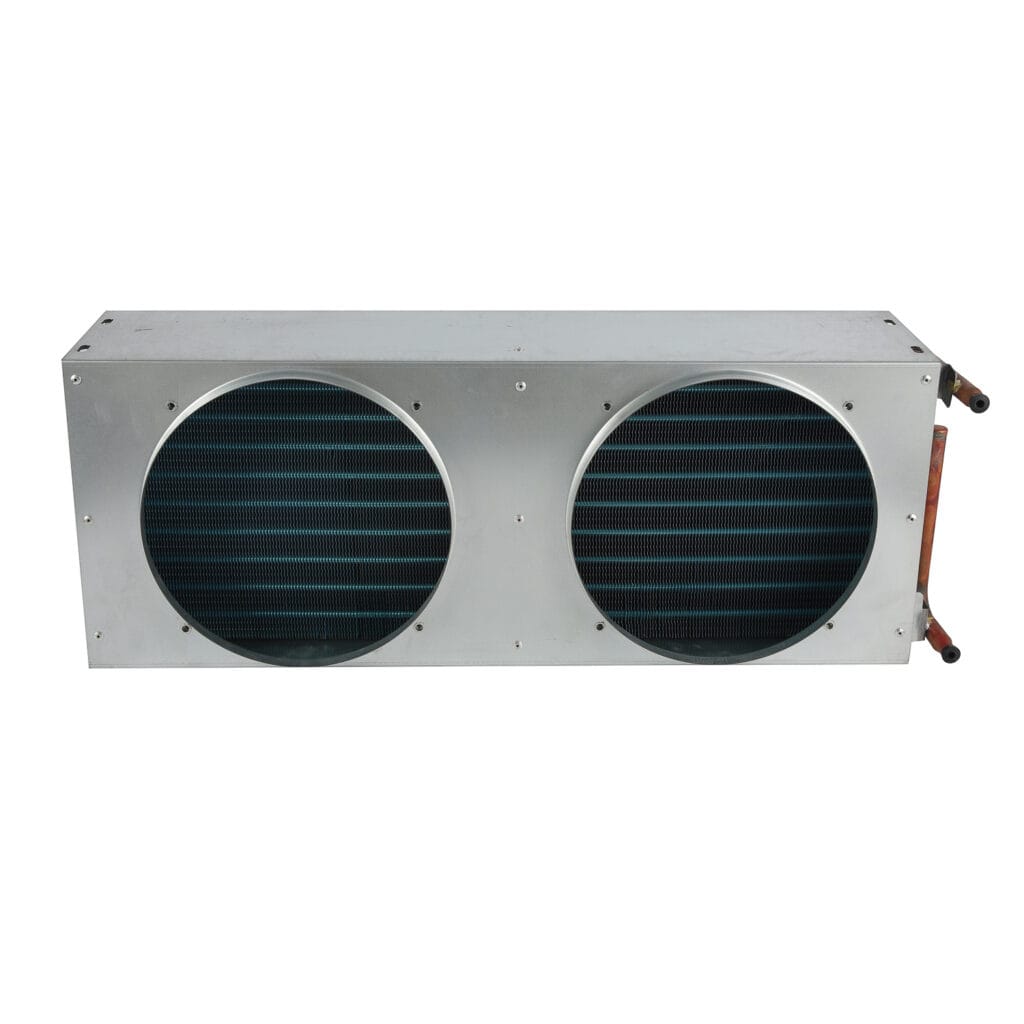
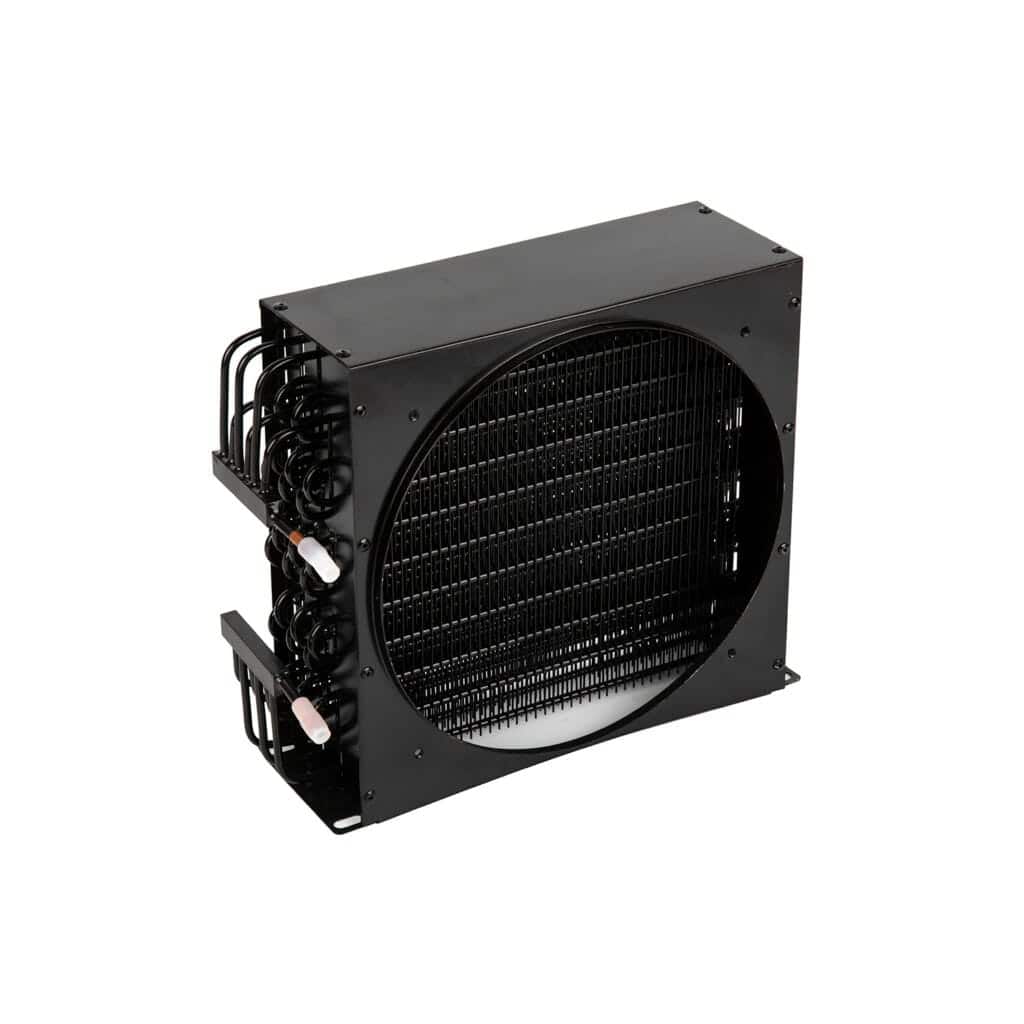
Condensers sit on the heat-rejection side of refrigerators, freezers, display cabinets and cold-storage equipment. The application view helps confirm airflow clearance, ambient exposure, service access and the relationship between the condenser and the rest of the circuit.

Condenser Selection Questions

Heat-rejection duty and ambient condition

Check: Provide equipment type, target condition, ambient range and duty information if available

Consider: Sets the context for reviewing surface, airflow and connection requirements.

Available space and airflow path

Check: Share envelope, ventilation opening, fan arrangement, clearances and mounting points

Consider: Confirms that the condenser can fit and receive the intended airflow.

Connections and service interface

Check: Provide tube or port size, orientation, bends and access requirements

Consider: Prevents a heat-transfer component from being selected without checking system connection.

Refrigeration system condenser review

Check: Match the heat-rejection duty, ambient condition, airflow path, envelope, connections, mounting and service access to the complete system

Consider: Prevents a visual or title-only match.

Condenser Families, Structure and Materials

Wire Tube Condensers

Review the linked wire tube family for tube layout and support options. Confirm tube material, wire or plate details, coating, mounting and connection positions from approved data.

Copper Tube Condensers

Review the linked copper tube family for tube, fin or frame arrangements. Confirm tube size, material combination, connections and mounting before release.

System role

A condenser is evaluated on the heat-rejection side of the system; match it with the fan, airflow path, operating condition and installation envelope.

Condenser RFQ Parameters

ParameterInformation to provideWhy it matters
Equipment and system roleRefrigerator, freezer, display cabinet, cold storage or other equipmentDefines the application and installation context.
Duty and ambient conditionHeat-rejection requirement, target condition and ambient rangeSupports a meaningful technical review without guessing capacity.
ConstructionWire tube, copper tube, fin, frame, plate or other known arrangementHelps identify the correct product family and drawing.
Envelope and mountingOverall dimensions, fixing points, bends, supports and service clearanceConfirms physical fit.
ConnectionsTube or port size, orientation, connection method and working-fluid information if knownConfirms the system interface.

Wire Tube and Copper Tube Condenser Comparison

Choice areaWhat changesConfirm before choosing
Wire tube condenserWire or tube support and layering details affect packaging and installationConfirm material, support, coating, mounting and available envelope.
Copper tube condenserCopper tube construction may be paired with a fin or frame arrangementConfirm tube size, material combination, connection and heat-rejection context.
Replacement selectionDifferent construction names do not prove interchangeabilityCompare approved dimensions, connections, mounting, airflow and system duty.

Condenser Applications

Refrigerators and freezers

Condensers must fit a compact envelope and the appliance airflow path

Confirm: Confirm cabinet space, ventilation, mounting and operating condition.

Display cabinets

Heat rejection and service access are constrained by the cabinet design

Confirm: Provide layout, ambient condition, fan arrangement and connection information.

Cold storage and commercial systems

Larger assemblies need the condenser, fan and connections reviewed together

Confirm: Share system duty, dimensions, airflow and working-fluid information.

Condenser Verification Checklist

Drawing and sample confirmation

Match the quoted construction to the approved drawing, sample or existing part.

Material and connection review

Confirm tube, fin, wire, plate, frame, coating and connection details that apply to the configuration.

Inspection documentation

State which dimensional, leak, connection or other inspection records are required; confirm availability with the quotation.

Information to Send for a Condenser RFQ

System application

State refrigerator, freezer, display cabinet, cold storage or other equipment

Why it matters: Identifies the operating context.

Duty and environment

Provide target condition, ambient range, airflow arrangement and heat-rejection information if available

Why it matters: Prevents an appearance-only match.

Drawing and interface

Send envelope, mounting, bends, tube or port data and photos of the installed part

Why it matters: Enables fit and connection review.

Quantity and revision

Share forecast quantity, drawing revision and inspection needs

Why it matters: Supports a traceable quotation.

Condenser coil manufacturer review

Provide the old part, drawing or dimensional photos, equipment duty, ambient condition, connections, mounting and quantity

Why it matters: Gives the quotation a traceable technical basis.

Condenser Buyer FAQ

How do I choose between a wire tube and copper tube condenser?

Compare the available envelope, heat-rejection arrangement, material and connection requirements against the approved drawing; the family name alone is not enough.

What dimensions are most useful for a replacement condenser?

Provide overall length, width and height, tube or port positions, bends, mounting points, supports and clear photos.

Do I need to provide refrigerant information?

Provide it when known, together with system role and operating condition; it helps the technical review and avoids assumptions.

Can the condenser be reviewed with the fan?

Yes. Include the airflow path, fan arrangement, motor information and clearances so the assembly can be checked together.

What inspection information should be agreed?

Confirm the applicable dimensional, connection, leak or other project-specific checks before quotation.

Condenser Selection Resources

BUYER REVIEW CHECKLIST

Prepare the Details Behind a Useful Quote

A clear RFQ helps the team review the right category, construction and interface. Use the checklist below as a practical starting point, then provide the category-specific details shown above.

Application

State the equipment, target condition, ambient environment and expected duty.

Geometry & Interfaces

Share dimensions, mounting points, connections, airflow direction and service clearances.

Electrical & Controls

For fans and motors, include voltage, frequency, control signal, rotation and wiring.

Reference & Quantity

Attach the old part, drawing or sample and state quantity, revision and documentation needs.

TECHNICAL RFQ SUPPORT

Discuss Your Refrigeration Requirements

Share your application, drawings and operating requirements so our team can review the details of your project.

Scroll to Top