

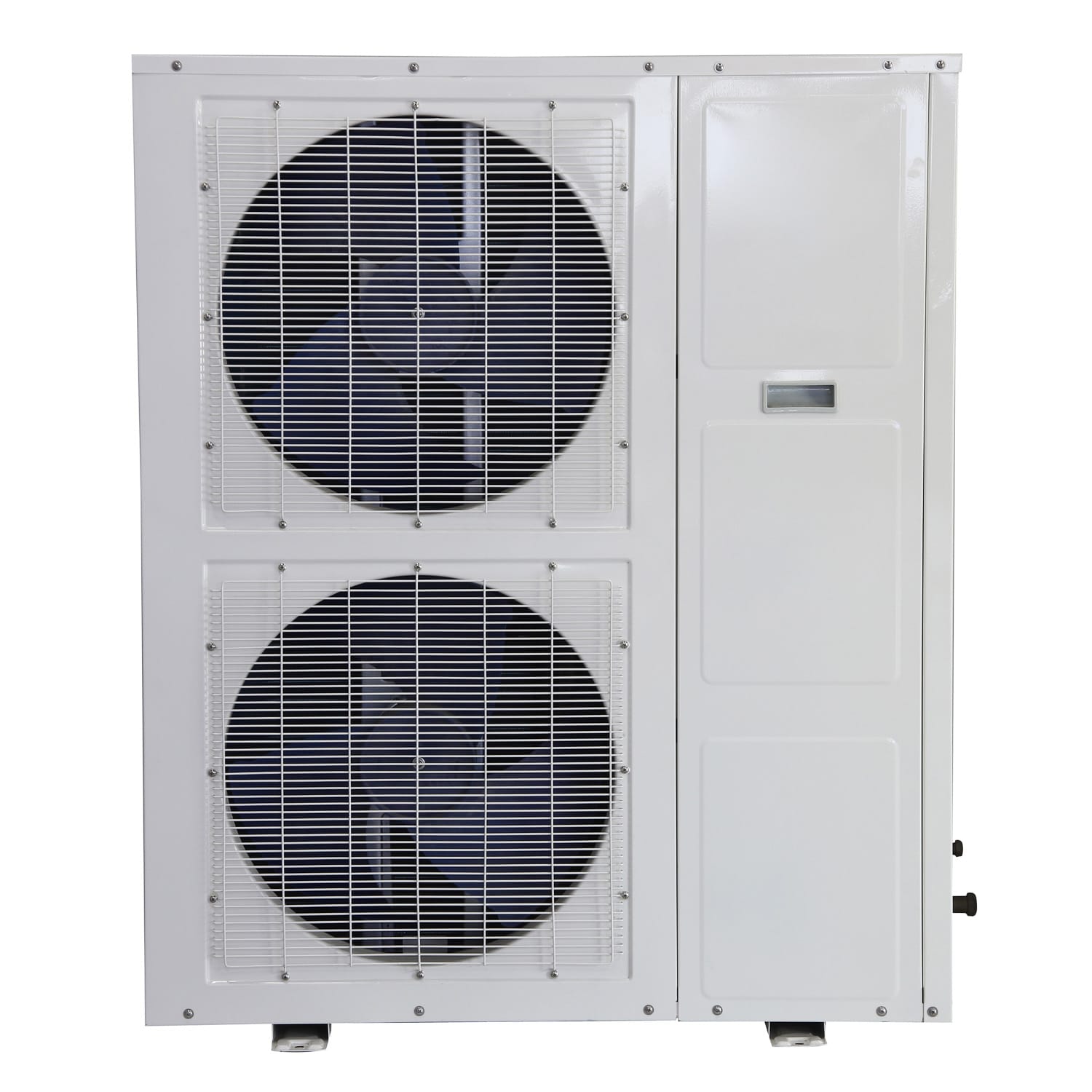
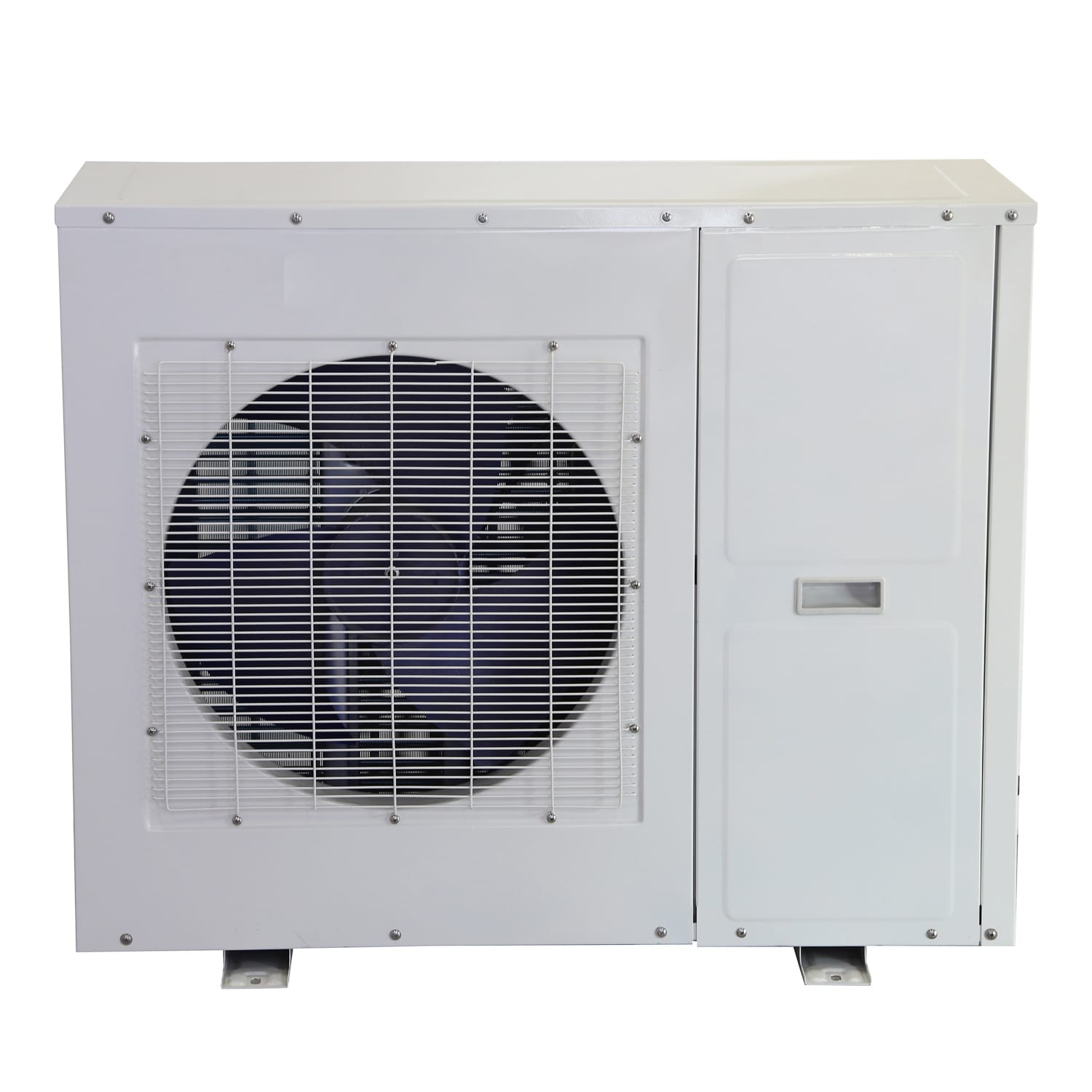
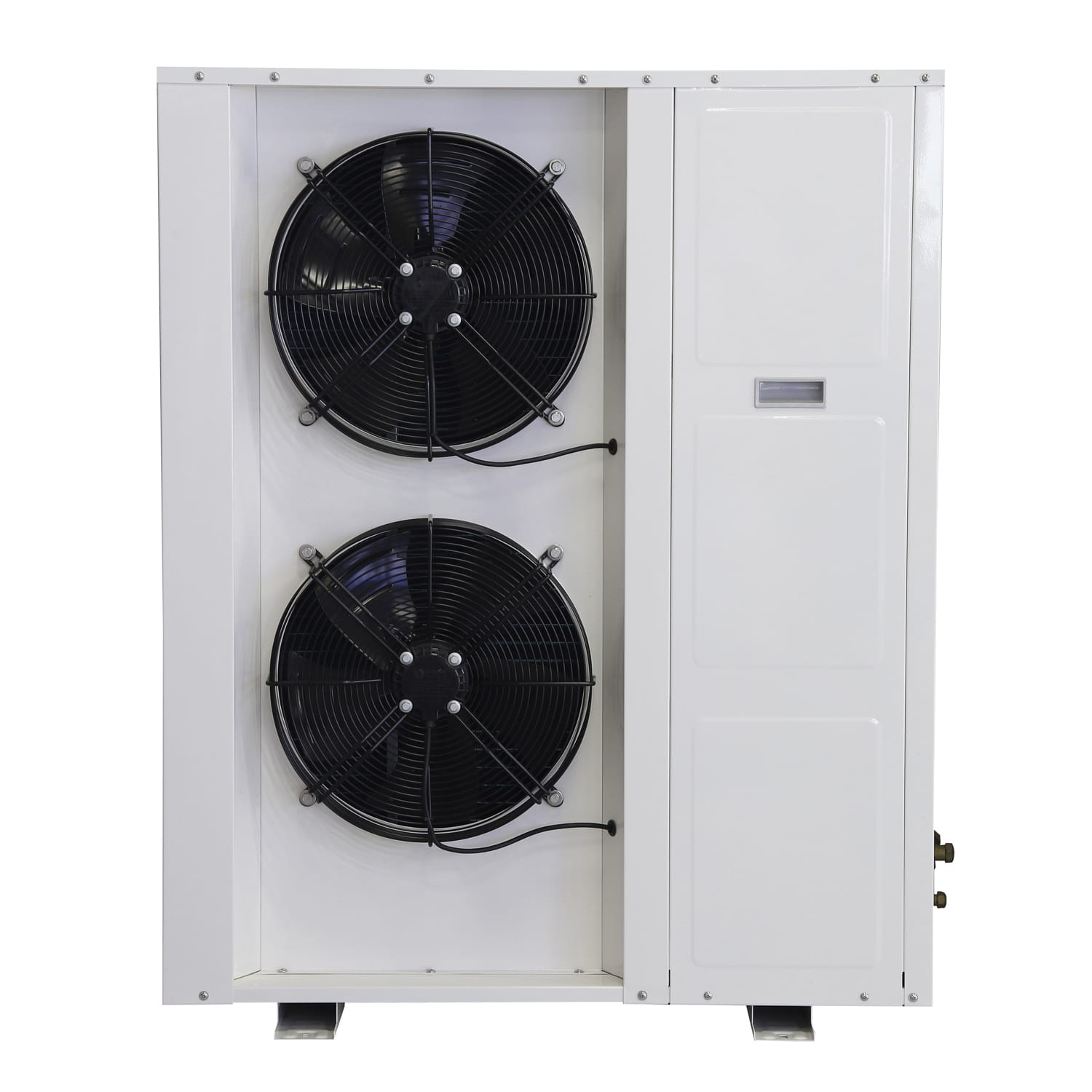
Custom Condensing Unit for Cold Room and Heat Pump Systems

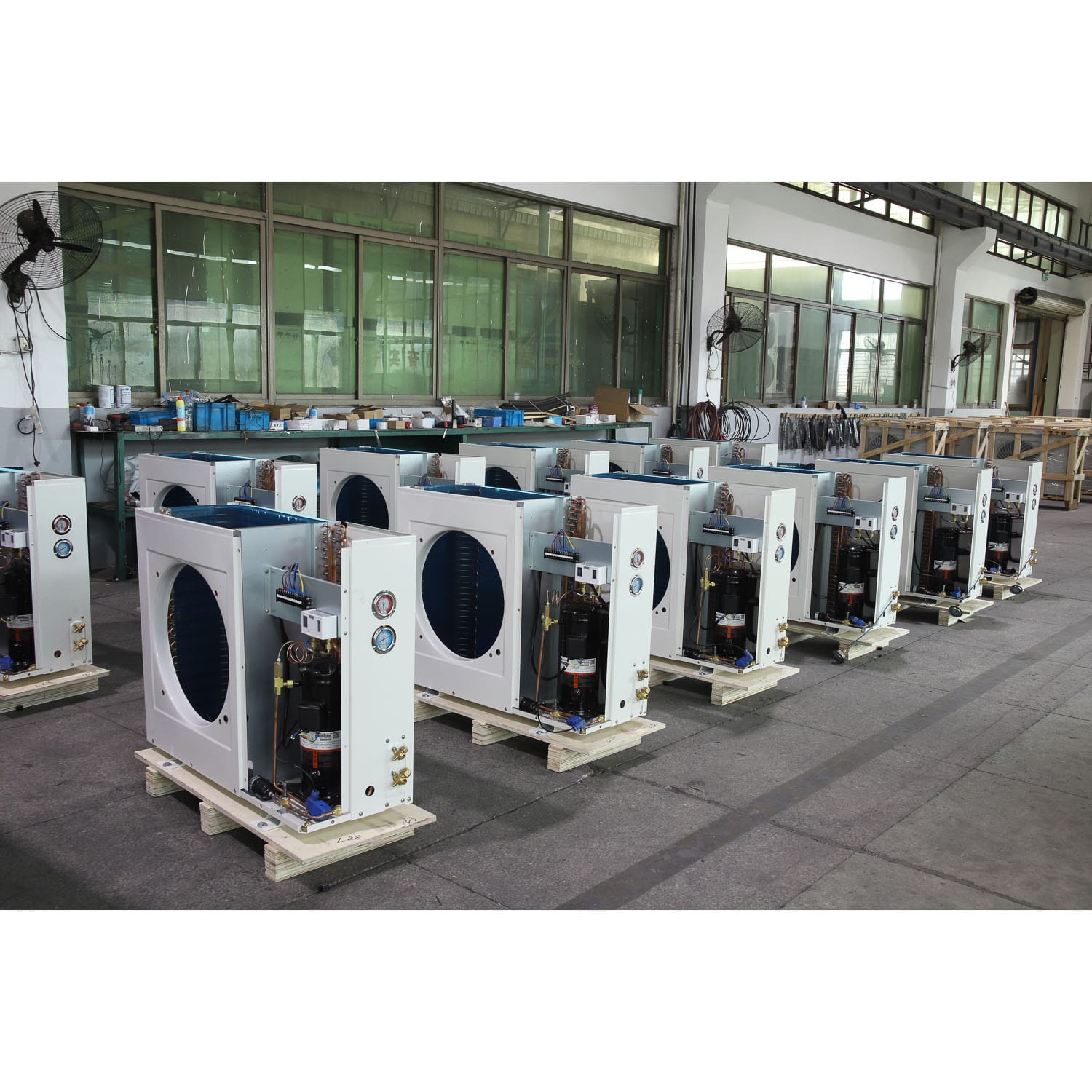
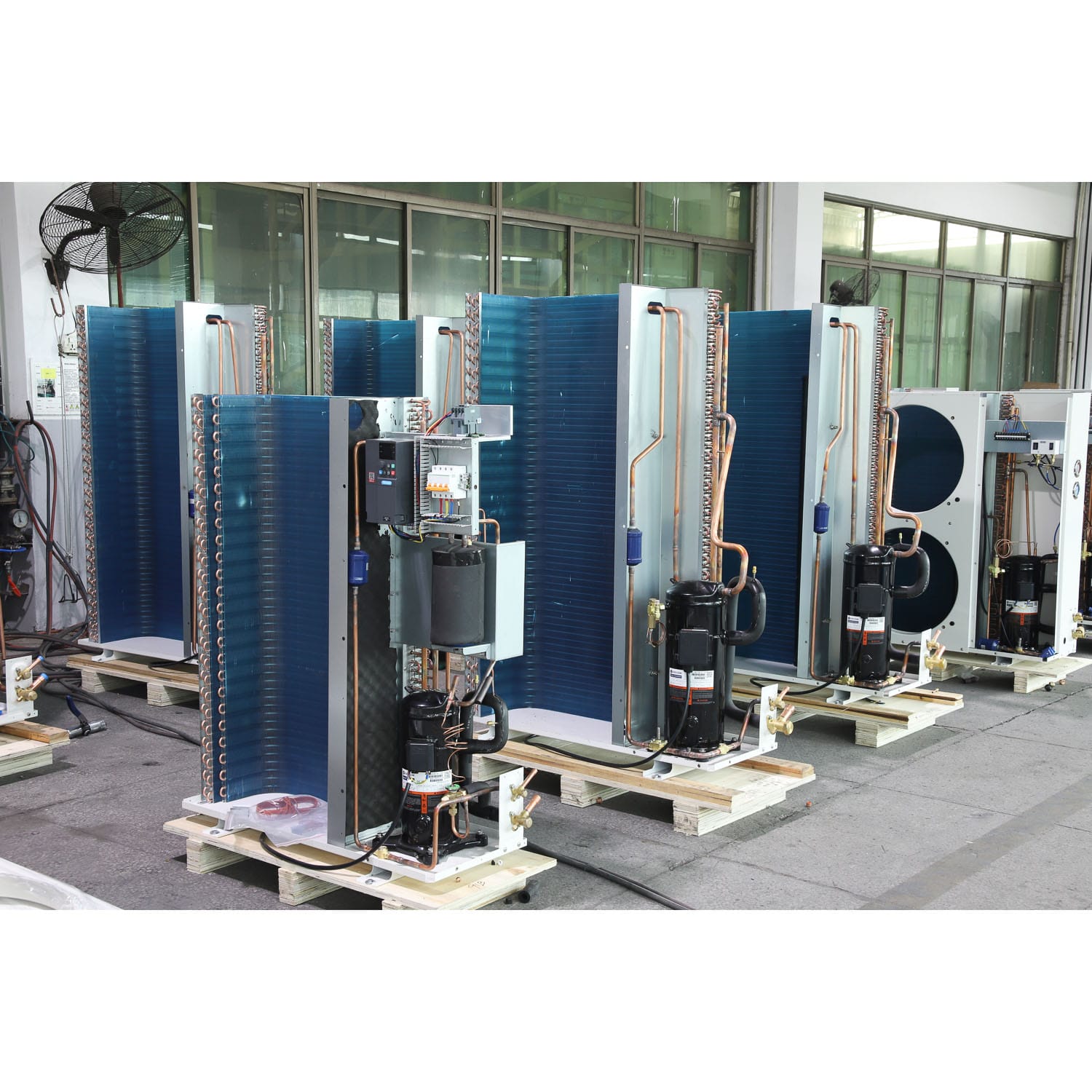
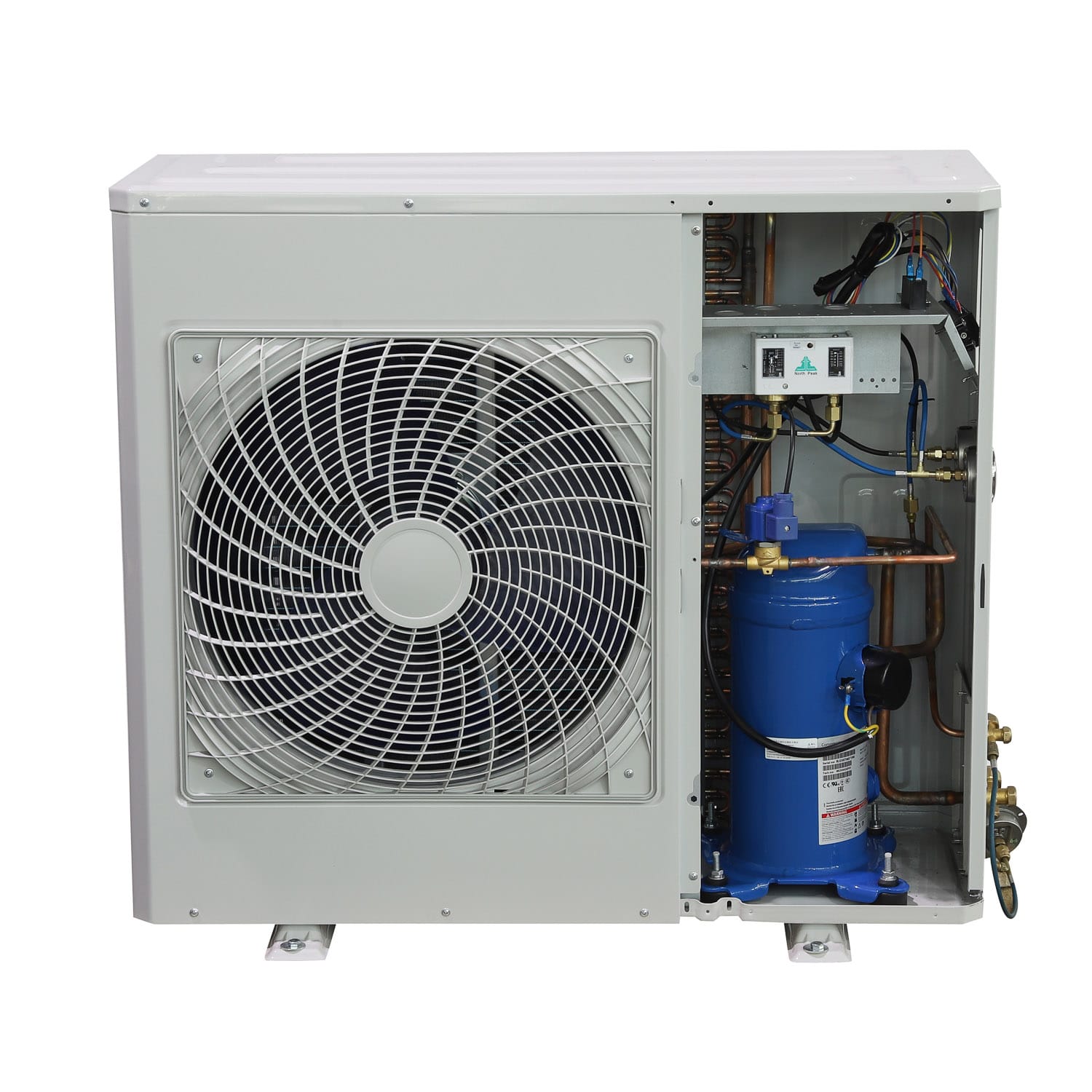
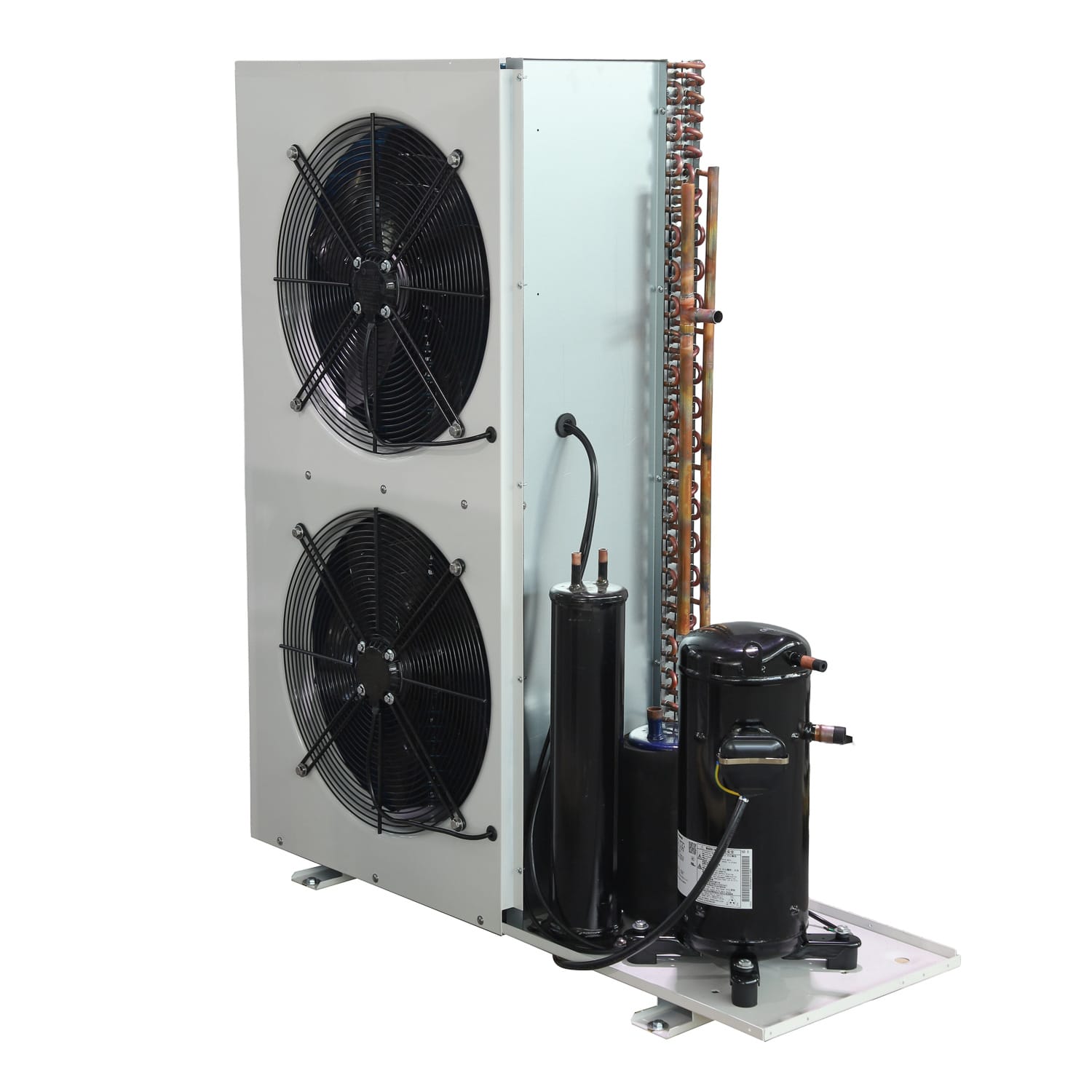

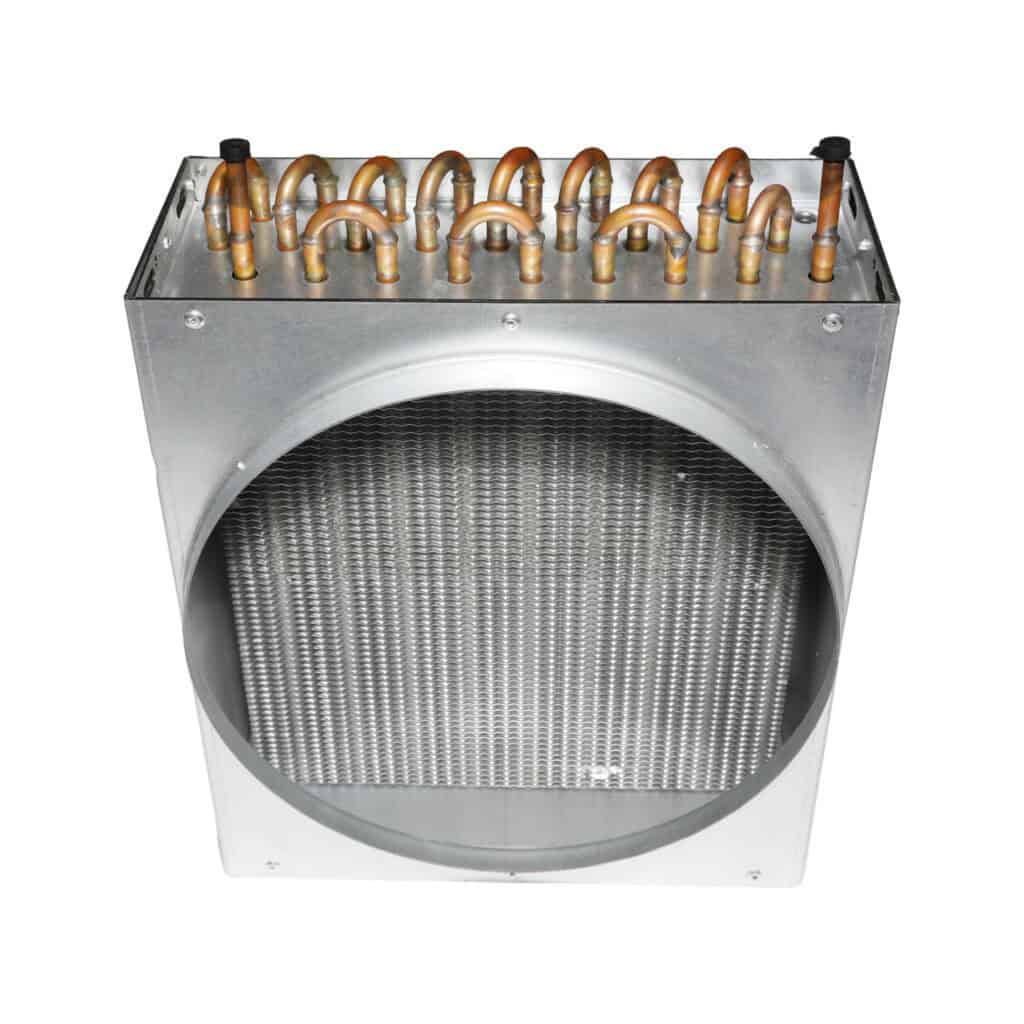
Air conditioning condenser for OEM cooling systems, with published aluminum tube and fin references, drawing or sample review, process guidance and RFQ checkpoints.
Product Details
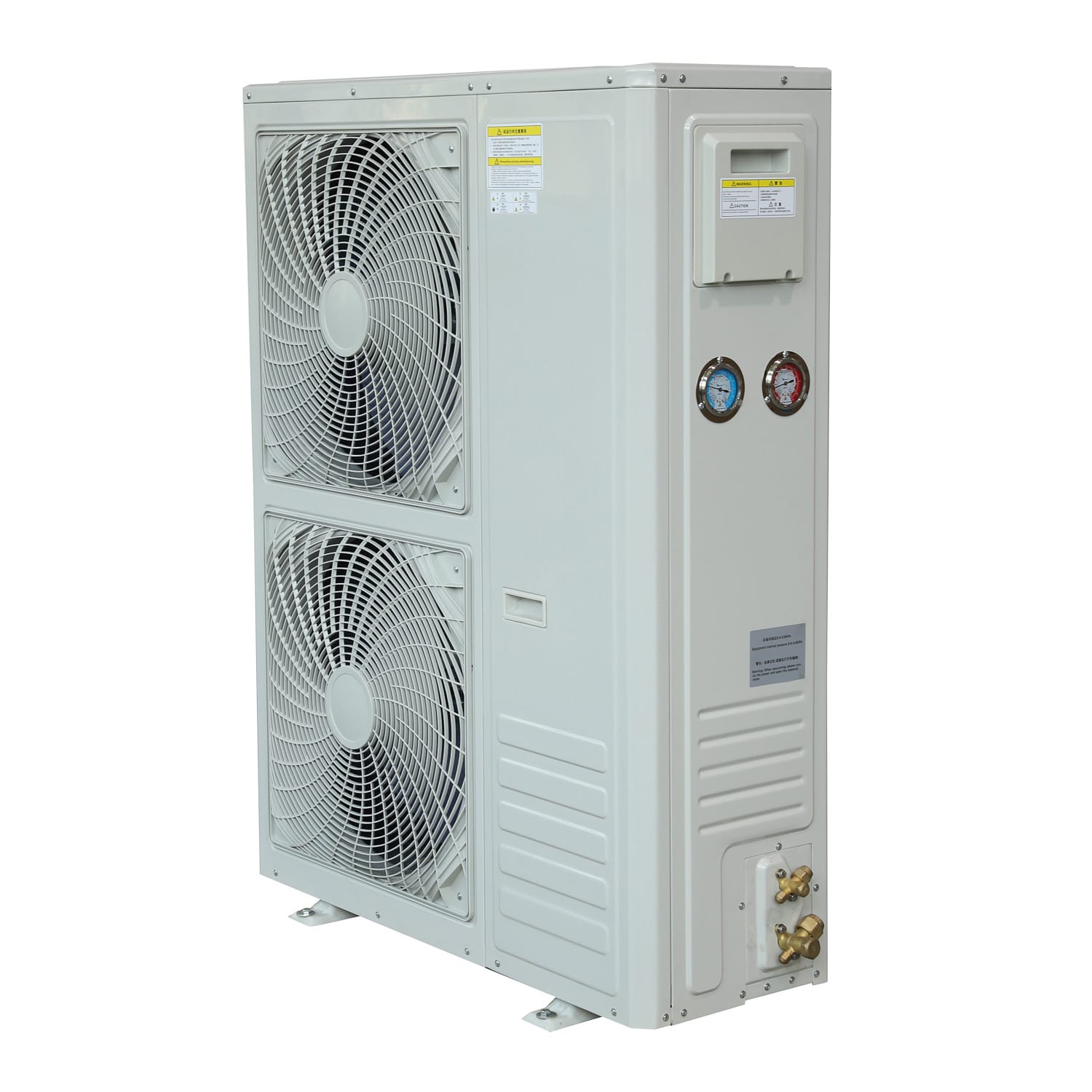
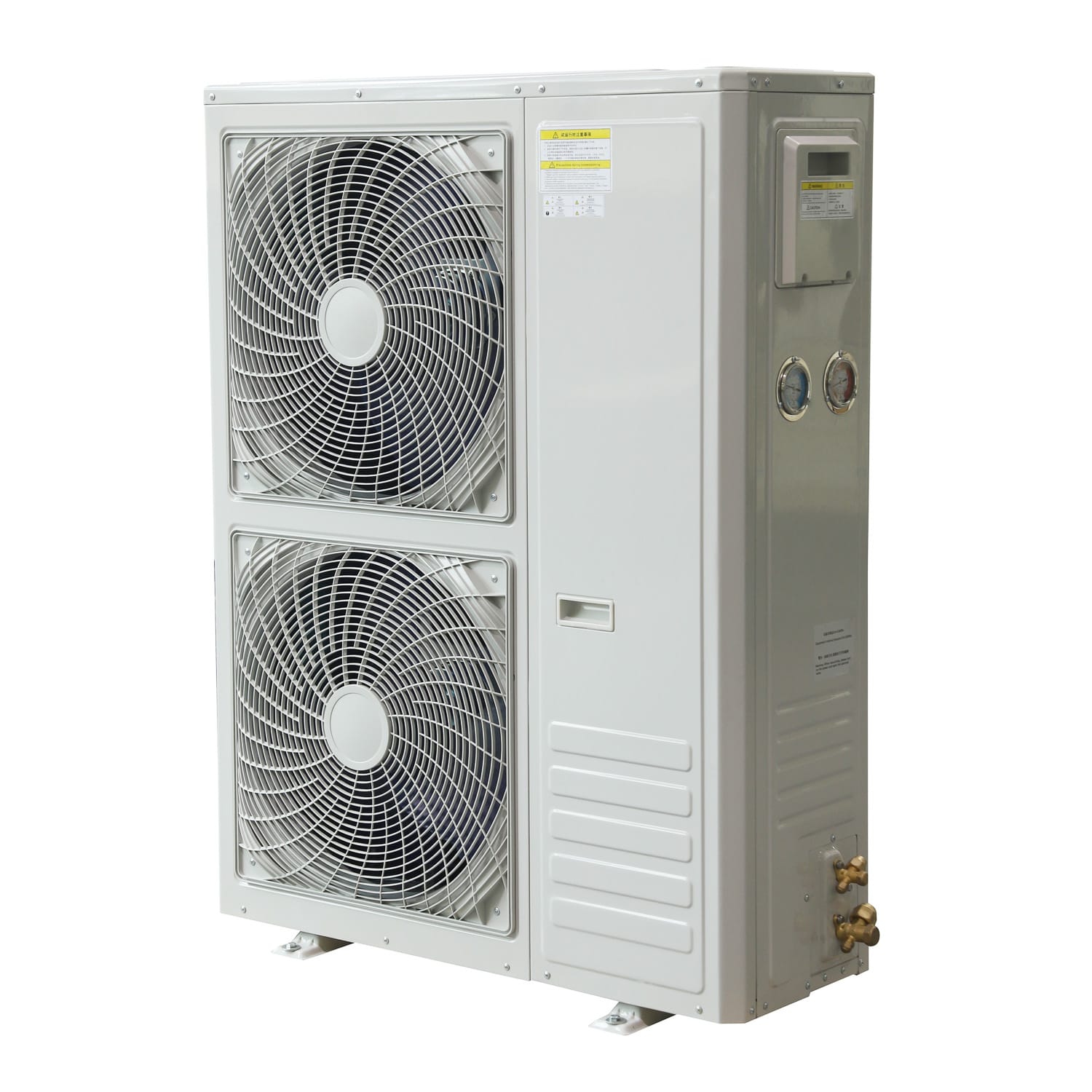
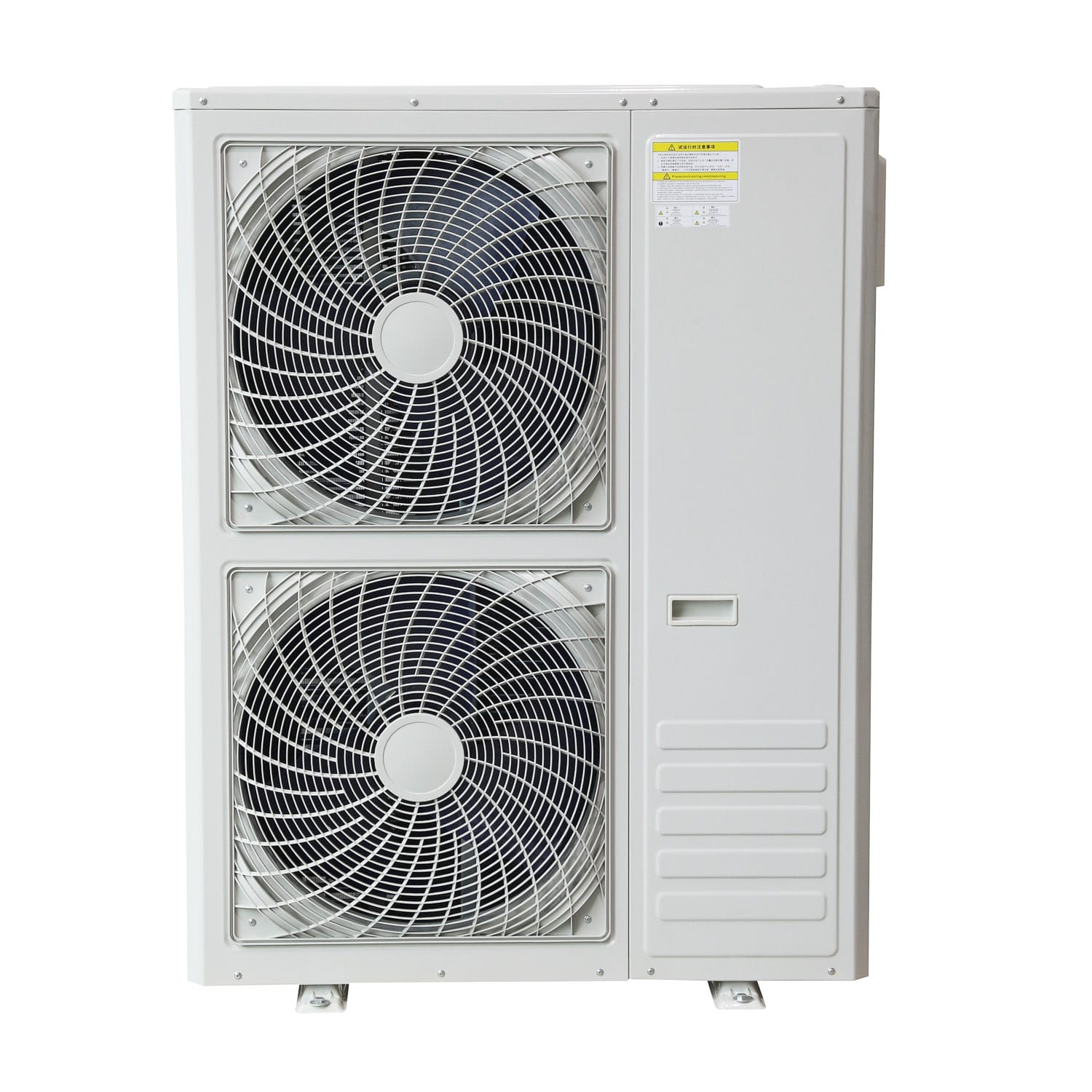
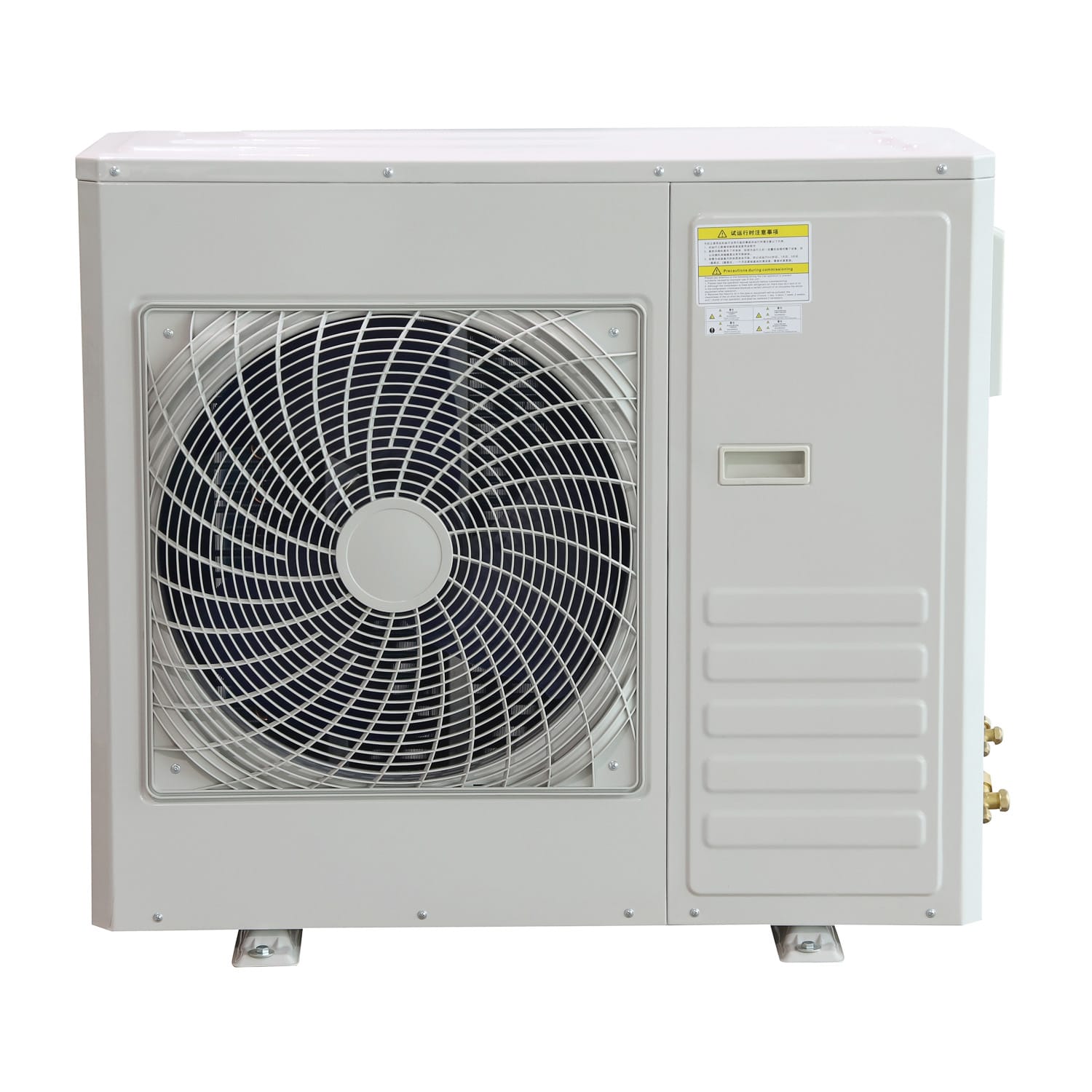
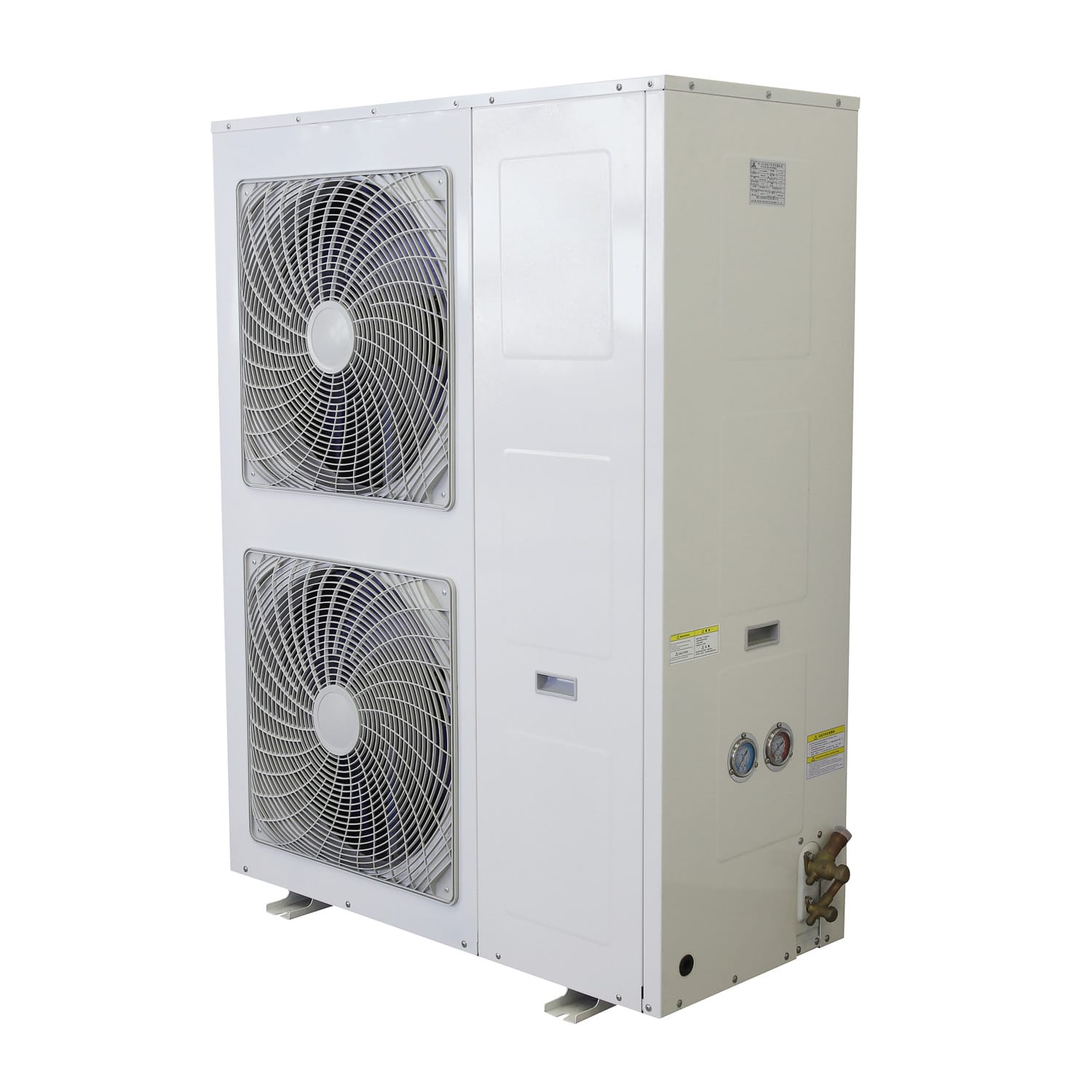
Air-Cooled Condensing Unit for Commercial Cold Rooms and Heat Pumps
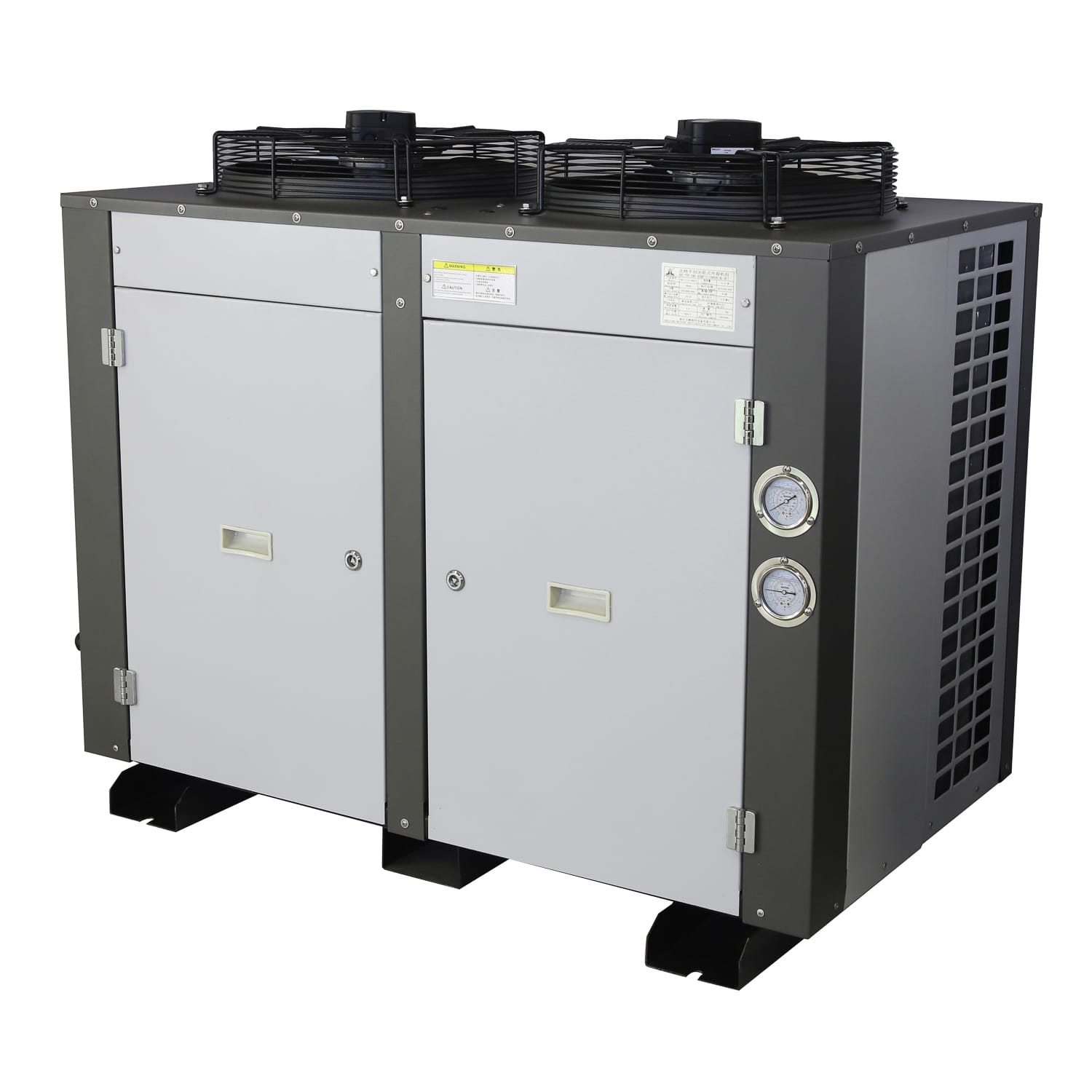
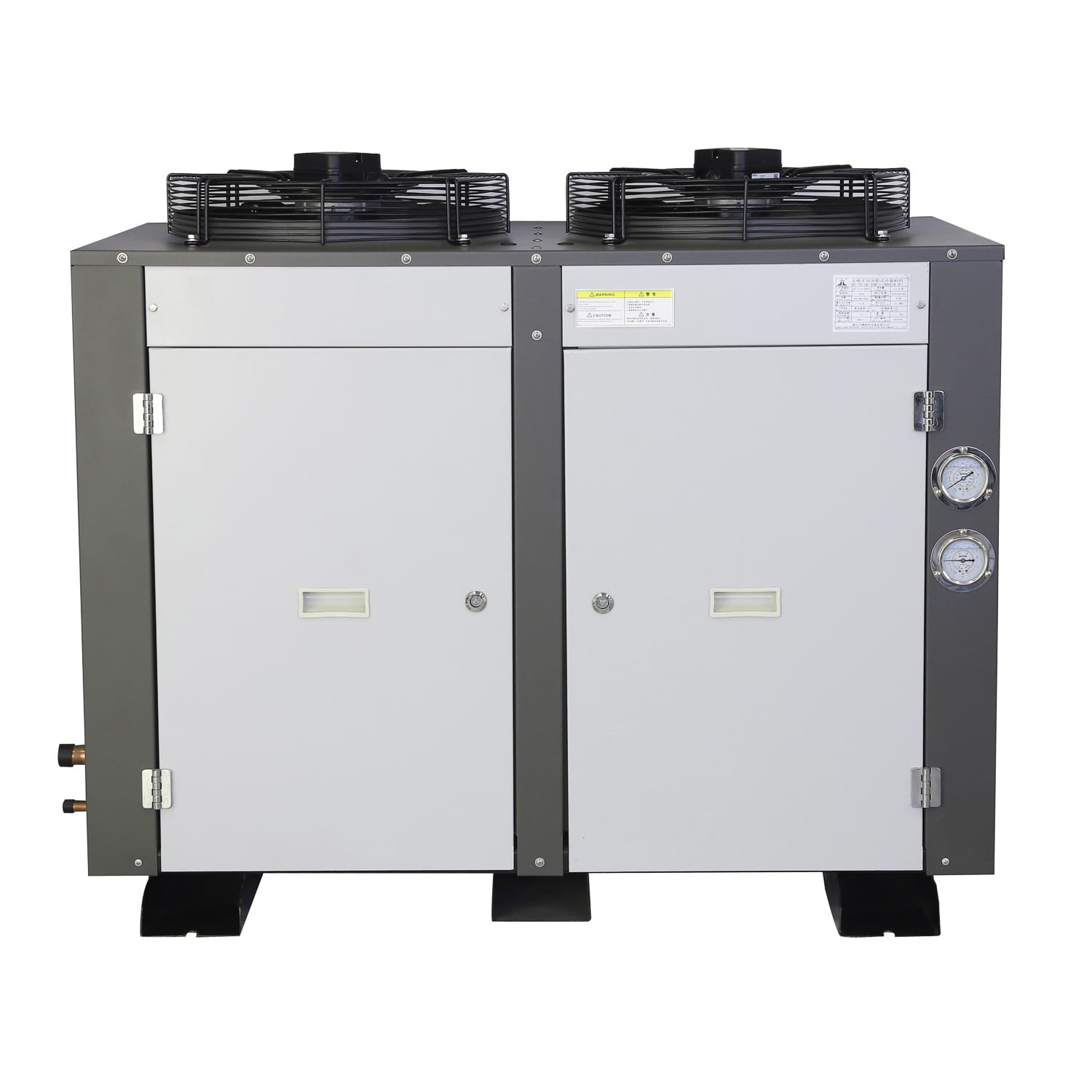
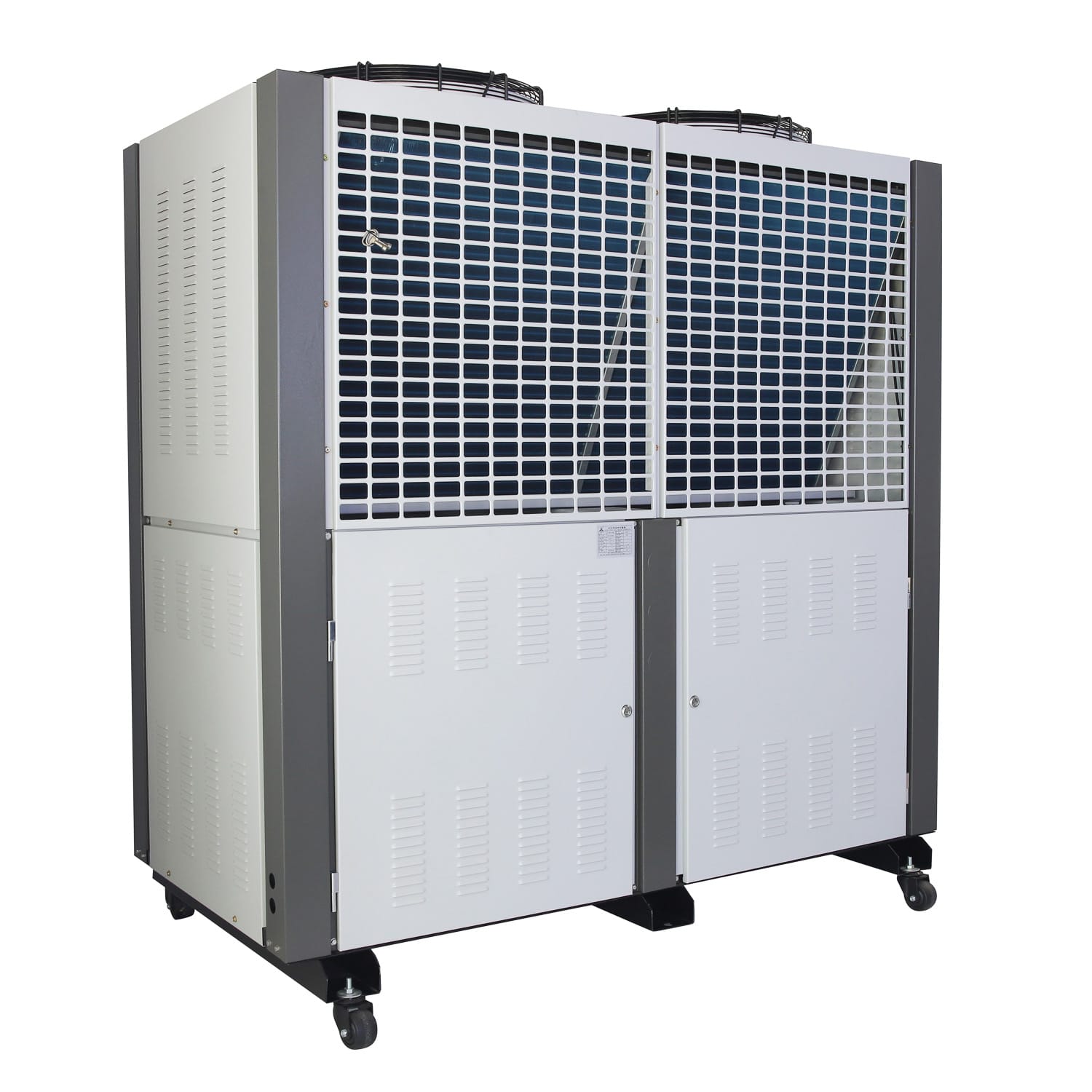
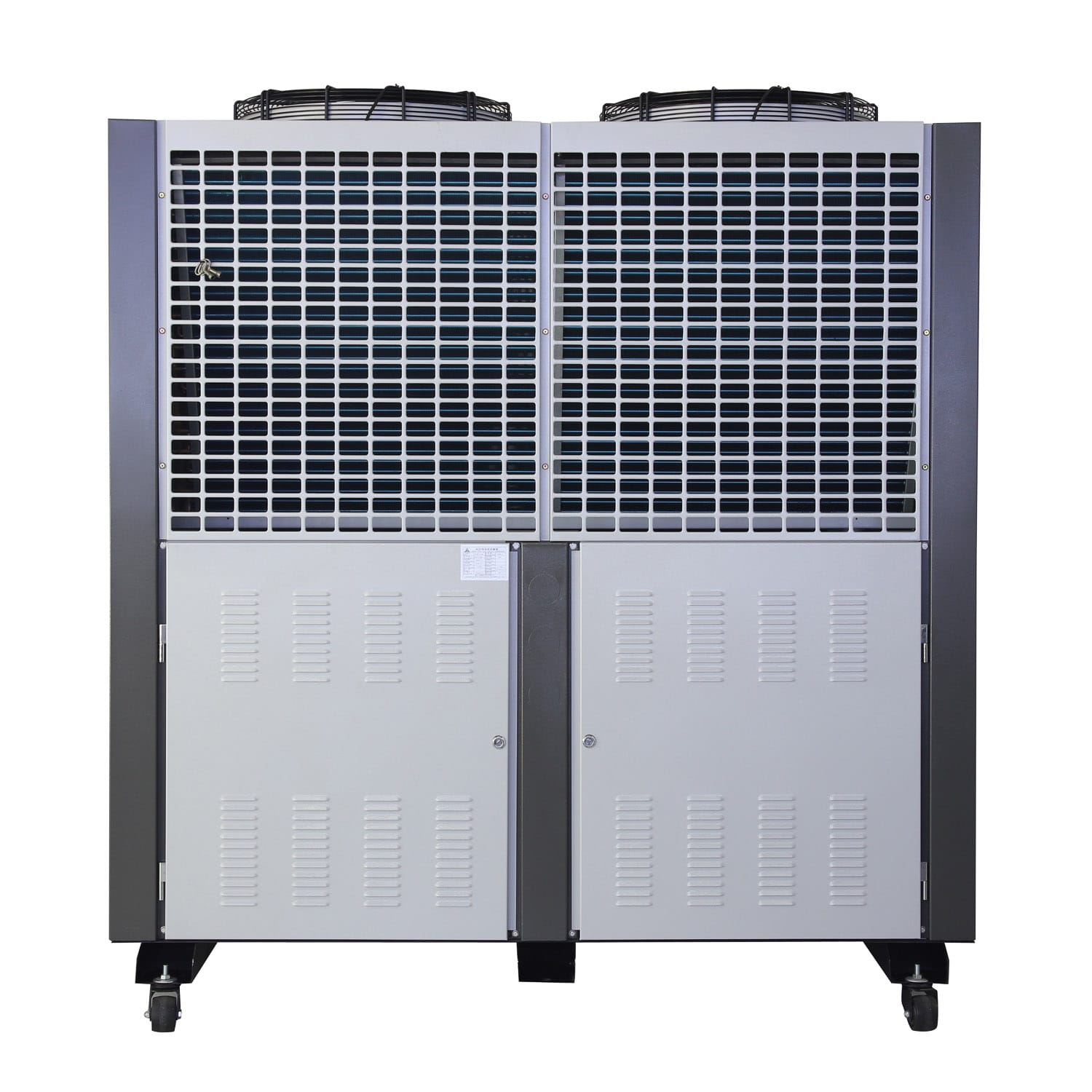
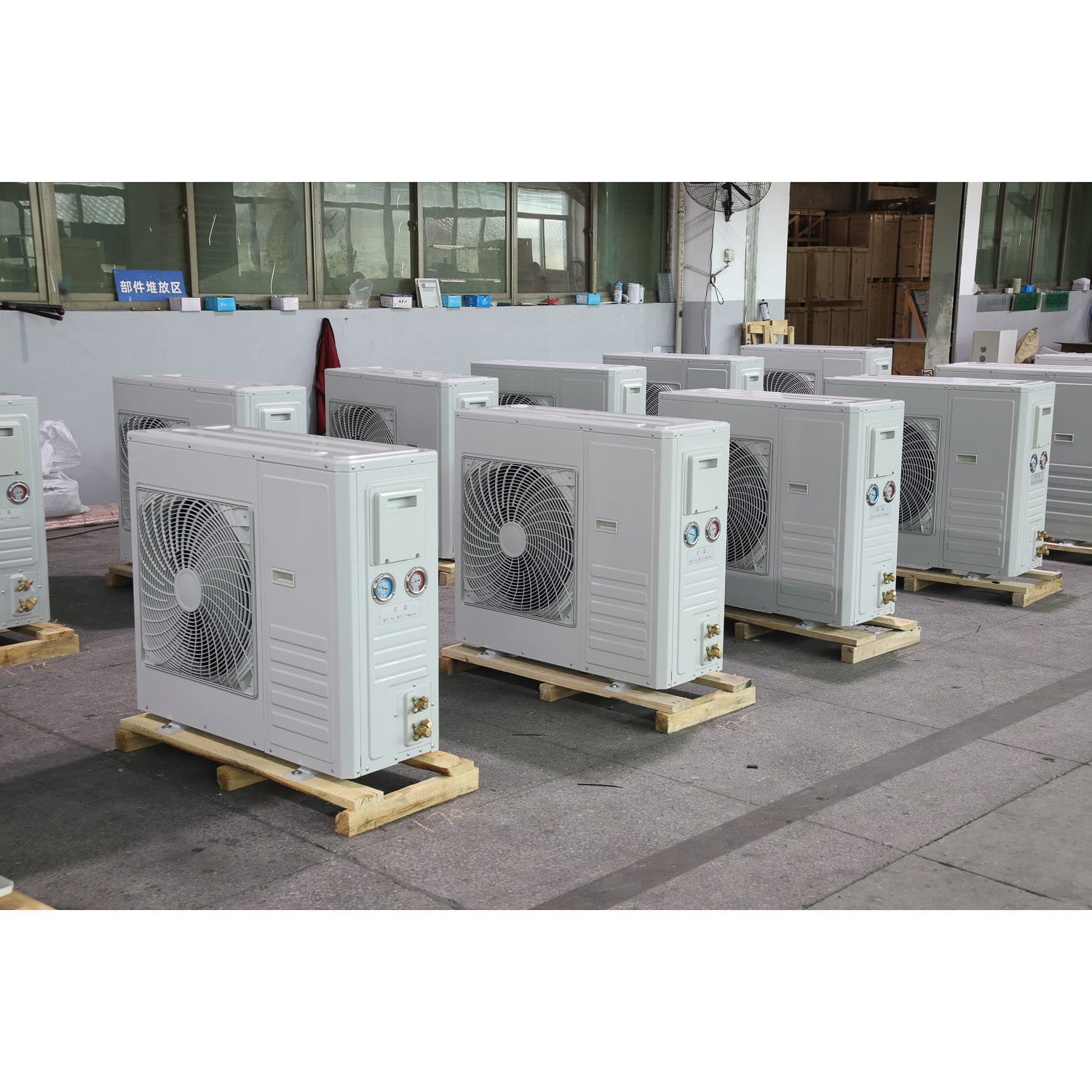
Domi Refrigeration supplies this air-cooled condensing unit for commercial cold rooms and heat pump systems for OEM buyers, refrigeration contractors, equipment manufacturers, and project customers who require a complete outdoor refrigeration assembly matched to specific operating conditions.
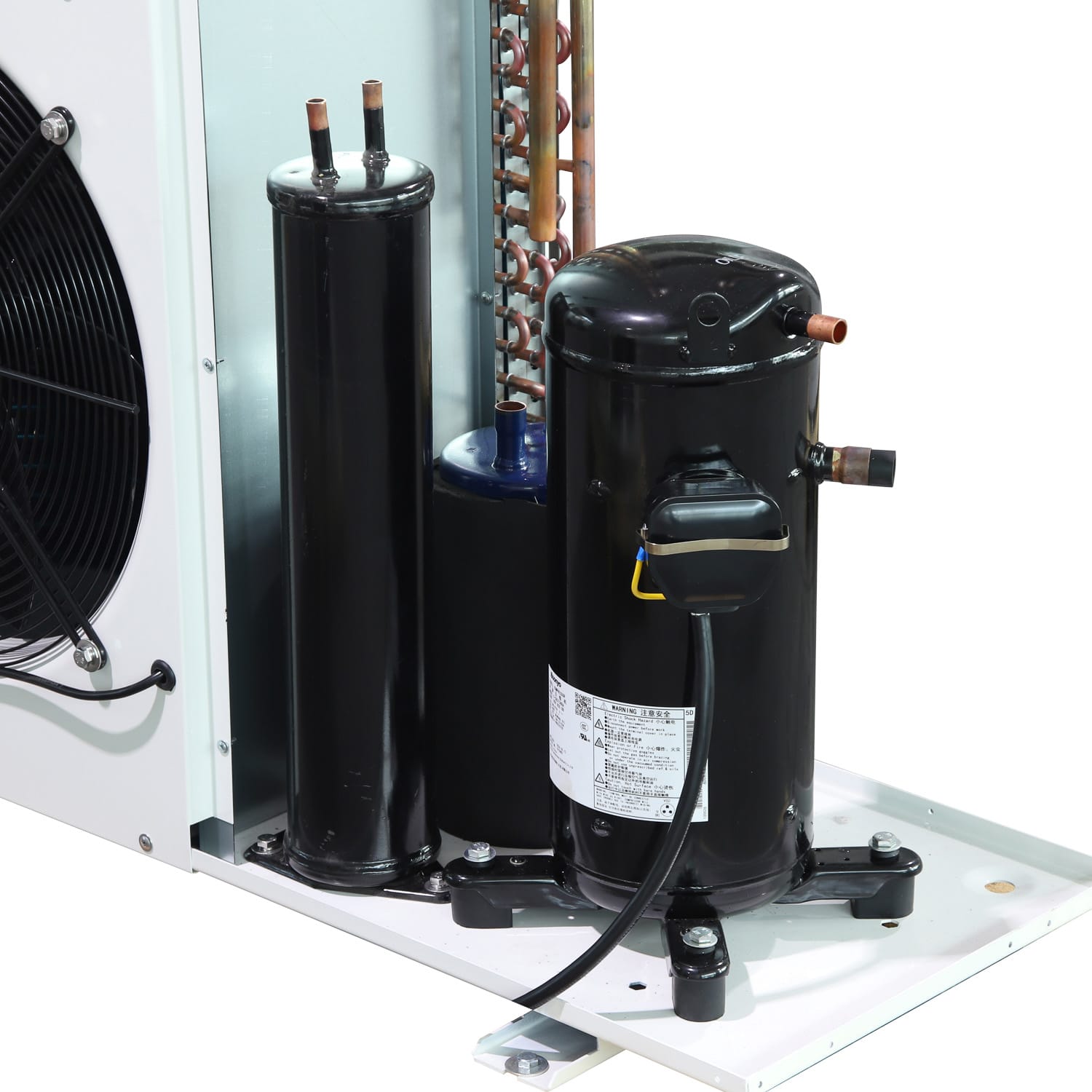
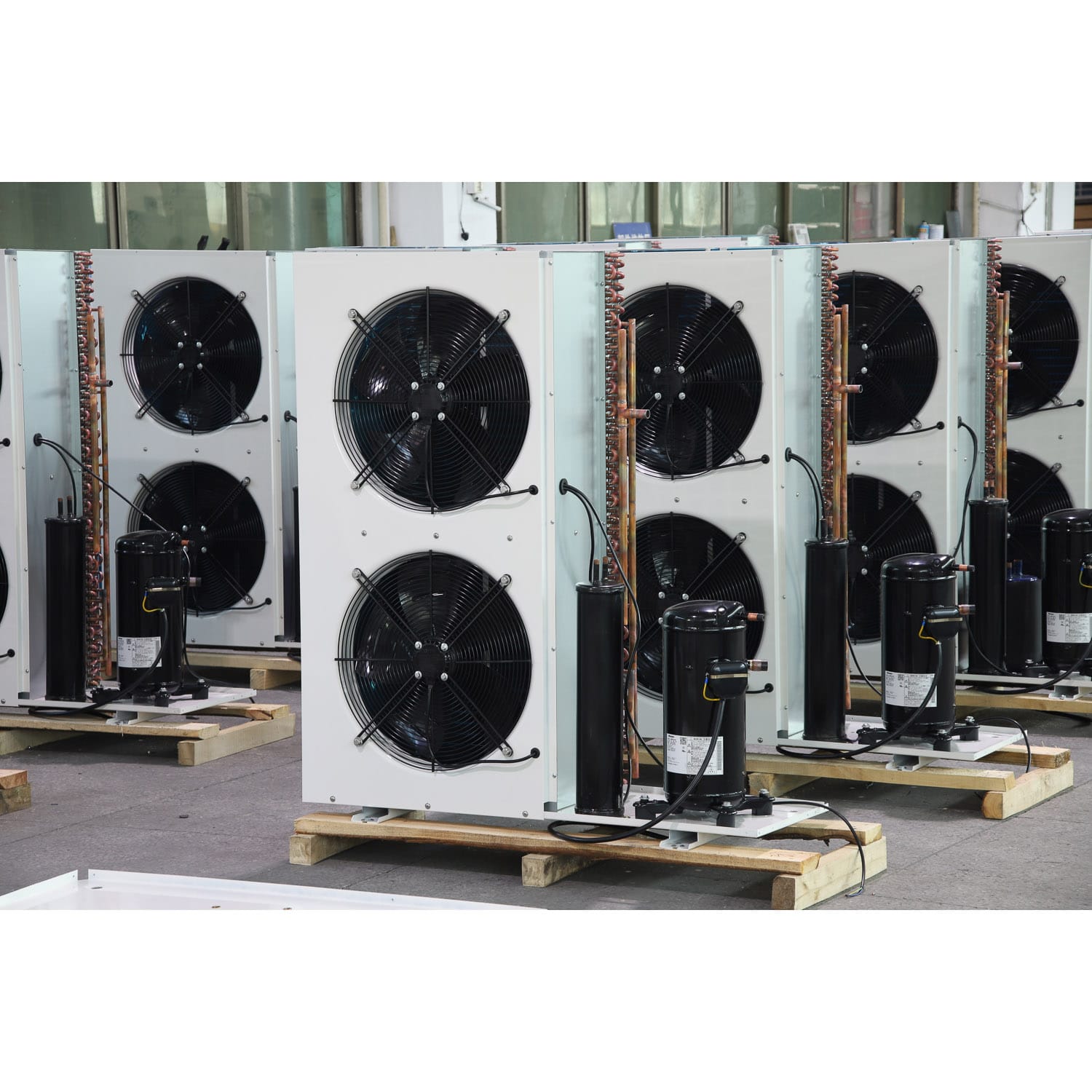
The unit integrates the compressor, air-cooled condenser, fan system, refrigerant piping, protective housing, and project-specific control or refrigeration components into one assembly. Depending on the approved configuration, it can be matched with cold room evaporators, air coolers, heat exchangers, or heat pump system components.
A condensing unit should not be selected by compressor horsepower, fan quantity, or cabinet dimensions alone. Required capacity, refrigerant, evaporating and condensing conditions, ambient temperature, compressor operating envelope, airflow, electrical supply, installation environment, and system controls should all be confirmed before quotation and production.
Product scope and system role
For a commercial refrigeration system, the condensing unit provides the compressor and condenser-side functions required to circulate refrigerant and reject heat to the outdoor air.
For a heat pump application, the operating role of the outdoor heat exchanger and refrigerant circuit may change according to the system design and operating mode. Heating and cooling duties, reversing operation, defrost strategy, controls, and operating envelope therefore need to be reviewed as part of the complete heat pump system.
Typical project applications include:
- Commercial cold rooms
- Walk-in coolers and freezers
- Food and beverage storage
- Refrigerated warehouses
- Supermarket refrigeration
- Food processing refrigeration
- Commercial refrigeration systems
- Industrial and commercial heat pumps
- Customized refrigeration and heat pump equipment
Domi can review OEM and project requirements based on drawings, operating conditions, required capacity, component specifications, and installation requirements.
Typical construction reference
The configuration below is a general reference for project discussion. Final components depend on the approved system design.
| Component | Typical Configuration | Confirm Before Production |
|---|---|---|
| Compressor | Refrigeration or heat pump compressor | Type, refrigerant, capacity, operating envelope |
| Condenser / Heat Exchanger | Air-cooled finned heat exchanger | Capacity, tube and fin construction, circuiting |
| Fan System | Axial fans | Quantity, diameter, airflow, voltage, noise |
| Housing | Protective metal cabinet | Dimensions, coating, weather protection |
| Refrigerant Piping | Project-specific tubing | Diameter, material, routing, pressure requirement |
| Refrigeration Components | Project dependent | Receiver, filter drier, separator, valves, etc. |
| Controls | Project dependent | Controller, protection, sensors, contactors |
| Connections | Customized | Pipe size, position, orientation, service access |
The exact compressor, heat exchanger, fan motors, valves, controls, refrigerant accessories, and electrical components should be specified during engineering review.
Air-cooled outdoor unit design
For outdoor commercial refrigeration and heat pump applications, the condensing unit must maintain adequate airflow around the heat exchanger while providing suitable protection for internal components.
Important design considerations include:
- Heat exchanger face area
- Fan quantity and diameter
- Required airflow
- Air inlet and discharge clearance
- Hot-air recirculation risk
- Compressor compartment arrangement
- Refrigerant piping layout
- Service access
- Cabinet dimensions
- Outdoor temperature range
- Rain and environmental exposure
- Corrosion conditions
- Installation and maintenance clearance
The final installation should provide sufficient airflow around the unit according to the approved system and installation requirements.
How to select a cold room condensing unit
For a commercial cold room project, provide the following information for engineering review:
- Cold room application: chiller room, freezer room, food storage, refrigerated warehouse, or other refrigeration application.
- Room information: internal dimensions, insulation thickness, storage product, loading conditions, door-opening frequency, and target room temperature.
- Cooling duty: required refrigeration capacity or sufficient information for project load evaluation.
- Operating conditions: evaporating temperature, condensing temperature, ambient temperature, and expected operating range.
- Refrigerant: refrigerant designation and applicable regulatory or project requirements.
- Evaporator: air cooler model, required capacity, expansion device, and refrigerant connection information where available.
- Electrical supply: voltage, frequency, phase, and control requirements.
- Installation: indoor or outdoor placement, available space, piping distance, height difference, ventilation clearance, and environmental conditions.
How to specify a heat pump condensing unit
A heat pump project requires additional information because the refrigerant circuit and heat exchanger duties can differ between heating and cooling operation.
Provide:
- Required heating capacity
- Required cooling capacity, if applicable
- Heat source and heat sink conditions
- Refrigerant
- Compressor requirements
- Outdoor design temperature
- Water or air inlet/outlet temperatures where applicable
- Maximum and minimum operating conditions
- Heat exchanger requirements
- Reversing operation requirements
- Defrost strategy
- Expansion and refrigerant control requirements
- Electrical supply
- Control logic and communication requirements
- Installation environment
The operating envelope should be checked across the required working range rather than at only one nominal condition.
Compressor and system matching
The compressor should be selected according to actual operating conditions rather than nominal horsepower alone.
Engineering review should consider:
- Refrigerant
- Refrigeration or heating capacity
- Evaporating temperature
- Condensing temperature
- Suction conditions
- Discharge conditions
- Ambient temperature
- Voltage and frequency
- Compressor operating envelope
- Part-load requirements
- Starting method
- Protection requirements
For OEM projects where the compressor has already been specified, Domi can review the condenser, fan system, piping, housing, and related components around the required compressor platform.
Condenser and airflow matching
The air-cooled heat exchanger and fan system must be reviewed together.
Heat exchanger dimensions, tube and fin construction, fan airflow, air direction, ambient temperature, and installation clearance can all affect heat rejection.
Insufficient airflow or hot discharge-air recirculation may increase condensing conditions and affect system operation. For this reason, installation clearance and airflow paths should be considered during equipment selection rather than after installation.
Outdoor environment and corrosion considerations
For outdoor installation, provide information about the expected service environment.
Relevant factors may include:
- Ambient temperature range
- Humidity
- Rain exposure
- Coastal or salt-air exposure
- Industrial or chemical atmosphere
- Dust accumulation
- Cleaning method
- Required surface protection
Where enhanced corrosion resistance is required, the heat exchanger material, fin treatment, cabinet coating, fasteners, and other exposed components should be specified in the RFQ.
OEM and customized condensing unit development
Domi supports OEM and ODM condensing unit projects for commercial refrigeration and heat pump equipment.
Customization can be reviewed based on:
- Required cooling or heating capacity
- Customer drawings
- Refrigerant
- Compressor selection
- Condenser / heat exchanger design
- Fan configuration
- Refrigerant circuit
- Electrical requirements
- Control requirements
- Cabinet dimensions
- Connection positions
- Installation environment
- Target production quantity
The approved bill of materials, drawing revision, operating conditions, electrical specification, inspection requirements, and sample approval criteria should be confirmed before mass production.
Manufacturing and quality review
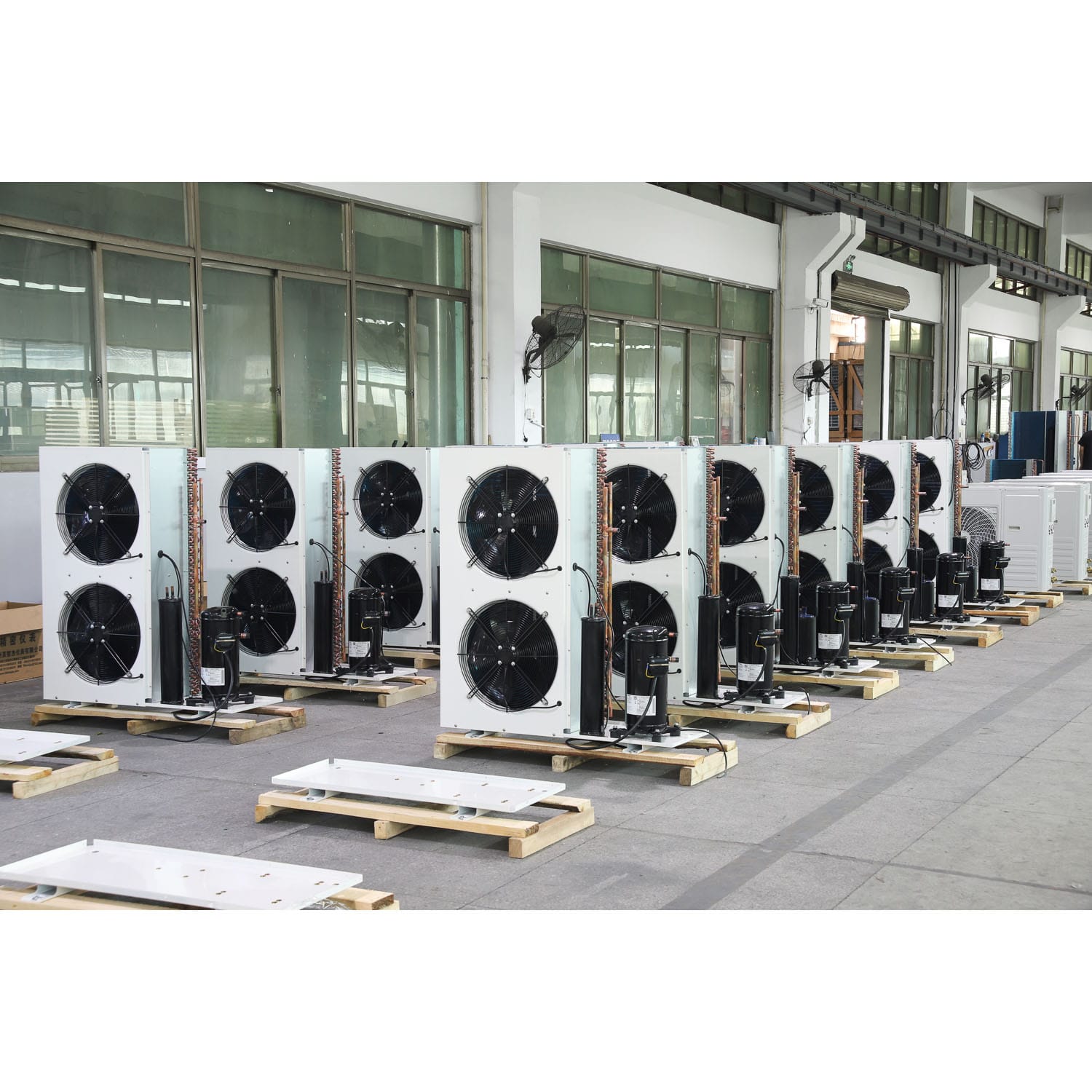
Depending on the approved configuration, production and assembly may include heat exchanger manufacturing, tube forming, brazing, compressor installation, fan assembly, refrigerant piping assembly, electrical assembly, leakage testing, inspection, and packing.
Project-specific quality requirements may include:
- Component verification
- Dimensional inspection
- Brazed-joint inspection
- Refrigerant-circuit leakage testing
- Pressure-related testing
- Electrical inspection
- Fan operation inspection
- Control-function verification
- Labels and traceability
- Packing inspection
Test pressure, test medium, test duration, sampling plan, and acceptance criteria should be defined according to the approved project specification.
Drawing, sample, and quotation review
For an accurate quotation, provide as much of the following information as possible:
- Application: cold room or heat pump
- Required cooling and/or heating capacity
- Refrigerant
- Evaporating and condensing conditions
- Outdoor ambient temperature range
- Compressor model or preferred compressor specification
- Electrical supply
- Existing unit model, photos, or sample
- Overall dimensions or installation envelope
- Refrigerant connection sizes and positions
- Required refrigeration components
- Required controls and protection
- Installation environment
- Estimated annual quantity
- Destination market
- Required certificates and documentation
MOQ, lead time, compressor brand, component selection, tooling, test documentation, and packaging depend on the final project specification and should be confirmed during quotation.
Replacement and compatibility checks
A replacement condensing unit should not be selected only because it has the same compressor horsepower, fan quantity, or approximate dimensions.
Compatibility should be reviewed against:
- Refrigerant
- Required capacity
- Compressor operating envelope
- Evaporating and condensing conditions
- Ambient operating range
- Heat exchanger capacity
- Fan airflow
- Electrical specification
- Refrigerant connections
- Controls and protection
- Overall dimensions
- Mounting requirements
- Installation airflow
For replacement projects, send the existing unit nameplate information, drawings, photographs, operating conditions, and system requirements for review.
FAQ
What is an air-cooled condensing unit?
An air-cooled condensing unit is a refrigeration assembly that typically combines a compressor, air-cooled condenser, fans, refrigerant piping, and related components. The condenser rejects system heat to ambient air.
Can this condensing unit be used for commercial cold rooms?
Yes. A properly selected condensing unit can be matched with a cold room air cooler or evaporator. Required capacity, room temperature, refrigerant, ambient conditions, and evaporating conditions should be reviewed before selection.
Can Domi provide condensing units for freezer rooms?
Yes. Low-temperature applications can be reviewed according to the required room temperature, refrigerant, evaporating temperature, compressor operating range, defrost requirements, and cold room load.
Can the unit be customized for heat pump systems?
Yes. Heat pump applications can be reviewed according to heating and cooling duties, refrigerant, compressor, heat exchanger requirements, ambient operating range, defrost strategy, refrigerant circuit, and control requirements.
Can I specify the compressor brand or model?
Yes. If a compressor has already been selected, provide the model and required operating conditions. Domi can review the surrounding heat exchanger, fan, refrigerant piping, cabinet, and related components according to the project.
Can the fan quantity be customized?
Fan quantity and size can be reviewed according to required airflow, heat exchanger dimensions, capacity, noise requirements, and available installation space.
Is the unit suitable for outdoor installation?
Outdoor installation can be considered when the cabinet, components, airflow, drainage, corrosion protection, electrical protection, and environmental requirements are designed for the intended installation conditions.
What information should I send for a quotation?
Please provide the application, required cooling or heating capacity, refrigerant, operating temperatures, ambient conditions, compressor requirements, electrical supply, installation dimensions, connection requirements, quantity, and destination market.
Request a custom quote
For a commercial cold room or heat pump condensing unit, send Domi Refrigeration your required capacity, refrigerant, operating conditions, compressor requirements, electrical supply, installation dimensions, drawings, and estimated quantity.
Domi can review the compressor, air-cooled heat exchanger, fan system, refrigerant circuit, housing, and related components as an integrated assembly and develop a customized condensing unit according to the refrigeration or heat pump project requirements.
Get Product Information for Your Project
Send the product model, drawings, sample photos, quantity, or application requirements. Our team will review the information and help confirm suitable options, technical data, and quotation details.