

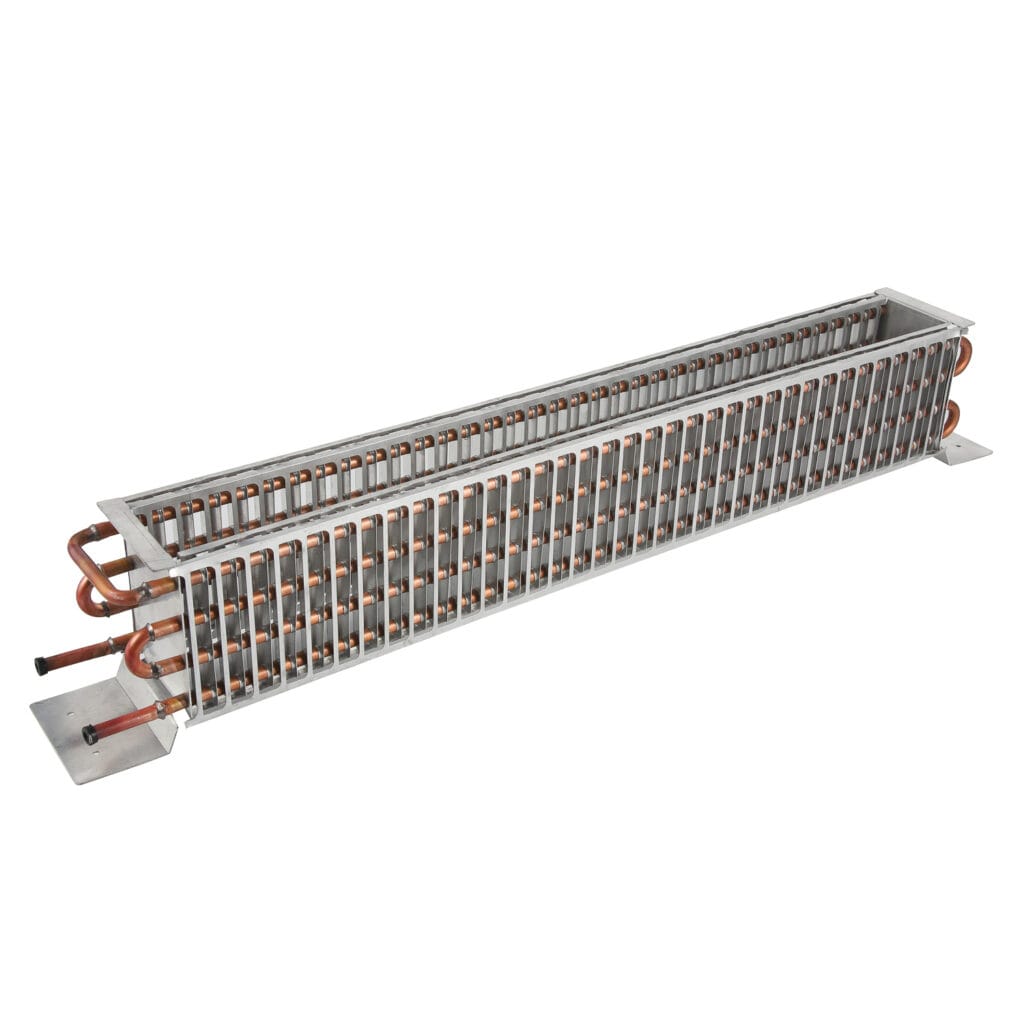
Wire Tube Condenser with Sheet-metal
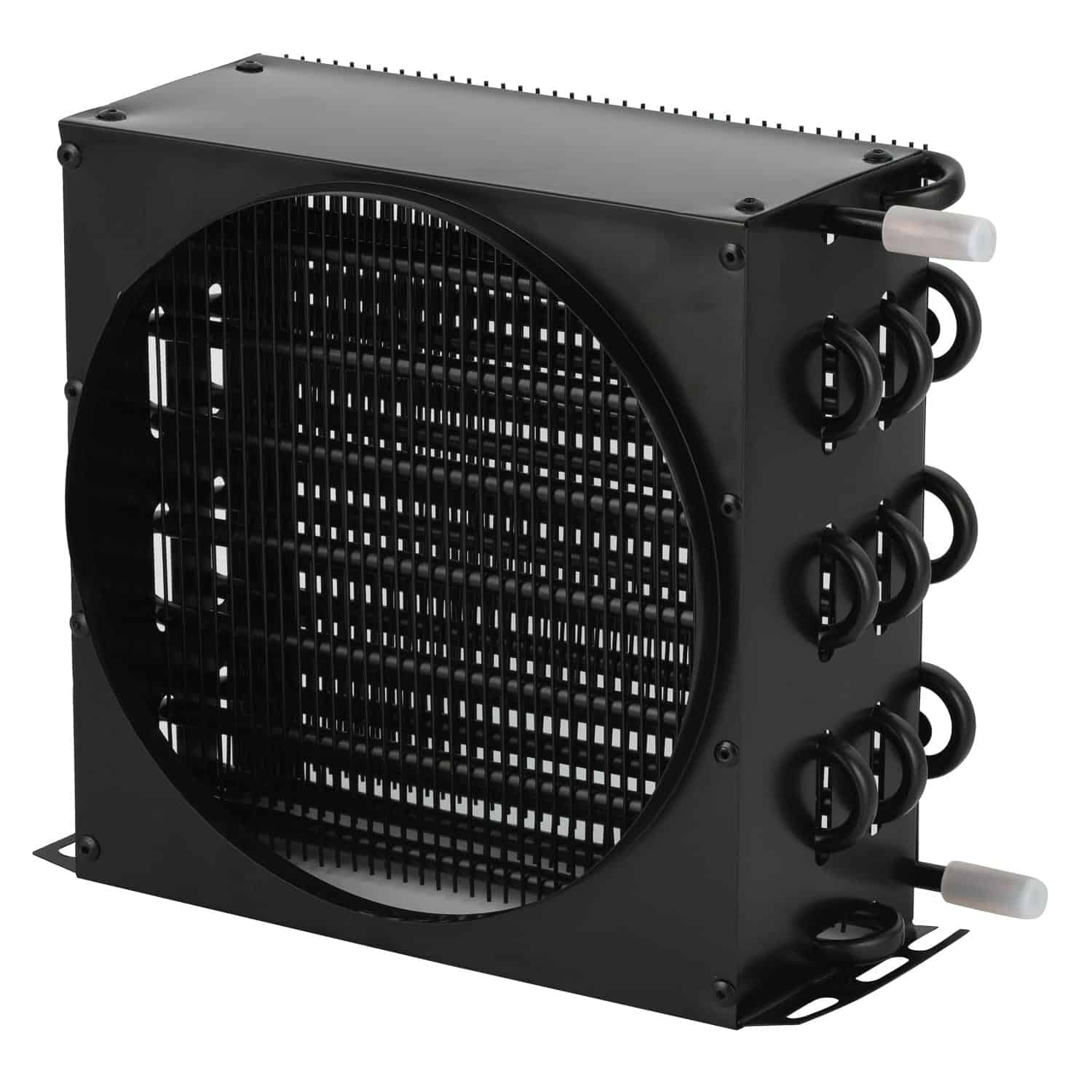
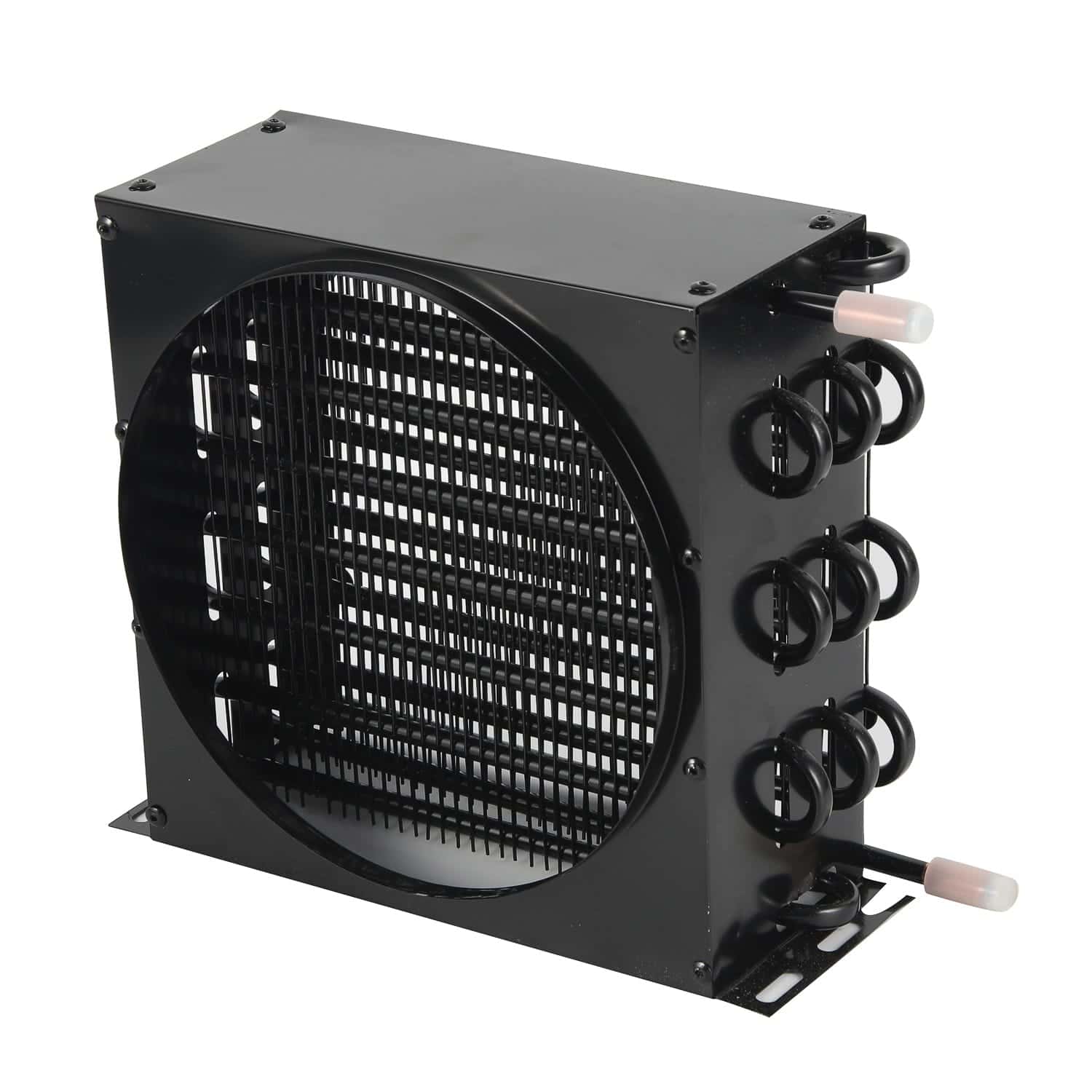
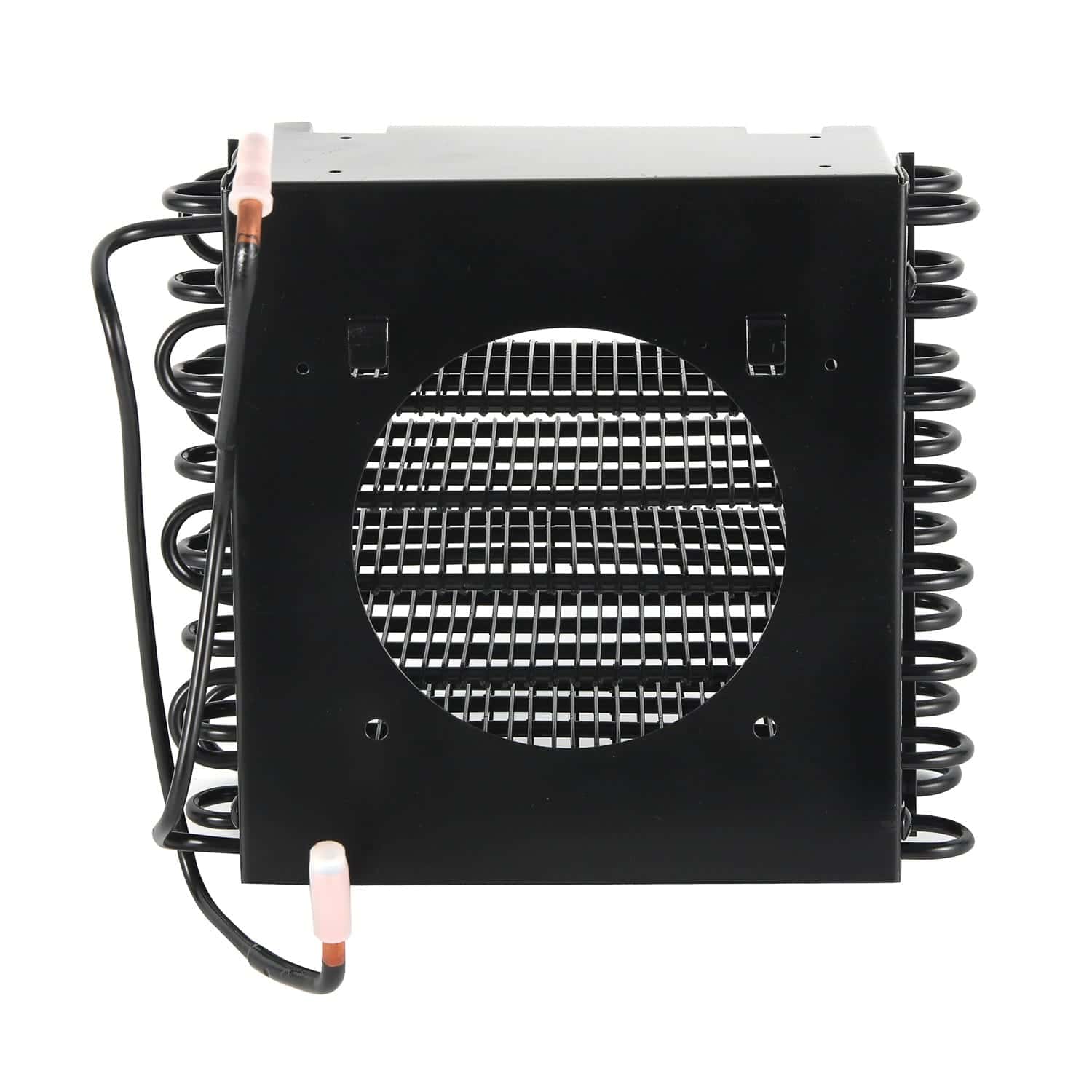
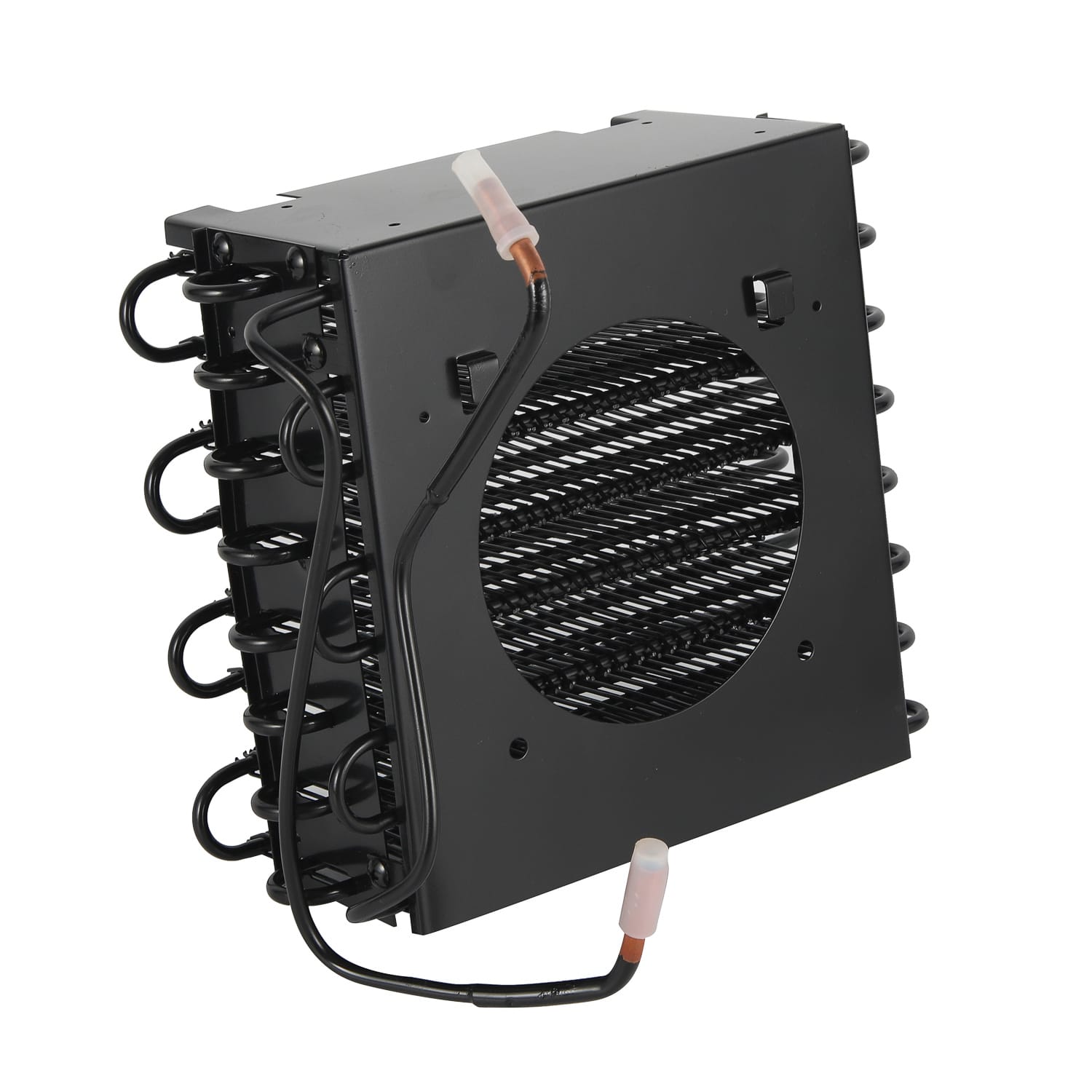
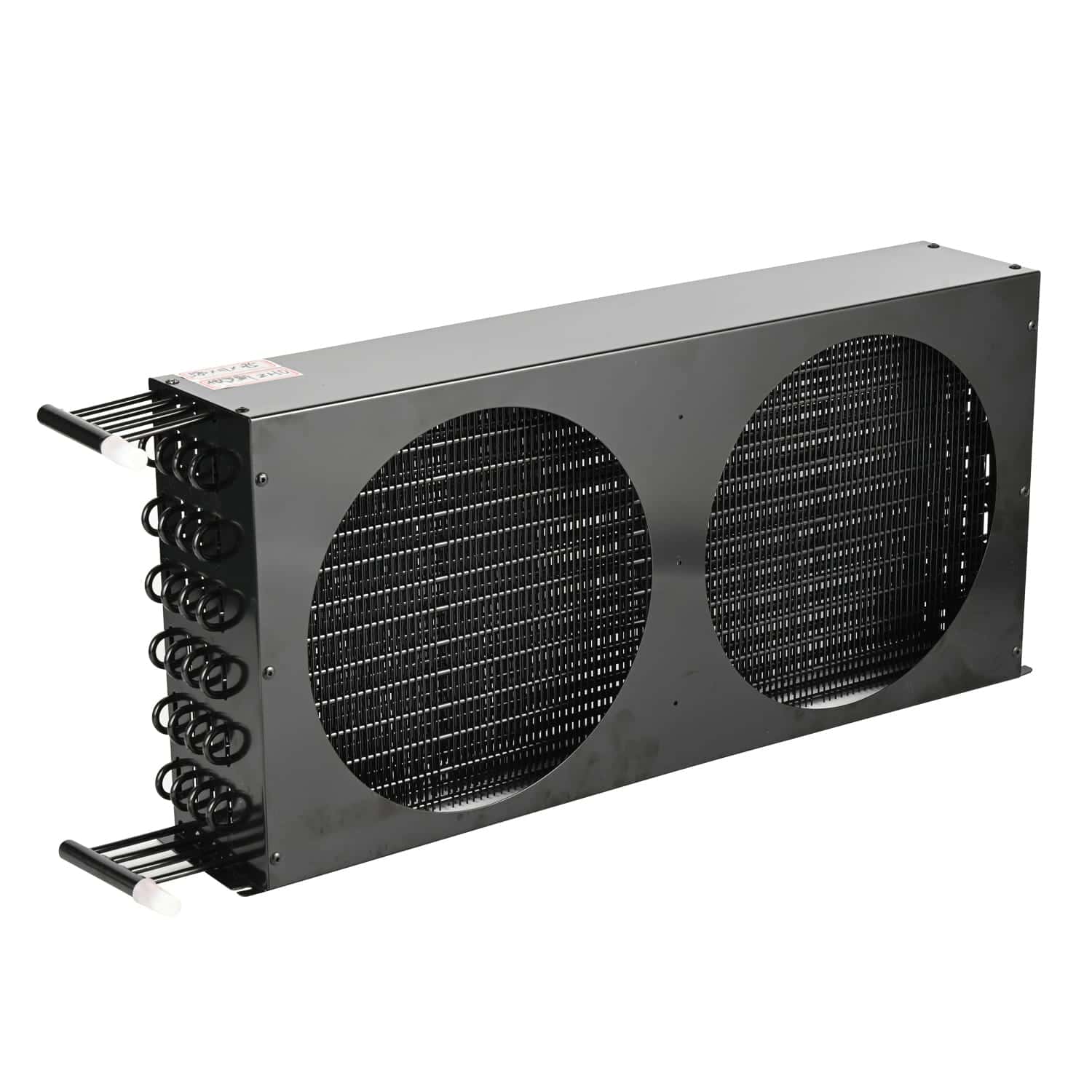
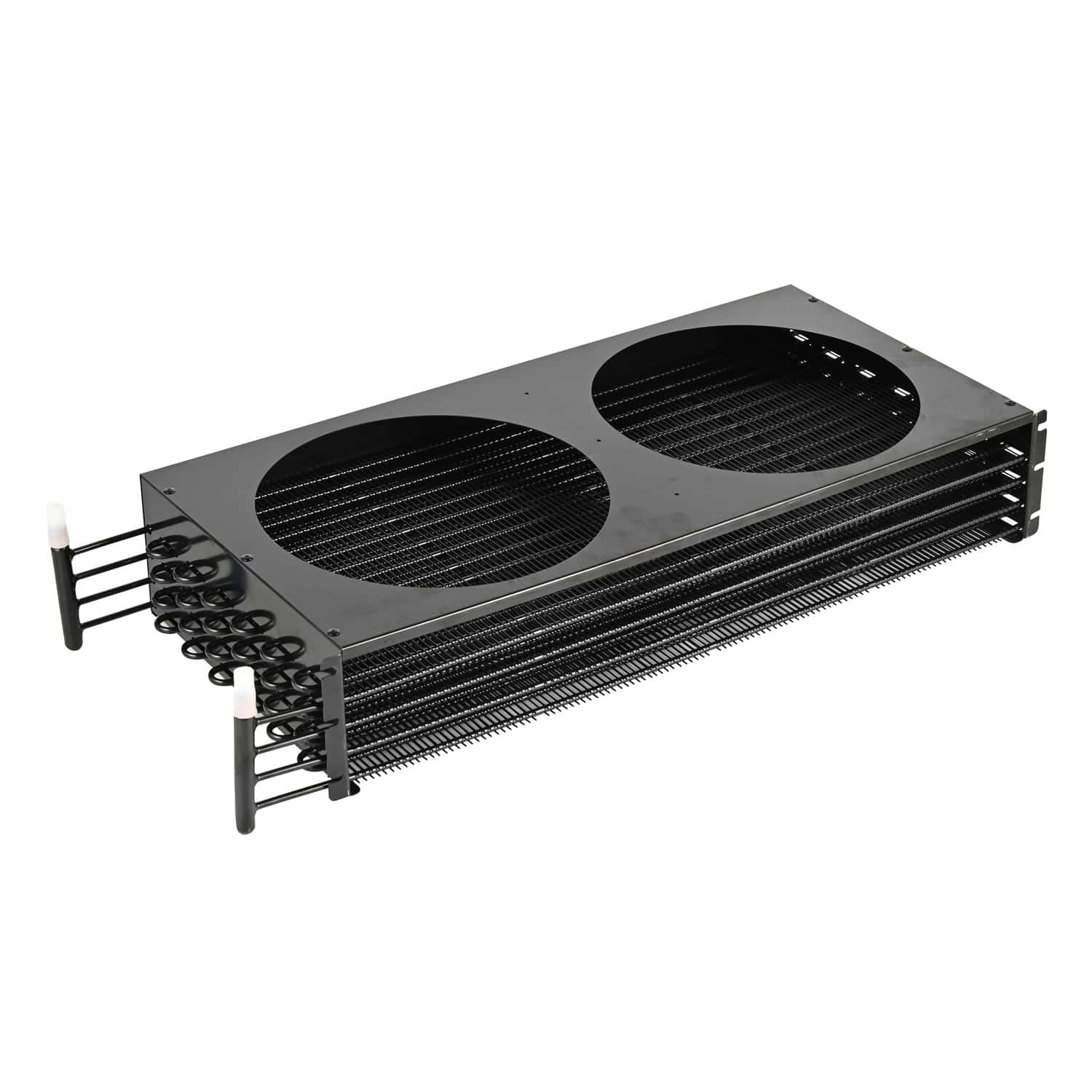
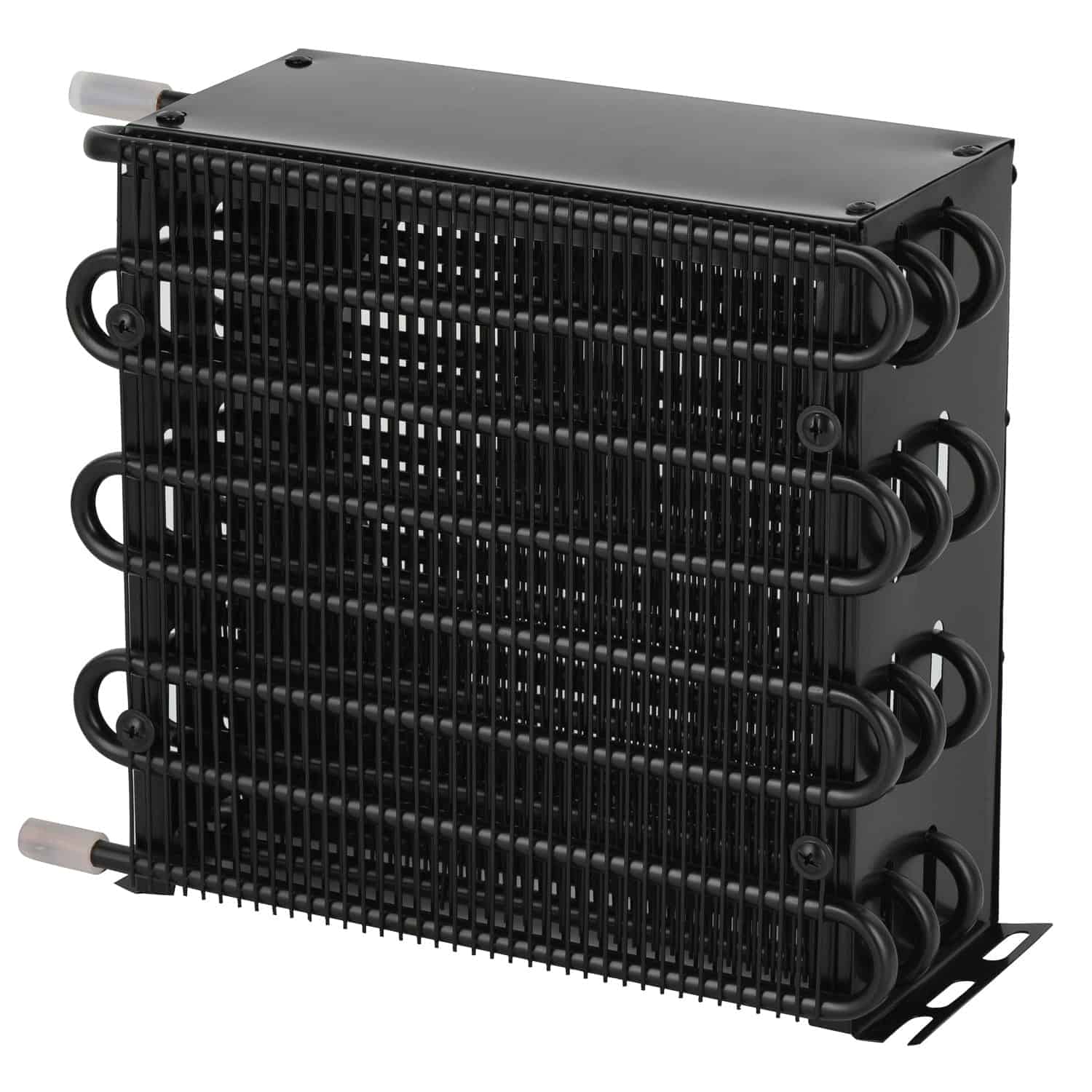
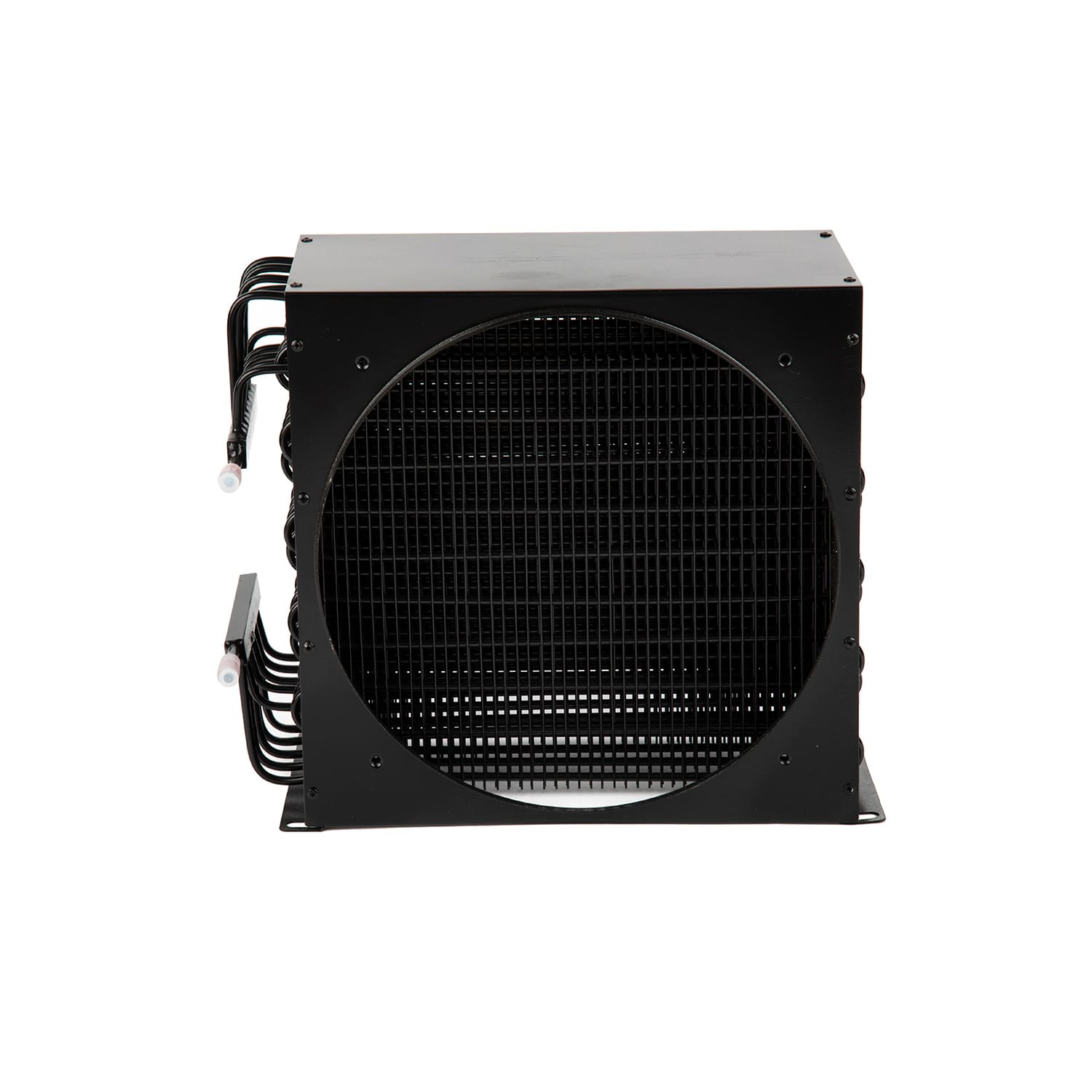
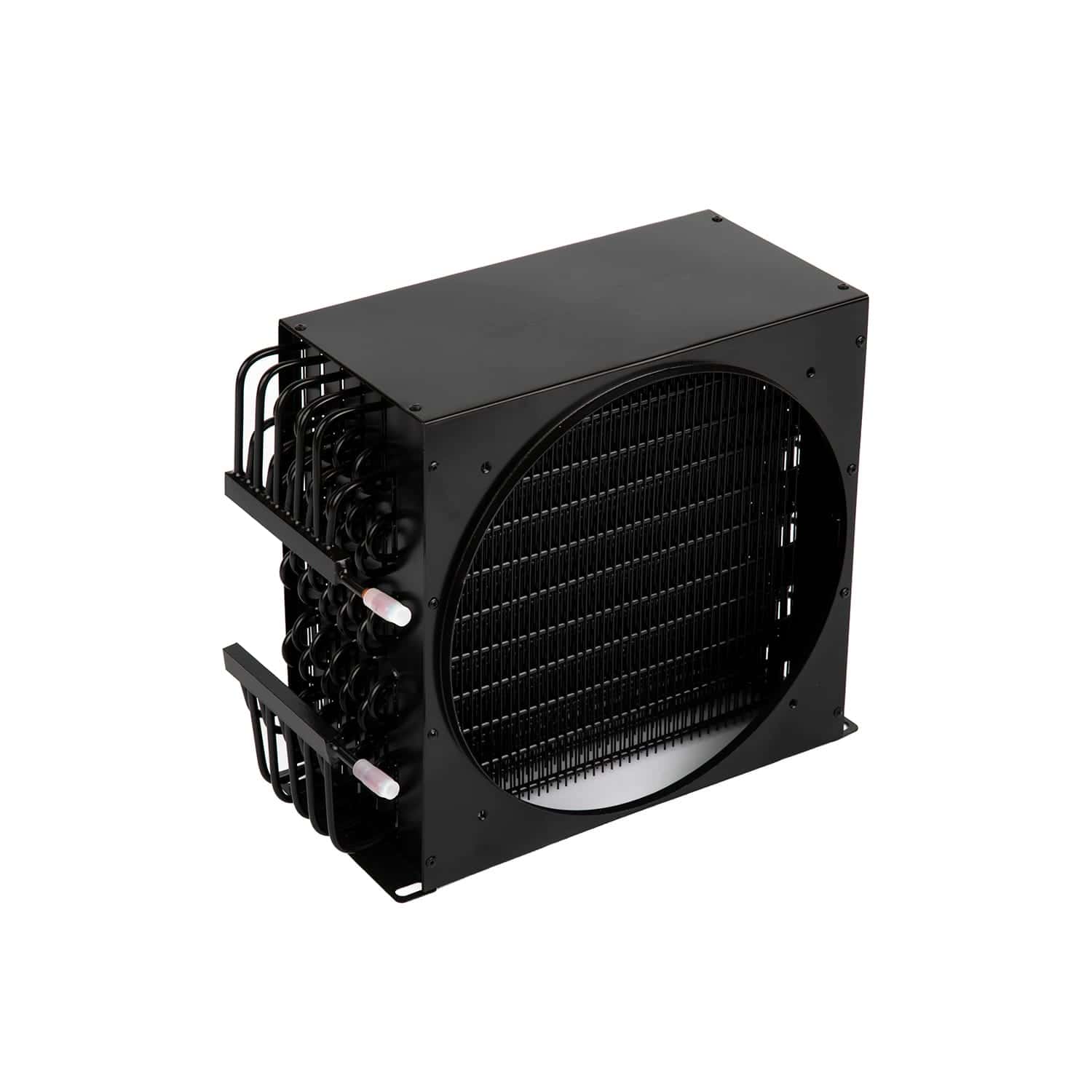
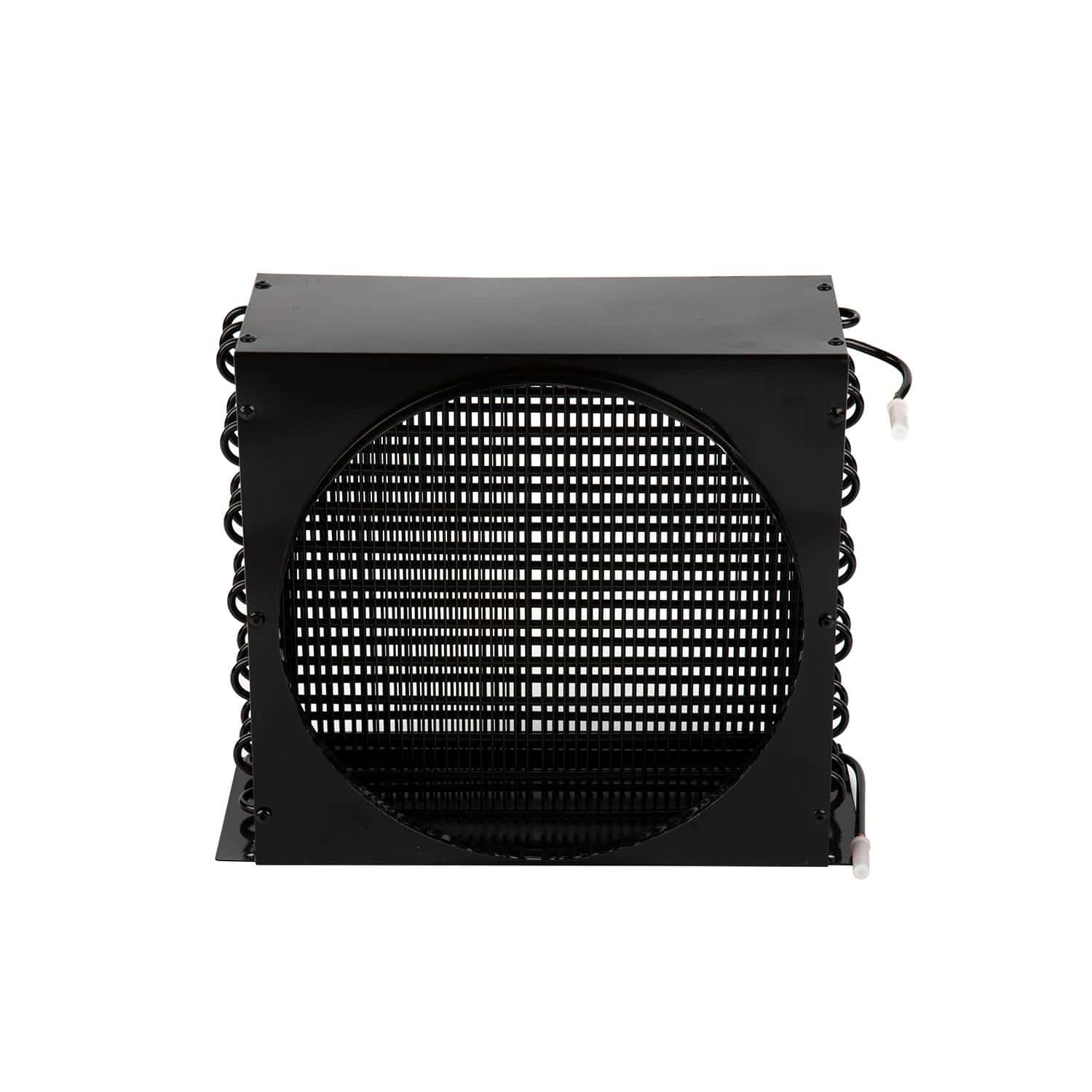
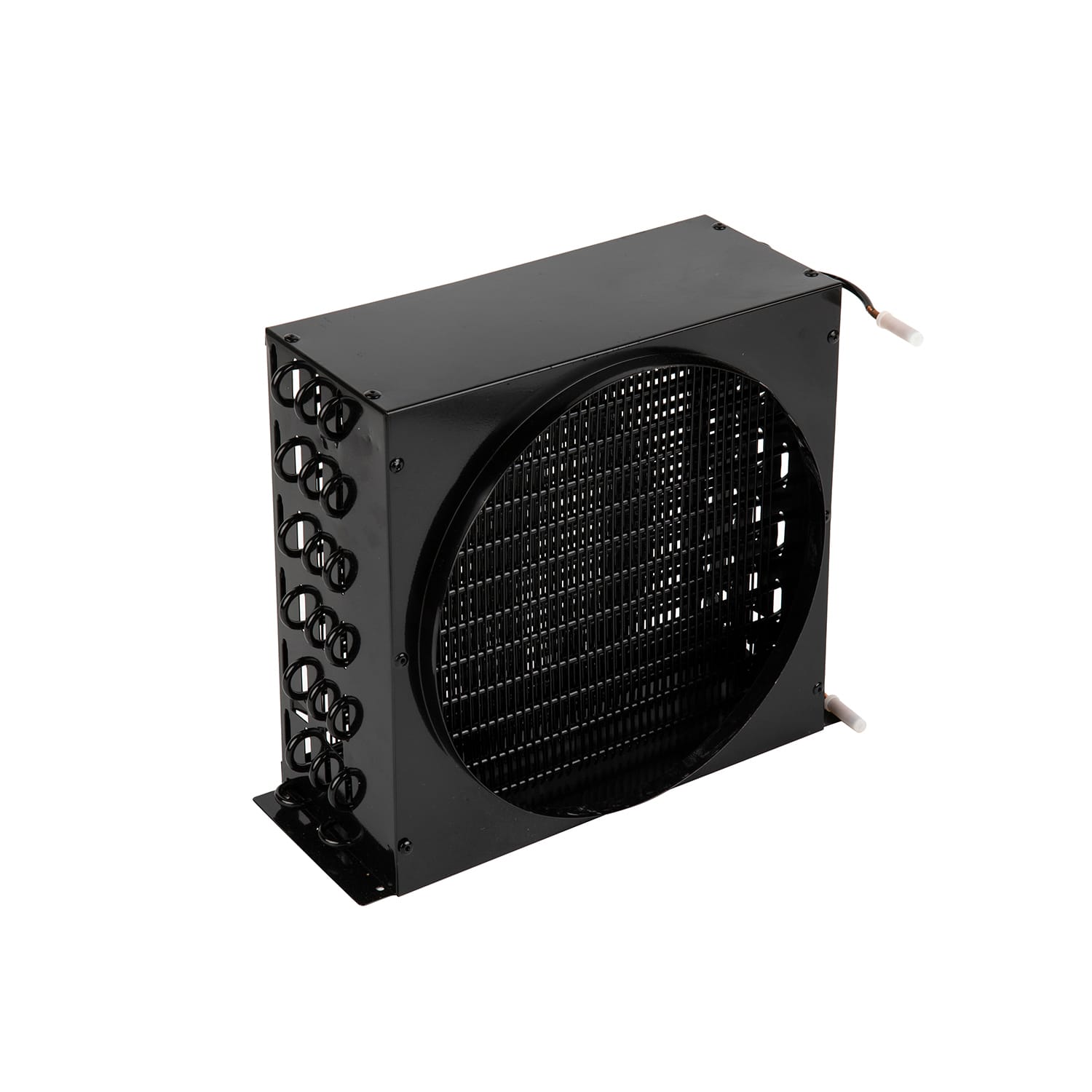
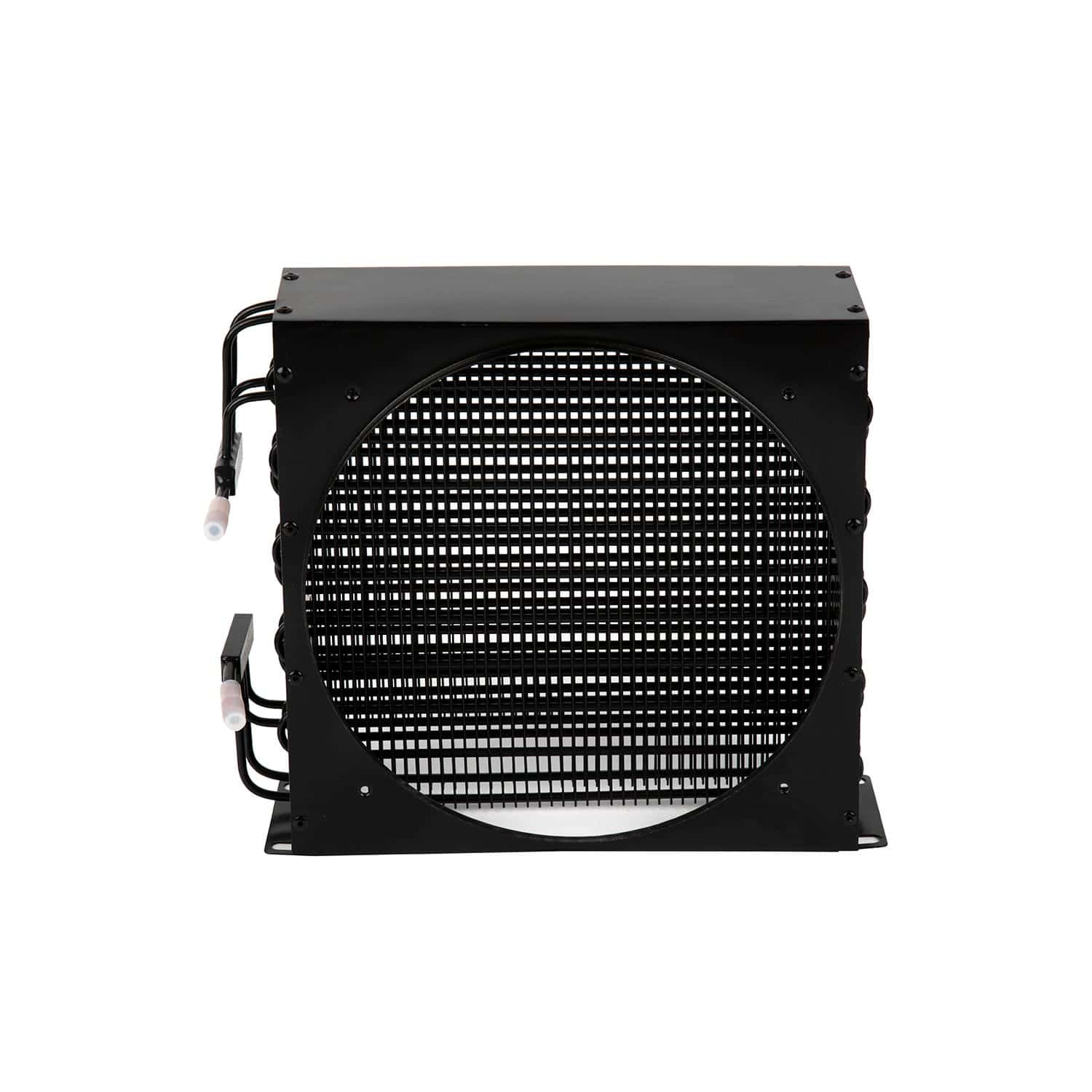
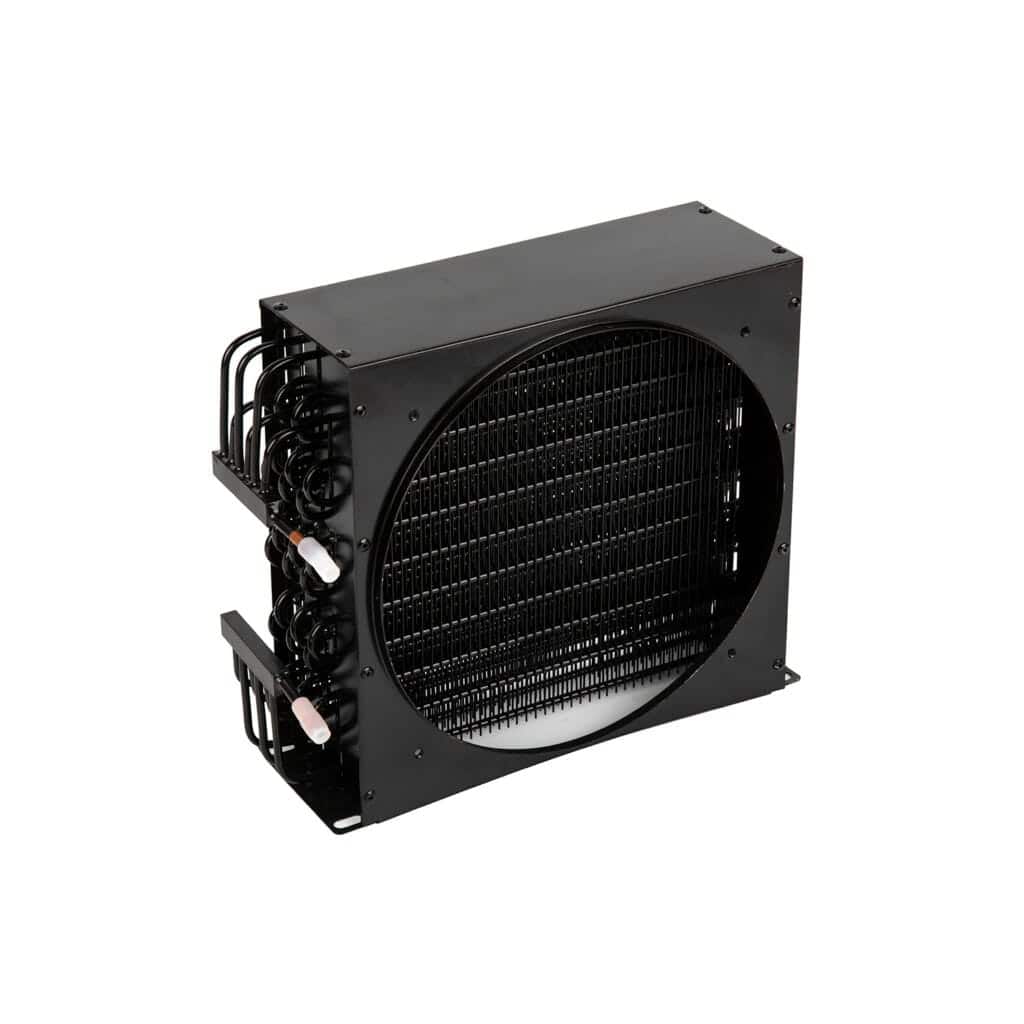
Tube on plate condenser for refrigerator and freezer OEM projects. Reference steel tube, SPCC plate, coating, testing, fit-up and drawing-based customization.
Product Details
Domi Refrigeration supplies tube on plate condenser assemblies for refrigerator and freezer OEM projects that require a compact plate-supported coil, controlled tube routing, and a clear drawing or sample review before production. The product is suited to buyers who need to confirm fit, material, coating, cleanliness, leakage testing, packaging, and release requirements with one technical supplier.
For a quotation, send the cabinet model, approved drawing or old part, target refrigerant, design pressure and temperature, connection details, expected quantity, and delivery target. A drawing-led review helps Domi confirm the plate envelope, tube path, bracket positions, and installation clearances before the final specification is agreed.
What is a condenser with sheet-metal?
A condenser with sheet-metal is a refrigeration heat-rejection component in which a refrigerant tube is joined to a formed steel plate or plate assembly. The sheet provides the product’s mounting and heat-transfer structure, while the tube carries the refrigerant circuit defined by the appliance design. It is different from a wire tube condenser, where the tube is supported by a welded wire grid.
Construction at a glance
- Tube: a rolling welded steel tube formed to the approved route.
- Plate: an SPCC steel plate with the size and shape controlled by the cabinet design.
- Bracket: an SPCC steel support used where the installation drawing requires it.
- Assembly: the tube and plate are welded, folded or bent to shape, inspected, coated, cleaned, and packed according to the release plan.
The exact tube-to-plate joint, routing, connection location, and finished envelope should not be inferred from the product name alone. They must be checked against the buyer’s drawing or approved sample.
Where this condenser fits in refrigeration equipment
Domi’s first-party reference lists this condenser for refrigerators and freezers. The practical use case is a compact appliance or replacement program where the condenser geometry must fit a defined cabinet space and connect to the refrigeration circuit without changing the surrounding assembly.
Refrigerator and freezer applications
- household refrigerator OEM programs;
- compact freezer development;
- replacement or second-source projects for an existing appliance model;
- prototype builds that need a drawing or sample reviewed before repeat production.
Refrigerant, pressure, temperature, charge, and cooling-duty compatibility remain project decisions. A reference to refrigerator or freezer use is not a blanket approval for every cabinet, refrigerant, or operating condition.
When a wire-tube condenser may be the better fit
If the cabinet needs a wire-supported architecture or a different open-frame layout, compare the drawing with Domi’s single-layer wire tube condenser and multilayer wire tube condenser pages. The correct choice depends on the available envelope, mounting method, airflow, connection position, and approved thermal design—not on the keyword used to describe the part.
Raw materials and reference ranges
The supplier reference page identifies the following raw-material ranges. These are reference values for technical discussion, not a substitute for the controlled drawing, material certificate, or order specification.
| Component | Published reference | Buyer confirmation |
|---|---|---|
| Rolling welded tube | Steel tube, Ø4.76–Ø8 × 0.71 | Confirm the diameter and wall-thickness notation, material grade, tube route, and connection details on the drawing. |
| Plate | SPCC steel plate, thickness T=0.28–0.40 mm | Confirm plate length, width, formed profile, hole pattern, and any edge or bend requirements. |
| Bracket | SPCC steel plate, thickness T=0.6–2.0 mm | Confirm bracket quantity, orientation, fixing method, and cabinet clearances. |
Material selection should be reviewed together with corrosion exposure, forming requirements, joint design, refrigerant cleanliness, and the expected service environment. Domi can review the buyer’s sample or drawing before the commercial specification is finalized.
Structure and forming options
The reference lists two structural forms: a folding-drum type and a welded assembled type. These terms describe the way the tube and plate assembly is formed and joined; they do not by themselves define the final capacity or performance of a refrigeration system.
Folding-drum form
A folding-drum form is considered when the tube and plate need to be folded or bent into a compact finished shape. The approved drawing should define the fold direction, radius, tube centerline, plate edge, connection exit, and the clearance needed during cabinet installation.
Welded assembled form
A welded assembled form is used when separate tube, plate, and bracket elements are positioned and joined as an assembly. The buyer should identify visible weld requirements, bracket locations, connection orientation, and any inspection points that must be recorded for supplier approval.
Manufacturing route and buyer checkpoints
Domi’s reference process lists tube bending, fin punching where specified, plate-tube welding, folding or bending to shape, bracket fixing, welding and assembly, leakage testing, cleaning, coating, inspection, and packing. The sequence below turns that process into a practical approval checklist.
| Process stage | What to confirm before release |
|---|---|
| Tube bending | Tube diameter, centerline, bend radius, end length, and connection orientation. |
| Plate preparation | SPCC thickness, plate outline, formed features, holes, and edge condition. |
| Plate-tube welding | Joint location, weld appearance, distortion control, and the drawing’s acceptance criteria. |
| Folding or bending to shape | Finished envelope, bend direction, plate flatness, and cabinet clearance. |
| Bracket fixing | Bracket thickness, position, orientation, and mounting-hole alignment. |
| Leakage test | Test method, test pressure or condition, acceptance result, and record format. |
| Cleaning and coating | Required cleanliness level, coating type, coverage, thickness, and appearance. |
| Final inspection and packing | Quantity, identification, protection of connections, carton method, and shipment labels. |
For supplier approval, the released drawing and the approved sample should remain the controlling references. Changes to tube routing, plate geometry, coating, or connection position should be reviewed before a repeat order is started.
Technical specification boundaries
Some performance statements on the supplier reference page are deliberately kept within their original boundary. The page identifies electrophoresis coating as a corrosion-protection measure, lists internal-cleanliness references for R134a and CFC cooling systems, and states that cooling capability requirements can be met when the product is designed for the applicable system. These statements do not replace a system-level qualification or current refrigerant approval.
Cleanliness references
The published reference includes the following values for technical discussion. The test method, sampling plan, laboratory record, and current customer specification should be confirmed for each program.
| Reference item | Published value | Status for quotation |
|---|---|---|
| Residual moisture | ≤5 mg/100 cm³ | Reference value; confirm test method and acceptance record. |
| Residual impurity | ≤10 mg/100 cm³ | Reference value; confirm sampling and reporting basis. |
| Residual paraffin | ≤3 mg/m² | Reference value; confirm whether it applies to the current program. |
| Biggest single impurity | ≤0.5 mm | Reference value; confirm inspection method. |
Coating references
The source page reports a cathodic electrophoresis coating thickness of 15–20 μm and powder coating thickness of 60–300 μm for the relevant plate-and-tube condenser reference. It also reports coating hardness of ≥2H, adhesion of at least grade 2, a 180° bend around R=3D without cracking or peeling, color tolerance of ΔE≤1.5, and salt-spray references of at least 72 hours for cathodic electrophoresis coating and at least 200 hours for powder painting. Confirm the coating type, thickness, appearance, and test record required for the buyer’s current drawing before treating any value as an order commitment.
Fit-up information needed for a drawing review
A tube-on-plate condenser is a fit-sensitive component. To reduce revision cycles, provide more than a general length and width. The following information lets the engineering team evaluate the part against the appliance space and connection route.
- overall plate length, width, formed depth, and any restricted zones;
- tube diameter, wall thickness, centerline route, bend radii, and tube-end lengths;
- inlet and outlet locations, connection type, orientation, and access direction;
- bracket thickness, fixing holes, mounting faces, and allowable tolerance;
- compressor-compartment clearance, cabinet panels, airflow path, and adjacent components;
- refrigerant designation, design pressure, operating temperature range, and system duty;
- coating, cleanliness, inspection, packaging, and labeling requirements;
- annual quantity, prototype quantity, target delivery date, and sample-approval status.
When a drawing is not available, send clear photographs of the old condenser from multiple angles together with a ruler or known reference dimension. A sample can start the review, but production dimensions and acceptance criteria still need to be approved in writing.
Existing model reference table
The current product record contains the following model and dimension references. They are retained here as a buyer reference, but the table must be checked against the current approved drawing before quotation or production. The wire-quantity fields indicate that this legacy table may describe a related reference configuration rather than every tube-on-plate build.
| Model | Length (mm) | Width (mm) | U-bends (nos.) | Rows | Wire qty | Wire length (mm) | |
|---|---|---|---|---|---|---|---|
| 480 | 450/30 | ||||||
| 1/3HP | 1150 | 480×450×430 | 12 | 24 | 126 | 108 | 1157 |
| 1/4HP | 1050 | 480×450×430 | 11 | 22 | 126 | 108 | 1057 |
| 1/5HP | 950 | 480×450×430 | 10 | 20 | 126 | 108 | 957 |
| 1/6HP | 850 | 480×450×430 | 9 | 18 | 126 | 108 | 857 |
| 1/7HP | 750 | 480×450×430 | 8 | 16 | 126 | 108 | 757 |
| 1/8HP | 650 | 480×450×430 | 7 | 14 | 126 | 108 | 657 |
| 1/9HP | 550 | 480×450×430 | 6 | 12 | 126 | 108 | 557 |
| 1/10HP | 450 | 480×450×430 | 5 | 10 | 126 | 108 | 457 |
| 1/12HP | 350 | 480×450×430 | 4 | 8 | 126 | 108 | 357 |
Quality, testing, and release documentation
For a new OEM program, the useful proof is not a broad slogan; it is a clear match between the drawing, the sample, the inspection plan, and the records supplied with the order. Discuss leakage testing, tube-to-plate weld inspection, plate and bracket geometry, coating appearance, internal cleanliness, packing protection, and any traceability fields required by the buyer.
Leakage and cleanliness review
Leakage testing and cleaning are both listed in the first-party process reference. Ask Domi to confirm the applicable test condition, acceptance result, and report format for the specific product revision. The R134a/CFC cleanliness reference on the source page should be treated as historical product guidance until the refrigerant and current specification are confirmed.
Coating and final inspection
Coating selection can affect corrosion protection, appearance, forming, and fit. Confirm whether the current program requires cathodic electrophoresis coating, powder painting, or another approved finish, then agree on thickness, color, adhesion, flexibility, salt-spray, and inspection evidence. For background on the supplier’s published process, review the manufacturing process, testing lab, and quality information pages.
How this product supports OEM and replacement programs
New appliance development
Start with the cabinet envelope and the refrigeration design. Domi’s engineering capabilities resource can support a discussion around drawings, samples, materials, and fit-up inputs before the first quotation is released.
Replacement and second-source work
For replacement work, send the original part, cabinet model, photographs, connection measurements, and the reason for replacement. A visually similar condenser may still differ in routing, mounting, coating, pressure boundary, or cleanliness requirement, so side-by-side comparison with the approved drawing is important.
Prototype to recurring production
Agree on the sample approval method, revision control, inspection records, packaging, and change-notification process before the project moves into repeat orders. For a broader project route, see Domi’s custom coil fabrication service and OEM refrigerator and freezer solutions.
What to send for a tube on plate condenser quote
Use this checklist to make the first inquiry actionable:
- approved drawing, 2D dimensions, 3D file, or a measurable sample;
- cabinet model and application: refrigerator, freezer, or other approved equipment;
- tube and plate material requirements, coating, cleanliness, and inspection standard;
- connection position, mounting pattern, envelope, and installation photographs;
- refrigerant, design pressure, operating temperatures, and required cooling duty;
- prototype quantity, estimated annual demand, packaging, destination, and delivery target;
- required certificates, test reports, labels, and change-control documents.
MOQ and lead time are business-input items and depend on the drawing status, quantity, tooling or fit checks, approval cycle, packaging, and delivery plan. Send these details through the custom quote contact route or ask Domi to review your drawing before a commercial offer is issued.
Tube on plate condenser FAQ
What is a tube on plate condenser used for?
It is a compact refrigeration condenser assembly in which a refrigerant tube is joined to a formed plate. Domi’s published reference lists refrigerator and freezer use, subject to the approved system design.
What materials are referenced for this product?
The first-party reference lists a rolling welded steel tube of Ø4.76–Ø8 × 0.71, an SPCC plate of T=0.28–0.40 mm, and an SPCC bracket of T=0.6–2.0 mm. Confirm the exact material and drawing notation for the order.
Can Domi make the condenser from a drawing or sample?
Yes. The source page states that production can follow a client drawing or sample and that different refrigerator and freezer condensers can be designed and produced from those inputs. Final dimensions and acceptance criteria still require approval.
What structural forms are available?
The published reference identifies a folding-drum type and a welded assembled type. The suitable form depends on the finished envelope, tube route, bracket arrangement, and cabinet installation requirements.
Does the page confirm a fixed cooling capacity or pressure rating?
No. Cooling capability and pressure depend on the appliance, refrigerant, circuit, operating conditions, and approved test plan. Do not use a generic product-page value as a system qualification.
What coating options are referenced?
The source reports cathodic electrophoresis coating and powder painting references, including thickness and corrosion-test values. Confirm the coating type, current revision, test method, and required records for your project.
Can you quote MOQ and lead time immediately?
MOQ and lead time require the drawing or sample status, quantity, approval cycle, packaging, and delivery target. Provide those inputs so Domi can confirm them for the specific project.
What should be included in the first inquiry?
Send the drawing or sample information, cabinet application, refrigerant and pressure data, dimensions, connections, mounting details, coating and cleanliness requirements, quantity, packaging, and target delivery date. Request a custom quote through the Domi contact page.
Request a drawing review or custom quote
Send your tube on plate condenser drawing, old sample, or cabinet installation photo for review. Domi can use the available information to discuss tube and plate materials, routing, bracket positions, coating, leakage testing, cleanliness, packaging, and the next approval step. For related condenser architectures, compare the single-layer and multilayer wire tube condensers before selecting the final configuration.
Get Product Information for Your Project
Send the product model, drawings, sample photos, quantity, or application requirements. Our team will review the information and help confirm suitable options, technical data, and quotation details.