
Natural refrigerants are naturally occurring substances used as the working fluid in cooling systems. The main options in commercial and industrial refrigeration are carbon dioxide (R744), ammonia (R717), and hydrocarbons such as propane (R290) and isobutane (R600a). A refrigerant that suits a small display case may be wrong for a low-temperature warehouse. System type, temperature and pressure conditions, safety requirements, service capability, local rules, and component compatibility all affect the choice. For a coil or heat-exchanger quote, identify the refrigerant, circuit, duty, design pressure, materials, connections, and drawing before confirming fit.
For buyers comparing commercial refrigeration refrigerants, the first useful split is the application: a supermarket system, a cold-storage warehouse, a process freezer, or stand-alone equipment. Those systems do not share one refrigerant list or one safety plan.
What counts as a natural refrigerant?
Natural refrigerants are substances found in nature that can serve as the working fluid in a refrigeration or heat-pump cycle. Common refrigerant families include ammonia, carbon dioxide, hydrocarbons, water, and air. The refrigerant number identifies the substance: R717 is ammonia, R744 is carbon dioxide, R290 is propane, R600a is isobutane, and R718 is water. The ASHRAE refrigerant designation tables list these names and explain that safety classifications use toxicity and flammability data.
“Natural” describes where the substance occurs. It is not a safety class, an equipment approval, or a guarantee that a fluid will suit a given system. For example, hydrocarbons are flammable, ammonia has toxicity and flammability hazards, and CO2 systems have their own operating and pressure considerations. Check the fluid, system design, location, and applicable rules together.
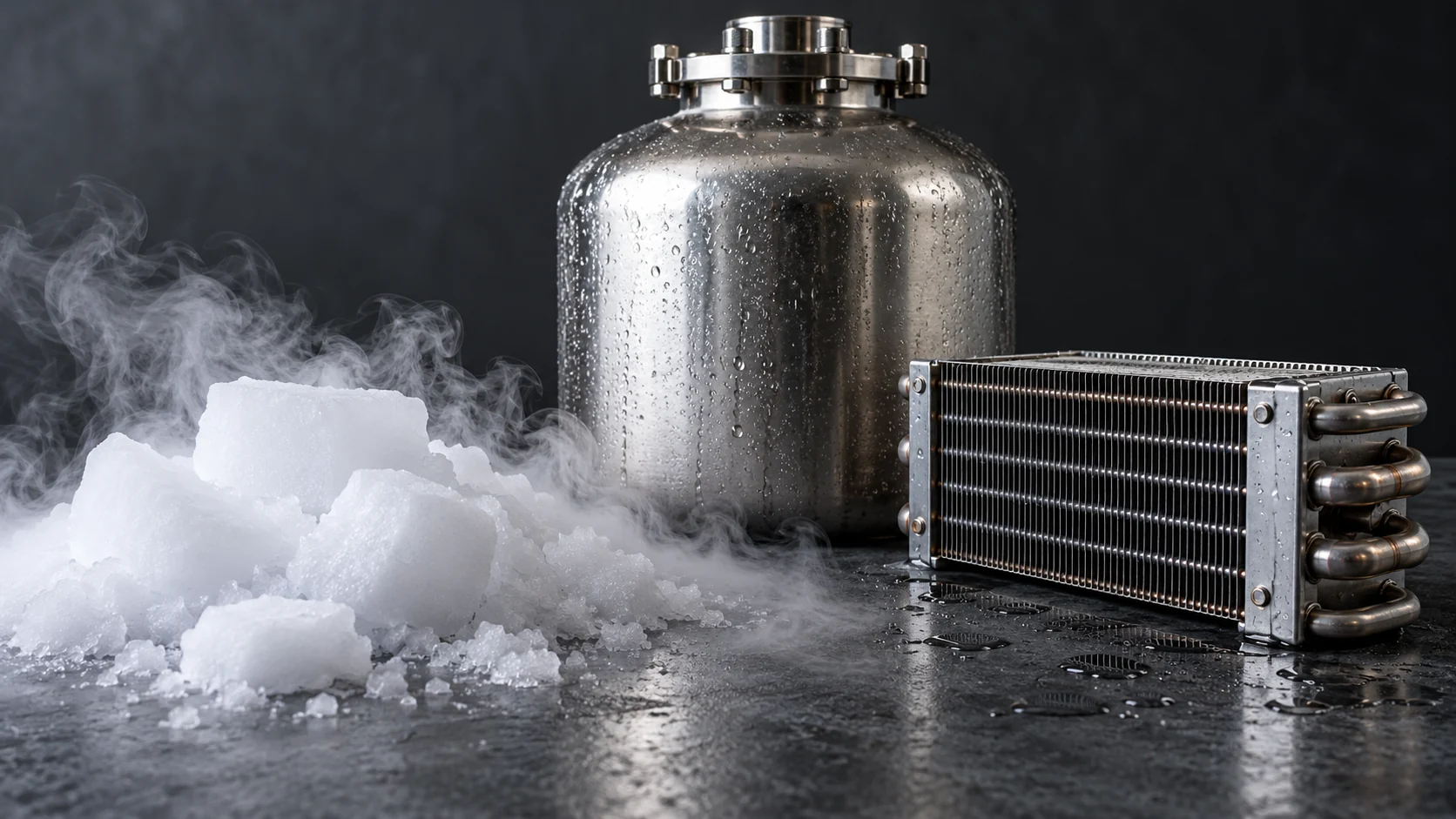
Which refrigerants are used in commercial refrigeration?
The equipment and temperature duty matter more than a generic “commercial” label. A supermarket display case, a cold-storage warehouse, a food-processing freezer, and a small stand-alone cooler do not have the same refrigerant options or safety controls.
R717 ammonia for industrial refrigeration
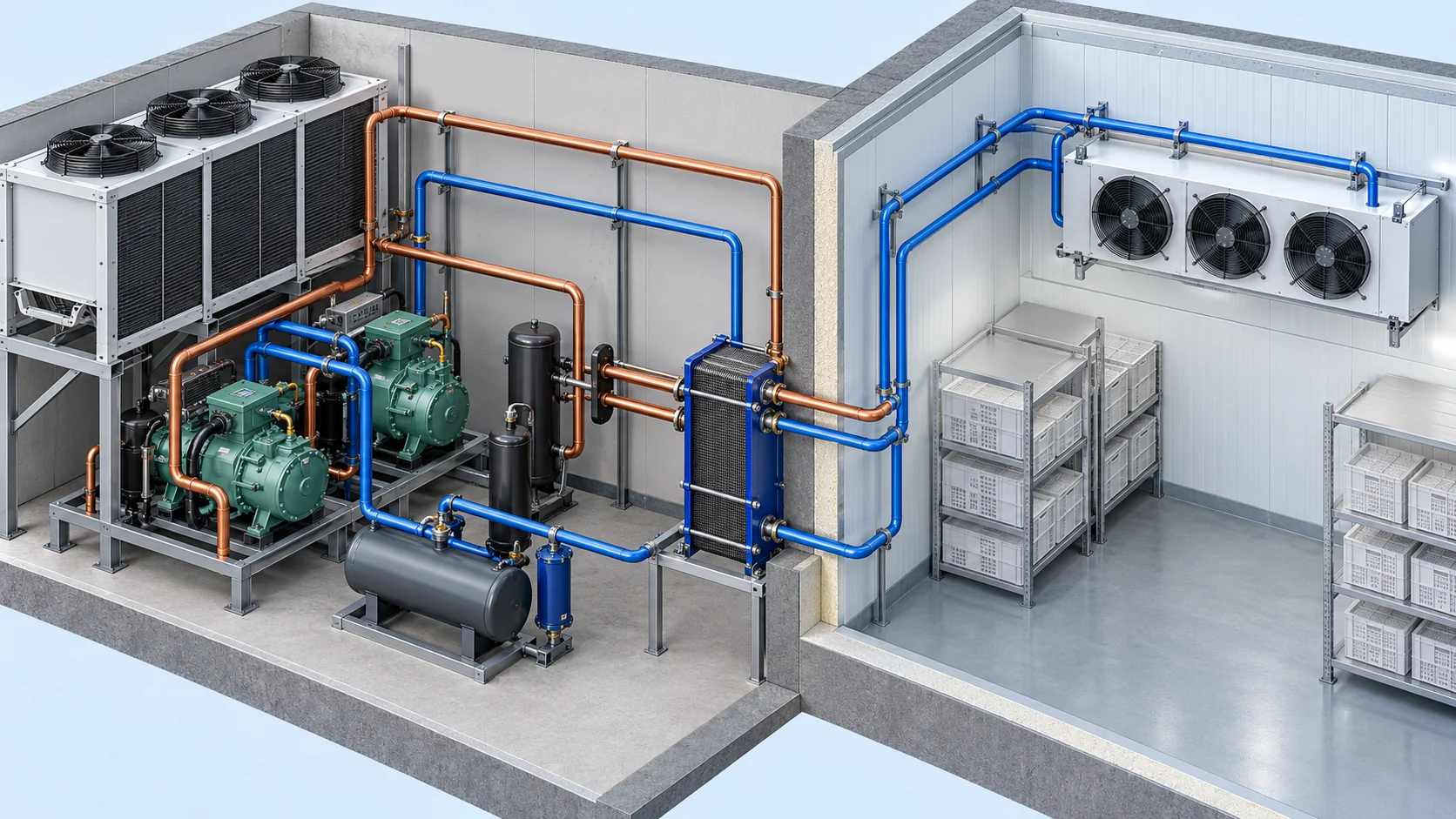
Ammonia is common in large industrial applications such as distribution cold stores, freezing tunnels, breweries, and food-processing plants. The US EPA says most US cold-storage warehouses use ammonia, while some use other refrigerants. That describes a US end use, not a rule for every facility. Danfoss also lists cold stores, freezing tunnels, breweries, and food processors among ammonia’s industrial applications.
Ammonia systems need a safety-led design, qualified service staff, and compliance with the applicable national and local requirements. Charge, machinery-room arrangement, leak response, ventilation, detection, and operator training belong in the project review. Material selection matters too. Danfoss’s ammonia guidance notes that ammonia is incompatible with copper and brass, so the specified coil and connection materials must be checked before a purchase order.
For coil-specific questions, see Domi’s ammonia refrigeration coil guide. It covers the heat-exchanger application; it does not replace refrigerant-system engineering or code review.
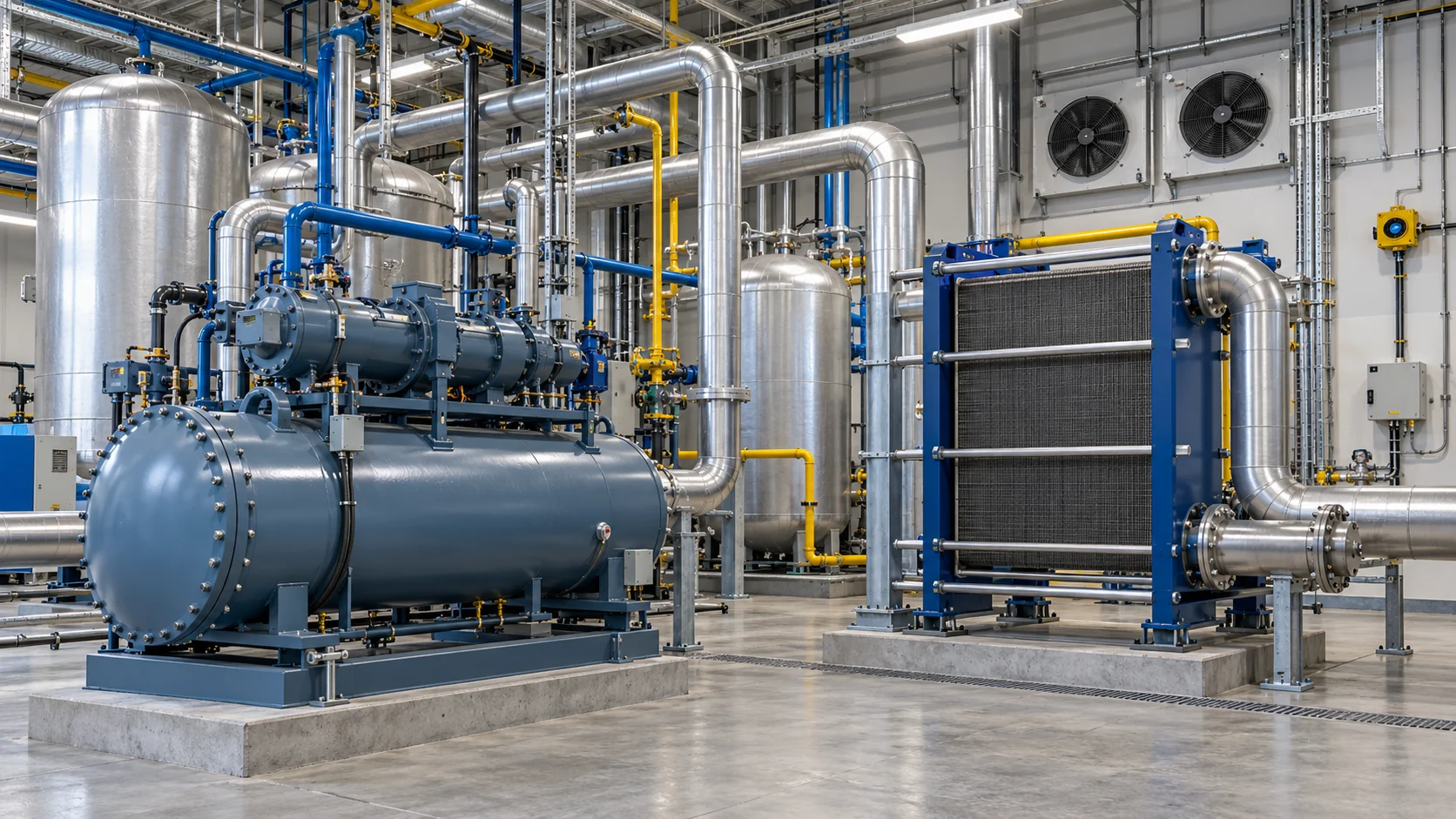
R744 carbon dioxide for commercial and industrial systems
Carbon dioxide is refrigerant R744. It appears in commercial and industrial systems, including transcritical, cascade, and secondary-cooling arrangements. Each architecture has different operating conditions. CO2 operates at considerably higher pressure than many older commercial refrigerants, so the system and its heat exchangers must be designed for the specified pressure envelope. Danfoss’s CO2 guidance describes CO2 as a natural refrigerant and cautions users to account for its distinct system properties.
Do not assume that a coil built for another refrigerant can be used on an R744 circuit. Share the maximum working pressure, design and test requirements, temperatures, circuit arrangement, and connections. Domi’s R744 coil guide and industrial refrigeration solutions explain the coil information needed for a project review.
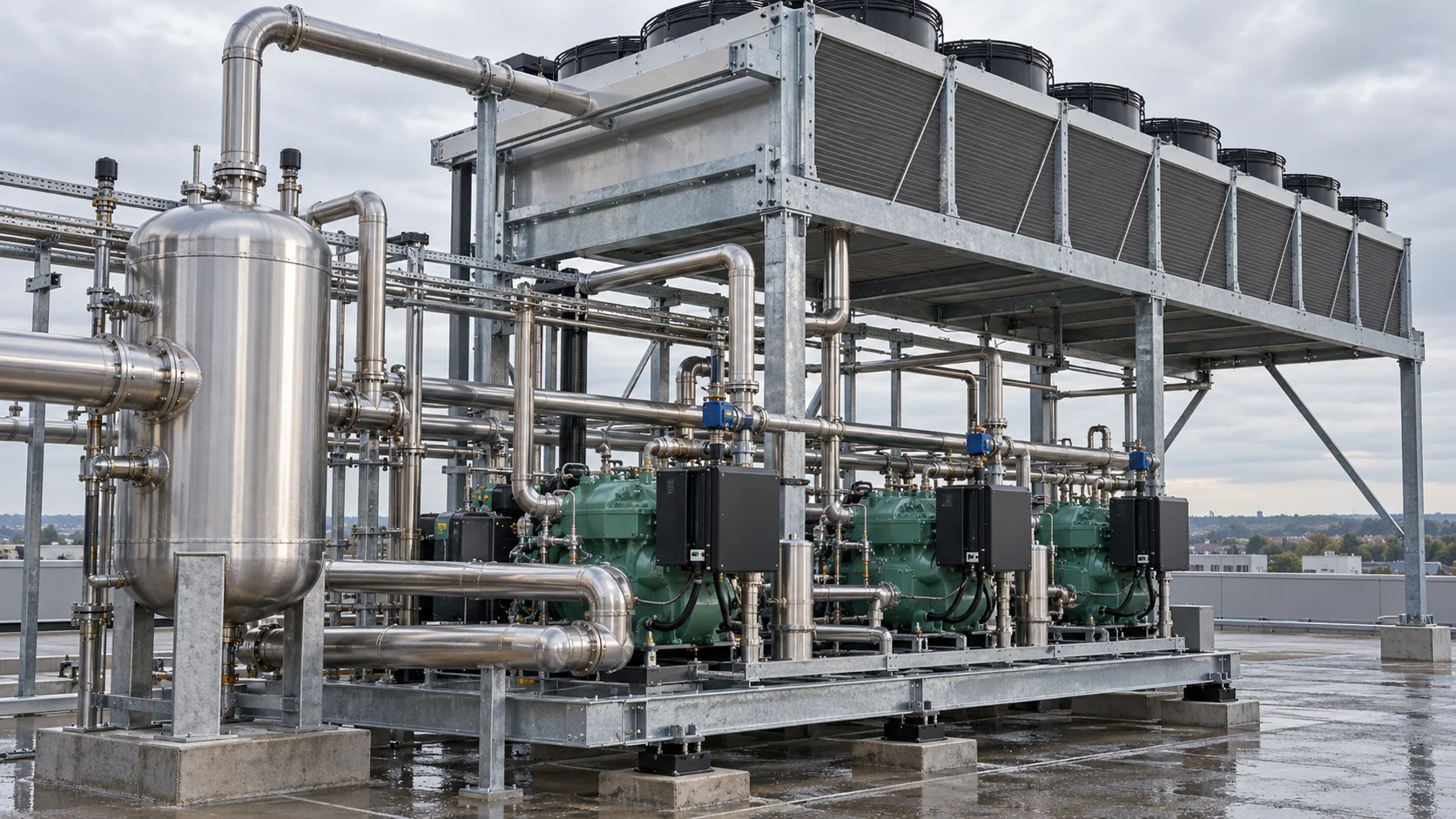
R290 propane and R600a isobutane
Propane (R290) and isobutane (R600a) are hydrocarbon refrigerants. They are used in certain self-contained refrigeration equipment and other applications where the design, charge, and safety requirements allow them. ASHRAE lists R600a as an A3 refrigerant. That designation is a safety classification, not a statement that every R600a application has the same permitted charge or construction.
Before selecting a hydrocarbon, confirm the end-use approval, charge limit, electrical and ignition controls, enclosure, ventilation, service tools, and local fire or building requirements. The EPA’s SNAP listings are organized by end use and may attach specific use conditions. Approval for one product category does not automatically transfer to another.
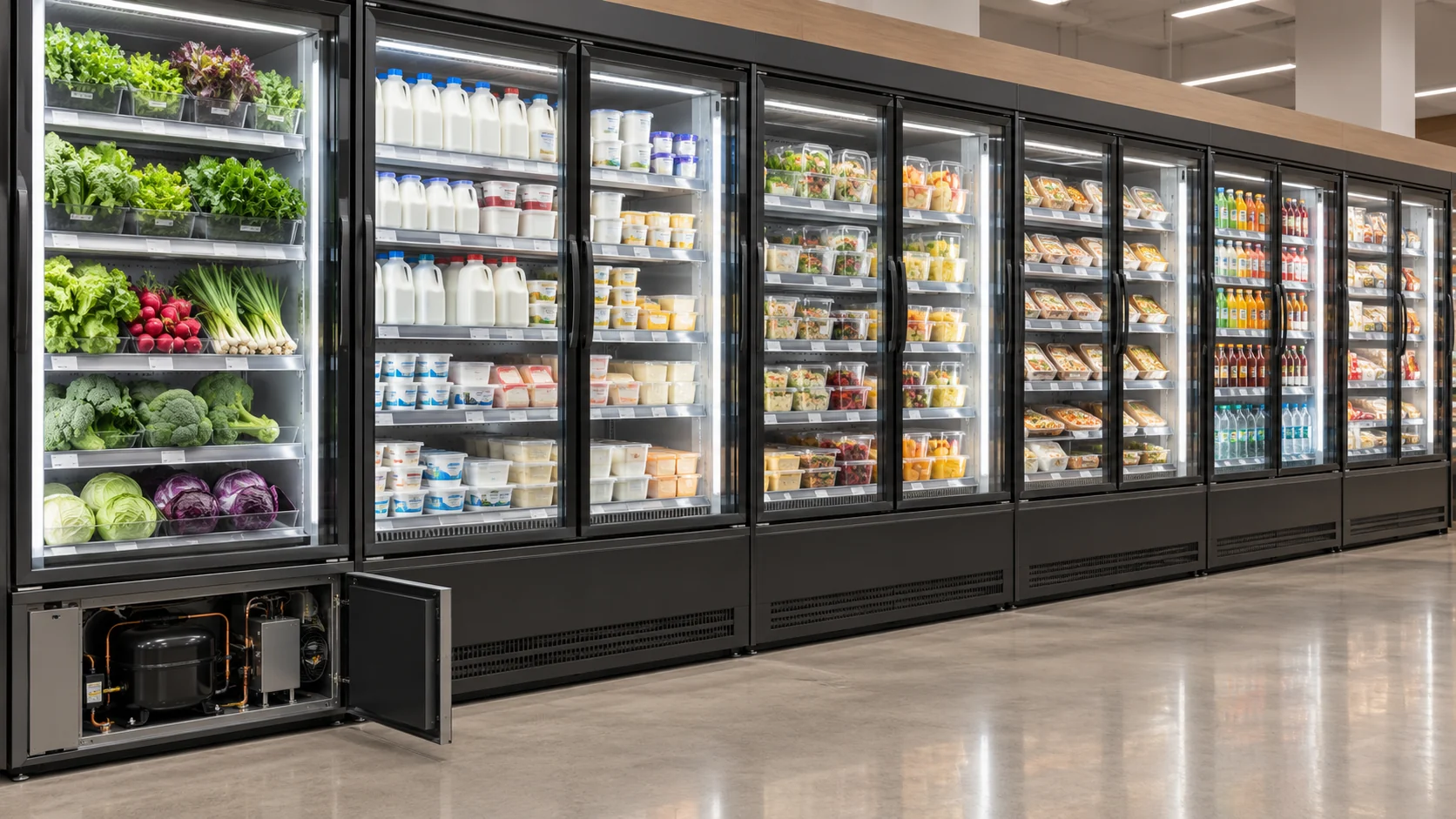
R718 water and other natural working fluids
Water (R718) and air (R729) are also natural working fluids listed in ASHRAE reference material. They appear in specialized equipment or cycle designs, rather than as interchangeable options for every conventional commercial refrigerator. If a project uses a less common working fluid, state the cycle and the actual heat-transfer fluid at each coil connection. A secondary glycol or water loop is not the same thing as the primary refrigerant circuit. See the ASHRAE Handbook refrigerant properties chapter for the listed fluids.
What rules should buyers verify before specifying a refrigerant?
Start with the country and the exact equipment category. In the United States, the EPA’s SNAP program lists acceptable alternatives by end use and can attach use conditions. EPA also says some substitutes listed under SNAP may be subject to separate restrictions under the Technology Transitions program. Its regulatory page includes a May 2026 final reconsideration affecting several refrigeration subsectors, including remote condensing units, supermarkets, and cold-storage warehouses.
For a project, check the current EPA entry for the end use, refrigerant or blend, and equipment type. Then confirm state and local fire, mechanical, and building-code requirements with the responsible engineer or authority. Record the rule version and approval basis in the project documents. Do not rely on a refrigerant table or deadline copied from an older equipment proposal.
Useful live references are the EPA’s SNAP refrigeration listings and Technology Transitions rulemaking page. For a refrigerant’s name and safety designation, check the current ASHRAE Standard 34 tables and addenda.

How should buyers compare refrigerants for a new system?
Compare refrigerants against the actual duty. A supplier’s general description cannot tell you whether a fluid will work with a specific compressor, coil, valve, oil, room, or code requirement. Danfoss’s commercial-refrigeration selection guidance also treats the application, temperature range, system type, component compatibility, safety, cost, and regulatory availability as project inputs.
Review these items with the system designer:
- Application and load: storage, display, freezing, process cooling, ice production, or transport; required capacity and operating schedule.
- Temperature and pressure envelope: entering and leaving fluid temperatures, evaporating and condensing conditions, maximum working pressure, and design ambient.
- System architecture: direct expansion, flooded or pumped, cascade, transcritical CO2, or a secondary-fluid loop.
- Safety and staffing: refrigerant hazard, charge, occupancy, machinery-room arrangement, detection and mitigation, technician training, and emergency response.
- Component fit: compressor, valves, seals, lubricants, materials, heat exchangers, controls, and available service tools.
- Compliance and service life: approved end use, local codes, refrigerant supply, service skills, and future maintenance access.
- Operating cost: energy use and service needs for the whole system, not just a refrigerant price or a low-GWP label.
How does refrigerant choice affect a coil or heat exchanger?
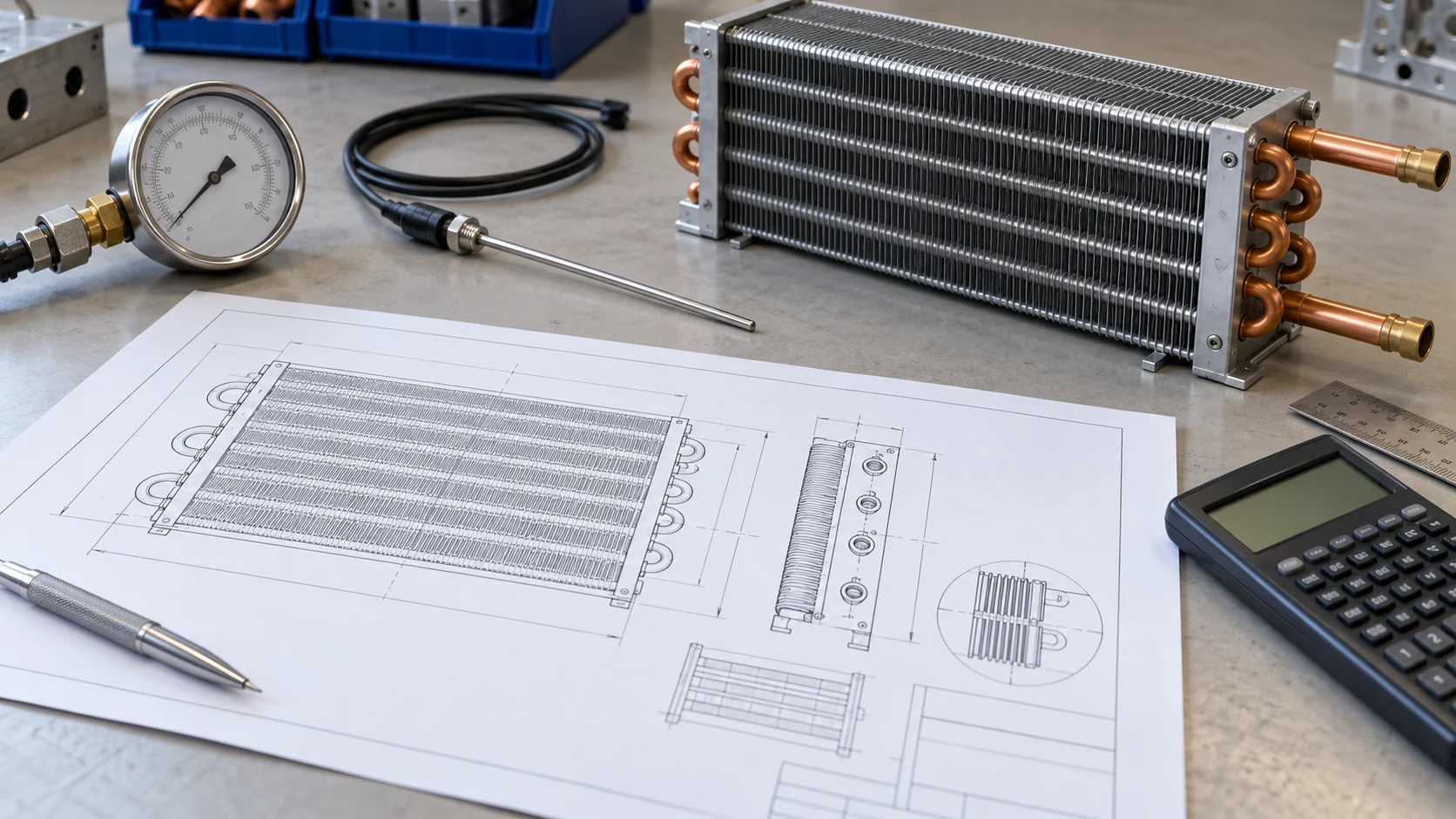
The coil must match the circuit it will serve. A selection review may depend on refrigerant identity and blend, saturated conditions, heat duty, flow arrangement, design pressure, material compatibility, and the connections used by the refrigeration system. A different refrigerant can change pressure requirements, mass flow, circuiting, and how the equipment is controlled.
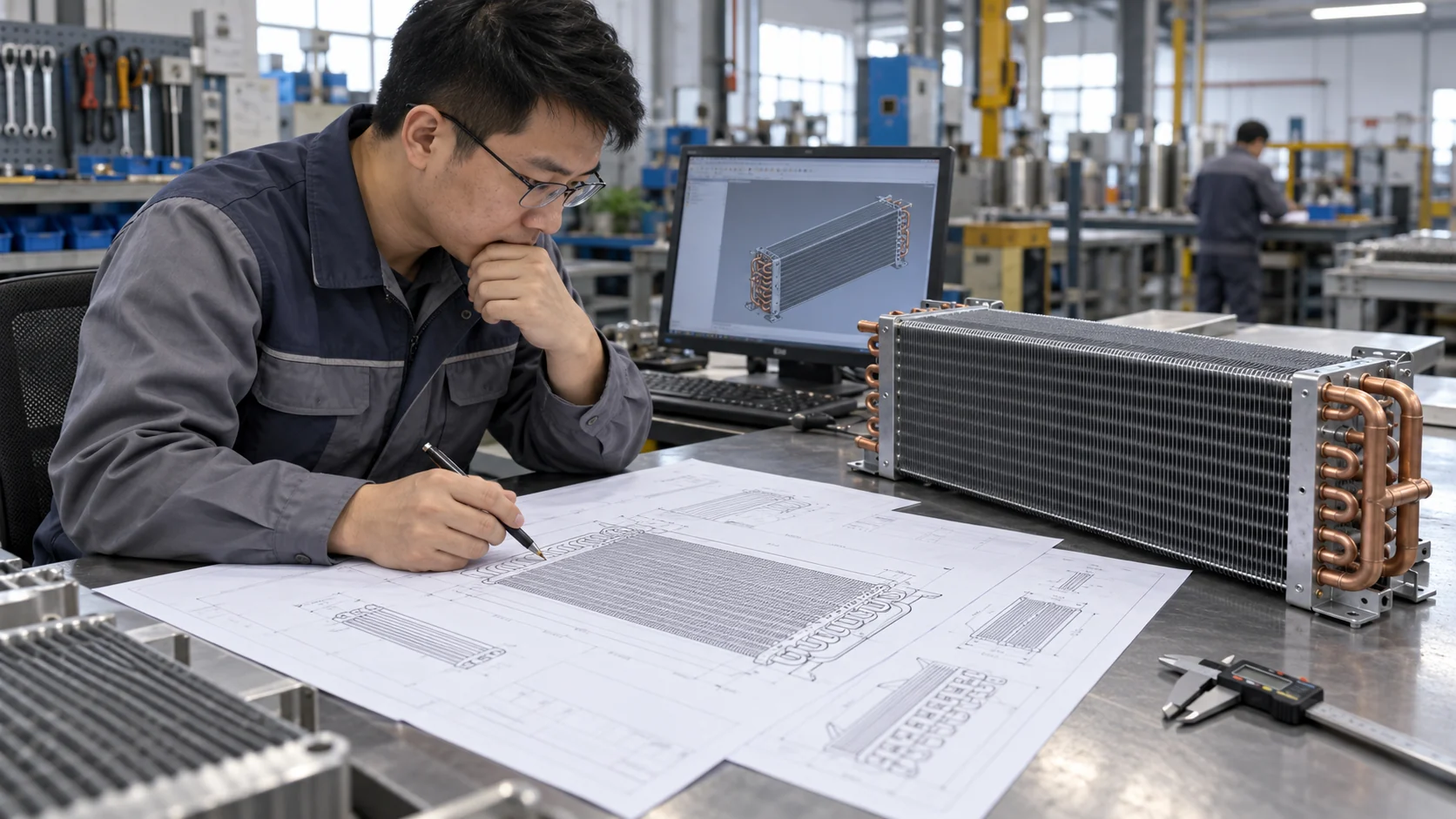
When replacing a coil, provide the original model or drawing if available. A photo of the nameplate helps identify the equipment, but it does not replace a pressure or performance specification. For a new build, send the system designer’s duty and connection schedule. Domi’s custom coil fabrication page describes the drawing and project information used for a custom review.
What should an OEM or procurement buyer include in a coil RFQ?
Send enough information for the supplier to assess the requested duty and interfaces. If a value is still being selected, mark it as provisional instead of leaving the field ambiguous.
- Refrigerant name and number, including the exact blend designation where applicable.
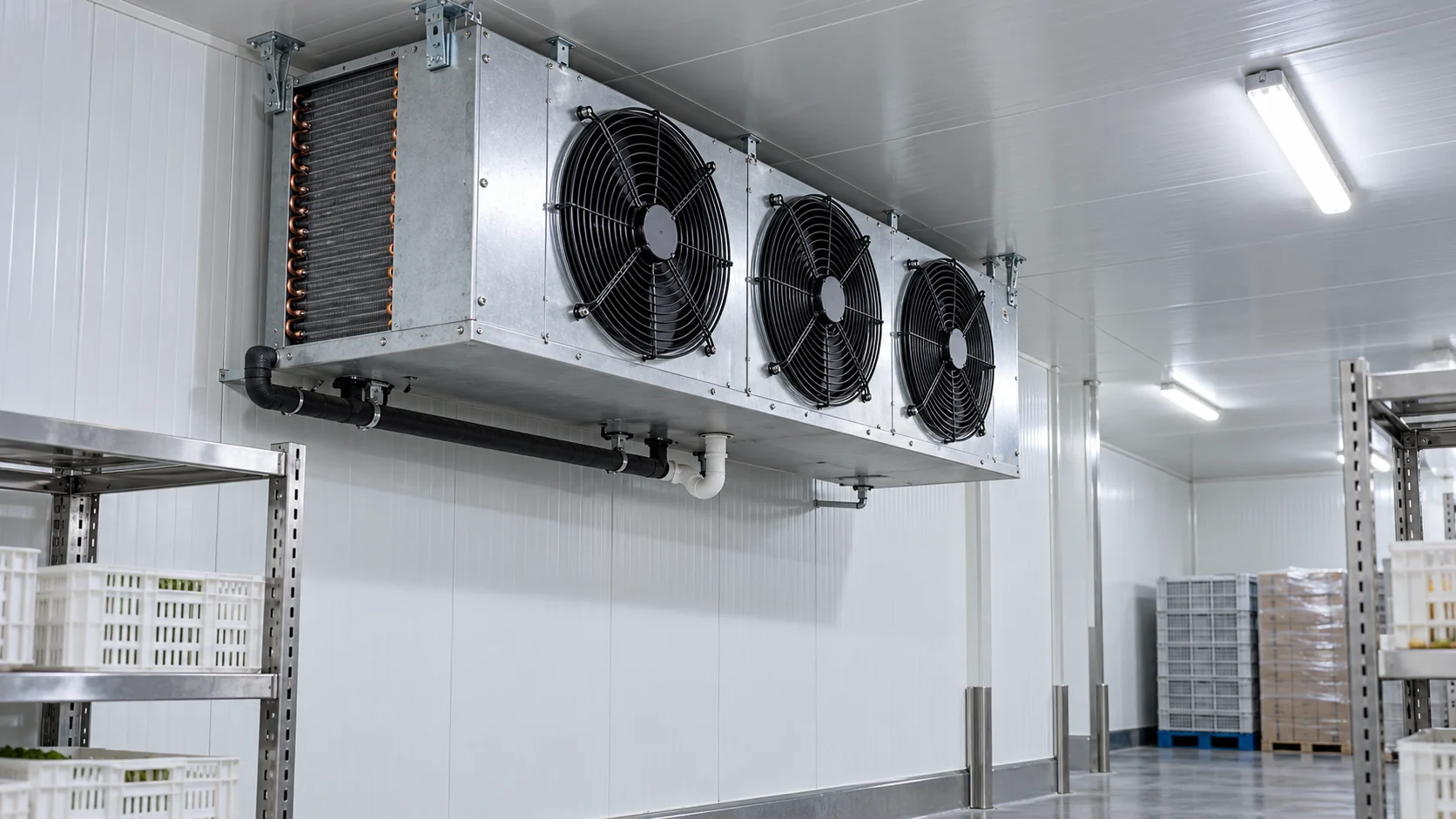
- System type and coil role, such as evaporator, condenser, gas cooler, or secondary-fluid heat exchanger.
- Required capacity and the design temperatures used to calculate it.
- Refrigerant-side maximum working pressure and required test or inspection standard.
- Airflow or secondary-fluid flow, inlet and outlet conditions, and allowable pressure drop if specified.
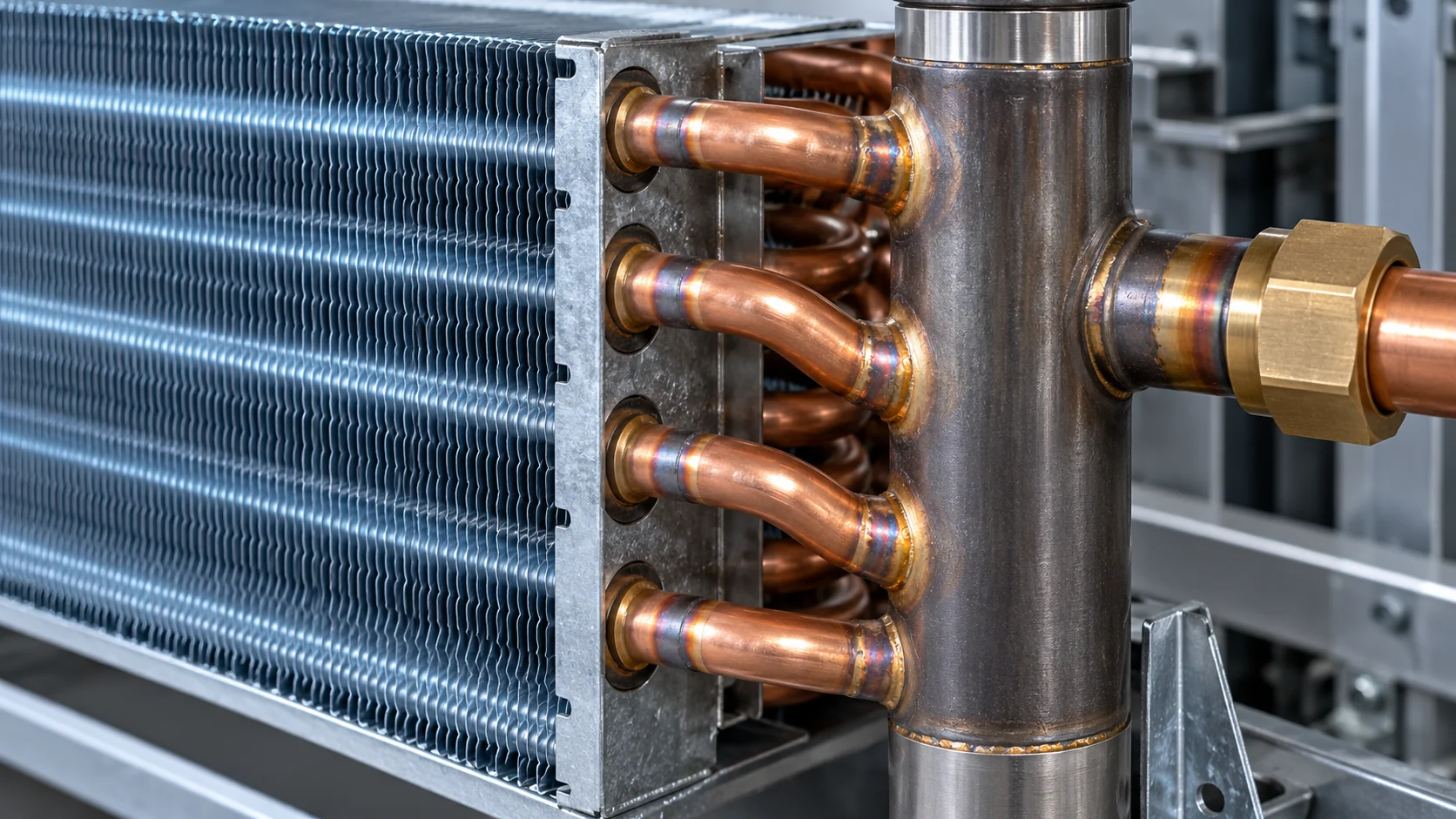
- Tube, fin, casing, and coating material requirements, including corrosion exposure.
- Overall dimensions, tube connections, orientation, header position, and access limits.
- Defrost method, operating schedule, and any unusual cleaning or sanitation requirement.
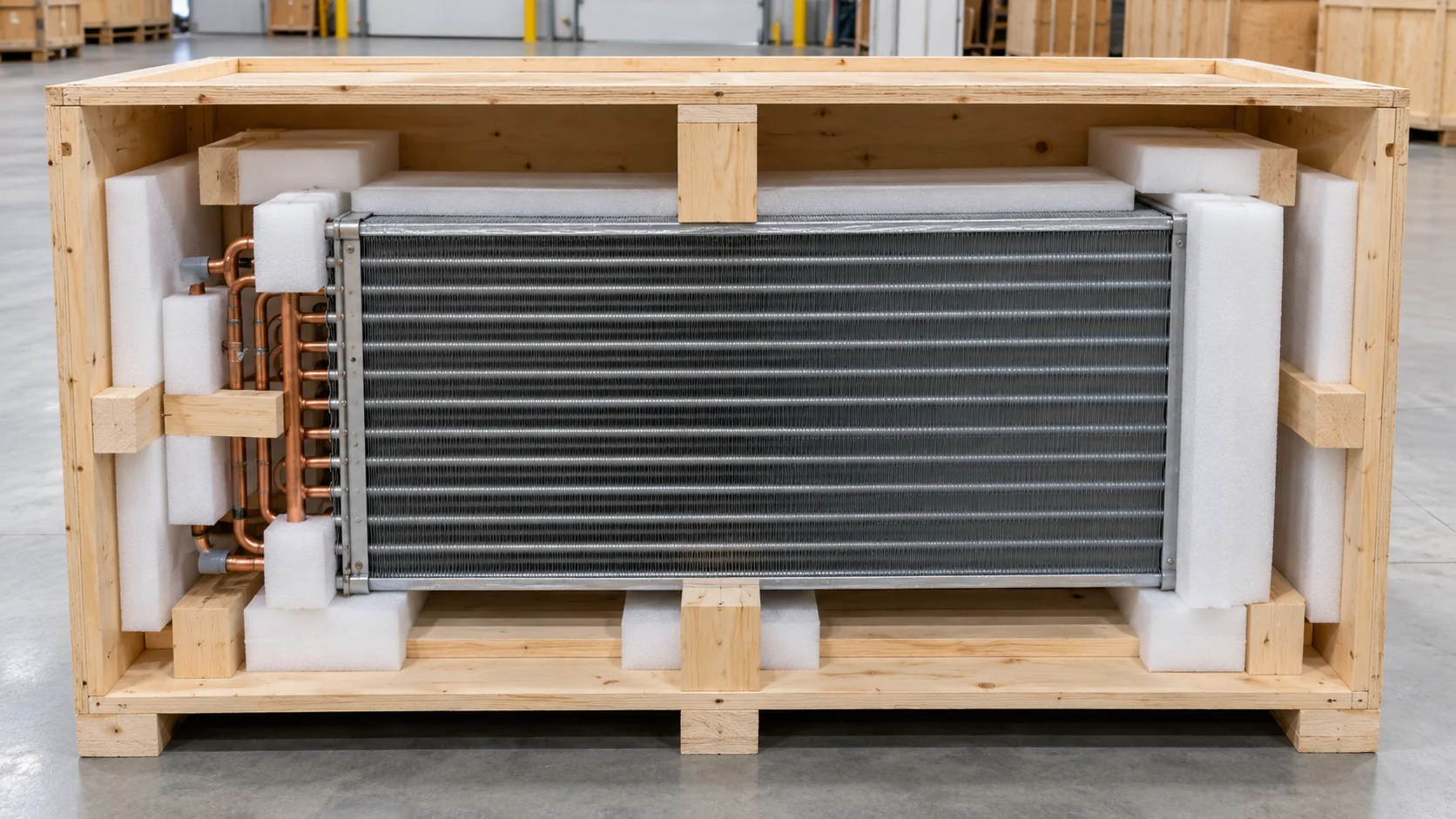
- Quantity, target delivery window, destination country, and packaging needs.
- Existing equipment model, drawing, photos, and notes on what must remain unchanged.
Can an existing system be changed to a natural refrigerant?
Treat a refrigerant change as a system-engineering project. A replacement may affect the compressor, oil, piping, pressure controls, valves, electrical equipment, heat exchangers, safety systems, service procedures, and legal status. The EPA notes that its SNAP acceptance review does not determine whether a refrigerant will perform adequately or be compatible with a specific system component. Ask the equipment and component manufacturers for compatibility guidance and have a qualified refrigeration professional assess the complete system.

Send a coil drawing for review
Domi supplies refrigeration coils and heat-exchanger components. A coil request is easier to review when it includes the refrigerant, duty, temperatures, design pressure, material, dimensions, connection details, and drawing. Final refrigerant selection and system safety approval remain with the project’s qualified refrigeration designer.
Frequently asked questions
What are examples of natural refrigerants?
Common examples are ammonia (R717), carbon dioxide (R744), propane (R290), isobutane (R600a), water (R718), and air. Which ones fit depends on the refrigeration cycle, equipment, safety requirements, service capability, and local rules.
What are the four main types of refrigerants?
A common broad refrigerant-family list names CFCs, HCFCs, HFCs, and HFOs. Natural working fluids are often discussed separately, and the categories are not the same as ASHRAE safety classes. Check what a source is grouping before comparing lists.
What refrigerant is used in commercial refrigerators?
There is no single refrigerant for every commercial refrigerator. Stand-alone display cases, remote systems, supermarket racks, cold-storage warehouses, and industrial process systems have different options. EPA reports that ammonia is used by most US cold-storage warehouses, but that does not describe every commercial system.
Is R600a a natural refrigerant?
Yes. R600a is isobutane, a hydrocarbon refrigerant. It is flammable, so the equipment design, allowable charge, service method, and applicable approval conditions matter.
Are natural refrigerants automatically safer or better?
No. “Natural” describes the substance, not its risk or suitability. Compare the safety classification, operating envelope, energy performance, component compatibility, service capacity, supply, and applicable regulations for the whole system.
What refrigerant regulations should a US buyer check in 2026?
Check the current EPA SNAP listing for the equipment end use and the separate Technology Transitions requirements. EPA published a final reconsideration rule in May 2026 that addresses several refrigeration subsectors. Confirm the exact equipment category and current rule text before committing to a refrigerant or purchase date.
Can R744 or ammonia replace an HFC in an existing system?
Do not assume a direct drop-in replacement. CO2 can require a different pressure design. Ammonia raises material and safety requirements. A qualified designer and the equipment manufacturers should review the full system before a conversion.
What information helps a supplier review a refrigeration coil?
Provide the refrigerant and system type, capacity, operating temperatures, design pressure, material requirements, connections, dimensions, quantity, and an existing drawing or nameplate photo if available. See Domi’s industrial refrigeration coil review page for the project inputs it requests.