
Short answer: select a refrigeration unit from the real product or room load, evaporating and condensing conditions, refrigerant, ambient, airflow or water flow, installation envelope, electrical supply, controls, service access, and required documentation. A refrigeration unit can mean an integrated package, a remote condensing unit with a unit cooler, or a custom assembly built around a cabinet or process. Define the equipment boundary before comparing prices, then ask every supplier to rate the same duty point.
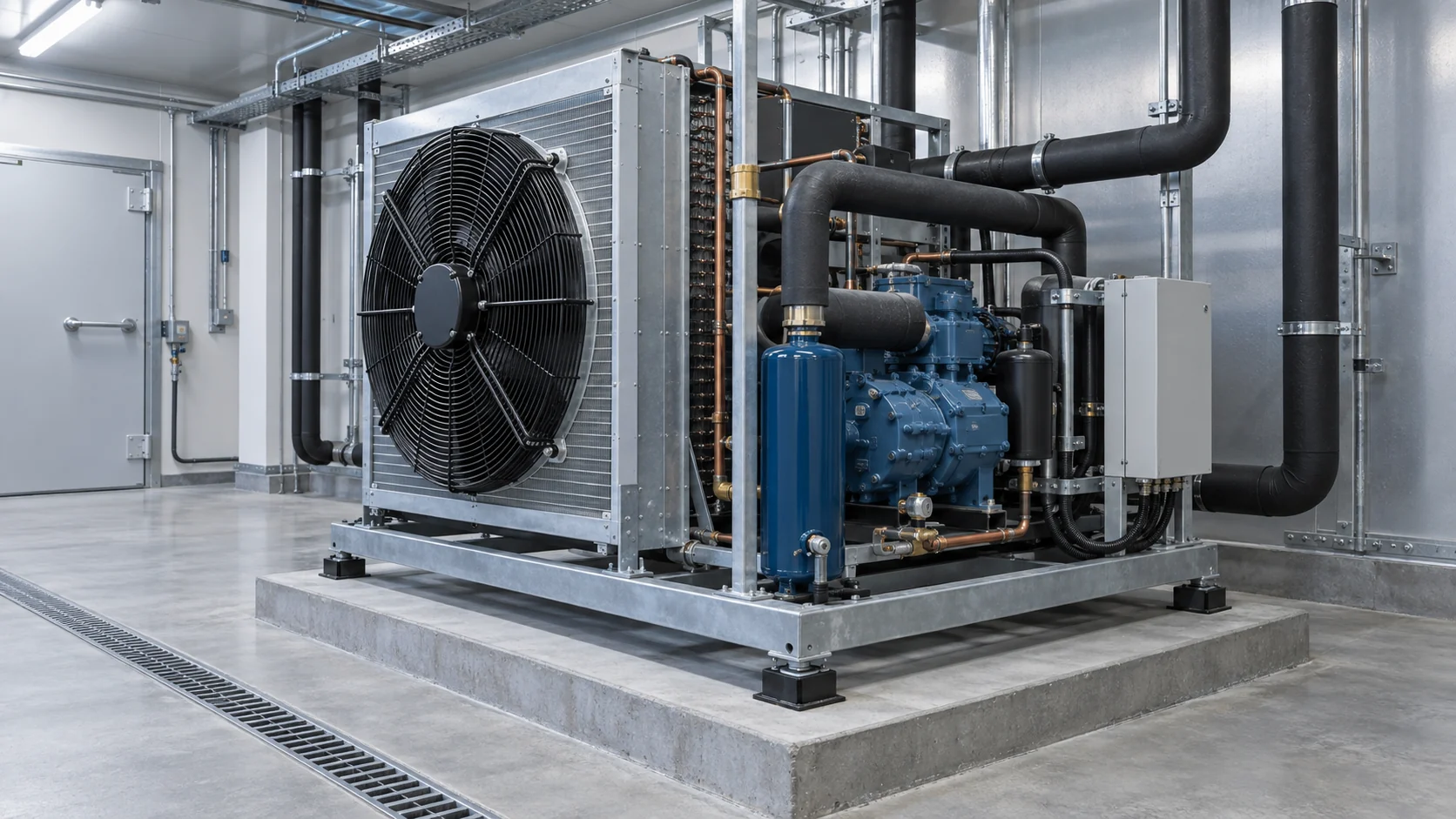
What a refrigeration unit actually includes
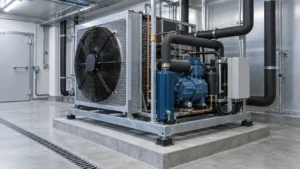
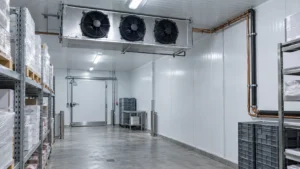
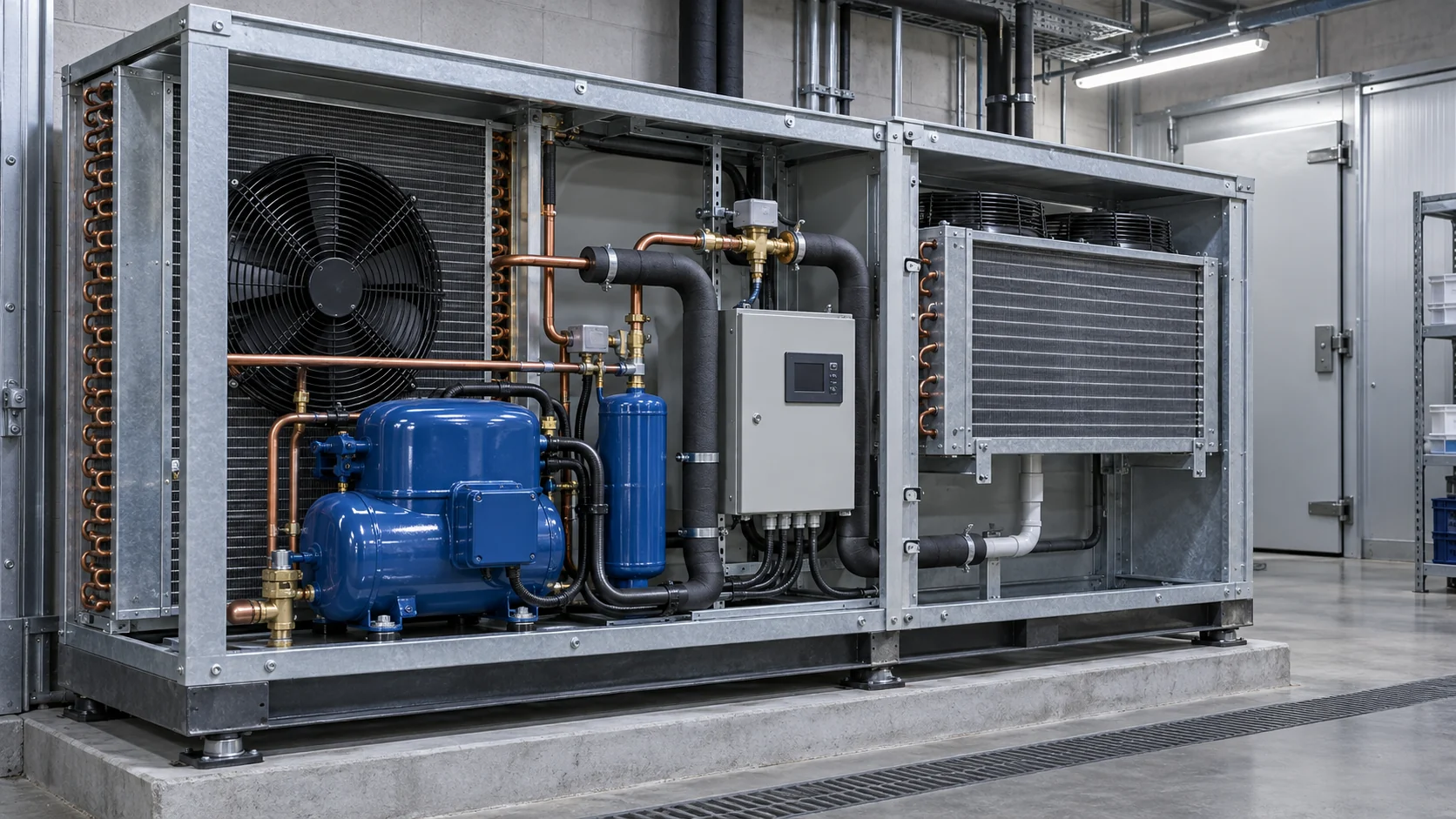
The phrase refrigeration unit is used for several different purchase scopes. A self-contained commercial cabinet may contain the compressor, condenser, evaporator, metering device, controls, fans, insulation, drainage, and enclosure in one package. A walk-in cold room usually separates a remote condensing unit from a unit cooler inside the room. An OEM machine may use a custom coil, compressor, controller, and electrical panel that are assembled by the equipment maker rather than by one refrigeration supplier.
The U.S. Department of Energy describes commercial refrigeration equipment as equipment that stores or displays perishable goods and may connect to a self-contained or remote condensing unit. AHRI 1250 and 1251 also distinguish an integrated single-package refrigeration unit from separate unit-cooler and condensing-unit sections. These definitions are useful for a buyer because the same keyword can otherwise produce quotes for a single coil, a condensing unit, or a complete machine.
| Equipment boundary | What may be included | Data that must be named in the RFQ | Common scope error |
|---|---|---|---|
| Component | Compressor, fan motor, coil, valve, filter drier, sensor or controller | Part number, duty, dimensions, material, pressure and connection data | Asking for a complete refrigeration unit when only a replacement coil is needed |
| Heat-exchanger assembly | Evaporator or condenser core, headers, frame, drain pan, fan or casing when specified | Refrigerant or fluid, capacity, flow, face area, fin pitch, pressure drop and mounting | Comparing a coil by face size while ignoring circuiting and operating conditions |
| Condensing unit | Compressor, condenser, fan, frame, receiver and selected controls | Refrigerant, condensing condition, capacity, ambient, electrical supply, sound and service clearance | Treating the condenser coil as if it includes the compressor and controls |
| Integrated refrigeration unit | Refrigeration circuit, enclosure or cabinet, electrical panel, controls, drainage and installation provisions | Product or room load, temperature profile, dimensions, utility limits, test method and handover documents | Assuming every supplier has the same definition of a complete package |
Read Domi’s refrigeration system parts reference when a purchase order mixes component, subassembly, and complete-unit terminology. The distinction should appear in the title of the RFQ and in the quotation exclusions.
Start with load, temperature and the installation envelope
Do not start with horsepower or cabinet volume alone. Record what must be cooled, how quickly it must reach the target, how often doors or loads change, and what heat enters from fans, lights, people, motors, product, infiltration, or the process. Separate normal holding duty from pull-down, recovery, defrost, start-up, and abnormal ambient cases. A unit that holds a stable room after pull-down may be unsuitable for a warm product batch or a high-door-traffic application.
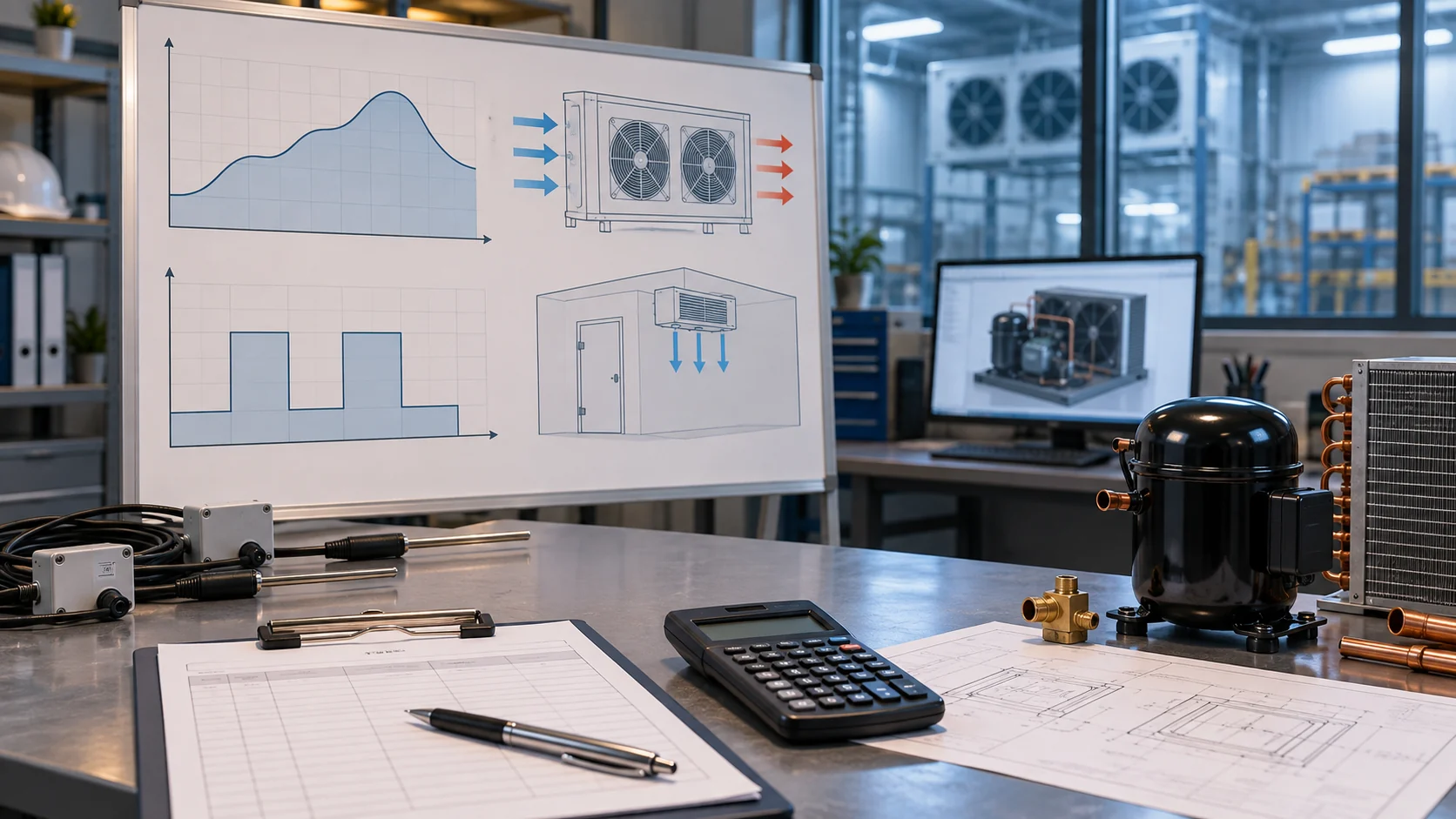
The design basis should state the evaporating temperature, condensing or gas-cooler condition, entering and leaving air or fluid temperatures, design ambient, refrigerant, allowable temperature swing, and operating schedule. If the project has several modes, send minimum, nominal, and maximum conditions. Ask for the capacity at the stated conditions rather than a catalog capacity with no rating basis.
| Selection input | What to provide | Why it changes the refrigeration unit |
|---|---|---|
| Load and recovery | Product mass, room volume, heat gains, door events, pull-down time, holding duty and peak case | Sets compressor capacity, evaporator surface, staging, defrost and recovery strategy |
| Temperature profile | Target temperature, evaporating temperature, allowable swing, humidity or frost condition and defrost interval | Determines coil circuiting, fin spacing, metering, insulation, drainage and controls |
| Refrigerant and fluid | Refrigerant or secondary fluid, oil, pressure class, concentration and compatibility limits | Changes compressor envelope, valve selection, materials, safety review and test requirements |
| Site envelope | Width, height, depth, weight, connection positions, lifting path, clearances, ambient, noise and electrical supply | Determines whether the unit can be installed, serviced and operated at the actual site |
| Air and water path | Airflow, face velocity, water or glycol flow, pressure-drop limits and fouling condition | Controls heat-transfer performance, fan or pump power and cleaning frequency |
Choose integrated, split, or remote architecture
Integrated or self-contained units
An integrated unit keeps the refrigeration circuit and controlled space in one cabinet or frame. This can simplify factory testing, installation, and responsibility for the complete package. It also concentrates heat, sound, service access, condensate, and electrical connections in one location. Check whether the installation has enough ventilation and whether the unit can reject heat in the intended room or needs an external condenser.
Remote condensing-unit systems
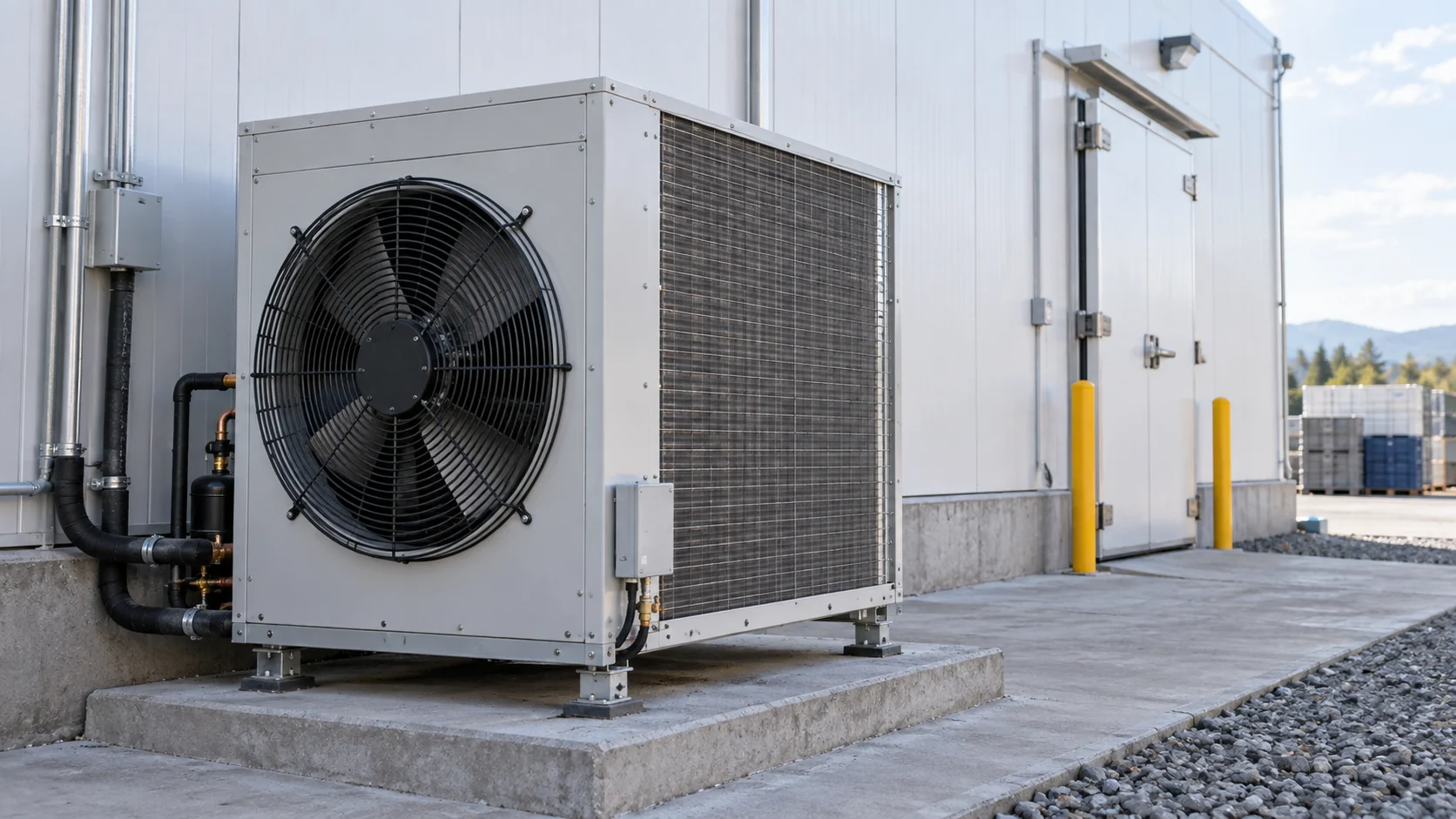
A remote architecture places the compressor and heat rejection outside the cooled space and connects them to a unit cooler or evaporator. It can reduce heat and noise in a cold room or display area, but it adds refrigerant piping, field joints, controls, drainage, and commissioning points. State line lengths, vertical lift, oil return, insulation, pipe supports, service valves, and the location of the receiver and filter drier.
OEM custom assemblies
An OEM buyer may need a refrigeration unit that fits an enclosure, production line, heat-pump module, beverage cooler, freezer, or process skid. In that case, the refrigeration package is only one part of the product architecture. Send the available envelope, mounting points, airflow path, noise target, approved refrigerants, wiring interface, service doors, and the required sample or first-article process. Domi’s engineering capabilities can support drawing review and custom heat-exchanger discussions, while the final unit scope should be confirmed in the quotation.
Match the compressor, condenser, evaporator and liquid circuit
Compressor selection
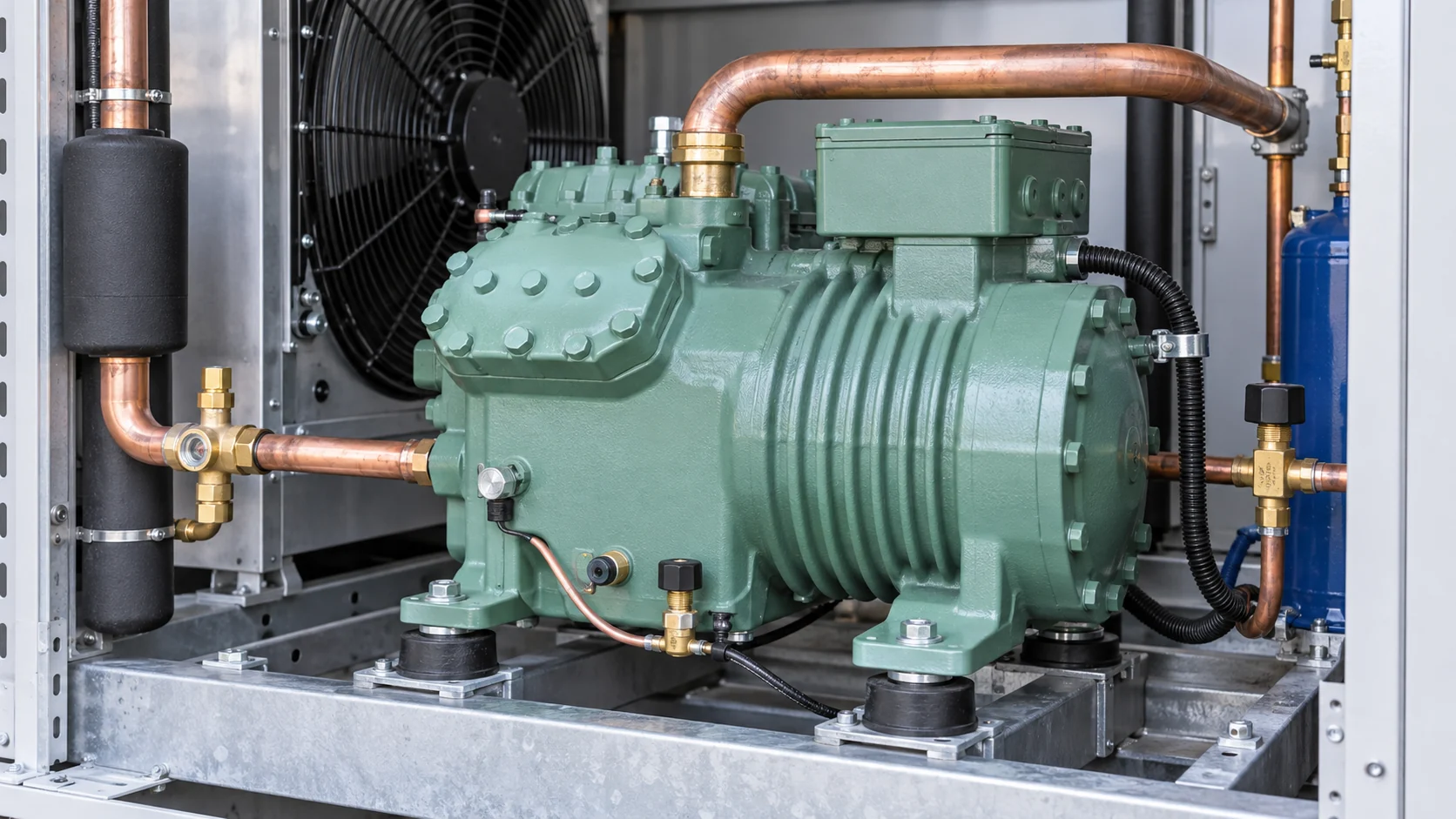
Compressor selection must use the refrigerant, evaporating and condensing conditions, capacity range, motor supply, speed, oil, starting method, sound limit, mounting, and expected operating envelope. A compressor that fits a frame can still be unsuitable if it operates outside its pressure or temperature limits. High discharge temperature, short cycling, low suction pressure, vibration, or overload trips can also originate in airflow, charge, metering, or controls, so the complete circuit should be reviewed before replacing the compressor.
Condenser and heat rejection
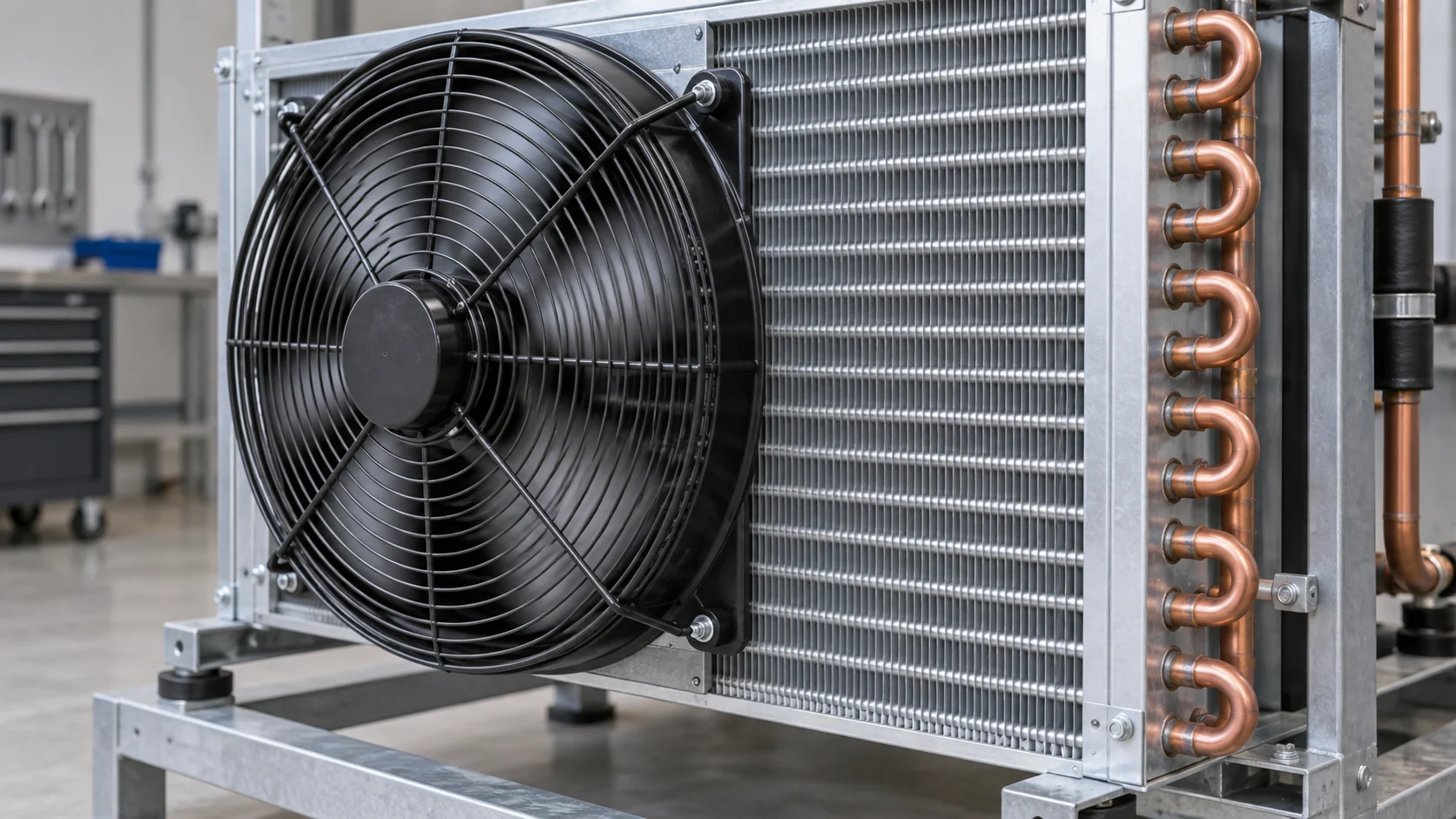
An air-cooled condenser rejects heat through a finned surface and fan. Its duty depends on ambient temperature, airflow, fin spacing, fouling, corrosion, recirculation, and fan control. Water-cooled or evaporative arrangements add water quality, flow, treatment, freezing, or drift considerations. The selection should identify the heat-rejection duty, entering condition, pressure drop, fan or pump power, material, coating, and cleaning access.
Evaporator and metering device
The evaporator absorbs heat from a cabinet, room, air stream, water, glycol, product, or process. State face dimensions, circuiting, fin pitch, drain direction, defrost method, fan arrangement, connection position, and available service space. The expansion device may be a capillary tube, thermostatic expansion valve, electronic expansion valve, or another metering arrangement. Choose it from refrigerant, load range, pressure drop, superheat target, charge, and control response rather than connection size alone.
Receiver, filter drier and oil management
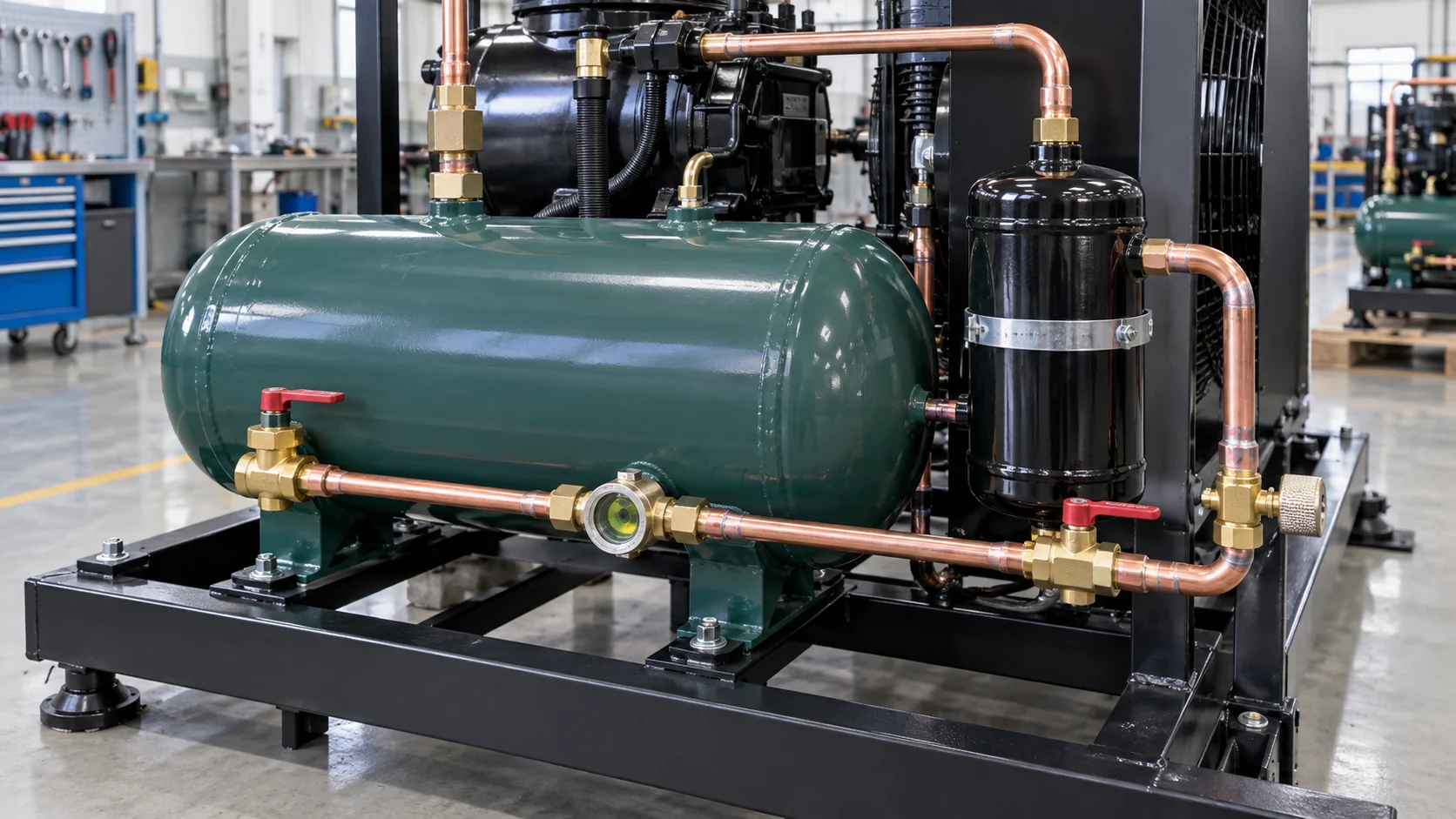
A receiver stores liquid when the system needs charge flexibility. A filter drier removes moisture and particles from the liquid line. Sight glasses, accumulators, oil separators, suction filters, service ports, and relief devices may be needed depending on the circuit and risk review. Size the liquid volume, pressure class, connection, support, and service clearance together.
Specify piping, controls and service access before the quotation
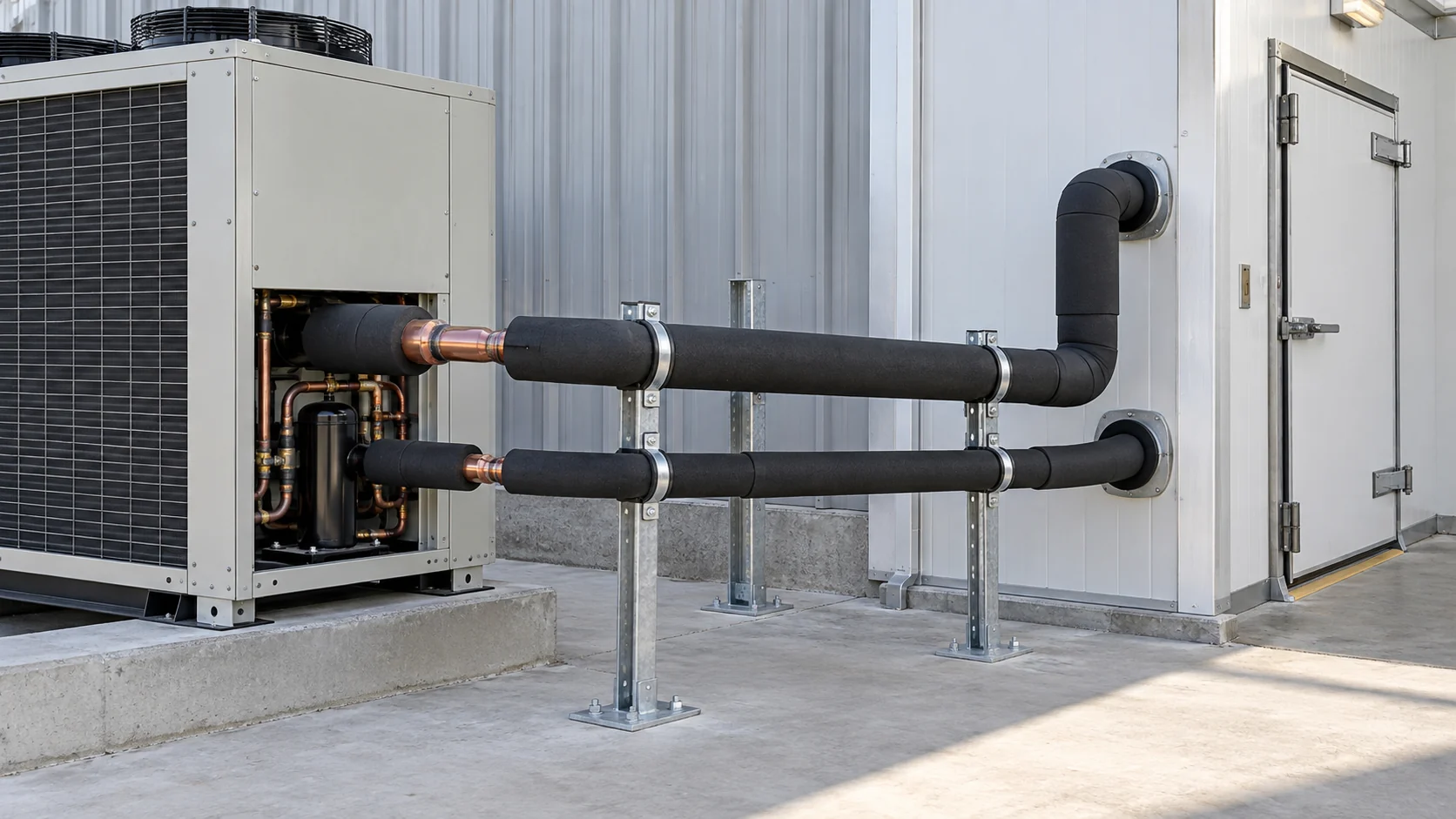
Piping is part of the refrigeration unit’s performance, not only an installation detail. Send the expected line length, vertical lift, pipe sizes, insulation, supports, vibration isolation, oil-return strategy, brazing or joining requirements, leak-test method, and access to service valves. For a remote system, ask the supplier to identify the boundary between factory-supplied and field-supplied piping.
Controls should state sensor locations, setpoints, staging, fan control, defrost, pump-down, high and low pressure protection, crankcase or liquid protection, alarms, communication protocol, and the fail-safe state after a power or communication loss. A controller is not a substitute for correct coil, valve, airflow, charge, or wiring selection.
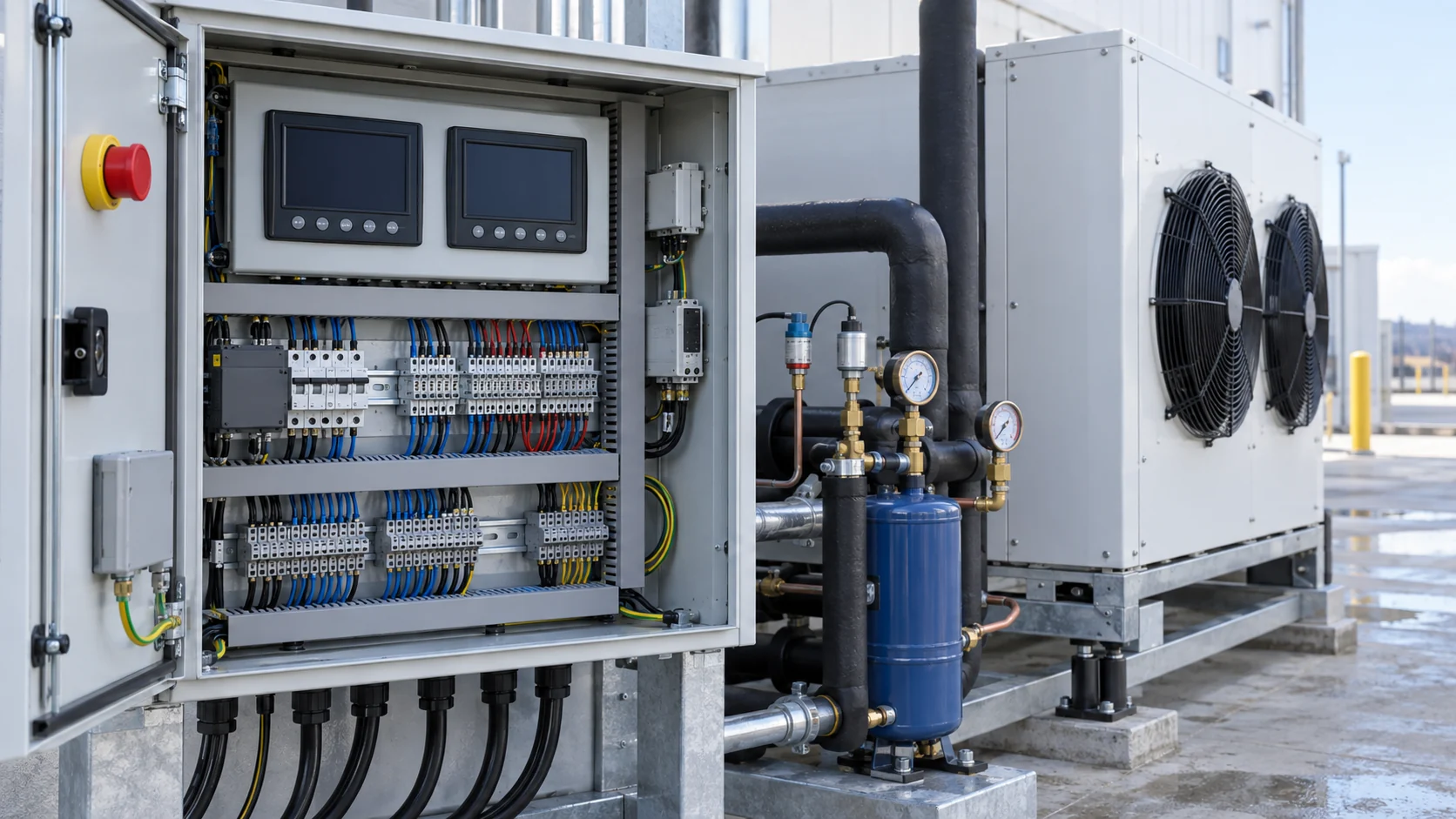
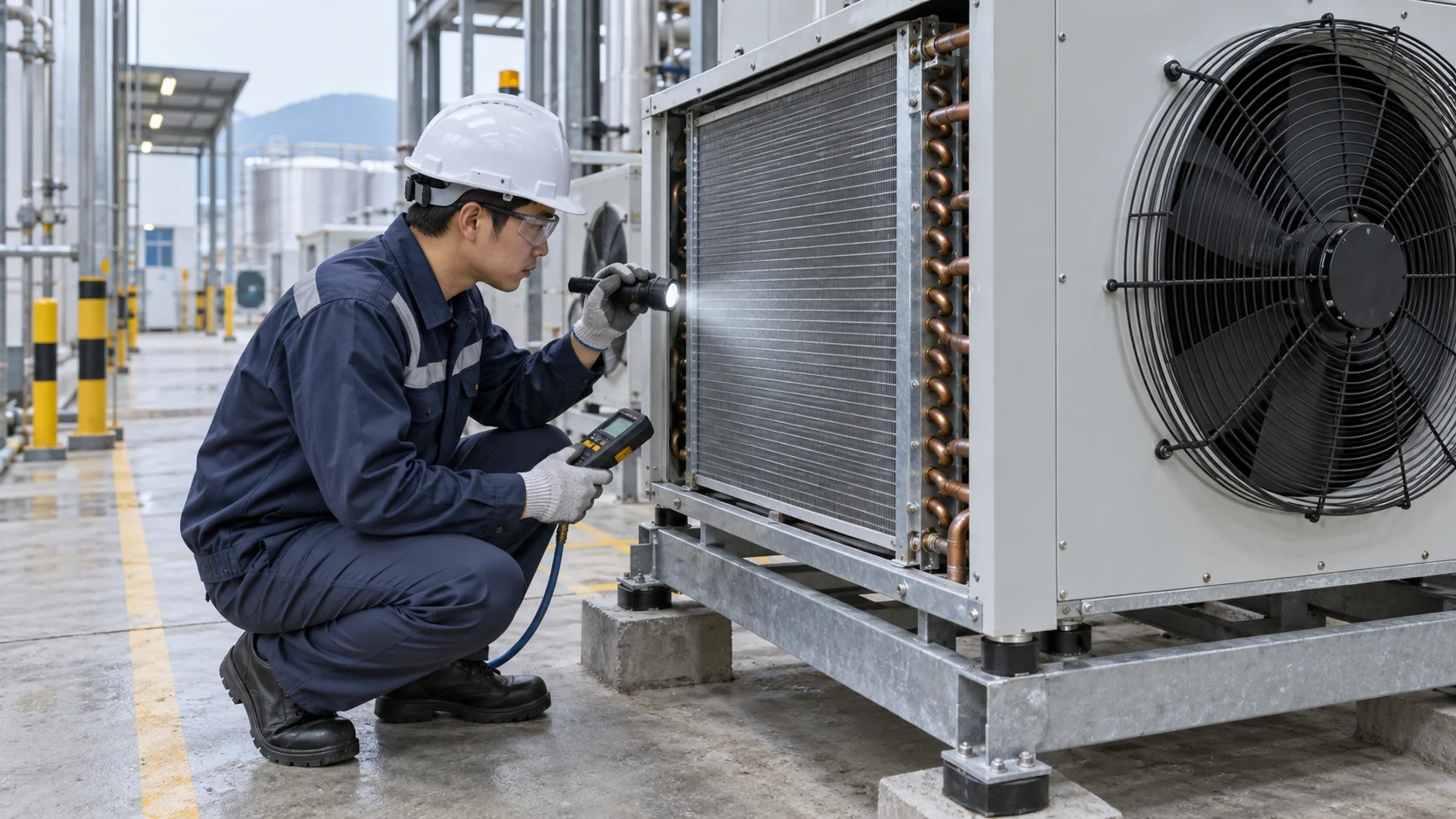
Ask for access to coils, filters, fans, compressor terminals, sensors, drain pans, control panels, and service ports. Include lifting points, lockout provisions, cleaning method, spare parts, calibration, backup parameters, and the expected maintenance interval. A compact unit with no safe access can cost more to own than a slightly larger unit with clear service paths.
Check commercial and industrial applications
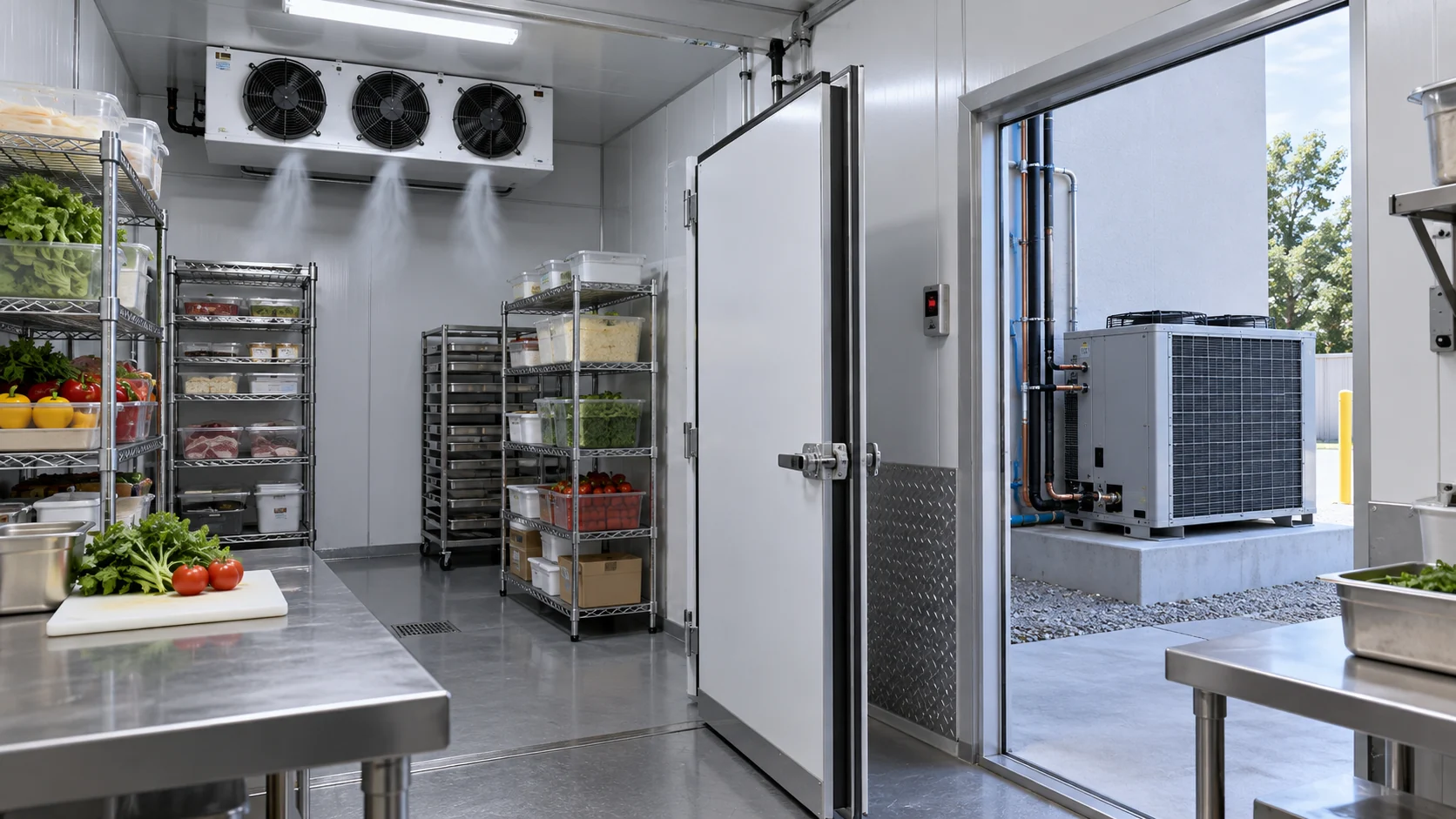
For commercial food service, retail, and walk-in rooms, evaluate product temperature, door traffic, humidity, frost, cleaning, drainage, sound, and recovery after loading. DOE buyer guidance also recommends matching equipment size to the intended use and considering compressor placement for the operating environment. A top or bottom configuration can change dust exposure, heat rejection, ergonomics, and service access, but the final choice still depends on the site and equipment design.
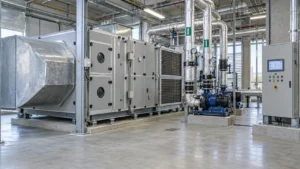
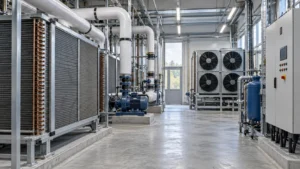
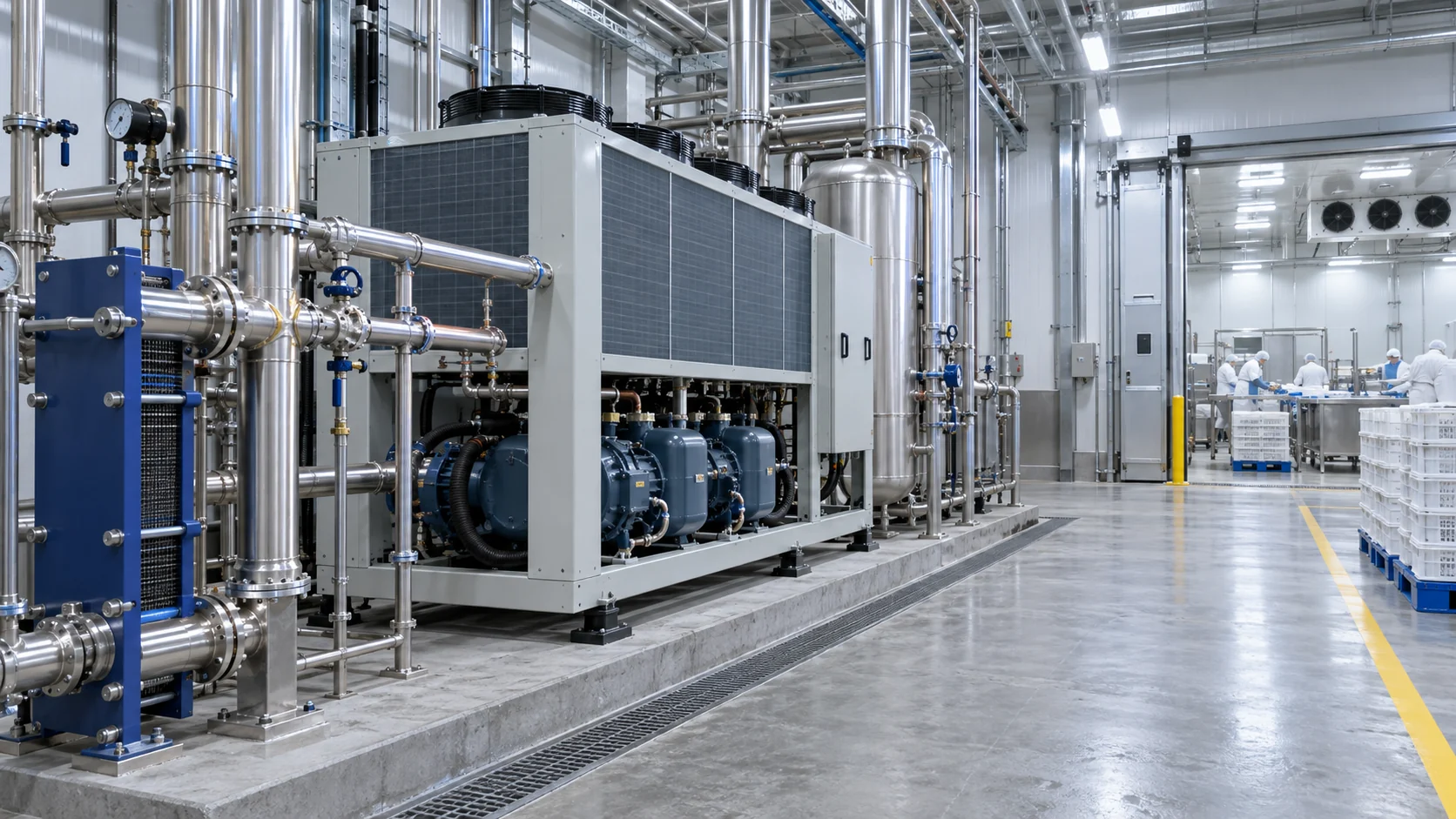
Industrial and process applications add larger temperature ranges, long pipe runs, redundancy, pressure vessels, PLC or supervisory controls, corrosion, washdown, vibration, and documented operating limits. An industrial refrigeration unit may be a packaged skid, a compressor package, a process heat exchanger, or a subassembly within a larger plant. Define which equipment is included and which site systems are excluded.
Prepare an RFQ that suppliers can price and test
Send a drawing, marked-up photo, nameplate, load schedule, or sample whenever available. A supplier can then identify dimensional risk, missing operating conditions, and whether the request is for a component, heat-exchanger assembly, condensing unit, or complete package. Domi’s custom coil fabrication service is a useful path when the unit needs a drawing-based condenser, evaporator, or heat exchanger, but a complete refrigeration-unit scope should be confirmed before a purchase order.
| RFQ section | Minimum information | Supplier response to request |
|---|---|---|
| Application and duty | Product or room, load, pull-down, holding temperature, recovery, humidity, schedule and redundancy | Selected architecture, duty point, assumptions, capacity margin and operating limits |
| Circuit and components | Refrigerant, oil, compressor family, condenser, evaporator, metering, receiver, filter drier, controls and piping boundary | Component schedule, refrigerant circuit diagram, connection list and exclusions |
| Mechanical and site fit | Envelope, mounting, weight, lifting, connections, clearances, ambient, electrical supply, sound and drainage | General arrangement, installation drawing, service space and utility load |
| Quality and delivery | Leak or pressure test, thermal test, inspection, sample, MOQ, packaging, destination and target date | Test conditions, inspection records, packaging, lead-time assumptions and after-sales scope |
Use the same rating condition in every quotation. If one supplier gives nominal capacity at a low ambient and another gives capacity at the design ambient, the numbers are not comparable. Ask for the stated entering conditions, flow, pressure drop, fan or pump power, sound basis, control sequence, and any derating.

Compare quotations without hidden scope changes
Price is only comparable after the equipment boundary and acceptance method are aligned. Review whether each quote includes the compressor, condenser, evaporator, fans, receiver, drier, valves, sensors, panel, enclosure, drain, refrigerant charge, factory testing, packaging, field commissioning, and spare parts. Ask suppliers to list exclusions instead of assuming that a familiar product name means the same package.
| Comparison point | Questions for every supplier | Evidence to keep with the decision |
|---|---|---|
| Capacity basis | At which evaporating temperature, condensing condition, ambient, airflow or fluid flow is capacity stated? | Rated point, correction factors and capacity curve or test record |
| Scope boundary | Which components, wiring, valves, piping, insulation, controls and installation services are included? | Marked scope list, circuit diagram and exclusions |
| Compliance and safety | Which pressure, electrical, refrigerant, material and local-code requirements apply? | Applicable declarations, test reports and project-specific confirmation |
| Lifecycle support | How are cleaning, service, replacement parts, parameter backup, warranty and response handled? | Maintenance schedule, spare-parts list, manuals and support terms |
For a drawing review or a component quotation, contact Domi’s technical team with the application, duty, refrigerant, temperatures, dimensions, quantity, destination, and the drawing or sample. Ask to confirm sample availability, MOQ, lead time, packaging, and which tests are included in writing.
Frequently asked questions
What is a refrigeration unit?
A refrigeration unit is a packaged or integrated arrangement that removes heat from a cabinet, room, product, fluid, or process. Depending on the project, it may contain the compressor, condenser, evaporator, metering device, fans, controls, drainage, enclosure, and piping. A supplier should state whether the quote is for a component, subassembly, condensing unit, unit cooler, or complete machine.
What is the difference between a refrigeration unit and a condensing unit?
A condensing unit normally combines the compressor, condenser, fan, frame, and selected controls on the high side. A refrigeration unit can be broader and may also include the evaporator, metering device, enclosure, drainage, electrical panel, controls, and installation provisions. The exact boundary is project-specific and should be listed in the RFQ.
How do I size a refrigeration unit?
Start with the actual load, target temperature, evaporating condition, design ambient, refrigerant, airflow or fluid flow, pull-down and recovery case, door or process events, defrost, and desired redundancy. Then rate the compressor, evaporator, condenser, metering device, controls, and piping at the same conditions. Do not size from horsepower, cabinet volume, or a nominal label alone.
Should I choose an integrated or remote refrigeration unit?
Choose an integrated package when factory assembly, compact installation, and a single test boundary are more valuable than moving heat and sound away from the cooled space. Choose remote architecture when the compressor and condenser belong outdoors or in a plant room, or when the cold room needs a separate unit cooler. Compare installation length, field joints, service access, sound, heat rejection, controls, and commissioning responsibility.
What information does a refrigeration-unit supplier need for a quote?
Send the application, load, target and evaporating temperatures, design ambient, refrigerant and oil, airflow or fluid flow, pressure limits, dimensions, connections, mounting, electrical supply, sound, controls, defrost, drainage, materials, environment, quantity, testing, packaging, destination, and target date. Include a drawing, nameplate, or old-unit photos when possible.
Can Domi supply a complete refrigeration unit?
Domi’s published capability focuses on custom refrigeration coils, heat exchangers, motors, fans, and drawing-based thermal components for OEM, commercial, HVAC, and industrial applications. A buyer should send the required unit scope and ask Domi to confirm which components or assemblies can be supplied, along with sample, MOQ, lead time, testing, packaging, and quotation exclusions.